

How to Keep Hermit Crabs Entertained: A Comprehensive Guide
Keeping hermit crabs entertained is essential for their well-being. This article provides a detailed guide on how to keep hermit crabs entertained, focusing on creating a stimulating environment to prevent boredom and promote a happy and healthy life.

Introduction: Understanding the Needs of Your Hermit Crab
Hermit crabs, despite their sedentary appearance, are naturally active and inquisitive creatures. In the wild, they roam beaches, explore tide pools, and forage for food. Captivity can be limiting, but with some thoughtful planning, you can create a stimulating environment that satisfies their natural instincts. Understanding their natural behaviors is key to enriching their lives. This article is your go-to guide for understanding how do you keep hermit crabs entertained?

What colours are fish most attracted to?
Can you put your finger in a trout's mouth?
Is methylene blue anti bacterial?
Does aquarium salt raise pH in aquarium?
Creating a Naturalistic Habitat
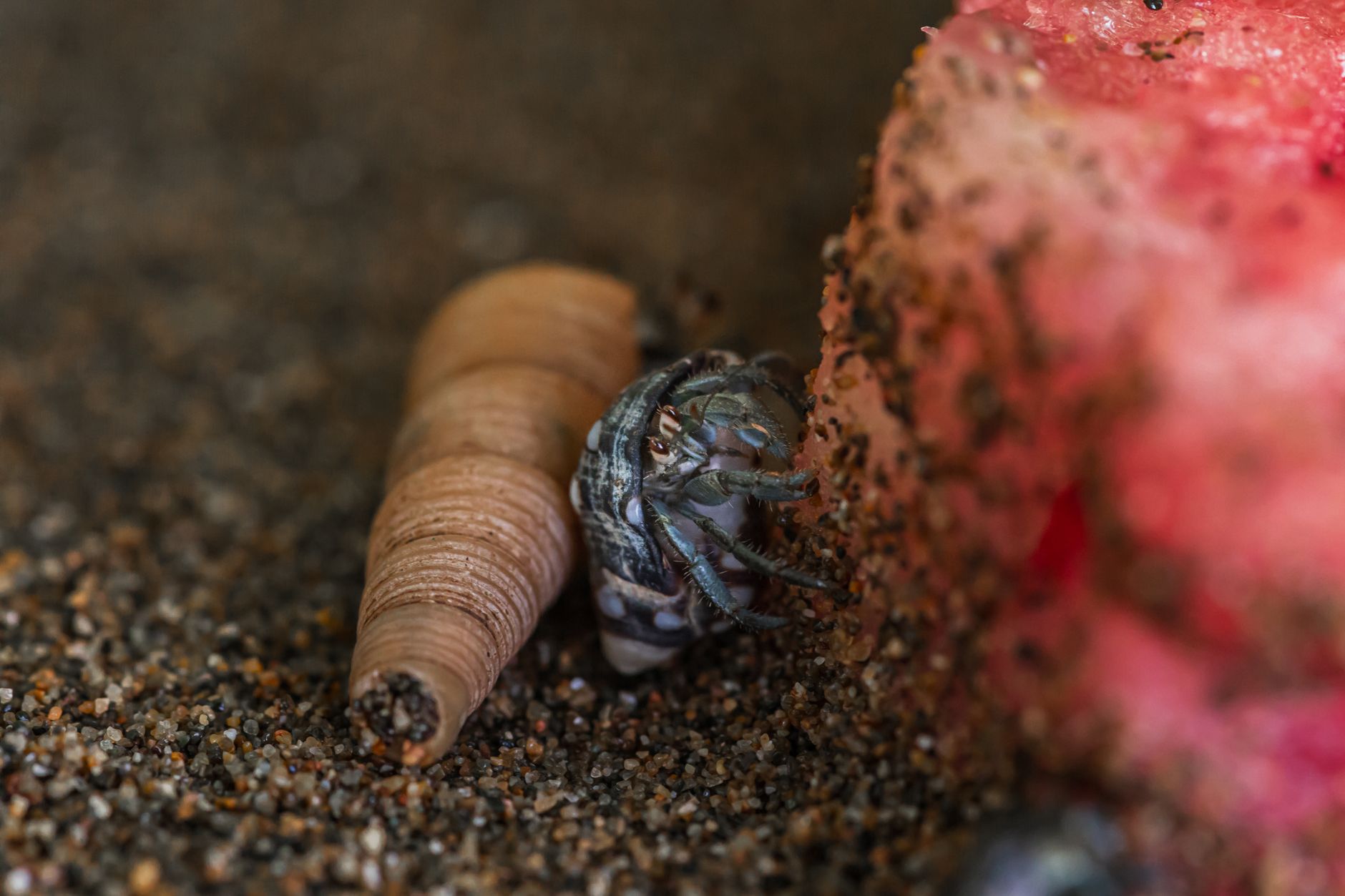
Mimicking their natural environment is crucial for their physical and psychological well-being. A naturalistic habitat provides opportunities for exploration, digging, and climbing.
- Substrate: Use a mix of playsand and coconut fiber (eco earth) to create a substrate that allows for burrowing. The substrate should be deep enough for them to completely bury themselves – at least 6 inches is ideal.
- Climbing Opportunities: Offer a variety of climbing structures, such as driftwood, cholla wood, cork bark, and even sturdy plastic plants. These provide exercise and allow the crabs to explore different levels of their enclosure.
- Hiding Places: Provide plenty of hiding spots using caves, shells, and artificial plants. These offer a sense of security and allow the crabs to de-stress. Aim for at least one hiding spot per crab.
- Water Sources: Offer both fresh and saltwater pools, deep enough for them to submerge themselves partially. Use dechlorinated water and sea salt mix to create the saltwater pool.
Offering Diverse Food Options
Variety is the spice of life, even for hermit crabs. Offering a range of foods not only ensures they get all the necessary nutrients, but also keeps them engaged and stimulated.
- Commercial Hermit Crab Food: Use high-quality commercial food as a base, supplementing it with other options.
- Fresh Fruits and Vegetables: Offer small pieces of fruits like mango, papaya, and berries, and vegetables like carrots, spinach, and kale.
- Proteins: Offer cooked shrimp, dried mealworms, and unsalted nuts. These provide essential protein for healthy growth and molting.
- Treats: Offer occasional treats like popcorn (unsalted, unbuttered), shredded coconut, and dried seaweed.
- Avoid: Avoid citrus fruits, onions, garlic, chocolate, and anything with preservatives or artificial colors.
Interactive Enrichment Activities
Beyond the basic habitat setup, engaging your hermit crabs in interactive activities can further enrich their lives.
- Shell Shop: Regularly offer a variety of empty shells of different sizes and shapes. Hermit crabs need to change shells as they grow, and a “shell shop” provides them with options and opportunities for exploration. Be sure the shells are bigger than their current shell, and made of non-toxic materials.
- Foraging Opportunities: Hide food in different locations around the enclosure to encourage foraging behavior. You can use small bowls, crevices in rocks, or bury food slightly in the substrate.
- Tank Rearrangement: Occasionally rearrange the furniture in the tank to create a new environment for the crabs to explore. However, be careful not to disrupt their molting process.
- Observation: Simply observing your crabs and learning their individual personalities can help you tailor enrichment activities to their specific interests. Consider your answer to, how do you keep hermit crabs entertained? as you interact with them.
Common Mistakes to Avoid
- Overcrowding: Providing too little space can lead to stress and aggression. Ensure each crab has enough room to move and burrow.
- Inadequate Humidity: Hermit crabs need high humidity levels (around 70-80%) to breathe properly and molt successfully. Use a hygrometer to monitor humidity levels and adjust accordingly. Misting the tank regularly and providing a water source will help maintain humidity.
- Lack of Proper Shells: Not providing a variety of appropriate shells can prevent crabs from molting successfully or lead to them fighting over shells.
- Ignoring Molting Crabs: Crabs often bury themselves for extended periods while molting. Disturbing them during this process can be fatal. Avoid digging them up or making major changes to the tank during this time.
- Using Tap Water: Tap water contains chlorine and chloramine, which are harmful to hermit crabs. Always use dechlorinated water for their water sources and misting.
Table of Enrichment Ideas
| Enrichment Activity | Description | Benefits |
|---|---|---|
| Shell Shop | Offering a variety of empty shells | Provides opportunities for shell changes, reduces aggression |
| Foraging Opportunities | Hiding food in various locations | Encourages natural foraging behavior, provides mental stimulation |
| Tank Rearrangement | Occasionally changing the layout of the tank | Creates a new environment to explore, prevents boredom |
| Climbing Structures | Adding driftwood, cholla wood, or cork bark | Provides exercise, allows crabs to explore different levels |
Frequently Asked Questions (FAQs)
How often should I change the water in my hermit crab’s water bowls?
The water in both the fresh and saltwater bowls should be changed daily or every other day, depending on how dirty it gets. This is to prevent the growth of bacteria and ensure your crabs have access to clean water. Regular cleaning is essential for their health.
What do I do if my hermit crab isn’t moving much?
If your hermit crab isn’t moving much, it could be molting, adjusting to a new environment, or sick. Check the humidity and temperature of the tank, and make sure it has access to food and water. If it remains inactive for an extended period or shows other signs of illness, consult a veterinarian.
Can I handle my hermit crabs?
While it’s tempting to handle your hermit crabs, excessive handling can stress them. Handle them only when necessary, such as when cleaning the tank, and always be gentle. Always wet your hands before handling them to avoid damaging their gills.
What is molting and why is it important?
Molting is the process by which hermit crabs shed their exoskeletons to grow. It’s a vital process for their survival. During molting, they are vulnerable, so it’s essential to provide a safe and undisturbed environment.
How long does molting take?
The duration of molting varies depending on the size of the crab and environmental conditions. It can range from a few weeks to several months. Avoid disturbing the crab during this time.
What should I do if I see my hermit crab eating its old exoskeleton?
It’s perfectly normal for hermit crabs to eat their old exoskeleton. It provides them with valuable nutrients, such as calcium, which they need to harden their new shell.
How can I tell if my hermit crab is healthy?
A healthy hermit crab is active, responsive, and has bright, clear eyes. It should also have a healthy appetite and a clean shell.
What are some signs of illness in hermit crabs?
Signs of illness in hermit crabs include lethargy, loss of appetite, cloudy eyes, and a foul odor. If you notice any of these signs, consult a veterinarian experienced in exotic animals.
Can I keep different species of hermit crabs together?
It’s generally not recommended to keep different species of hermit crabs together. They may have different environmental needs and may compete for resources.
What temperature and humidity levels are ideal for hermit crabs?
The ideal temperature for hermit crabs is 70-80°F (21-27°C), and the ideal humidity level is 70-80%. Use a thermometer and hygrometer to monitor these conditions.
What kind of lighting do hermit crabs need?
Hermit crabs don’t need special lighting, but they do need a day-night cycle. Provide natural light or use a low-wattage lightbulb on a timer. Avoid direct sunlight, which can overheat the tank.
Is it cruel to keep hermit crabs as pets?
Whether keeping hermit crabs is cruel is a complex question. Provided with a properly sized, enriched habitat with appropriate food, water, temperature, and humidity, and a fulfilling lifestyle, hermit crabs can thrive in captivity. Neglecting their needs, however, would be considered cruel. Therefore, the key to ethically keeping hermit crabs hinges on your commitment to meet all of their needs to help them live a long and healthy life.