

Why are there bird noises at Night? Unraveling the Nocturnal Chorus
Many people wonder, why are there bird noises at night? The answer lies in a fascinating combination of factors, including urbanization, adaptation, hormonal influences, and even simple confusion, leading some birds to shift their vocalizations and activity patterns into the nighttime hours.

Introduction: The Enigmatic Nighttime Birdsong
The tranquility of night, traditionally associated with quiet and rest, is increasingly punctuated by the unexpected sounds of birds. Why are there bird noises at night? This phenomenon, once rare, is becoming more common, leaving many people to ponder the reasons behind this shift in avian behavior. Understanding this trend requires exploring several key aspects of bird biology, environmental changes, and the impact of human activity.
Urbanization and Light Pollution
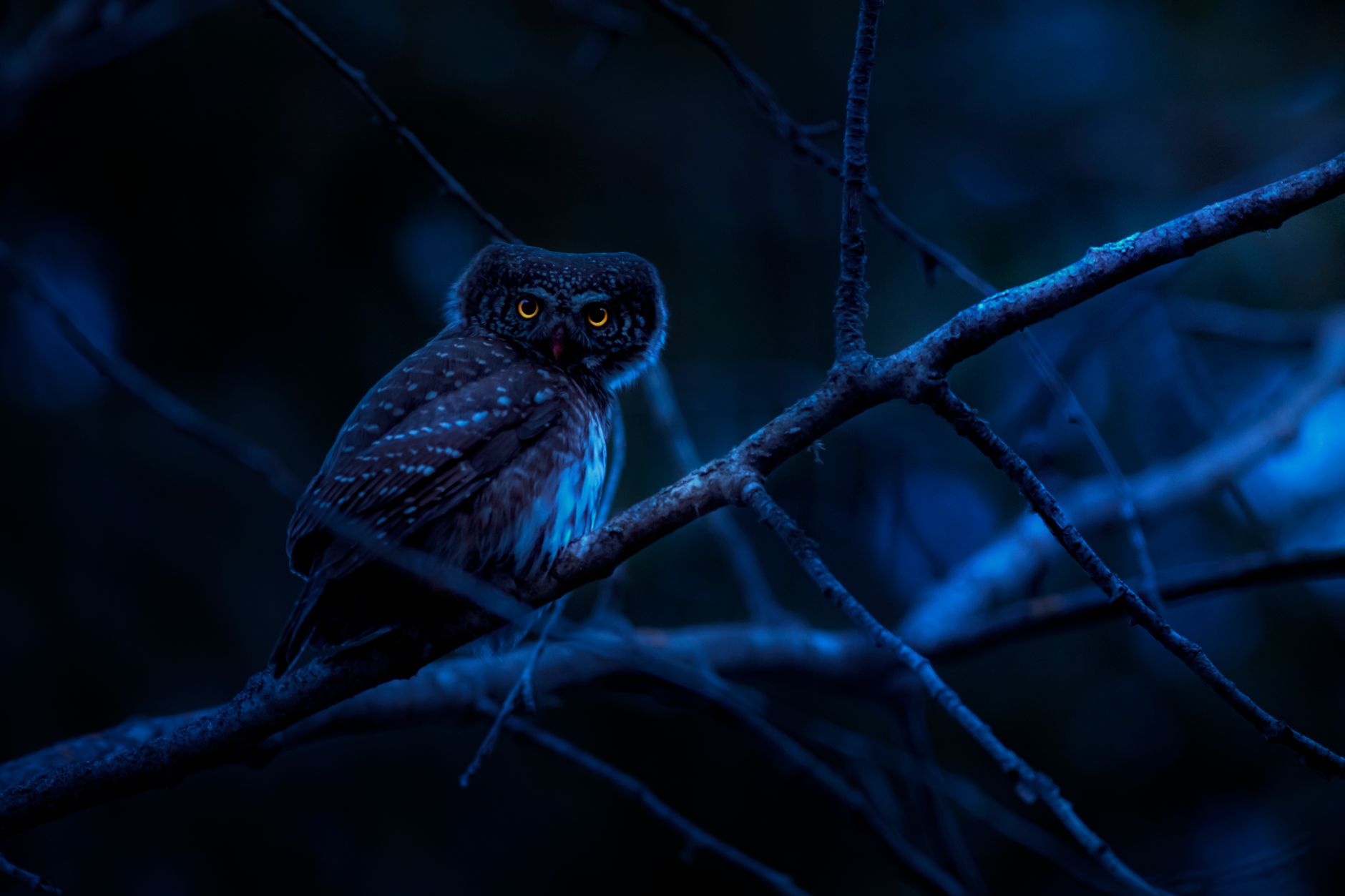
One of the most significant contributing factors to nocturnal bird activity is urbanization.
- Artificial Light: City lights disrupt birds’ natural circadian rhythms. They can mistake streetlights and building illumination for sunrise, triggering early morning vocalizations or extending their activity periods.
- Noise Pollution: The constant din of urban environments can mask natural sounds, forcing birds to sing louder and at different times to be heard.
- Habitat Loss: Urban development often encroaches on or eliminates natural habitats, pushing birds to adapt to less-than-ideal conditions, including altered sleep schedules.
This combination of factors contributes significantly to why are there bird noises at night in urban areas.
Migratory Behavior and Navigation
Migration plays a crucial role in the nocturnal sounds associated with birds.
- Nocturnal Migration: Many bird species migrate primarily at night, using stars for navigation and avoiding predators. Their calls during migration serve as a form of communication within the flock.
- Confusion and Disorientation: Artificial lights can disorient migrating birds, leading them to fly off course, become exhausted, and vocalize in distress.
Therefore, understanding migration patterns is key to understanding why are there bird noises at night.
Hormonal Influences and Breeding Season
Breeding season often brings about heightened vocal activity in birds, and sometimes this extends into the night.
- Increased Vocalization: During breeding season, male birds sing to attract mates and defend their territories. This urge can override their typical sleep schedule.
- Hormonal Fluctuations: Changes in hormone levels can influence bird behavior, making them more active and vocal at unusual times.
Species-Specific Adaptations and Behavioral Shifts
Some bird species are naturally more inclined to be active or vocal at night.
- Nocturnal Species: Owls, nighthawks, and some seabirds are naturally nocturnal and vocalize at night as part of their normal behavior.
- Adaptation to Urban Environments: Some bird species are learning to exploit the resources and conditions offered by urban environments, including feeding on insects attracted to artificial lights.
- European Robins: The European robin is one of the species most likely to sing at night. It’s theorized it does this to avoid competition and to be heard over the general urban noise.
Climate Change
Climate change can also influence bird behavior, including their nighttime vocalizations.
- Altered Breeding Seasons: Warmer temperatures can shift breeding seasons, leading to earlier or longer periods of heightened vocal activity.
- Disruption of Migration Patterns: Climate change can disrupt traditional migration routes, causing birds to become disoriented and vocalize at unusual times.
Table: Common Bird Species Heard at Night
| Species | Typical Nocturnal Behavior | Common Location | Reason for Nighttime Noise |
|---|---|---|---|
| European Robin | Sings | Urban parks, gardens | Avoiding daytime competition, urban noise |
| Northern Mockingbird | Mimics | Suburban areas | Practice singing, attracting mates |
| Barn Owl | Hunts | Rural areas | Natural nocturnal predator |
| Whip-poor-will | Sings | Woodlands, forests | Natural nocturnal vocalization |
| American Robin | Sings | Urban areas | Light pollution, confusion |
Bullet List: Factors Influencing Nocturnal Bird Song
- Urbanization and Light Pollution
- Migratory Patterns and Navigation
- Hormonal Influences and Breeding Season
- Species-Specific Adaptations
- Climate Change
- Noise Pollution

Frequently Asked Questions (FAQs)
Why are there bird noises at night near my house?
The presence of bird noises at night near your house is likely due to a combination of factors. Urbanization, with its artificial light and noise, often encourages birds to be more active at night. Some species, like the European Robin, have adapted to urban environments and sing at night to avoid daytime competition.
Are all bird species affected by light pollution?
No, not all bird species are equally affected by light pollution. Some species are more adaptable and tolerant of artificial light, while others are highly sensitive and may experience significant disruptions to their sleep cycles and navigation. Nocturnal migratory birds are particularly vulnerable.
How does noise pollution impact bird behavior at night?
Noise pollution can mask natural sounds, making it difficult for birds to communicate and find mates. This can lead them to sing louder and at unusual times, including at night, to ensure they are heard.
Is nighttime bird song a sign of stress for birds?
While nighttime bird song can be a sign of stress in some cases, it’s not always negative. In some species, it represents adaptation to urban environments or a strategy for avoiding competition. However, prolonged exposure to stressors like light and noise pollution can indeed negatively impact bird health and well-being.
Can I do anything to reduce nighttime bird noise in my neighborhood?
Yes, there are several things you can do:
- Reduce Light Pollution: Use shielded outdoor lighting that directs light downwards and avoid leaving unnecessary lights on at night.
- Create Bird-Friendly Habitats: Plant native trees and shrubs that provide natural cover and food sources for birds.
- Reduce Noise Pollution: Be mindful of noise levels, especially at night.
What species are most likely to sing at night?
The European Robin, Northern Mockingbird, and American Robin are among the species most likely to sing at night. These birds are highly adaptable and often thrive in urban environments. Owls and Nighthawks are naturally nocturnal.
Is it possible to train birds to stop singing at night?
It’s generally not possible or advisable to try to train birds to stop singing at night. Their behavior is driven by instinct and environmental factors. Focusing on reducing the factors that contribute to nighttime singing, such as light and noise pollution, is a more effective and ethical approach.
What role does diet play in nighttime bird activity?
The availability of food resources can influence nighttime bird activity. Birds may be more active at night if food is readily available, such as insects attracted to artificial lights.
How does climate change affect bird vocalizations at night?
Climate change can alter breeding seasons and migration patterns, leading to earlier or longer periods of heightened vocal activity, including at night. Disrupted migration routes can also cause birds to become disoriented and vocalize more frequently.
Why are there bird noises at night during migration season?
During migration season, many bird species migrate primarily at night, and their calls serve as a form of communication within the flock. Artificial lights can disorient migrating birds, leading to increased vocalizations as they try to reorient themselves.
Do birds sleep at night, or are they constantly active?
Most birds do sleep at night, although their sleep patterns may differ from those of mammals. Some birds engage in unihemispheric sleep, where one half of the brain rests while the other remains alert. This allows them to remain vigilant for predators even while sleeping.
Are there any benefits to birds singing at night?
While nighttime singing can be disruptive to humans, it can offer several potential benefits to birds. It can help them attract mates, defend their territories, and avoid competition with other birds that are active during the day. Nighttime singing can also be more effective in urban environments where daytime noise levels are high.