

How to Remove Tartar from Your Ferret’s Teeth: A Comprehensive Guide
The best way to get tartar off ferrets teeth is through a combination of regular dental care, including brushing, dental treats, and, when necessary, professional veterinary cleanings. This multifaceted approach ensures optimal oral hygiene for your furry friend.
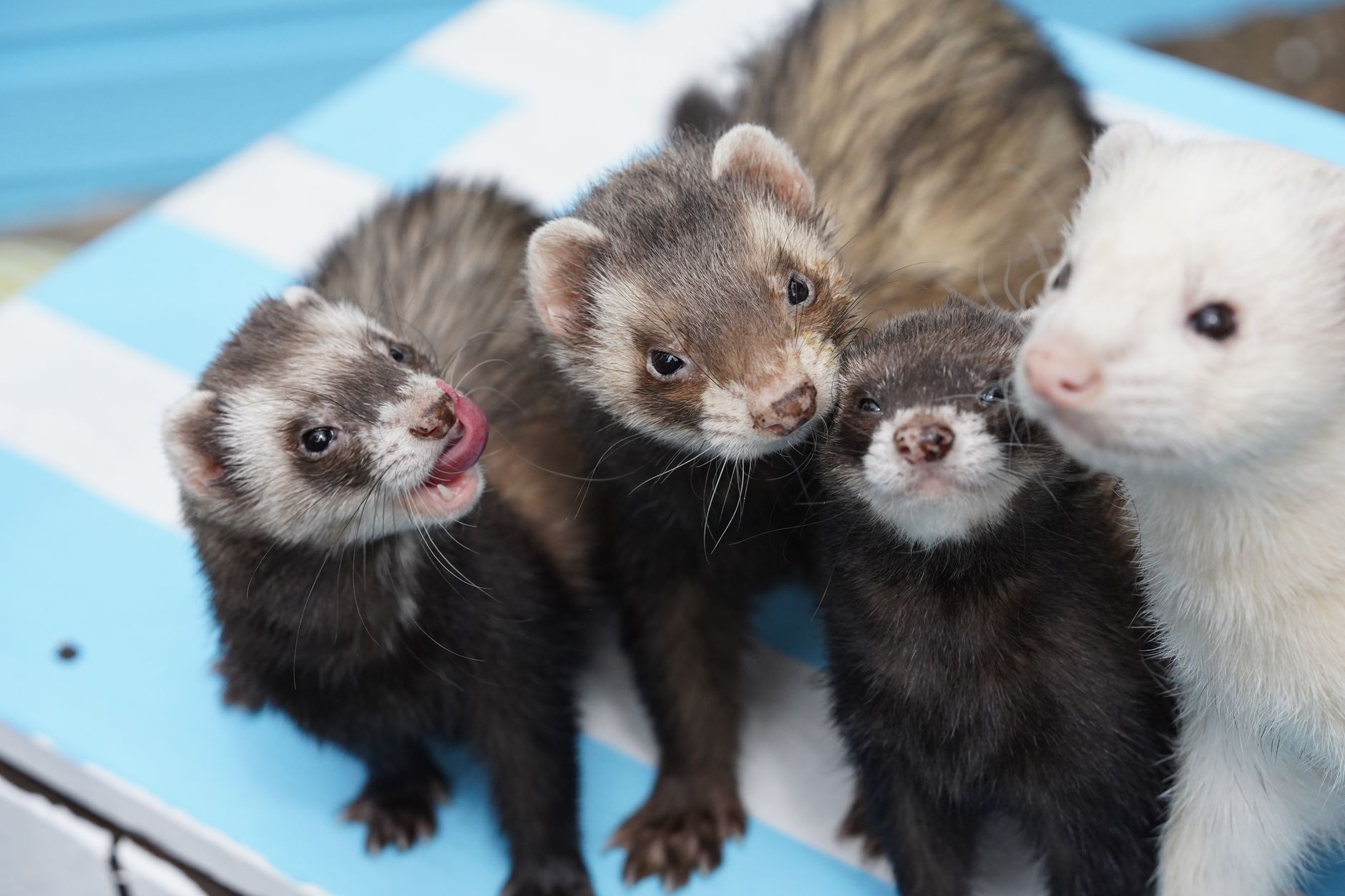
The Importance of Dental Health for Ferrets
Ferrets, like many animals, are susceptible to dental problems, particularly tartar buildup. Tartar, also known as dental calculus, is hardened plaque that forms on the teeth. If left untreated, it can lead to:
- Gingivitis (inflammation of the gums)
- Periodontitis (gum disease)
- Tooth loss
- Systemic infections (bacteria from the mouth entering the bloodstream and affecting other organs)
Maintaining your ferret’s dental health is crucial for their overall well-being and longevity. Ignoring dental hygiene can result in significant pain and discomfort for your pet.

Is distilled water good for goldfish?
What colours are fish most attracted to?
Can you put your finger in a trout's mouth?
Is methylene blue anti bacterial?
Preventive Measures: The Foundation of Ferret Dental Care

Prevention is always better than cure. Incorporating these preventive measures into your ferret’s routine can significantly reduce the need for more invasive tartar removal procedures:
- Regular Brushing: Brushing your ferret’s teeth regularly is the most effective way to prevent plaque buildup. Use a ferret-specific toothbrush and toothpaste (never human toothpaste, which can be toxic). Aim to brush at least 2-3 times per week.
- Dental Treats and Toys: Specially designed dental treats and toys can help scrape away plaque and tartar as your ferret chews. Look for products specifically formulated for ferrets.
- Diet: Feeding your ferret a high-quality, dry ferret food can also contribute to better dental health compared to wet food, as the kibble helps to naturally scrape the teeth.
- Regular Checkups: Annual or biannual veterinary checkups are essential. Your veterinarian can assess your ferret’s dental health and recommend appropriate interventions.
Step-by-Step Guide: Brushing Your Ferret’s Teeth
Brushing your ferret’s teeth can seem daunting, but with patience and consistency, it can become a regular part of your routine.
- Introduction: Start by familiarizing your ferret with the taste of the ferret-specific toothpaste. Let them lick a small amount from your finger.
- Gradual Introduction of the Toothbrush: Gently introduce the toothbrush to your ferret’s mouth. Start by touching the toothbrush to their lips and gradually moving it inside their mouth.
- Brushing: Once your ferret is comfortable with the toothbrush, gently brush their teeth using small, circular motions. Focus on the outer surfaces of the teeth, where tartar tends to accumulate.
- Positive Reinforcement: Reward your ferret with praise and a treat after each brushing session. This will help them associate brushing with positive experiences.
Professional Veterinary Cleaning: When is it Necessary?
Despite your best efforts, tartar can still accumulate on your ferret’s teeth. In these cases, a professional veterinary cleaning may be necessary. This procedure typically involves:
- Anesthesia: General anesthesia is required to safely and effectively clean your ferret’s teeth.
- Scaling: A veterinarian or veterinary technician uses specialized instruments to remove tartar from above and below the gum line.
- Polishing: The teeth are polished to smooth the surface and prevent future tartar buildup.
- Examination: The veterinarian will thoroughly examine your ferret’s mouth for any signs of dental disease.
Risks and Considerations of Anesthesia
While a professional dental cleaning is often necessary, it’s important to be aware of the risks associated with anesthesia.
- Pre-Anesthetic Bloodwork: Your veterinarian should perform pre-anesthetic bloodwork to assess your ferret’s overall health and identify any potential risks.
- Monitoring: During the procedure, your ferret will be closely monitored by a trained veterinary professional.
- Recovery: It’s crucial to follow your veterinarian’s post-operative instructions carefully to ensure a smooth recovery.
Alternative Tartar Removal Methods: What to Avoid
While some sources may suggest alternative methods for tartar removal, it’s important to exercise caution and consult with your veterinarian before attempting any DIY treatments.
- Avoid Using Human Dental Tools: Using human dental tools on your ferret’s teeth can be dangerous and cause injury.
- Avoid Harsh Chemicals: Never use harsh chemicals or cleaning agents on your ferret’s teeth, as they can be toxic.
- Consult Your Veterinarian: Always consult with your veterinarian before trying any alternative tartar removal methods.
Frequently Asked Questions (FAQs)
How often should I brush my ferret’s teeth?
Brushing your ferret’s teeth 2-3 times per week is ideal. Consistency is key in preventing plaque and tartar buildup. Even brushing once a week is better than not at all.
Is human toothpaste safe for ferrets?
No! Human toothpaste contains ingredients like fluoride that are toxic to ferrets. Always use a ferret-specific toothpaste. These are readily available at pet stores or through your veterinarian.
What are the signs of dental disease in ferrets?
Signs of dental disease in ferrets include: bad breath, excessive drooling, difficulty eating, pawing at the mouth, and red or swollen gums. If you notice any of these signs, consult your veterinarian immediately.
Can I remove tartar myself without a vet?
It’s generally not recommended to attempt removing tartar yourself without veterinary supervision. You risk injuring your ferret’s gums or teeth with improper tools or techniques.
What kind of toothbrush should I use for my ferret?
Use a ferret-specific toothbrush or a small, soft-bristled toothbrush designed for cats or kittens. These toothbrushes are smaller and easier to maneuver in your ferret’s mouth. Finger brushes can also be effective.
Are there any dental treats specifically for ferrets?
Yes, there are dental treats designed for ferrets. Look for treats that are specifically formulated to help scrape away plaque and tartar. Always check the ingredients and avoid treats with excessive sugar or artificial additives.
How much does a professional dental cleaning cost for a ferret?
The cost of a professional dental cleaning for a ferret can vary depending on the location and the veterinary clinic. It typically ranges from $200 to $500, depending on the severity of the tartar buildup and the need for extractions.
What happens if I don’t get tartar removed from my ferret’s teeth?
If left untreated, tartar buildup can lead to serious health problems, including gum disease, tooth loss, and systemic infections. It’s crucial to address tartar buildup to protect your ferret’s overall well-being.
Is anesthesia safe for ferrets during dental cleanings?
While there are always risks associated with anesthesia, modern anesthetic protocols and monitoring equipment make it relatively safe for ferrets. Your veterinarian will perform pre-anesthetic bloodwork to assess your ferret’s health and minimize the risks.
My ferret doesn’t like having their teeth brushed. What should I do?
Start slowly and gradually introduce your ferret to the toothbrush and toothpaste. Use positive reinforcement, such as praise and treats, to create a positive association. If your ferret continues to resist, consult with your veterinarian for advice.
Are there any specific ferret foods that promote dental health?
Yes, feeding a high-quality, dry ferret food can help promote dental health. The kibble helps to naturally scrape the teeth as your ferret chews. Look for foods that are specifically formulated for dental health.
Can tartar affect other parts of my ferret’s body?
Yes, absolutely! Bacteria from tartar buildup can enter the bloodstream and affect other organs, such as the heart, liver, and kidneys. Addressing tartar buildup is essential for your ferret’s overall health and longevity.
In conclusion, how do you get tartar off ferrets teeth? Through proactive prevention, regular dental care, and, when necessary, professional veterinary intervention. By implementing these strategies, you can ensure your ferret enjoys a healthy and happy life, free from the pain and discomfort of dental disease.