

Can a Human Triumph Over a Pack of Coyotes? Facing the Wild
The question of whether a human can prevail against a coyote pack is complex. While a healthy, prepared adult human could potentially deter or even injure individual coyotes, Can a human take on a pack of coyotes? and win is highly improbable due to the pack’s advantages in numbers, coordination, and inherent wild instincts.

Understanding the Coyote: Apex Predator Dynamics
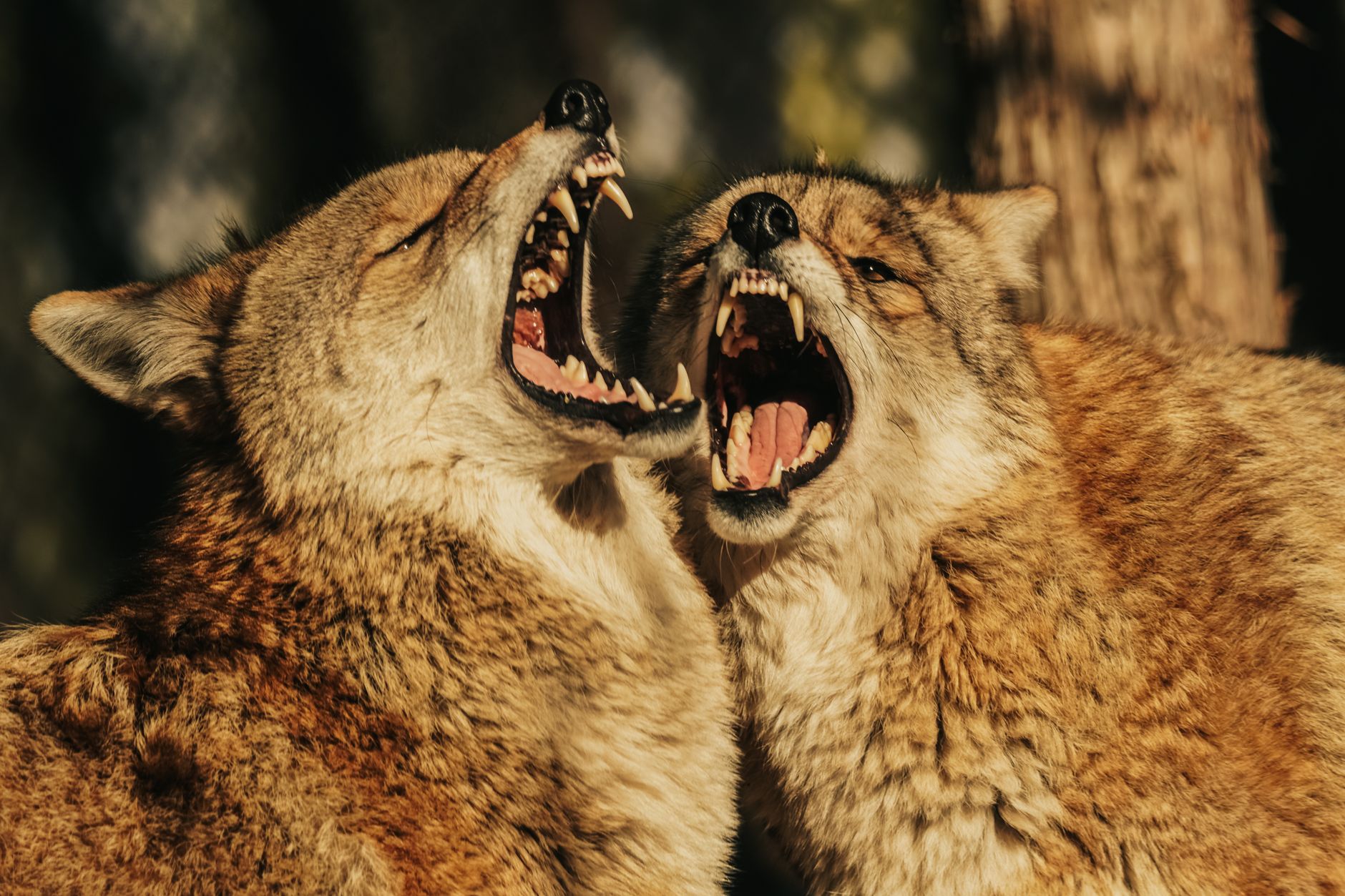
Coyotes, Canis latrans, are highly adaptable predators found throughout North America. They typically hunt alone or in pairs, but during certain times of the year, especially during mating or when raising pups, they may form packs. Understanding their behavior is crucial to assessing any potential confrontation.
Is distilled water good for goldfish?
What colours are fish most attracted to?
Can you put your finger in a trout's mouth?
Is methylene blue anti bacterial?
Pack Dynamics: The Power of Numbers

The primary advantage a coyote pack possesses is its sheer numbers.
- Coordination: Packs hunt cooperatively, using strategies to corner and exhaust prey.
- Territorial Defense: They fiercely defend their territory and young against perceived threats.
- Audacity: A pack is far bolder than a single coyote, increasing the likelihood of aggression.
A lone human, regardless of size or strength, faces a significant disadvantage against coordinated attacks from multiple animals.
Human Capabilities: Strengths and Limitations
While humans lack the natural weapons of coyotes (sharp teeth and claws), we possess intelligence, tools, and physical capabilities that can be leveraged.
- Physical Strength: A physically fit individual can deliver powerful blows.
- Tool Use: Access to weapons (sticks, rocks, knives) significantly increases defensive capabilities.
- Intelligence: Employing tactics like creating loud noises and appearing large can deter coyotes.
However, humans are slower, less agile, and lack the stamina to effectively fight multiple attackers simultaneously. Can a human take on a pack of coyotes? without significant injury? Likely no.
Assessing the Risk: Factors in the Equation
Several factors influence the outcome of a potential encounter:
- Pack Size: A smaller pack presents a lesser threat than a larger one.
- Coyote Aggression Level: Is the pack defensively guarding pups, or merely curious?
- Human Preparedness: Does the human have tools for defense and a clear plan of action?
- Environmental Factors: Terrain, visibility, and escape routes play a crucial role.
| Factor | Impact on Human’s Chances |
|---|---|
| Small Pack Size | Increases chances |
| Low Aggression | Increases chances |
| Tool Availability | Increases chances |
| Favorable Terrain | Increases chances |
Strategies for Deterrence: Avoidance and Aggressive Posturing
The best strategy is always to avoid confrontation altogether. However, if faced with a coyote pack, the following steps can increase your chances of survival:
- Make Yourself Look Large: Raise your arms, open your jacket.
- Make Loud Noises: Yell, clap your hands, blow a whistle.
- Throw Objects: Rocks, sticks, or anything available can deter coyotes.
- Maintain Eye Contact: Projecting confidence can discourage an attack.
- Back Away Slowly: Avoid turning your back and running, as this triggers the chase instinct.
When to Fight: A Last Resort
Fighting should only be considered as a last resort when all other attempts to deter the pack have failed.
- Focus on the Lead Coyote: Targeting the alpha individual can disrupt the pack’s coordination.
- Use Any Available Weapon: Maximize the impact of each blow.
- Protect Your Head and Neck: These are vulnerable areas that coyotes will target.
- Fight Vigorously: Displaying weakness invites further aggression.
The Verdict: Probability and Prudence
Ultimately, Can a human take on a pack of coyotes? The odds are heavily stacked against the human. While a lucky strike or desperate act of self-defense might injure or even kill one or two coyotes, the pack’s coordinated attacks will likely overwhelm the individual. Prevention and de-escalation are the keys to survival.
FAQ: Frequently Asked Questions
If a coyote pack is approaching me, should I run?
No, running is generally the worst thing you can do. It triggers the coyote’s chase instinct, making you appear as prey. Back away slowly while making yourself look large and making loud noises.
What is the best weapon to use against a coyote pack?
A firearm is the most effective weapon. However, in the absence of a firearm, a sturdy stick or large rock can be used to strike or throw at the coyotes. Pepper spray designed for animals can also be effective.
Are coyote attacks on humans common?
Coyote attacks on humans are relatively rare, but they do occur, particularly in areas where coyotes have become habituated to humans or where food sources are scarce. Small children are at increased risk.
What should I do if a coyote bites me?
Immediately wash the wound thoroughly with soap and water. Seek medical attention immediately to receive appropriate treatment and rabies prophylaxis if necessary. Report the incident to local animal control.
How can I prevent coyotes from coming into my yard?
Remove potential food sources, such as pet food, fallen fruit, and garbage. Keep pets indoors, especially at night. Trim bushes and shrubs to eliminate hiding places. Install motion-activated lights or sprinklers.
Are coyotes more aggressive during certain times of the year?
Yes, coyotes are generally more aggressive during mating season (January-March) and when raising pups (April-August). During these times, they are more likely to defend their territory and young.
What is the typical size of a coyote pack?
Coyote pack size varies depending on the availability of food and territory. Packs typically consist of a breeding pair and their offspring, but can range in size from 2 to 7 individuals.
Do all coyotes hunt in packs?
No, not all coyotes hunt in packs. Many coyotes hunt alone or in pairs, particularly when prey is abundant or when the terrain is not conducive to pack hunting.
How can I tell if a coyote is rabid?
Signs of rabies in coyotes include excessive drooling, uncoordinated movements, aggression, and paralysis. If you suspect a coyote is rabid, maintain a safe distance and contact local animal control immediately.
What is the difference between a coyote and a wolf?
Coyotes are smaller than wolves, typically weighing between 20 and 50 pounds. They also have a narrower snout and smaller ears. Wolves are generally more aggressive than coyotes.
What should I do if I see a coyote acting strangely?
If you see a coyote acting strangely, such as approaching humans without fear or displaying unusual aggression, report it to local animal control or wildlife authorities. The animal may be sick or habituated to humans and pose a potential threat.
If I must fight, where should I aim to incapacitate a coyote quickly?
If forced to fight, focus on striking vital areas: the head (eyes, nose), throat, and ribs. A well-aimed blow to any of these areas can cause significant injury and potentially incapacitate the coyote. Remember, however, that even an injured coyote is still dangerous.