

How to Humanely and Effectively Get Rid of Pigeons with Eggs
How do you get rid of pigeons with eggs? The most humane and effective methods involve preventing nesting in the first place, disrupting the nesting cycle without harming the birds, and implementing deterrents to discourage future habitation, all while adhering to local laws and regulations. Remember, complete eradication is rarely possible, so focusing on control and prevention is key.
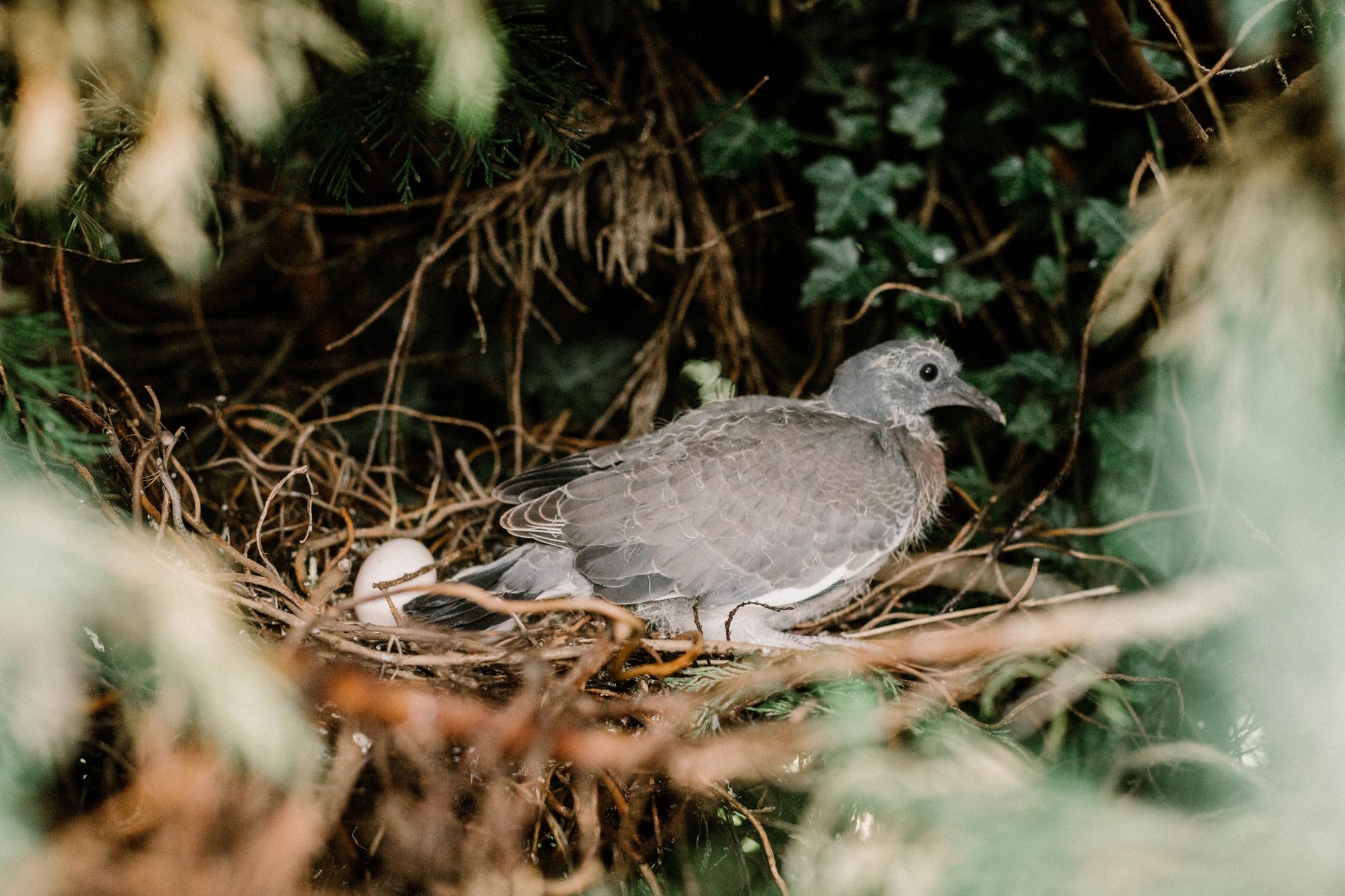
Understanding the Pigeon Problem: A Comprehensive Overview
Pigeons, also known as rock doves, have adapted remarkably well to urban environments, often finding shelter and food sources within our cities and towns. While some may consider them harmless, their presence can lead to a variety of problems, including property damage from their droppings, the spread of diseases, and noise pollution. This is particularly problematic when they begin nesting and laying eggs, as this reinforces their attachment to a particular location. Understanding their nesting habits and life cycle is crucial in determining how do you get rid of pigeons with eggs effectively.

Is distilled water good for goldfish?
What colours are fish most attracted to?
Can you put your finger in a trout's mouth?
Is methylene blue anti bacterial?
Why Getting Rid of Pigeons With Eggs Can Be Challenging

Dealing with pigeons, especially when they have eggs, requires a careful and ethical approach. It’s important to understand the challenges:
- Legal Considerations: In many jurisdictions, disturbing or harming birds and their nests is illegal. Always check local and federal regulations before taking any action.
- Humane Concerns: Even when they are pests, treating animals humanely is paramount. Methods that cause unnecessary suffering are unacceptable.
- Persistence: Pigeons are incredibly persistent. If conditions remain favorable, they will often attempt to re-nest in the same location.
- Nest Accessibility: Nests can be in hard-to-reach places, making removal difficult and potentially dangerous.
Safe and Humane Methods: A Step-by-Step Guide
So, how do you get rid of pigeons with eggs without resorting to inhumane or illegal practices? Here’s a breakdown of the most effective methods:
-
Prevention is Key: The most effective strategy is preventing pigeons from nesting in the first place.
- Install bird netting over common nesting areas like balconies, ledges, and eaves.
- Use bird spikes to deter pigeons from landing on flat surfaces.
- Apply bird repellent gels to surfaces where pigeons tend to congregate.
- Remove food sources, such as spilled birdseed or unsecured garbage.
-
Nest Removal (if permissible and practical):
- If local laws allow, carefully remove nests before eggs are laid. This is the most humane option.
- If eggs are present, research local regulations. Some areas may permit egg oiling or nest removal with proper permits.
- Wear gloves and a mask to protect yourself from diseases.
- Dispose of nests and eggs properly in sealed bags to prevent disease spread.
-
Egg Oiling (if legal):
- This method involves coating the eggs with mineral oil, which prevents them from hatching without harming the adult birds.
- This must be done carefully and thoroughly.
- Check local laws to ensure it is permitted.
-
Habitat Modification:
- Make the nesting area less attractive.
- Clear debris and clutter from potential nesting sites.
- Block access to sheltered areas.
-
Professional Assistance:
- If you’re unable to handle the problem yourself, consider hiring a professional pest control service that specializes in bird control.
Long-Term Pigeon Control Strategies
How do you get rid of pigeons with eggs permanently? Long-term control requires a multifaceted approach:
- Regular Maintenance: Consistently check and maintain deterrents to ensure their effectiveness.
- Community Involvement: Encourage neighbors to take similar preventative measures to reduce the overall pigeon population in the area.
- Address Food Sources: Work with local businesses and residents to eliminate food sources that attract pigeons.
- Consider Repellents: Sonic and ultrasonic devices can be effective in deterring pigeons, but their effectiveness can vary.
Common Mistakes to Avoid
- Ignoring Local Laws: Always research and comply with local regulations regarding bird control.
- Using Inhumane Methods: Avoid using methods that can harm or kill pigeons, such as poisons or glue traps.
- Failing to Clean Up Droppings: Pigeon droppings can pose a health hazard. Clean them up properly using appropriate protective gear and disinfectants.
- Neglecting Prevention: Focusing solely on nest removal without addressing the underlying causes of the infestation will lead to recurring problems.
The Ethical Dilemma: Balancing Human Needs and Animal Welfare
Dealing with unwanted wildlife always presents an ethical dilemma. While pigeons can be a nuisance, it’s important to remember that they are living creatures. Strive to use humane and ethical methods that minimize harm while effectively addressing the problem.
The Importance of Professional Consultation
While DIY methods can be effective, a professional pest control service can offer a more comprehensive solution, particularly for large or persistent infestations. They have the experience, equipment, and knowledge to assess the situation, develop a customized control plan, and implement it safely and effectively. If you are struggling with how do you get rid of pigeons with eggs, don’t hesitate to contact a professional.
Comparing Pigeon Deterrent Methods
| Deterrent Method | Effectiveness | Cost | Pros | Cons |
|---|---|---|---|---|
| Bird Netting | High | Moderate | Effective for large areas | Can be unsightly; requires professional install |
| Bird Spikes | High | Moderate | Durable and long-lasting | Can be unsightly; not suitable for all areas |
| Bird Repellent Gels | Moderate | Low | Easy to apply | Requires reapplication; may not be effective in all cases |
| Sonic/Ultrasonic Devices | Variable | Moderate | No physical harm to birds | Effectiveness can vary; may disturb neighbors |
Frequently Asked Questions (FAQs)
How long does it take for pigeon eggs to hatch?
Pigeon eggs typically take around 18 days to hatch. The incubation period can be slightly longer or shorter depending on the weather conditions and the attentiveness of the parents.
Is it illegal to remove a pigeon nest?
The legality of removing a pigeon nest varies depending on local laws and regulations. In some areas, it’s illegal to disturb or remove nests, especially if they contain eggs or young birds. Always check with your local authorities or animal control before taking any action.
What diseases can you get from pigeon droppings?
Pigeon droppings can carry various diseases, including histoplasmosis, cryptococcosis, and psittacosis. It’s essential to wear protective gear, such as gloves and a mask, when cleaning up droppings.
How do you clean up pigeon droppings safely?
First, wet the droppings with water to prevent dust from becoming airborne. Then, use a scraper to remove the droppings. Disinfect the area thoroughly with a bleach solution (1 part bleach to 10 parts water) and dispose of the droppings in a sealed bag.
What are some natural ways to deter pigeons?
Natural deterrents include using predator decoys (such as owls or hawks), scattering cayenne pepper in areas where pigeons congregate, and using reflective tape or CDs to scare them away.
Are there any humane ways to kill pigeons?
While some people may consider lethal methods, humane options are typically preferred. It’s important to remember that poisoning pigeons can also pose a risk to other animals and humans. Always prioritize non-lethal deterrents and prevention methods.
How often do pigeons lay eggs?
Pigeons can lay eggs multiple times a year, typically 5-6 clutches. This means they can quickly establish a large population in a favorable environment.
What attracts pigeons to a property?
Pigeons are attracted to properties that offer food, water, and shelter. This can include spilled birdseed, open garbage cans, flat rooftops, and sheltered ledges.
How can I keep pigeons away from my balcony?
You can use bird netting, bird spikes, or bird repellent gels to deter pigeons from landing on your balcony. Also, remove any food or water sources that might attract them.
What is the best time of year to remove pigeon nests?
The best time to remove pigeon nests is before they start nesting, typically in the early spring or late fall. This helps prevent them from establishing a breeding territory.
Can I hire a professional to get rid of pigeons with eggs?
Yes, hiring a professional pest control service that specializes in bird control is a good option, especially for large or persistent infestations. They can assess the situation, develop a customized control plan, and implement it safely and effectively.
What should I do if I find a baby pigeon?
If you find a baby pigeon that appears to be injured or abandoned, contact a local wildlife rescue organization or animal shelter for assistance. They can provide the necessary care and rehabilitation.