

Can 4 Hermit Crabs Live in a 10 Gallon Tank? A Comprehensive Guide
The short answer? Maybe, but it’s not ideal. While 4 hermit crabs can live in a 10-gallon tank, doing so successfully requires careful consideration of their size, species, and enrichment needs to avoid overcrowding and potential health problems.

The Basics of Hermit Crab Housing
Hermit crabs are fascinating creatures, but keeping them as pets requires responsible ownership. A primary factor is understanding their space requirements. Ignoring these can lead to stress, aggression, and even death.
- Natural Habitat: Hermit crabs are social animals found in tropical coastal regions.
- Minimum Space Requirements: While a 10-gallon tank is a common starting point, it’s crucial to understand it might not be sufficient in the long run, especially for more than a couple of crabs.

What is the GREY African clawed frog?
Is distilled water good for goldfish?
What colours are fish most attracted to?
Can you put your finger in a trout's mouth?
Why a 10-Gallon Tank Might Be Problematic for 4 Hermit Crabs
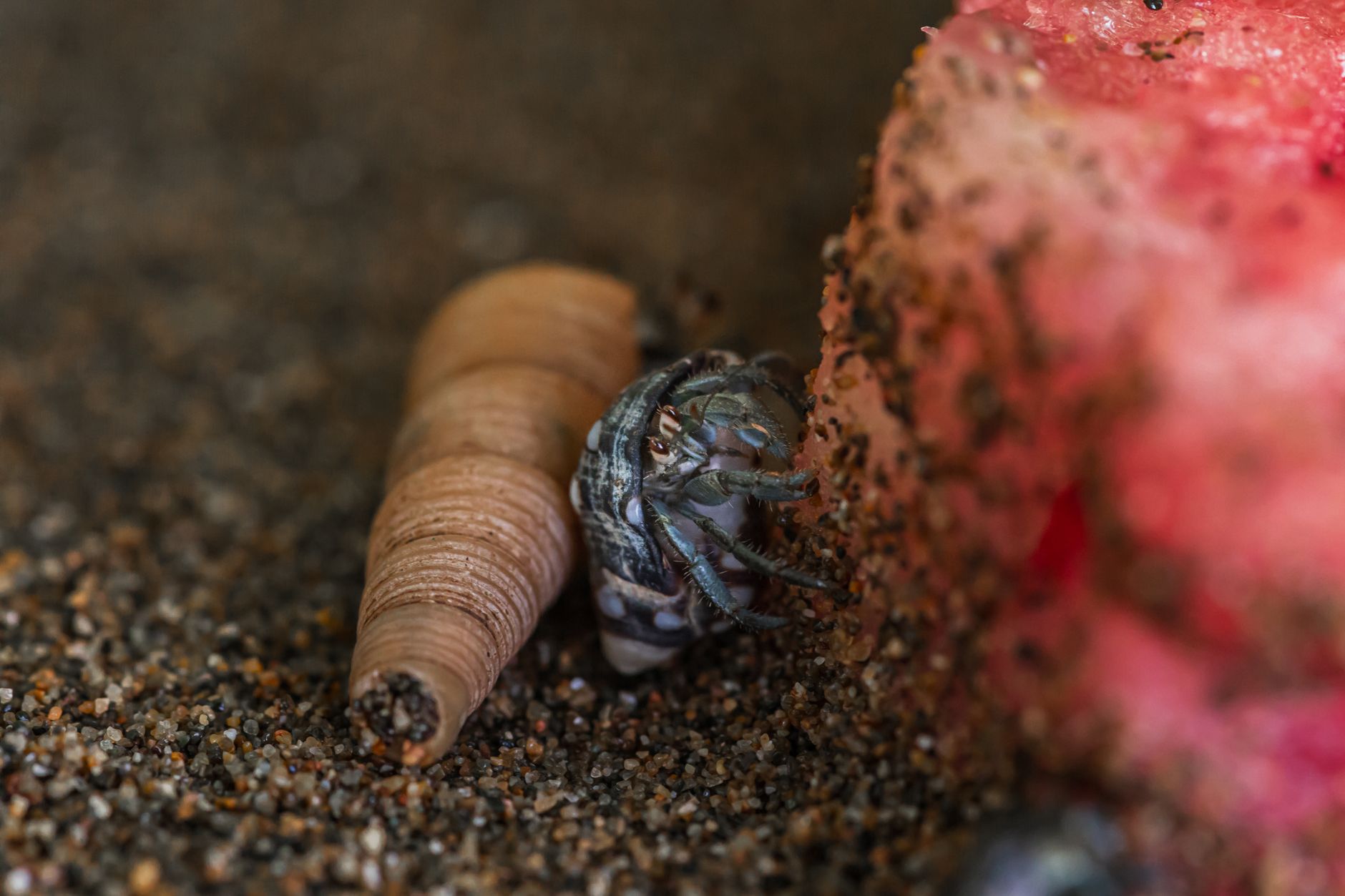
The core issue when asking “Can 4 hermit crabs live in a 10 gallon tank?” revolves around overcrowding.
- Limited Space: Four hermit crabs sharing a small space increases competition for resources.
- Molting Issues: Hermit crabs molt underground to shed their exoskeletons. A confined space might disrupt this process, leading to failed molts and mortality.
- Waste Buildup: A higher density of crabs means more waste, requiring more frequent cleaning and potentially leading to ammonia spikes in the substrate.
Factors to Consider: Crab Size and Species
Not all hermit crabs are created equal. Their size significantly impacts their space needs.
- Small Species: Dwarf hermit crabs (e.g., Coenobita clypeatus) require less space than larger species.
- Large Species: Ecuadorian hermit crabs (Coenobita compressus) and Purple Pincher crabs (Coenobita clypeatus) can grow quite large, needing significantly more room.
- “Rule of Thumb”: The general guideline is to provide at least 5 gallons of tank space per medium-sized crab.
Optimizing a 10-Gallon Tank for Hermit Crabs (If Necessary)
If you decide to house 4 hermit crabs in a 10-gallon tank, maximizing space and providing ample enrichment is vital.
- Deep Substrate: A mix of sand and coconut fiber at least 6 inches deep allows for proper burrowing and molting.
- Vertical Space: Use climbing structures like driftwood, cork bark, and vines to add vertical space.
- Multiple Food and Water Dishes: Ensure ample access to food and fresh, dechlorinated water (both fresh and saltwater are needed).
- Extra Shells: Provide a variety of empty shells in different sizes and shapes for the crabs to choose from.
- Regular Maintenance: Frequent cleaning of the substrate and water dishes is crucial to maintain water quality.
Alternatives to Overcrowding
Consider upgrading your tank as your hermit crabs grow.
- Larger Tank: A 20-gallon or larger tank provides significantly more space and allows for a more natural environment.
- Rehoming: If you cannot provide a larger tank, consider rehoming some of your crabs to a more suitable environment.
Common Mistakes to Avoid
When it comes to housing hermit crabs, several common mistakes can negatively impact their health and well-being.
- Insufficient Substrate Depth: Too little substrate prevents proper molting.
- Lack of Humidity: Hermit crabs need high humidity (around 70-80%) to breathe and maintain their exoskeletons.
- Inadequate Shells: A lack of appropriately sized shells can lead to shell fights and stress.
- Poor Water Quality: Tap water contains chlorine and chloramine, which are toxic to hermit crabs.
| Mistake | Consequence | Solution |
|---|---|---|
| Shallow Substrate | Failed molts, stress | Provide at least 6 inches of sand/coconut fiber mixture |
| Low Humidity | Suffocation, exoskeleton damage | Use a tank lid, mist regularly, and maintain a water source |
| Inadequate Shells | Shell fights, stress | Offer a variety of shells in different sizes and shapes |
| Tap Water Use | Poisoning, death | Use dechlorinated water |
| Insufficient Enrichment | Boredom, stress, cannibalism | Add climbing structures, hiding spots, and foraging areas |
Long-Term Considerations
Successfully housing hermit crabs requires a long-term commitment.
- Growth: Hermit crabs grow throughout their lives, requiring larger shells and eventually more tank space.
- Lifespan: Hermit crabs can live for many years in captivity with proper care.
Frequently Asked Questions About Hermit Crab Housing
Is a 10-gallon tank ever suitable for 4 hermit crabs?
Yes, temporarily it may be suitable, only if the crabs are very small and the tank is heavily enriched. However, it is essential to monitor them closely and upgrade to a larger tank as they grow. Long-term, a 10-gallon tank is not ideal.
What size tank do I really need for 4 adult hermit crabs?
As a general rule, a 20-gallon long tank is recommended as the absolute minimum for four adult hermit crabs. This allows for sufficient space for molting, foraging, and social interaction without excessive competition. A 30-gallon or larger tank is even better.
How can I tell if my hermit crabs are overcrowded?
Signs of overcrowding include increased aggression, such as fighting over shells or food, constant climbing on top of each other, and decreased activity levels. Stressed crabs may also spend more time hiding.
What is the best substrate for hermit crabs?
The best substrate is a mixture of play sand and coconut fiber (eco earth). The sand provides a stable base for burrowing, while the coconut fiber helps retain humidity. The ratio should be about 5 parts sand to 1 part coconut fiber.
How deep should the substrate be?
The substrate should be at least 6 inches deep, preferably deeper, to allow the hermit crabs to completely bury themselves for molting.
What kind of shells do hermit crabs need?
Offer a variety of shells that are slightly larger than the shells your crabs are currently wearing. Choose shells with round or oval openings made from natural materials like turban shells, nerite shells, and whelk shells. Avoid painted or glazed shells, as these can be toxic.
How often should I clean my hermit crab tank?
Spot clean the tank daily by removing any uneaten food or waste. Change the water in the water dishes daily. Perform a partial substrate change (removing and replacing the top few inches) every 1-2 months. Do a full substrate change every 6-12 months, or as needed.
How do I maintain the correct humidity level in my hermit crab tank?
Maintain a humidity level of 70-80% by using a tight-fitting lid, misting the tank with dechlorinated water regularly, and providing a shallow dish of water for the crabs to bathe in. A hygrometer can help you monitor the humidity level.
What do hermit crabs eat?
Hermit crabs are omnivores and enjoy a varied diet. Offer a mix of commercial hermit crab food, fruits, vegetables, nuts, seeds, and protein sources like cooked chicken or fish. Avoid giving them citrus fruits, onions, or garlic.
How long do hermit crabs live?
With proper care, hermit crabs can live for 10-30 years in captivity.
Is it cruel to keep hermit crabs in a small tank?
Keeping hermit crabs in a tank that is too small can be stressful and harmful to their health. Providing them with adequate space, enrichment, and proper care is essential for their well-being.
Can 4 hermit crabs live in a 10 gallon tank if I am very diligent about care?
While increased diligence helps, the core problem of limited space for 4 crabs in a 10-gallon tank remains. Even with meticulous care, the risk of stress, competition, and molting issues increases significantly. A larger tank is always the better option for long-term health and happiness.