

Do Raccoons Like Mothball Smell? Unveiling the Truth Behind this Urban Myth
No, generally raccoons do not like the smell of mothballs. While they might not be a foolproof solution, the strong odor can act as a deterrent.

Introduction: Raccoons and Repellents – A Battle of Wits
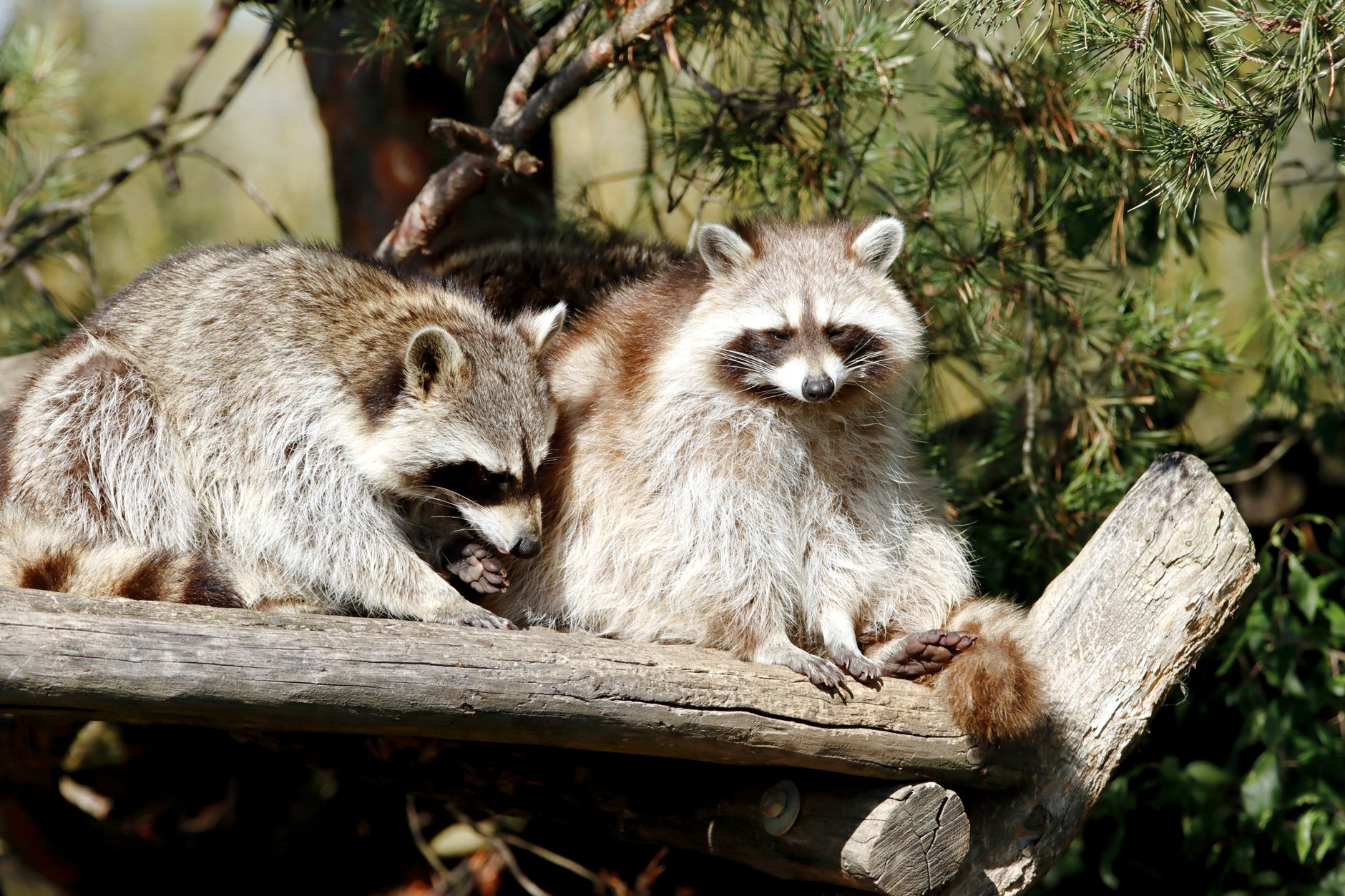
Raccoons, with their masked faces and nimble paws, are notorious for their ability to infiltrate our homes and gardens in search of food and shelter. This has led to a constant search for effective repellents, with mothballs often touted as a quick and easy solution. But do raccoons like mothball smell? The answer is more nuanced than a simple yes or no. Understanding the behavior of raccoons and the properties of mothballs is crucial to determining the effectiveness of this approach. This article delves into the facts, explores the potential benefits and drawbacks, and addresses frequently asked questions to provide a comprehensive understanding of raccoon deterrence using mothballs.
What colours are fish most attracted to?
Can you put your finger in a trout's mouth?
Is methylene blue anti bacterial?
Does aquarium salt raise pH in aquarium?
The Science Behind Mothballs and Their Odor

Mothballs are solid pesticides primarily composed of naphthalene or paradichlorobenzene. These chemicals slowly sublimate, transforming directly from a solid to a gas, releasing a strong, pungent odor that is designed to kill moths, their larvae, and other fabric-eating pests. The intensity of this odor is what many believe makes them effective raccoon repellents. The idea is that the strong smell is unpleasant enough to drive raccoons away.
Understanding Raccoon Behavior and Preferences
Raccoons are opportunistic omnivores, meaning they are not particularly picky eaters and are attracted to a wide variety of food sources. Their excellent sense of smell is key to their ability to find food, locate potential den sites, and navigate their environment. While certain smells, like those of ripe fruit or garbage, attract them, others, particularly strong, unfamiliar, or potentially harmful scents, may deter them. So, do raccoons like mothball smell?
The Effectiveness of Mothballs as Raccoon Repellents: A Closer Look
While many people report success using mothballs to deter raccoons, their effectiveness is debated. The success often depends on several factors:
- Concentration: The amount of mothballs used and the size of the area to be protected. A small amount of mothballs in a large area will likely have little to no effect.
- Placement: Mothballs need to be placed strategically in areas where raccoons frequent or where they are trying to gain access.
- Environmental Conditions: Rain and wind can quickly dissipate the mothball odor, rendering them ineffective.
- Raccoon Acclimation: Over time, raccoons may become accustomed to the smell of mothballs and no longer be deterred.
Potential Risks and Drawbacks of Using Mothballs
Using mothballs as a raccoon repellent comes with potential risks:
- Toxicity: Naphthalene and paradichlorobenzene are toxic to humans and animals. Inhalation or ingestion can cause serious health problems.
- Environmental Contamination: Mothballs can contaminate soil and water, posing a risk to the environment.
- Ineffectiveness: As mentioned earlier, mothballs are not always effective and can provide a false sense of security.
- Legality: In some areas, it is illegal to use mothballs for purposes other than their intended use (i.e., killing moths in enclosed containers). Always check local regulations before using mothballs.
Safer and More Effective Alternatives to Mothballs
There are numerous safer and often more effective alternatives to using mothballs for raccoon deterrence:
- Motion-activated lights and sprinklers: These can startle raccoons and discourage them from entering your property.
- Secure garbage cans: Use trash cans with tight-fitting lids to prevent raccoons from accessing food.
- Remove food sources: Pick up fallen fruit, clean up pet food, and eliminate other potential food sources.
- Professional Wildlife Removal: In cases of persistent raccoon problems, consider hiring a professional wildlife removal service.
| Repellent Method | Effectiveness | Safety | Cost |
|---|---|---|---|
| :————————- | :————— | :———- | :———- |
| Mothballs | Moderate | Low | Low |
| Motion-activated Sprinklers | High | High | Moderate |
| Secure Garbage Cans | High | High | Low |
| Professional Removal | Very High | Moderate | High |
Conclusion: Is Mothball Use Recommended?
While the question, “Do raccoons like mothball smell,” seems simple, the answer is more complex. Most raccoons dislike the strong odor, but mothballs are not a reliable or particularly safe solution for raccoon deterrence. Safer and more effective alternatives exist, and professional wildlife removal should be considered for persistent problems. Weigh the risks and benefits carefully before using mothballs, and always prioritize the safety of humans, pets, and the environment.
Frequently Asked Questions (FAQs)
Do mothballs actually kill raccoons?
No, mothballs are not designed to kill raccoons. While the fumes can be irritating and potentially harmful in high concentrations, they are primarily intended to repel, not eliminate the animals. They are meant to kill moths.
How many mothballs should I use to repel raccoons?
The usage is usually more than you think. Since do raccoons like mothball smell is a myth, You should not use mothballs to repel raccoons at all. You should use safe alternatives to prevent raccoons from entering your property. Because mothballs are ineffective and toxic.
Where is the best place to put mothballs to deter raccoons?
Mothballs should never be placed freely in an outdoor environment. If used at all, they should be placed in sealed containers to prevent them from contaminating the soil and water. Never put them where children or pets can access them. However, they should not be used for deterring raccoons because there are better solutions.
Are there any natural alternatives to mothballs that repel raccoons?
Yes, several natural repellents can be used to deter raccoons, including pepper spray, peppermint oil, and garlic. These can be sprayed or placed strategically around areas where raccoons frequent.
How long does the smell of mothballs last?
The duration of the mothball smell depends on several factors, including the amount used, the ventilation of the area, and the weather conditions. In open areas, the smell may dissipate within a few days or weeks. In enclosed spaces, the smell can linger for months.
Is it legal to use mothballs to repel raccoons?
The legality of using mothballs for purposes other than their intended use varies by location. In some areas, it is considered a violation of pesticide regulations. Always check your local laws before using mothballs.
What are the signs that raccoons are living in my attic?
Signs of raccoons in the attic include scratching noises, thumping sounds, foul odors, and visible droppings. You may also find damaged insulation or chewed wires.
How do I safely clean up raccoon droppings?
Raccoon droppings can carry harmful bacteria and parasites. Wear gloves and a mask, and disinfect the area with a bleach solution. Double-bag the droppings and dispose of them properly.
Will mothballs keep raccoons out of my garden?
The truth is, do raccoons like mothball smell? No. Will it keep them out of your garden? Mothballs are not a reliable solution for keeping raccoons out of your garden. They may provide temporary relief, but raccoons may quickly become accustomed to the smell.
What is the best way to prevent raccoons from getting into my garbage cans?
Use garbage cans with tight-fitting lids and secure them with bungee cords or straps. You can also place the cans inside a shed or garage. Regularly clean your garbage cans to remove food odors.
Are raccoons dangerous to humans?
Raccoons can carry rabies and other diseases that can be transmitted to humans. They may also become aggressive if they feel threatened. Avoid direct contact with raccoons and seek medical attention if you are bitten or scratched.
If mothballs are ineffective, what is the best solution for a raccoon problem?
The best solution depends on the severity of the problem. For minor issues, deterrents like motion-activated lights or sprinklers may be sufficient. For persistent or severe infestations, professional wildlife removal is the most effective option.