

How Do Falconers Trap Hawks? A Comprehensive Guide
Falconers employ a variety of humane and strategic techniques to capture wild hawks for falconry, primarily using bal-chatris and bow nets designed to attract and safely restrain the birds for relocation. This guide details how falconers trap hawks, focusing on methods that prioritize the hawk’s well-being and adhere to legal regulations.

Introduction to Trapping Hawks for Falconry
The practice of falconry, an ancient art involving the hunting of wild game with trained raptors, often begins with the capture of a suitable hawk. Understanding how falconers trap hawks is crucial, not only for aspiring falconers but also for anyone interested in raptor conservation and management. The techniques used are far from random; they are carefully planned and executed, focusing on the safety and minimal stress for the captured bird. Ethical considerations are paramount, ensuring the bird’s health and future potential for release if deemed unsuitable for falconry or after its use in hunting.

What colours are fish most attracted to?
Can you put your finger in a trout's mouth?
Is methylene blue anti bacterial?
Does aquarium salt raise pH in aquarium?
The Legal and Ethical Landscape
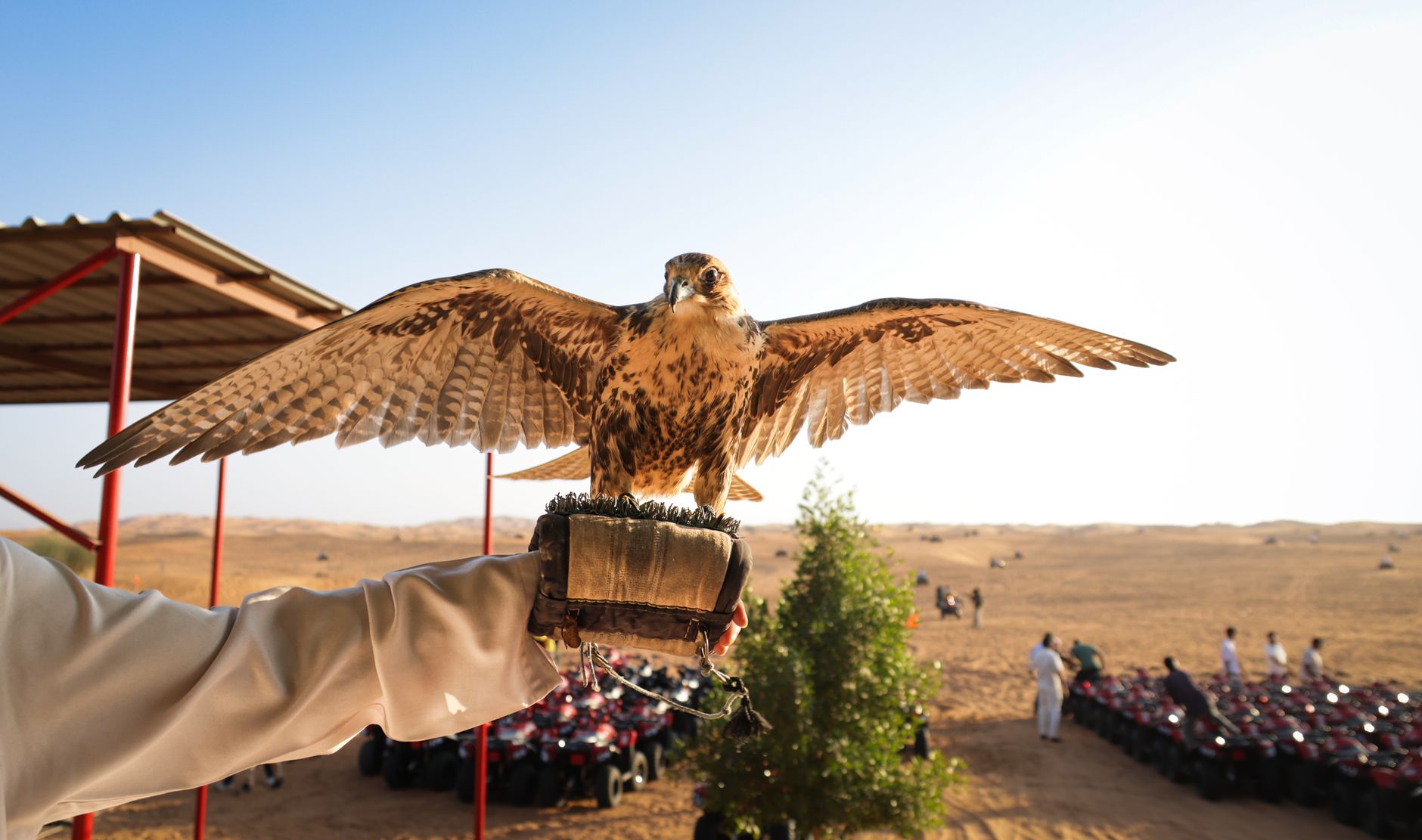
Before discussing the methods, it’s critical to address the legal and ethical dimensions. Laws governing raptor trapping vary significantly by location. It is imperative to obtain the necessary permits and licenses from your local wildlife agency. These regulations often dictate the time of year when trapping is allowed, the species that can be trapped, and the specific methods that are permissible. Ethics also play a vital role. Responsible falconers prioritize the hawk’s welfare, using humane trapping methods and ensuring the bird receives proper care after capture. Release, if a bird doesn’t fit falconry purposes or after the falconer no longer requires the hawk, is also ethically important.
Key Trapping Methods
How do falconers trap hawks? Several methods are commonly used, each with its own advantages and disadvantages:
-
Bal-Chatri Trap: This is perhaps the most widely used and safest method.
- A small cage-like structure is covered in small, strong loops of monofilament line.
- Live bait, typically a mouse, rat, or pigeon, is placed inside the cage.
- When a hawk attempts to seize the bait, its talons become entangled in the loops.
- The falconer, who is observing from a distance, approaches quickly to secure the bird.
-
Bow Net Trap: This consists of a net stretched over a bow-shaped frame.
- The net is triggered when the hawk lands on a perch or attempts to take bait placed in the center.
- The net springs up, trapping the hawk under it.
- Bow nets require careful adjustment and monitoring to ensure the hawk is not injured.
-
Noose Trap: This is a more controversial method and is becoming less common due to concerns about potential injury to the hawk.
- Small nooses made of monofilament line are placed around a bait bird.
- When the hawk attempts to take the bait, its feet become caught in the nooses.
- This method requires very close observation to minimize the time the hawk is restrained.
The Trapping Process: A Step-by-Step Guide
A successful hawk trapping venture involves meticulous planning and execution.
- Scouting: Locate areas where hawks are known to hunt or perch. Look for signs like whitewash (droppings) and discarded feathers.
- Bait Selection: Choose a bait animal that is healthy and likely to attract the target species.
- Trap Placement: Position the trap in a location that is visible to hawks but also offers some concealment. Avoid placing traps near busy roads or areas with high human activity.
- Monitoring: Observe the trap from a distance, using binoculars or a spotting scope. It’s critical to remain vigilant to prevent the hawk from remaining in the trap for an extended period.
- Retrieval: Once a hawk is caught, approach the trap calmly and quickly. Cover the hawk’s head with a towel or hood to reduce stress.
- Handling: Carefully disentangle the hawk from the trap. Assess its condition and provide any necessary first aid.
- Transport: Place the hawk in a suitable transport box lined with soft material.
- Quarantine: Isolate the new hawk in a quarantine area to observe its behavior and health, preventing the spread of any diseases to other birds.
Avoiding Common Mistakes
- Improper Trap Construction: Poorly constructed traps can injure the hawk or allow it to escape.
- Neglecting Legal Requirements: Trapping without proper permits can result in significant fines or penalties.
- Insufficient Monitoring: Failing to monitor traps closely can lead to the hawk being trapped for an extended period, causing stress and potential injury.
- Inadequate Post-Capture Care: Improper handling and housing can negatively impact the hawk’s health and ability to adapt to falconry.
The Importance of Humane Trapping
The emphasis on humane trapping methods is paramount. Falconry, at its heart, involves a close relationship between humans and raptors. Respecting the bird’s well-being is essential for maintaining that relationship and ensuring the long-term sustainability of the sport.
Ethical Considerations in Falconry
Falconers have a responsibility to treat hawks with respect and dignity, not only during the trapping process but throughout their time in captivity. This includes providing proper housing, nutrition, and training, and releasing birds back into the wild when they are no longer needed for falconry.
Frequently Asked Questions
What species of hawks are commonly trapped for falconry?
The most common species trapped for falconry in North America include the Red-tailed Hawk, the American Kestrel, and the Harris’s Hawk (though the Harris’s Hawk is less frequently trapped and more often bred in captivity). Specific species vary depending on geographic location and local regulations.
What is the purpose of using live bait in traps?
Live bait is used to attract the hawk to the trap. The sight and movement of the bait animal trigger the hawk’s natural hunting instincts, increasing the likelihood of capture.
How long should a hawk be left in a trap before it is retrieved?
Ideally, a hawk should be retrieved from a trap as soon as possible after it is captured. The maximum time should not exceed a few hours, and continuous monitoring is crucial to prevent prolonged stress or injury.
What are the potential risks of trapping hawks?
The primary risks include injury to the hawk during capture, stress from being confined, and the potential for the hawk to be exposed to predators or harsh weather conditions while in the trap.
How can falconers minimize the risk of injury to hawks during trapping?
Falconers can minimize risk by using well-designed, humane traps, carefully monitoring the traps, and quickly retrieving the hawk once it is captured. Proper handling techniques are also essential.
What should falconers do if they trap a hawk that is injured?
If a hawk is injured, falconers should immediately provide first aid and seek veterinary care from a qualified wildlife veterinarian.
Is it legal to trap any species of hawk for falconry?
No, it is not. Trapping regulations vary by location, and only certain species of hawks can be legally trapped. Falconers must obtain the necessary permits and licenses from their local wildlife agency.
What are the consequences of trapping hawks illegally?
Trapping hawks illegally can result in significant fines, imprisonment, and the loss of falconry licenses.
How do falconers determine if a trapped hawk is suitable for falconry?
Falconers assess several factors, including the hawk’s age, health, temperament, and physical condition. They may also consider the hawk’s hunting skills and its ability to adapt to captivity.
What happens to hawks that are trapped but not suitable for falconry?
Hawks that are not suitable for falconry are released back into the wild in the same location where they were trapped, if they are healthy and able to survive on their own.
How do falconers ensure that trapped hawks are properly cared for after capture?
Falconers provide trapped hawks with proper housing, nutrition, and veterinary care. They also begin the process of training the hawk to hunt with them.
How does trapping hawks for falconry affect wild hawk populations?
When conducted responsibly and according to regulations, trapping hawks for falconry is not believed to have significant negative impacts on wild hawk populations. Regulated trapping considers population levels and harvest limits to ensure sustainability. However, it is essential that regulations and ethics are prioritized to maintain stable hawk numbers.