

Can You Fight Back Against a Goose? The Surprising Truth
The answer is complex, but generally, yes, you can fight back against a goose, but carefully and only when necessary for self-defense. It’s more about deterrence and understanding goose behavior than engaging in a full-blown brawl.

Understanding Goose Aggression
Geese, particularly Canada geese, are known for their territorial and protective nature. This aggression is often heightened during nesting season (typically spring) when they are guarding their eggs and young goslings. Understanding why a goose might attack is the first step in knowing how to respond. Factors contributing to goose aggression include:
- Proximity to nests: Geese are fiercely protective of their nests and will defend them aggressively.
- Presence of goslings: Similar to nests, geese will defend their young against perceived threats.
- Feeling threatened: If a goose feels cornered or believes you pose a danger, it may initiate an attack as a preemptive defense.
- Habituation to humans: In areas where geese are frequently fed by humans, they may lose their natural fear and become more assertive in seeking food.

Is distilled water good for goldfish?
What colours are fish most attracted to?
Can you put your finger in a trout's mouth?
Is methylene blue anti bacterial?
Effective Strategies for Goose Deterrence
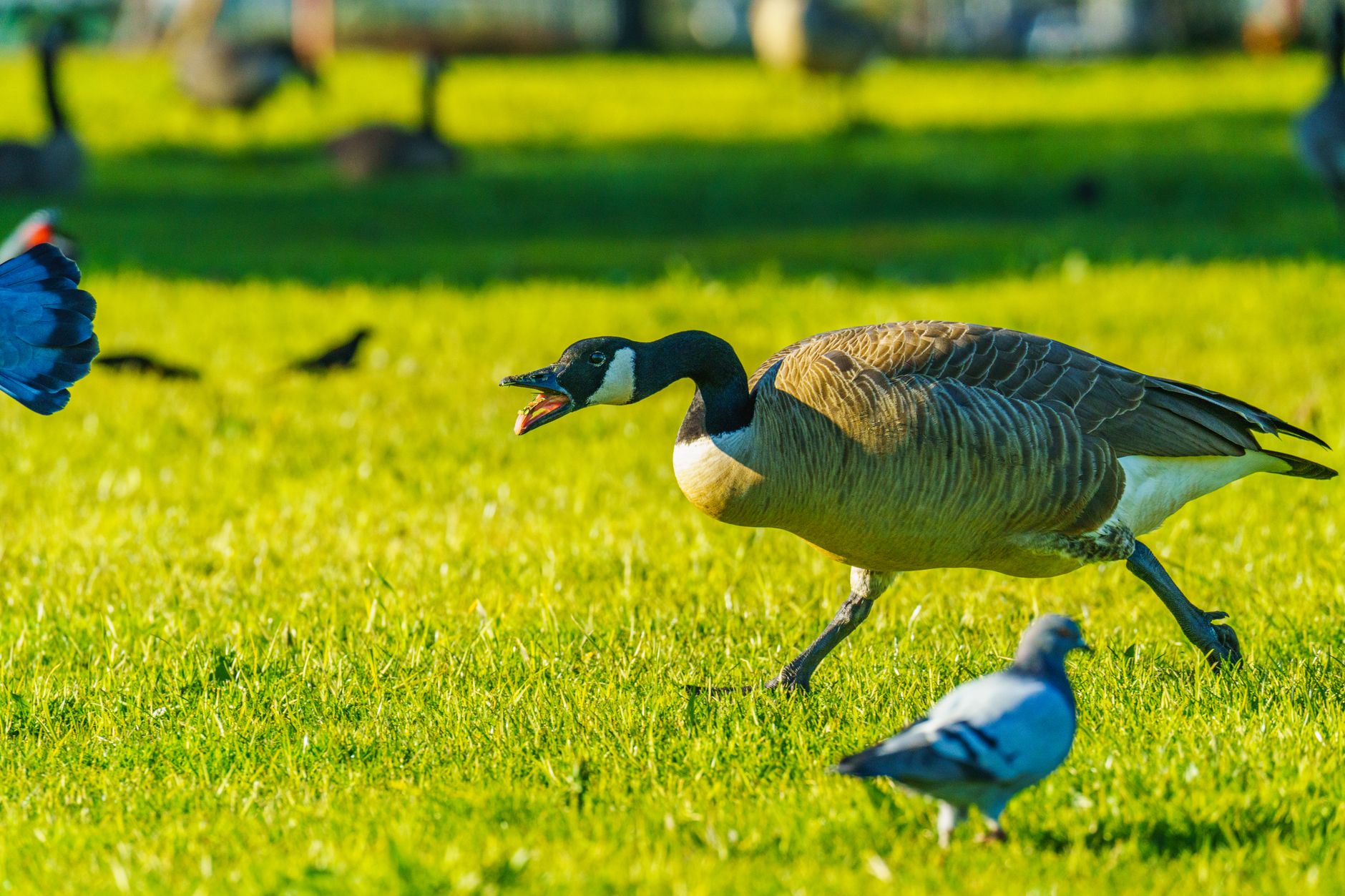
The best way to “fight back” against a goose is often to avoid a confrontation in the first place. Here are several preventative and reactive strategies:
- Avoidance: The simplest and most effective method is to give geese a wide berth, especially during nesting season.
- Making Noise: Loud noises, such as shouting or clapping, can startle a goose and discourage it from approaching.
- Maintaining Eye Contact: Staring at a goose can sometimes deter it, as it perceives this as a challenge.
- Using Height: Raising your arms or holding an object above your head can make you appear larger and more intimidating.
When Self-Defense is Necessary
In situations where a goose becomes aggressive and poses an immediate threat, self-defense may become necessary. Remember that the goal is to deter the goose, not to injure it.
- Maintain your ground: Do not run away, as this can trigger a chase response.
- Block the goose with an object: Use a bag, backpack, or even a jacket to create a barrier between you and the goose.
- Use a firm voice: Clearly and firmly tell the goose to “Go away!” or “Back off!”
- If necessary, use a gentle push: If the goose continues to advance, a gentle push with your foot or hand may be required to create distance. Avoid kicking or striking the goose aggressively.
- Retreat Slowly: Once the goose has retreated, back away slowly while maintaining eye contact.
Legal Considerations and Ethical Responsibility
Before considering any form of “fighting back,” it’s important to understand the legal protections afforded to geese. In many jurisdictions, Canada geese are protected under migratory bird treaties, which can impose significant penalties for harming or killing them. It’s crucial to prioritize non-lethal methods and only resort to self-defense when absolutely necessary. Always check with your local wildlife authorities for specific regulations. Ethical considerations should also guide your actions. We share our environment with these animals, and it’s our responsibility to coexist peacefully and respectfully.
Common Mistakes to Avoid
- Feeding Geese: Feeding geese habituates them to humans and encourages aggressive behavior.
- Approaching Nests: Getting too close to a goose nest is a sure way to provoke an attack.
- Running Away: Running away can trigger a chase response, making the situation worse.
- Using Excessive Force: Avoid any action that could seriously injure or kill the goose.
- Underestimating Goose Behavior: Recognize the signs of aggression and take proactive measures to avoid a confrontation.
Comparing Goose Deterrents
| Method | Effectiveness | Cost | Ethical Considerations |
|---|---|---|---|
| Avoidance | High | Low | Excellent |
| Noise (Shouting) | Moderate | Low | Good |
| Eye Contact | Moderate | Low | Excellent |
| Raising Arms | Moderate | Low | Excellent |
| Blocking with Object | High | Low | Good |
| Gentle Push | Variable | Low | Fair |
Frequently Asked Questions
Is it ever okay to harm a goose?
Generally, it is never okay to harm a goose unless you are in immediate danger and have no other option. Self-defense is the only justifiable reason, and even then, the goal should be to deter the goose, not to inflict injury. Remember to check local regulations regarding protected species.
What is the best way to protect my dog from a goose attack?
Keep your dog on a leash in areas where geese are present, especially during nesting season. If a goose approaches aggressively, pull your dog close and use your body to create a barrier. Loud noises and assertive commands can also help deter the goose. Training your dog to ignore geese is also a worthwhile preventative measure.
How do I deter geese from nesting on my property?
Several methods can discourage geese from nesting on your property, including: harassment techniques (like using noisemakers or spray bottles of water), installing fencing or netting, and using goose repellent products. Consult with wildlife professionals for tailored advice. Removing the nest without authorization may be illegal.
What should I do if a goose bites me?
If a goose bites you, wash the wound thoroughly with soap and water. Apply an antiseptic and cover the wound with a clean bandage. Seek medical attention if the bite is deep, causes excessive bleeding, or shows signs of infection.
Are some breeds of geese more aggressive than others?
While individual personalities vary, some breeds of geese, such as Canada geese and Embden geese, are generally known for their more territorial and protective behavior. These breeds are more likely to exhibit aggression, especially during nesting season.
Does the time of year affect goose aggression?
Yes, goose aggression is significantly higher during nesting season, which typically occurs in the spring. During this time, geese are fiercely protective of their nests and young and are more likely to attack perceived threats.
Is it true that geese remember faces and will hold a grudge?
While geese have good memories and can recognize individuals, the idea that they “hold a grudge” is an oversimplification. They are more likely to associate certain people with negative experiences, making them more wary or aggressive in their presence.
Can you fight back against a goose with an umbrella or walking stick?
Using an umbrella or walking stick to create a barrier between you and the goose can be an effective deterrent. Waving the object or using it to gently block the goose’s path can discourage it from approaching. Avoid using the object to strike the goose.
What is the best way to teach children to avoid conflict with geese?
Teach children to give geese plenty of space and to never approach or feed them. Explain that geese are wild animals and can be aggressive, especially when protecting their young. Encourage them to make noise or wave their arms if a goose approaches.
Are there professionals who can help manage aggressive goose populations?
Yes, wildlife control professionals and humane goose management services specialize in managing goose populations and mitigating conflicts between geese and humans. They can implement various strategies, such as habitat modification, nest management, and relocation (where permitted).
What are the signs that a goose is about to attack?
Signs of impending goose aggression include hissing, honking loudly, lowering its head, spreading its wings, and charging. Recognizing these signals can help you take proactive measures to avoid a full-blown attack.
How can I support ethical goose management practices in my community?
Support local organizations that advocate for humane goose management strategies and educate your community about responsible coexistence with geese. Avoid feeding geese and encourage others to do the same. Advocate for policies that prioritize non-lethal methods of goose control.