

How Dogs Show Jealousy: Understanding Canine Protective Behavior
Dogs display jealousy through a variety of behaviors, often triggered by perceived threats to their bond with their owners; these behaviors can range from subtle attention-seeking to more overt displays of aggression aimed at the perceived rival, whether human or animal, ultimately showing how do dogs show jealousy.

Introduction: The Green-Eyed Monster in Your Dog
The concept of jealousy is often considered a complex human emotion, but the question of whether animals experience it has captivated scientists and pet owners alike for years. While we can’t definitively know what a dog is feeling, observing their behavior can offer valuable insight. When a dog perceives a threat to its bond with its owner, it can exhibit a range of behaviors that strongly suggest jealousy. Understanding these behaviors is crucial for maintaining a harmonious household and addressing potential underlying issues. We want to explore how do dogs show jealousy, from the subtle signs to more concerning displays.
What colours are fish most attracted to?
Can you put your finger in a trout's mouth?
Is methylene blue anti bacterial?
Does aquarium salt raise pH in aquarium?
The Science Behind Canine Jealousy
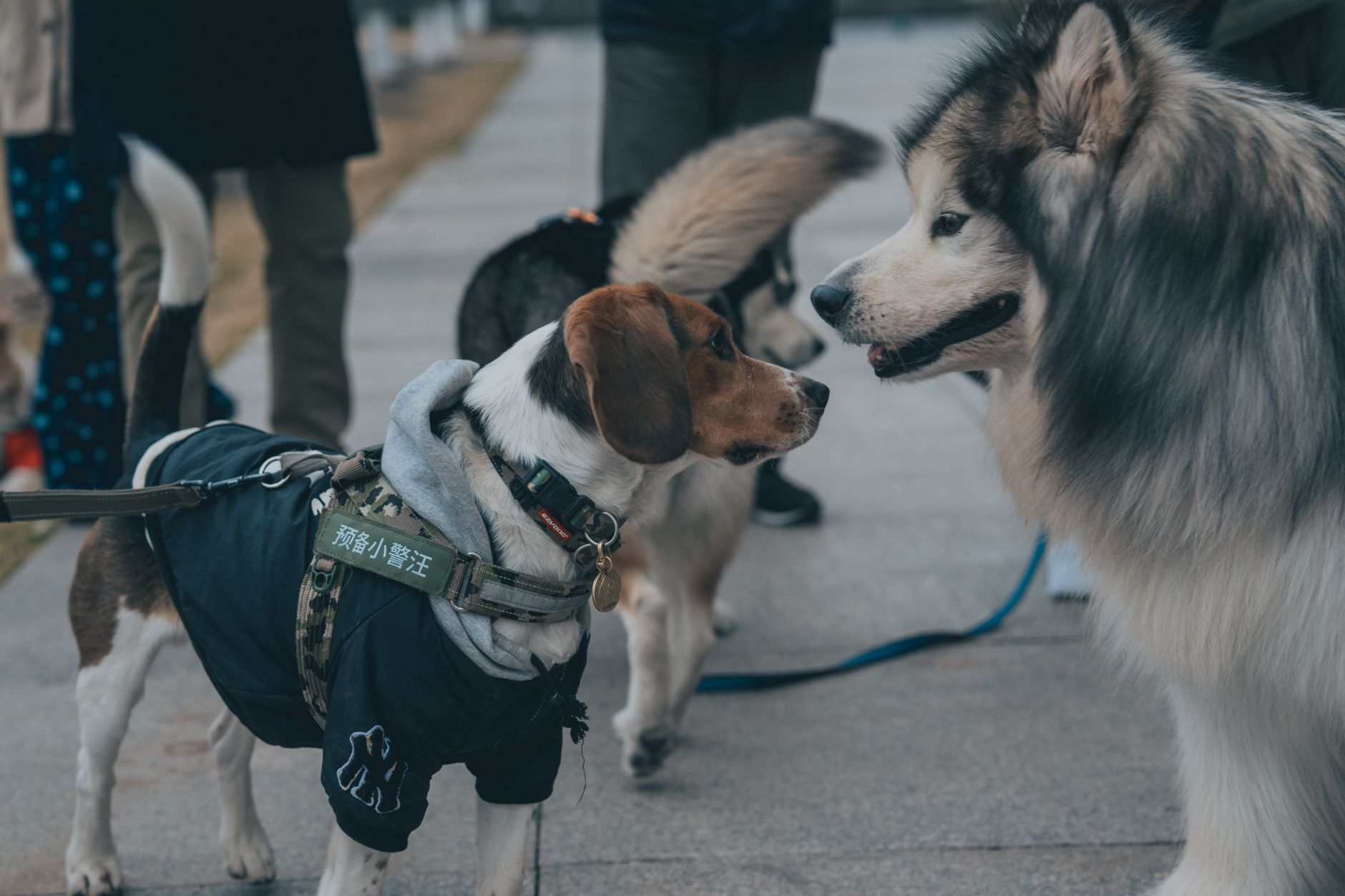
Research suggests that dogs aren’t simply displaying possessiveness, but are genuinely reacting to the perceived threat of losing their owner’s attention. Studies using observational methods have demonstrated that dogs display more disruptive behaviors when their owners interact with a fake dog than when they interact with inanimate objects. This suggests that the rivalry is a key factor. The neurological basis for this is still being explored, but it’s likely connected to the social bonding and attachment systems in the canine brain.
Common Behaviors Associated with Jealousy
How do dogs show jealousy? Here are some of the most frequently observed behaviors:
- Attention-Seeking: Nudging, pawing, barking, jumping, and following the owner closely.
- Physical Blocking: Positioning themselves between the owner and the perceived rival.
- Aggression: Growling, snapping, lunging, or even biting (rare, but possible in extreme cases).
- Whining or Crying: Expressing distress and seeking reassurance.
- Demanding Behavior: Constantly bringing toys or wanting to play.
- Ignoring the “Rival”: Giving the perceived competition the cold shoulder.
Identifying Triggers for Jealous Behavior
Certain situations are more likely to trigger jealousy in dogs. These often involve a change in the household dynamic or a perceived threat to the dog’s relationship with its owner. Common triggers include:
- Bringing a new baby or pet into the home.
- Spending more time with a new partner.
- Giving attention to another animal in the household.
- Changes in the owner’s routine or availability.
- Lack of socialisation or perceived insecurity.
Managing and Preventing Jealousy in Dogs
Preventing jealousy is always better than treating it. Here are some steps you can take:
- Early Socialization: Expose your dog to a variety of people and animals from a young age.
- Positive Reinforcement Training: Teach your dog basic obedience commands using positive reinforcement techniques.
- Equal Attention: Ensure your dog receives adequate attention, affection, and exercise.
- Gradual Introductions: Introduce new pets or family members slowly and carefully.
- Create a Safe Space: Provide your dog with a comfortable and secure space where they can retreat when feeling overwhelmed.
- Avoid Reinforcing Jealous Behavior: Do not reward attention-seeking behaviors when they occur in response to a perceived rival. Instead, redirect their attention to a different activity.
When to Seek Professional Help
If your dog’s jealous behavior is severe, persistent, or escalating, it’s important to seek professional help from a certified dog trainer or veterinary behaviorist. These professionals can help you identify the underlying causes of the behavior and develop a customized treatment plan. In some cases, medication may be necessary to manage anxiety or aggression.
Comparison of Jealous vs Possessive Behaviors
While both jealousy and possessiveness involve guarding resources, they differ in their underlying motivation and manifestation.
| Feature | Jealousy | Possessiveness |
|---|---|---|
| Trigger | Perceived threat to a relationship | Perceived threat to a resource (e.g., toy) |
| Focus | Protecting the bond with the owner | Protecting a specific item or territory |
| Target | The person or animal receiving attention | Anyone approaching the protected resource |
| Primary Emotion | Fear of losing the owner’s affection | Anxiety about losing the resource itself |
Frequently Asked Questions (FAQs)
Can all dogs experience jealousy?
While all dogs are capable of displaying behaviors that resemble jealousy, the extent to which they experience the emotion may vary depending on their individual personality, breed, and past experiences. Not all dogs will display jealousy in the same way or to the same degree.
How can I tell the difference between jealousy and dominance?
Jealousy is driven by fear of losing attention, while dominance is about establishing social hierarchy. While both can result in aggressive behaviors, the underlying motivation differs. Look at the context: is the behavior related to another individual receiving attention, or is it about controlling a resource or situation?
Is it possible to eliminate jealousy in dogs completely?
Completely eliminating jealousy may not be possible, but it can be managed and minimized with proper training, socialization, and management. Focus on building a strong bond with your dog and addressing any underlying insecurities.
My dog is only jealous of my partner. What should I do?
This is a common issue. Ensure that both you and your partner are actively involved in your dog’s care and training. Encourage positive interactions between your dog and your partner, and avoid inadvertently reinforcing jealous behavior.
What are the signs of jealousy in puppies?
Puppies may exhibit jealousy through whining, nipping, or trying to get between you and another person or pet. Early socialization and positive reinforcement training are crucial for preventing these behaviors from becoming ingrained.
Can jealousy cause anxiety in dogs?
Yes, jealousy can absolutely contribute to anxiety in dogs. The constant fear of losing attention or affection can lead to chronic stress and anxiety-related behaviors.
Are certain dog breeds more prone to jealousy?
While any dog can experience jealousy, some breeds that are known for their strong loyalty and attachment to their owners may be more prone to exhibiting jealous behaviors.
How do I introduce a new baby to my jealous dog?
Introduce the baby’s scent before the baby arrives home. Once the baby is home, allow your dog to approach the baby calmly and supervised. Reward calm behavior and ensure your dog continues to receive attention and affection.
My dog is growling at my other dog when I pet them. Is this jealousy?
Yes, this is a classic sign of jealousy. Your dog is likely perceiving the other dog as a threat to your attention. Seek professional help if the growling escalates.
How can I redirect my dog’s attention when they are showing jealous behavior?
Offer a favorite toy, engage in a training session, or take your dog for a walk. The goal is to distract them from the perceived threat and redirect their energy into a more positive activity.
Is it okay to scold my dog when they are acting jealous?
Scolding your dog is not recommended. This can increase their anxiety and potentially worsen the problem. Focus on positive reinforcement and redirection instead.
Will medication help with my dog’s jealousy?
In some cases, a veterinarian may prescribe anti-anxiety medication to help manage the underlying anxiety that contributes to jealous behavior. However, medication should always be used in conjunction with behavior modification techniques.