
What Does it Mean if Shrimp Smells Like Ammonia?
If shrimp smells like ammonia, it’s a sign of spoilage and is unsafe to eat. This ammonia smell indicates bacterial decomposition has progressed to a dangerous level.

Introduction: A Nose Knows What’s Wrong with Shrimp
Seafood, particularly shrimp, is a delicious and nutritious addition to any diet. However, its delicate nature makes it highly susceptible to spoilage. While some seafood aromas are perfectly normal, an ammonia smell emanating from shrimp is a clear warning sign. Understanding the science behind this odor can help you make informed decisions and avoid food poisoning. What does it mean if shrimp smells like ammonia? It’s a critical question to answer before you consume it.
The Science Behind the Ammonia Smell
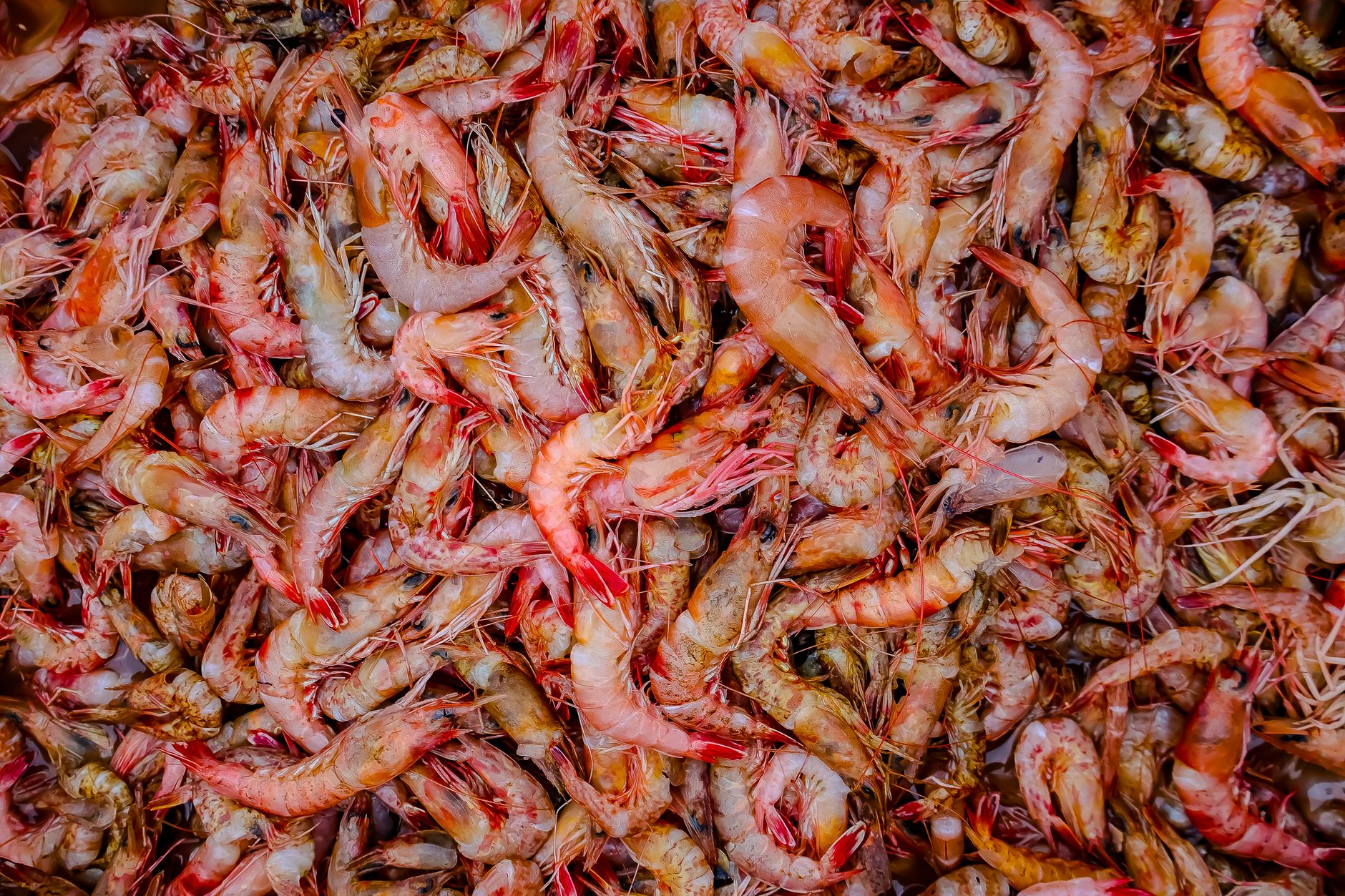
The decomposition process in seafood is complex, involving various enzymes and bacteria. Shrimp, being rich in amino acids, is a prime target for these agents. When shrimp spoils, bacteria break down these amino acids, leading to the production of volatile compounds, including ammonia.
- Enzymatic Activity: Enzymes naturally present in shrimp begin to break down proteins immediately after harvest.
- Bacterial Growth: Bacteria, especially those adapted to cold environments, thrive on shrimp.
- Ammonia Production: As bacteria consume amino acids, they release ammonia as a byproduct.
Stages of Shrimp Spoilage
Shrimp spoilage is a gradual process, and the ammonia smell is a late-stage indicator. Recognizing the early signs of spoilage can help you avoid consuming shrimp that is already past its prime.
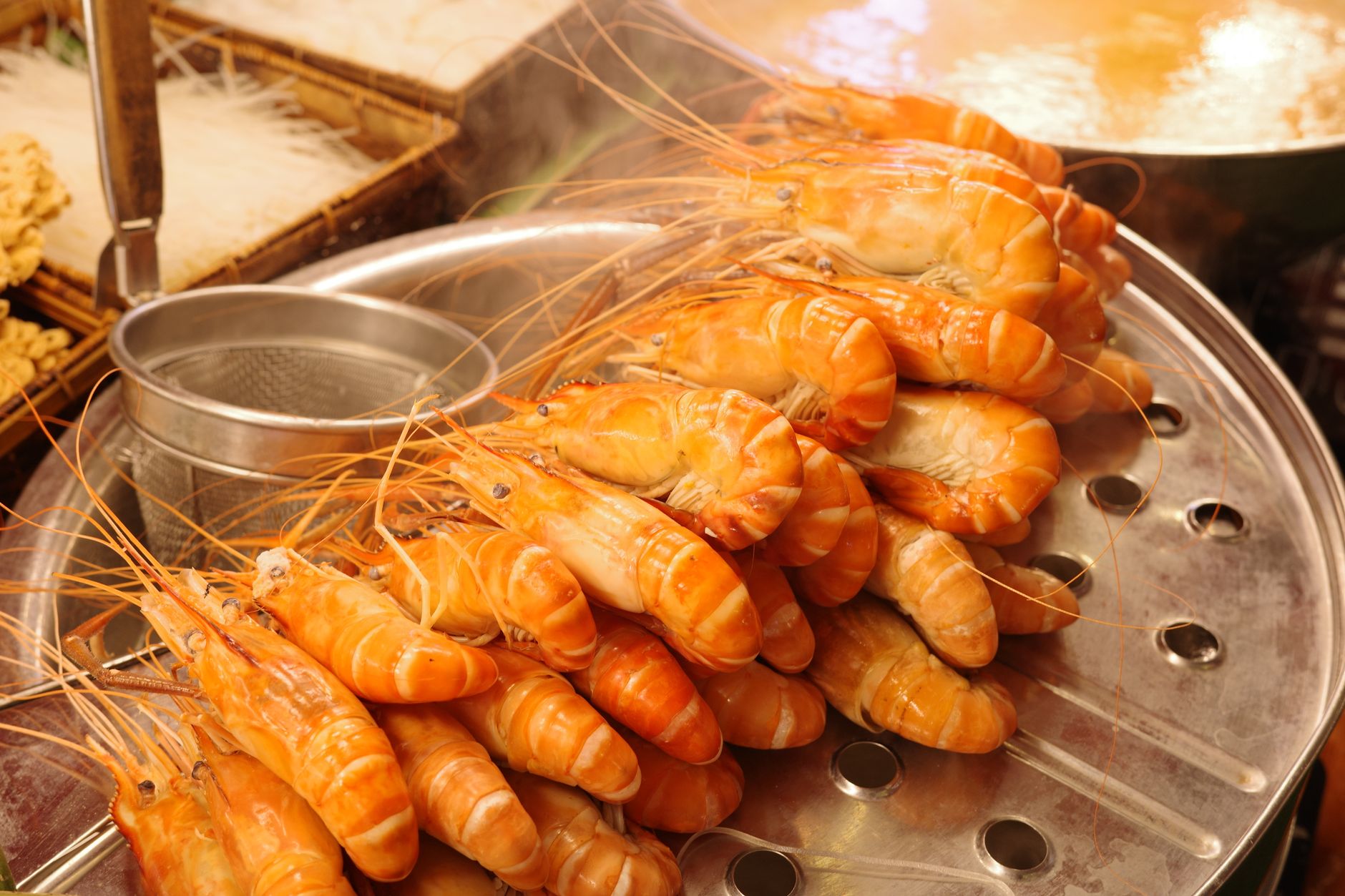
- Fresh Shrimp: Should have a mild, sea-like aroma. The flesh should be firm and translucent.
- Slight Spoilage: May exhibit a slight odor, perhaps a bit fishy, but not ammonia. The texture might be slightly softer.
- Advanced Spoilage: Characterized by a strong ammonia smell, slimy texture, and discoloration.
Why is Ammonia-Smelling Shrimp Dangerous?
Consuming spoiled shrimp can lead to food poisoning. While the ammonia itself might not be the direct cause of illness, its presence indicates the presence of harmful bacteria and toxins. These can cause a range of symptoms, from mild gastrointestinal discomfort to severe illness requiring medical attention.
- Bacterial Toxins: Bacteria produce various toxins during decomposition, which can cause illness.
- Gastrointestinal Distress: Symptoms include nausea, vomiting, diarrhea, and abdominal cramps.
- Potential for Severe Illness: In some cases, food poisoning can lead to hospitalization and even life-threatening complications.
Prevention is Key: Proper Handling and Storage
Preventing shrimp spoilage is crucial to ensure food safety. Following these guidelines can help you keep your shrimp fresh for longer:
- Purchase: Buy shrimp from a reputable source.
- Storage: Refrigerate shrimp immediately upon arrival at home. Store it in the coldest part of the refrigerator, ideally between 32°F and 40°F (0°C and 4°C).
- Packaging: Store shrimp in airtight containers or tightly sealed bags to prevent contamination.
- Thawing: Thaw frozen shrimp in the refrigerator, not at room temperature. Alternatively, you can thaw it under cold running water.
- Cooking: Cook shrimp thoroughly to an internal temperature of 145°F (63°C).
- Smell Test: Always perform a smell test before cooking or consuming shrimp. If it smells like ammonia, discard it.
Other Warning Signs of Spoilage
While the ammonia smell is a definitive sign of spoilage, be on the lookout for other indicators:
- Slimy Texture: Spoiled shrimp often feels slimy to the touch.
- Discoloration: Look for discoloration, such as black spots or a dull, greyish appearance.
- Unpleasant Odor: Any strong, unpleasant odor, even if not specifically ammonia, should raise a red flag.
Can You Cook Away the Ammonia Smell?
No. Cooking will not eliminate the harmful bacteria and toxins present in spoiled shrimp. In fact, heating spoiled shrimp may even intensify the odor. Discard any shrimp that smells like ammonia, regardless of whether it is raw or cooked.
Summary of Key Spoilage Indicators
| Feature | Fresh Shrimp | Spoiled Shrimp |
|---|---|---|
| Smell | Mild, sea-like | Strong ammonia smell, unpleasant odor |
| Texture | Firm, translucent | Slimy, soft |
| Color | Bright, natural | Discolored, black spots, greyish tint |
| Overall Appearance | Appealing, fresh | Unappetizing, questionable |

Frequently Asked Questions (FAQs)
Is it safe to eat shrimp that smells slightly fishy?
A slight fishy smell can be normal, especially if the shrimp has been stored for a day or two. However, trust your instincts. If you are unsure, it’s always better to err on the side of caution and discard the shrimp. A key difference is if the smell turns pungent and reminds you of ammonia; then it’s certainly unsafe to consume.
Can freezing shrimp prevent spoilage indefinitely?
Freezing shrimp significantly slows down the rate of spoilage, but it doesn’t stop it completely. Even frozen shrimp can deteriorate over time. It’s generally recommended to consume frozen shrimp within 3-6 months for optimal quality and safety. The faster you freeze it, and the colder you store it, the better.
What if the shrimp only smells like ammonia after I cook it?
If the shrimp only develops an ammonia smell after cooking, it’s possible the spoilage process was just beginning before cooking. It could also be that the cooking process intensified the volatile ammonia compound, making it more noticeable. Regardless, it’s best to discard the cooked shrimp to avoid any potential health risks.
Can I remove the ammonia smell by rinsing the shrimp?
Rinsing shrimp might temporarily mask the ammonia smell, but it will not eliminate the bacteria or toxins causing the spoilage. The odor will likely return soon after, and the shrimp will still be unsafe to eat. Rinsing does not address the root cause of the problem.
How can I tell the difference between a fishy smell and an ammonia smell?
A fishy smell is a natural, marine-like odor that is expected from fresh seafood. An ammonia smell, on the other hand, is a sharp, pungent odor that resembles cleaning products or urine. It’s usually quite distinct and should not be confused with the typical scent of seafood.
Is it possible to get food poisoning from slightly spoiled shrimp even if it doesn’t smell strongly of ammonia?
Yes, it is possible. Food poisoning can occur even with slightly spoiled shrimp that doesn’t have a strong ammonia odor. That’s why it’s essential to consider all the warning signs, including texture, color, and overall appearance. If you are unsure, it’s best not to risk it.
What are the symptoms of food poisoning from spoiled shrimp?
Symptoms of food poisoning from spoiled shrimp typically include nausea, vomiting, diarrhea, abdominal cramps, and fever. These symptoms can appear anywhere from a few hours to a few days after consuming the contaminated shrimp. If symptoms are severe, seek medical attention.
Does marinating shrimp help preserve it?
Marinating shrimp does not prevent spoilage. While some marinades might have antibacterial properties, they are not strong enough to stop the growth of spoilage bacteria completely. Always store marinated shrimp in the refrigerator and consume it within a short timeframe.
Can I trust the “use by” date on shrimp packaging?
While “use by” or “sell by” dates are helpful guidelines, they are not foolproof indicators of freshness. It’s always essential to use your senses – sight, smell, and touch – to assess the quality of the shrimp before consuming it.
What should I do if I accidentally ate shrimp that smelled slightly of ammonia?
If you accidentally consumed shrimp that smelled slightly of ammonia, monitor yourself for any signs of food poisoning. Stay hydrated and avoid consuming any other potentially contaminated food. If you experience severe symptoms, consult a doctor immediately.
Is it safe to feed shrimp that slightly smells like ammonia to my pets?
No, it is not safe to feed spoiled shrimp to your pets. Just as with humans, spoiled food can cause illness in animals. Dispose of the shrimp properly so that pets cannot access it.
What does it mean if shrimp smells like ammonia, compared to other spoiled seafood like fish?
The ammonia smell in shrimp, as with other seafood, indicates advanced decomposition. The type of compounds produced during spoilage can vary slightly between different types of seafood. What does it mean if shrimp smells like ammonia? It means the shrimp has spoiled significantly and must be discarded.