

What Was the Largest Parrot Extinct? Unveiling the Gigantic Heracles inexpectatus
The Heracles inexpectatus was by far the largest parrot extinct, a flightless giant native to New Zealand. Its estimated size rivals that of the Kakapo, but its extinction leaves a significant gap in our understanding of parrot evolution.

Unveiling the Heracles inexpectatus: A Lost Giant
The discovery of Heracles inexpectatus in 2008, though the fossil wasn’t fully appreciated until later, significantly altered our understanding of parrot evolution and the ecological niches they once occupied. This behemoth provides valuable insights into the unique fauna of prehistoric New Zealand and raises compelling questions about the factors that led to its demise.
New Zealand: A Paradise of Flightless Birds
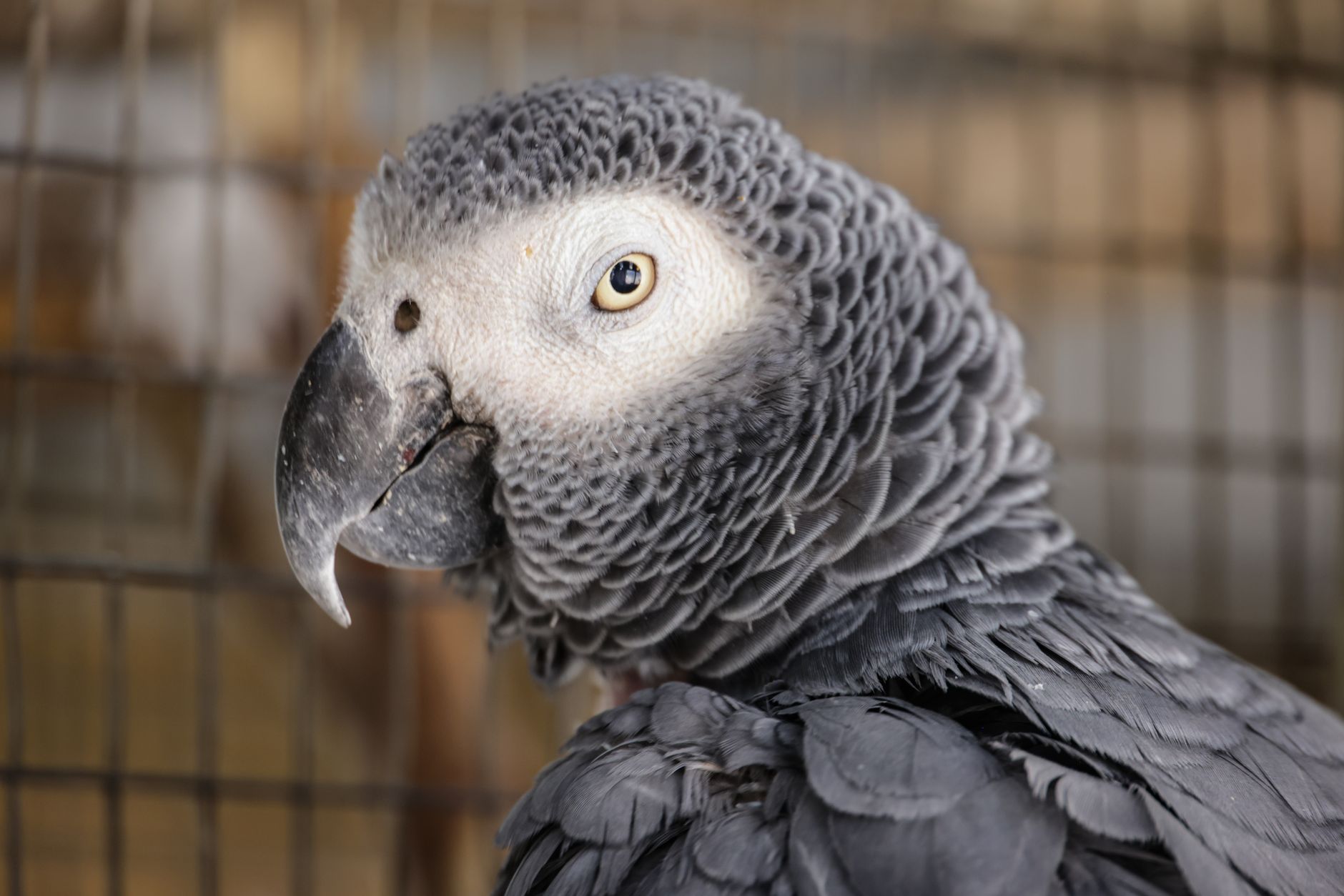
New Zealand’s long period of geographic isolation fostered the evolution of remarkable and unique bird species, many of which, like the Moa and Kiwi, became flightless. The absence of mammalian predators allowed birds to fill a variety of ecological roles, leading to diversification and the evolution of extremely large forms. The Heracles inexpectatus is a prime example of this phenomenon, suggesting that parrots, too, explored the limits of size and flightlessness in this unusual environment.
Estimating the Size and Capabilities of Heracles
Based on the fossilized remains, primarily the tibiotarsus (lower leg bone), scientists estimate that Heracles inexpectatus stood approximately 1 meter (3.3 feet) tall and weighed around 7 kilograms (15.4 pounds). This made it roughly twice the size of the Kakapo, currently the heaviest living parrot. The Heracles was likely flightless or at least a very poor flyer, a characteristic likely linked to its immense size. While its beak structure suggests a diet similar to other parrots – fruits, seeds, nuts, and possibly even invertebrates – its sheer size hints at the possibility of consuming larger and tougher food items.
The Extinction of Heracles inexpectatus
The exact reasons for the extinction of Heracles inexpectatus remain unknown, but several factors likely contributed.
- Habitat Loss: Changes in New Zealand’s environment over time could have reduced suitable habitat.
- Climate Change: Fluctuations in temperature and precipitation could have impacted food sources and breeding success.
- Arrival of Predators: While New Zealand lacked native mammalian predators for much of its history, the eventual arrival of humans and introduced mammals (rats, cats, dogs) likely played a significant role in the decline of many native species, including Heracles.
- Competition: Competition with other birds for resources may have also contributed to its extinction.
The Significance of the Discovery
The discovery of Heracles inexpectatus is significant for several reasons:
- It demonstrates the incredible diversity of parrot evolution.
- It highlights the unique evolutionary pathways taken by birds in isolated environments like New Zealand.
- It underscores the impact of human activity and introduced species on vulnerable ecosystems.
- It provides valuable insights into the ecological dynamics of prehistoric New Zealand.
What is the largest parrot extinct? A summary of the key points:
The Heracles inexpectatus was the largest parrot extinct, dwarfing even the Kakapo and providing insights into the evolution of giant, flightless birds in New Zealand. The Heracles inexpectatus‘s extinction highlights the fragility of island ecosystems and the impact of human activity on vulnerable species.

What is the scientific name of the largest parrot extinct?
The scientific name of the largest parrot extinct is Heracles inexpectatus. The name “Heracles” refers to the Greek mythological hero Hercules, referencing the bird’s immense size and strength, while “inexpectatus” means “unexpected,” reflecting the surprise discovery of such a large parrot fossil.
When did Heracles inexpectatus live?
Heracles inexpectatus lived during the Miocene epoch, approximately 19 to 16 million years ago. This period predates the arrival of humans and most introduced mammals in New Zealand.
Where were the fossils of Heracles inexpectatus found?
The fossils of Heracles inexpectatus were discovered in Central Otago, New Zealand. Specifically, the fossil was found in the Saint Bathans Fauna, a rich fossil deposit known for its diverse collection of prehistoric bird and reptile remains.
How does Heracles inexpectatus compare to the Kakapo?
Heracles inexpectatus was significantly larger than the Kakapo, the heaviest living parrot. Heracles stood approximately 1 meter tall and weighed around 7 kg, while the Kakapo typically reaches a height of 60 cm and weighs between 2-4 kg. Heracles was much larger.
Was Heracles inexpectatus able to fly?
Based on its size and the structure of its bones, it is believed that Heracles inexpectatus was either flightless or a very poor flyer. Its large size would have made sustained flight challenging, similar to other giant, flightless birds.
What did Heracles inexpectatus eat?
While the exact diet of Heracles inexpectatus remains speculative, scientists believe it likely consumed a variety of plant-based foods, including fruits, seeds, and nuts. Given its size and powerful beak, it may have also been able to process larger and tougher food items than smaller parrots. Some hypothesize it could have consumed small animals and carrion.
What caused the extinction of Heracles inexpectatus?
The exact causes of the Heracles inexpectatus‘s extinction are unknown, but likely involved a combination of factors, including habitat loss, climate change, and the arrival of predators. Competition with other birds may have also played a role.
How does the discovery of Heracles change our understanding of parrot evolution?
The discovery of Heracles inexpectatus demonstrates that parrots were capable of evolving into much larger and more diverse forms than previously thought. It challenges the assumption that the Kakapo represents the upper limit of parrot size and highlights the influence of island ecosystems on avian evolution.
Are there any other giant extinct parrots besides Heracles inexpectatus?
While Heracles inexpectatus is the largest known extinct parrot, other large parrot species have existed in the past. However, none approached the size and weight of Heracles.
What is the significance of the Saint Bathans Fauna where Heracles was discovered?
The Saint Bathans Fauna is a significant fossil deposit that provides a glimpse into the Miocene-era ecosystem of New Zealand. It has yielded a wealth of fossils, including birds, reptiles, and mammals, that shed light on the unique evolutionary history of the region.
Could Heracles inexpectatus be resurrected or cloned?
Unfortunately, the DNA of Heracles inexpectatus is likely too degraded to allow for successful cloning. The fossil record is often incomplete, and preserving genetic material over millions of years is extremely challenging. Resurrection of the largest parrot extinct is not currently possible.
What can we learn from the extinction of Heracles inexpectatus?
The extinction of Heracles inexpectatus serves as a reminder of the fragility of island ecosystems and the importance of conservation efforts. It highlights the impact of human activity and introduced species on vulnerable species and underscores the need to protect biodiversity. Understanding why the Heracles inexpectatus became extinct can inform current conservation strategies.