
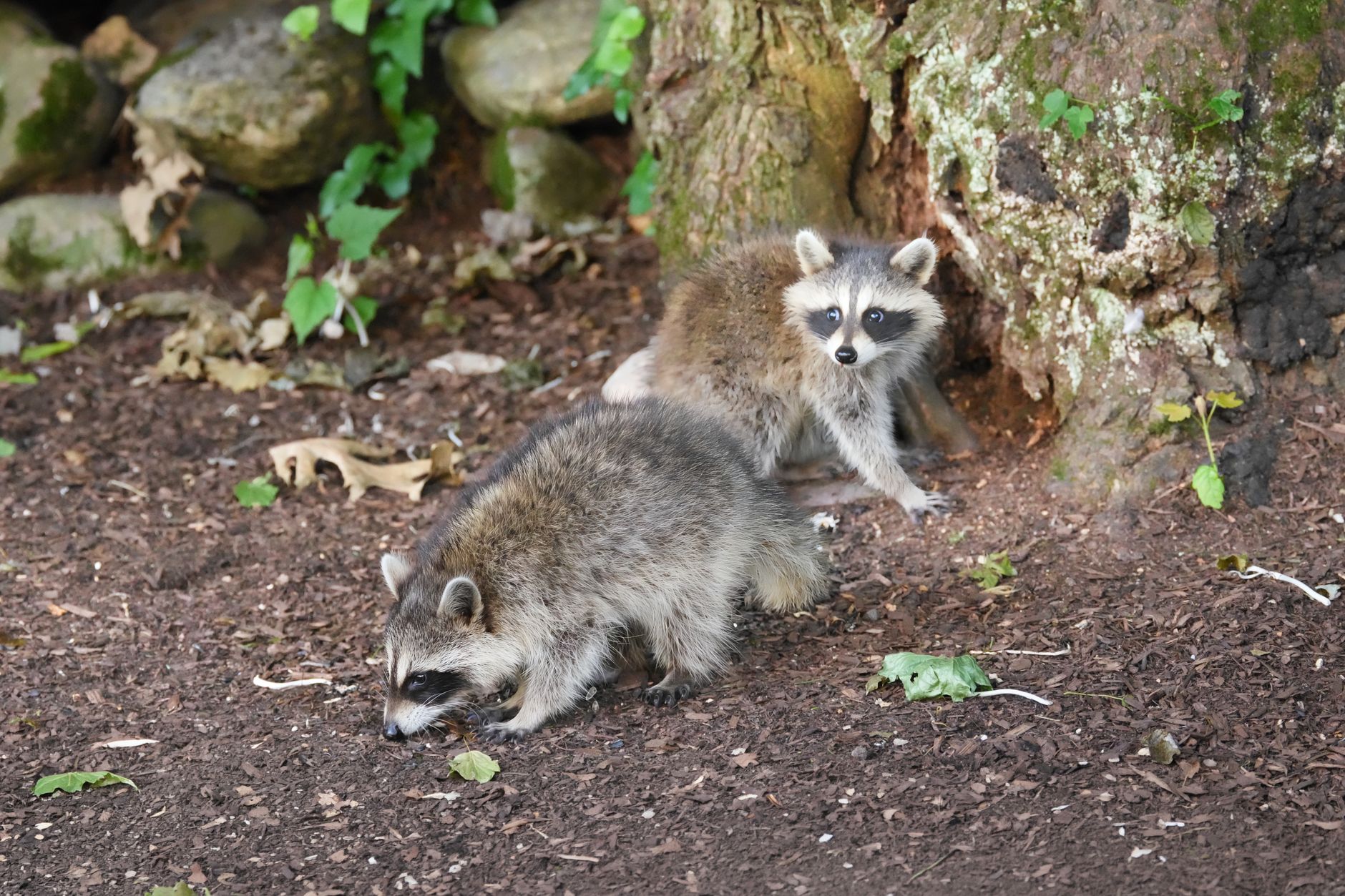
How Do Baby Raccoons Act?: Understanding Raccoon Kit Behavior
Baby raccoons, also known as kits, exhibit a range of behaviors from playful exploration and vocal communication to clinging to their mothers for protection. Understanding these actions is crucial for their well-being and for safely coexisting with them in urban and rural environments.

Introduction to Raccoon Kit Behavior
Raccoons, those masked bandits of the animal kingdom, are fascinating creatures, and their young are particularly captivating. Understanding how baby raccoons act provides insight into their development, survival strategies, and interactions with their environment and family. This knowledge is valuable for wildlife enthusiasts, homeowners, and anyone interested in the natural world. Baby raccoon behavior differs significantly from adult behavior, relying heavily on maternal care and evolving as they mature.

What colours are fish most attracted to?
Can you put your finger in a trout's mouth?
Is methylene blue anti bacterial?
Does aquarium salt raise pH in aquarium?
Early Stages: Dependence and Development

Newborn raccoon kits are entirely dependent on their mothers. They are born blind and deaf, relying on scent and touch to navigate their world. Early behavior revolves around nursing, sleeping, and staying warm within the den.
- Nursing: Kits nurse frequently, gaining essential nutrients and antibodies from their mother’s milk.
- Sleeping: They spend most of their time sleeping, conserving energy for growth.
- Huddling: They huddle together for warmth and security.
This period is crucial for their physical and neurological development. The mother raccoon is highly protective and attentive during this phase, grooming and safeguarding her young.
Weaning and Exploration
As they grow, kits begin to explore their surroundings, venturing out of the den for short periods. This phase marks a shift toward independence. Weaning typically begins around eight weeks of age, and kits start to supplement their diet with solid food.
- Exploration: They explore with their paws, investigating objects and learning about their environment.
- Play: Play is a critical component of their development, helping them develop coordination and social skills.
- Foraging: They begin to learn foraging skills from their mother, observing her techniques and imitating her actions.
Social Interactions and Communication
Kits engage in various social interactions with their siblings and mother. Communication plays a vital role in their social development, using a range of vocalizations and body language.
- Vocalizations: Kits use chirps, whines, and screams to communicate their needs and emotions.
- Playful Aggression: Play often involves mock fighting and chasing, helping them develop social boundaries and physical skills.
- Grooming: Grooming is a form of social bonding, strengthening the familial connection.
The Role of the Mother
The mother raccoon plays a pivotal role in the survival and development of her kits. She provides food, shelter, protection, and teaches them essential life skills. Her influence shapes their behavior and prepares them for independent living. She teaches how do baby raccoons act? by modeling behavior and guiding them in learning what to do.
- Protection: She fiercely defends her kits from predators.
- Food Provision: She brings food back to the den and teaches them how to forage.
- Skill Development: She teaches them climbing, swimming, and other essential skills.
Challenges and Survival
Kits face numerous challenges, including predation, disease, and habitat loss. Their survival depends on their mother’s care, their ability to learn, and their adaptability. These are important factors when evaluating how do baby raccoons act?
- Predation: Predators such as owls, hawks, and foxes pose a significant threat.
- Disease: Kits are susceptible to various diseases, including rabies and distemper.
- Human Interaction: Human activities, such as habitat destruction and accidental encounters, can also jeopardize their survival.
Common Misconceptions
There are several common misconceptions about baby raccoons. One is that if a baby raccoon is seen alone, it must be abandoned. This is often untrue, as the mother may be out foraging. Another misconception is that all raccoons are aggressive. While they can be defensive, they are generally not aggressive unless threatened.
Coexisting with Raccoon Families
Understanding raccoon behavior can help people coexist peacefully with these animals. Avoid approaching or handling kits. Secure garbage cans and eliminate potential food sources to prevent them from becoming a nuisance. If you find an injured or orphaned kit, contact a local wildlife rehabilitator.
Raccoon Kit Behavior: A Summary
| Behavior | Description | Importance |
|---|---|---|
| Nursing | Kits nurse frequently from their mother. | Provides essential nutrients and antibodies. |
| Sleeping | Kits spend most of their time sleeping. | Conserves energy for growth and development. |
| Exploration | Kits explore their surroundings, investigating objects and learning about their environment. | Develops coordination and understanding of their environment. |
| Play | Playful interactions with siblings and their mother. | Develops social skills, coordination, and physical abilities. |
| Vocalization | Kits use various vocalizations to communicate. | Communicates needs, emotions, and maintains social bonds. |
| Learning Foraging | Kits learn foraging skills from their mother. | Essential for survival and independence. |
| Maternal Care | Mother provides food, shelter, and protection. | Crucial for kit survival, providing essential resources and teaching critical life skills. A significant part of how do baby raccoons act? |
Conclusion
Understanding how baby raccoons act is essential for their well-being and for promoting peaceful coexistence. By recognizing their developmental stages, behaviors, and the challenges they face, we can better protect these fascinating creatures and appreciate their role in our ecosystem.
Frequently Asked Questions (FAQs)
What do baby raccoons eat?
Baby raccoons initially rely entirely on their mother’s milk. As they grow, their mother will introduce them to solid foods, which can include fruits, insects, small animals, and nuts. This learning process is a significant part of how baby raccoons learn to act independently.
How long do baby raccoons stay with their mother?
Kits typically stay with their mother for about a year. During this time, she teaches them essential survival skills, such as foraging, climbing, and avoiding predators. This extended period of maternal care is critical for their successful transition to independent living.
What sounds do baby raccoons make?
Baby raccoons make a variety of sounds, including chirps, whines, and screams. These vocalizations are used to communicate their needs, express emotions, and maintain contact with their mother and siblings. Understanding these sounds can help determine if a kit is in distress.
Are baby raccoons dangerous?
While baby raccoons may appear cute and harmless, they can carry diseases and may bite or scratch if they feel threatened. It is best to avoid approaching or handling them. Always maintain a safe distance and contact a wildlife professional if you are concerned about their well-being.
What should I do if I find a baby raccoon alone?
If you find a baby raccoon alone, observe it from a distance for several hours to see if the mother returns. She may be out foraging. If the kit appears injured or distressed, or if the mother does not return, contact a local wildlife rehabilitator for assistance.
How can I tell if a baby raccoon is orphaned?
Signs that a baby raccoon may be orphaned include being visibly injured, emaciated, or persistently calling for its mother without a response. Also, if the kit is in a location where it is exposed to danger or harsh weather, it may need assistance.
Can I raise a baby raccoon as a pet?
Raising a raccoon as a pet is generally not recommended. Raccoons are wild animals with specific needs that are difficult to meet in a domestic environment. Furthermore, it is illegal in many areas to keep raccoons as pets. Also, adult raccoons can become aggressive.
How do baby raccoons learn to climb?
Baby raccoons learn to climb by observing their mother and practicing their own skills. They use their sharp claws and agile bodies to scale trees and other surfaces. Their mother will often guide them and provide support as they learn.
When are baby raccoons born?
Raccoon kits are typically born in the spring or early summer, after a gestation period of about 65 days. This timing allows them to grow and develop during the warmer months when food is more plentiful.
How do baby raccoons protect themselves from predators?
Baby raccoons rely on their mother for protection from predators. She will fiercely defend her kits and teach them to hide and avoid danger. They also use their camouflage and nocturnal habits to evade predators.
What is the lifespan of a raccoon in the wild?
The average lifespan of a raccoon in the wild is typically 2 to 5 years. Factors such as predation, disease, and habitat availability can affect their survival. However, raccoons in captivity may live longer.
How do baby raccoons learn to forage for food?
Baby raccoons learn to forage for food by observing and imitating their mother. She will show them how to find food sources and teach them to identify edible items. They also use their sensitive paws to explore and manipulate objects while learning how do baby raccoons act and forage for food.