
How to Identify a Koi Butterfly: Decoding the Aquatic Mimicry
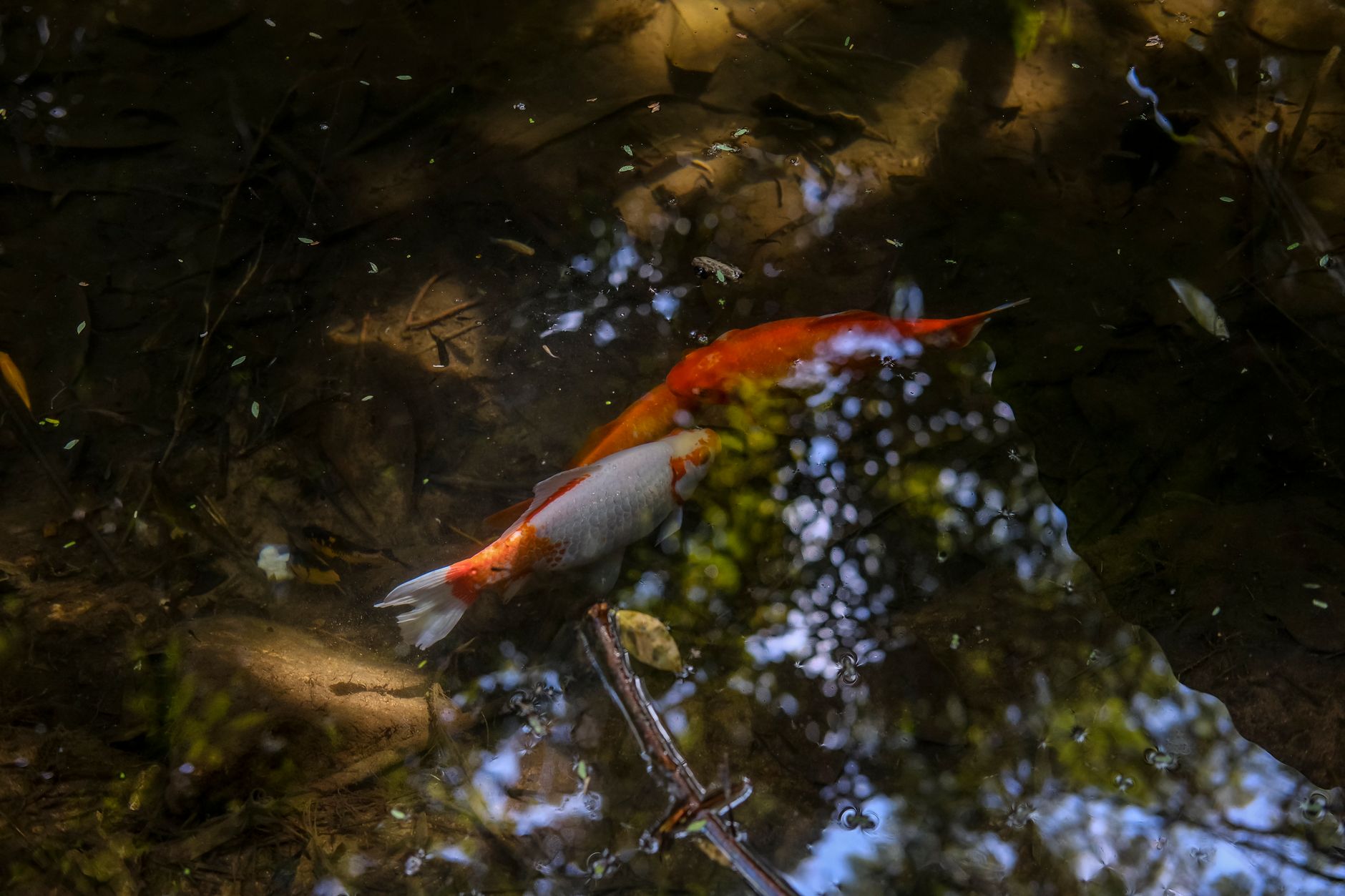
How can you tell a koi butterfly? By observing its striking resemblance to koi fish patterns on its wings, particularly the vibrant reds, oranges, blacks, and whites mimicking the beloved pond inhabitants.

Introduction: The Enigmatic Koi Butterfly
The term “koi butterfly” evokes images of delicate winged creatures adorned with patterns mirroring the vibrant scales of koi fish. However, the reality is a bit more nuanced. While there isn’t a single species officially dubbed the “koi butterfly,” the name is often applied to several butterfly species that exhibit colorations strikingly similar to those found in koi. These butterflies, through the fascinating process of mimicry, have evolved to display patterns and colors that resemble the aquatic beauty of koi. This article will delve into how can you tell a koi butterfly?, exploring the characteristics and species most often associated with this evocative term.

What colours are fish most attracted to?
Can you put your finger in a trout's mouth?
Is methylene blue anti bacterial?
Does aquarium salt raise pH in aquarium?
Butterfly Mimicry: A Survival Strategy

Mimicry in the insect world is a fascinating survival adaptation. Some butterflies, through generations of natural selection, have evolved to resemble unpalatable or dangerous species, thus deterring predators. In the case of “koi butterflies,” the mimicry seems less about direct defense and more about a broader camouflage or disruptive coloration strategy. The disruptive patterns and bold colors may help the butterfly blend into dappled sunlight filtering through foliage, or simply break up its outline, making it harder for predators to spot.
Unveiling the Culprits: Butterfly Species with Koi-Like Patterns
Several butterfly species boast color combinations and patterns that lead to their designation as “koi butterflies” within certain circles. These are not formal classifications but rather descriptive labels based on visual similarity.
-
Great Mormon ( Papilio memnon ): Particularly the forms found in Southeast Asia, some Great Mormon butterflies can display striking orange, red, white, and black patterns reminiscent of koi.
-
Common Mormon ( Papilio polytes ): Similar to the Great Mormon, certain forms of the Common Mormon also exhibit koi-like variations in their wing patterns.
-
Swallowtail Butterflies ( Papilio spp.): Various Swallowtail species across the globe can exhibit color variations that, while not always directly mimicking koi, feature the characteristic boldness and contrasting colors often associated with koi patterns.
-
Certain Nymphalidae butterflies: Butterflies in the Nymphalidae family, such as some Precis or Hypolimnas species, can have patterns featuring orange, black, and white.
It’s crucial to note that the degree of resemblance can vary greatly depending on the individual butterfly, geographic location, and specific subspecies. Therefore, how can you tell a koi butterfly? is not a simple case of identifying a specific species but rather recognizing the shared visual characteristics.
Key Characteristics of “Koi Butterflies”
While species can vary, certain core characteristics define what makes a butterfly resemble a koi fish:
-
Color Palette: The presence of vibrant reds, oranges, blacks, and whites is a primary indicator.
-
Pattern Distribution: Look for patterns that feature irregular patches or spots of color, similar to the markings on koi.
-
Contrast: High contrast between the colors, such as a stark black marking on a white background, enhances the koi-like appearance.
-
Size and Shape: While not directly related to the koi resemblance, the overall size and shape of the butterfly can influence the perception of the pattern. Larger butterflies with broad wings provide more “canvas” for the patterns to develop.
Differentiation: Avoiding Misidentification
It’s essential to avoid misidentifying other butterfly species as “koi butterflies.” Several factors can help with accurate identification:
-
Geographic Location: Knowing the typical butterfly species in your region can narrow down the possibilities.
-
Wing Shape and Size: Compare the butterfly’s wing shape and size to reference images of suspected species.
-
Pattern Details: Closely examine the pattern details, looking for specific markings that are characteristic of a particular species.
| Feature | “Koi Butterfly” Indicators | Other Butterfly Indicators |
|---|---|---|
| Color Palette | Vibrant reds, oranges, blacks, whites | Blues, greens, yellows, browns (depending on species) |
| Pattern Type | Irregular patches, spots, high contrast | Stripes, symmetrical patterns, uniform coloration |
| General Look | Resembles markings of koi fish | Varies greatly; may resemble leaves, flowers, or other insects |
| Habitat | Typically areas with diverse flora. | Varies greatly depending on species. |
Why Call Them “Koi Butterflies”? The Allure of Association
The term “koi butterfly” likely arose from the striking visual similarity between the butterfly’s wing patterns and the patterns found on koi fish. The beauty and popularity of koi have made them a recognizable and desirable symbol. Associating butterflies with this aquatic elegance enhances their appeal and creates a memorable connection for observers. This name, while informal, perfectly captures the essence of their captivating appearance.
Conservation Considerations
While these butterflies may not be officially designated as endangered, the overall health of butterfly populations is a concern. Habitat loss, pesticide use, and climate change all pose threats to these delicate creatures. Supporting conservation efforts, planting butterfly-friendly gardens, and reducing pesticide use can contribute to their long-term survival.
Conclusion: Appreciating the Beauty of Mimicry
The “koi butterfly,” though not a formally recognized species, represents a beautiful example of mimicry and the diversity of patterns found in nature. How can you tell a koi butterfly? By recognizing the distinctive combination of colors and patterns that evoke the image of koi fish. By appreciating these visual echoes of the aquatic world, we can deepen our understanding and appreciation of the intricate relationships that shape the natural world around us.
Frequently Asked Questions
What is the “koi butterfly” officially?
The term “koi butterfly” isn’t an official taxonomic classification. It’s a descriptive term used informally to describe butterflies with wing patterns and colors that resemble those of koi fish. There isn’t a single species designated as the “koi butterfly.”
Are “koi butterflies” rare?
The rarity depends on the specific butterfly species that exhibits the koi-like patterns. Some species, such as certain forms of the Great Mormon, may be relatively common in their native range, while others might be less frequently observed. Population status can vary greatly depending on factors such as habitat availability and environmental conditions.
Can I attract “koi butterflies” to my garden?
Yes, planting butterfly-friendly plants, providing a water source, and avoiding pesticide use can attract various butterfly species, including those with koi-like patterns. Native plants are always the best choice for supporting local butterfly populations.
Do “koi butterflies” only exist in Asia?
While some of the most well-known examples, such as certain forms of the Great Mormon, are found in Asia, butterflies with koi-like patterns can occur in other parts of the world as well. The presence of these patterns depends on the specific species and their geographic distribution.
What are the best plants to attract butterflies that resemble koi?
Plants that are attractive to swallowtail butterflies and other species known to exhibit koi-like patterns include milkweed, butterfly bush, zinnias, and various flowering herbs. Research which plants are native to your area to maximize your chances of success.
Are “koi butterflies” poisonous or dangerous?
No, butterflies with koi-like patterns are not poisonous or dangerous to humans. Like most butterflies, they are harmless creatures that play an important role in pollination.
How long do “koi butterflies” typically live?
The lifespan of a “koi butterfly” depends on the specific species. Some butterflies may live for only a few weeks, while others can live for several months. Environmental factors such as temperature and food availability can also affect lifespan.
What is the scientific name for the “koi butterfly”?
Since “koi butterfly” is not a scientific term, there is no single scientific name associated with it. The butterflies most commonly referred to as “koi butterflies” belong to various species within the Papilionidae (Swallowtail) and Nymphalidae families.
How do these butterflies get their koi-like patterns?
The koi-like patterns are determined by genetics and influenced by environmental factors during the butterfly’s development. These patterns evolve over generations through natural selection.
Why do some butterflies mimic koi fish?
It’s unlikely that the mimicry is a direct adaptation to resemble koi fish for a specific defensive purpose. More likely, the patterns evolved for camouflage or disruptive coloration , helping the butterfly blend into its environment or confuse predators.
Can I breed “koi butterflies” in captivity?
Breeding butterflies in captivity can be challenging and requires specialized knowledge and equipment. However, with proper care and attention, it is possible to breed certain species, including those that exhibit koi-like patterns. Research the specific needs of the species you wish to breed.
Where is the best place to see koi butterflies in the wild?
The best place to see these butterflies depends on the specific species. Southeast Asia, particularly regions with diverse butterfly populations, is a good place to start. Visiting botanical gardens and nature reserves can also increase your chances of spotting these beautiful creatures.