

How Did a Baby Slug Get In My House?
A tiny hitchhiker likely entered your home through small cracks, openings around pipes, or even attached to shoes, pets, or plants, seeking moisture and food. The answer to “How did a baby slug get in my house?” involves understanding their mobility, size, and survival needs.

Slug Biology: A Quick Overview
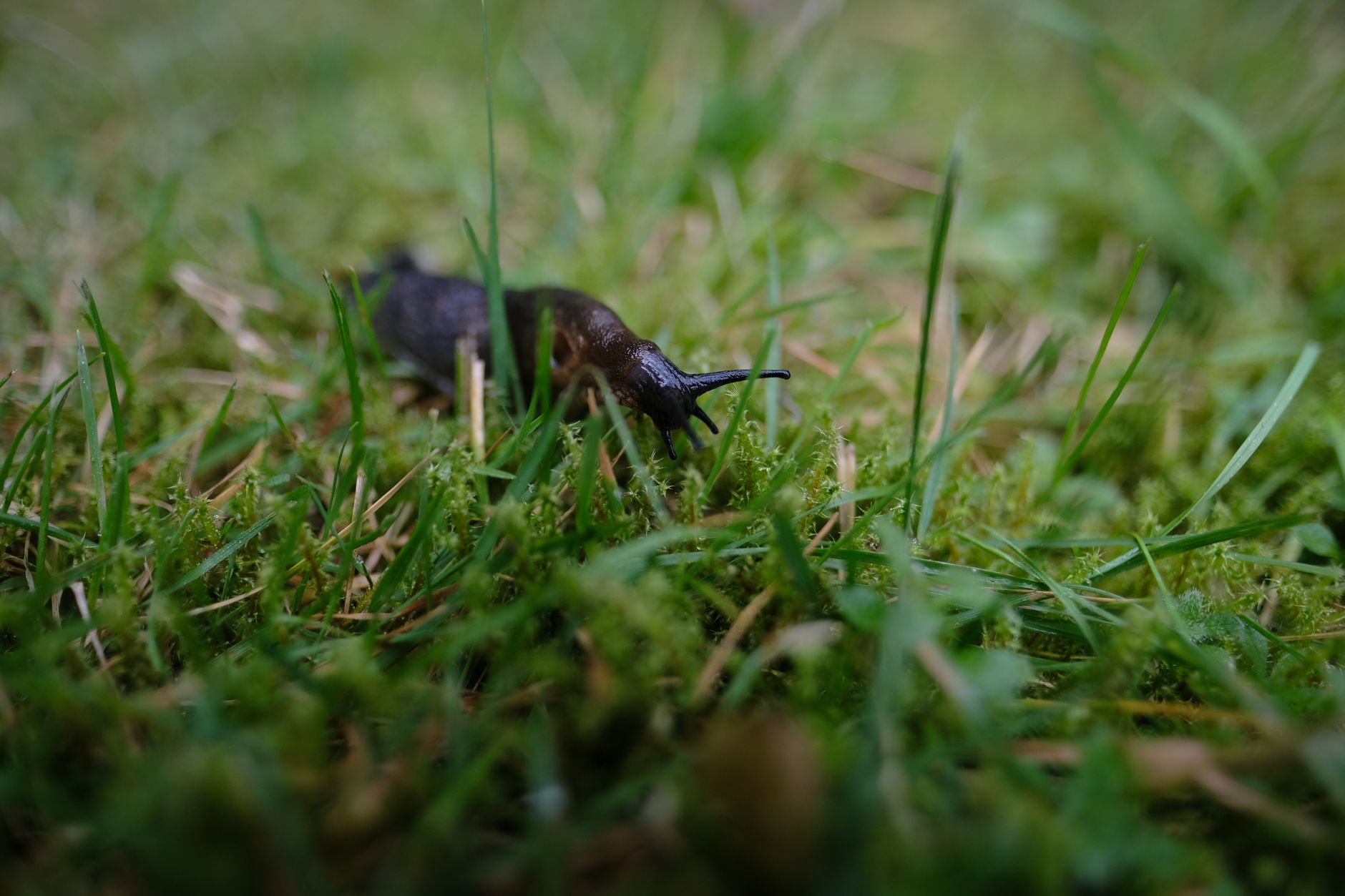
Slugs, often underestimated, are fascinating creatures belonging to the mollusk family. Unlike their shelled cousins, snails, slugs have either a greatly reduced shell or no shell at all. This characteristic allows them to squeeze into unbelievably tight spaces, making them surprisingly adept at infiltrating our homes.
- Mobility: Slugs move by contracting muscles in their foot, leaving behind a trail of mucus that aids in locomotion. This mucus also helps them adhere to surfaces, including vertical ones.
- Size: Baby slugs can be incredibly small, often only a few millimeters in length. This diminutive size makes them nearly invisible to the casual observer and allows them to navigate through tiny crevices.
- Diet: Slugs are generalist feeders, consuming a wide range of organic matter, including decaying leaves, fungi, and garden plants. Inside your home, they might target pet food, spilled liquids, or even mold growth.
- Moisture Needs: Slugs are highly dependent on moisture. Dry conditions can quickly desiccate them, so they actively seek out humid environments.
Is distilled water good for goldfish?
What colours are fish most attracted to?
Can you put your finger in a trout's mouth?
Is methylene blue anti bacterial?
Common Entry Points for Baby Slugs

Understanding the typical entry points is crucial in answering “How did a baby slug get in my house?” Here are some frequent pathways:
- Cracks and Crevices: Even hairline cracks in foundations, walls, or window frames can provide access.
- Around Pipes and Wiring: Openings around pipes that enter your home, especially in bathrooms and kitchens, are potential entry points.
- Under Doors: Gaps under doors, even small ones, allow slugs to slide inside.
- On Shoes, Pets, or Plants: Baby slugs can inadvertently be carried into your home on your shoes, attached to your pets’ fur, or hidden within potted plants.
- Open Windows and Doors: Leaving windows or doors open, especially during damp evenings, is an invitation for slugs to enter.
Creating an Unwelcoming Environment
To prevent future slug incursions, focus on reducing moisture and sealing entry points:
- Reduce Moisture: Fix leaky faucets and pipes. Improve ventilation in damp areas like bathrooms and basements.
- Seal Cracks: Use caulk to seal cracks in foundations, walls, and around windows and doors.
- Door Sweeps: Install door sweeps on exterior doors to eliminate gaps.
- Inspect Plants: Thoroughly inspect new plants for slugs before bringing them indoors.
- Clean Regularly: Regularly clean up spills and crumbs that could attract slugs.
Control Methods (If Necessary)
If you find yourself with a slug problem, consider these control options:
| Method | Description | Effectiveness | Safety Concerns |
|---|---|---|---|
| Handpicking | Manually removing slugs and disposing of them. | High | Time-consuming |
| Beer Traps | Placing shallow dishes filled with beer or yeast mixtures to attract and drown slugs. | Medium | Can attract other pests |
| Copper Tape | Placing copper tape around plant pots or other areas to create a barrier that slugs avoid. | Medium | Limited coverage |
| Diatomaceous Earth | A natural powder made from fossilized diatoms that dehydrates slugs. | Medium | Dust can irritate lungs |
| Slug Pellets | Chemical pellets that kill slugs. Use with caution, as they can be harmful to pets and wildlife. | High | Toxic |
Frequently Asked Questions
Why are slugs attracted to my house?
Slugs are primarily attracted to homes by the promise of moisture and food. They seek out damp, dark places and are drawn to sources of organic matter, such as spilled food, decaying plants, or even mold. Understanding “How did a baby slug get in my house?” leads you to control their resources.
Can slugs climb walls?
Yes, slugs are capable of climbing walls, thanks to the mucus they secrete, which allows them to adhere to various surfaces. However, they typically prefer horizontal surfaces due to the energy expenditure required for vertical movement.
Are slugs dangerous to humans?
Generally, slugs are not directly dangerous to humans. However, they can carry parasites, such as the rat lungworm, which can cause serious illness if ingested. Therefore, it’s essential to wash your hands thoroughly after handling slugs.
Do slugs lay eggs indoors?
Yes, slugs can lay eggs indoors if they find a suitable damp and secluded spot. Slug eggs are small, round, and translucent, often laid in clusters under rocks, logs, or in soil. Finding and removing these eggs is crucial to controlling slug populations.
What time of day are slugs most active?
Slugs are typically most active at night or during damp, overcast days. They avoid direct sunlight, which can quickly dry them out.
How long do slugs live?
The lifespan of a slug varies depending on the species, but most slugs live for around one to two years. Some species can live for several years under favorable conditions.
Can slugs survive in dry environments?
Slugs are highly susceptible to desiccation and cannot survive for long in dry environments. They require constant moisture to prevent themselves from drying out. This need for moisture is central to “How did a baby slug get in my house?” – it’s searching for a damp place.
What smells do slugs hate?
Slugs are repelled by strong scents, such as garlic, mint, and citrus. Planting these herbs or using citrus peels can help deter slugs from entering your home.
Are slugs a sign of a bigger problem?
A few slugs are not necessarily a major cause for alarm, but a large infestation could indicate underlying problems such as excessive moisture, poor drainage, or a readily available food source.
How can I humanely remove a slug from my house?
The most humane way to remove a slug is to gently scoop it up with a piece of cardboard or paper and relocate it to a damp, vegetated area away from your home.
Will salt kill a slug?
Yes, salt will kill a slug by drawing moisture out of its body, leading to dehydration. However, this method is considered inhumane and can damage soil and plants.
Is there anything else I should know about preventing slugs from entering my home?
Consistent vigilance is key. Regularly inspect your home’s perimeter for potential entry points, address any moisture issues promptly, and consider using natural deterrents to keep slugs away. Understanding their needs is critical when considering “How did a baby slug get in my house?“