
How Big Is the Largest Male Tiger Ever Recorded? Unveiling the Apex Predator’s True Size
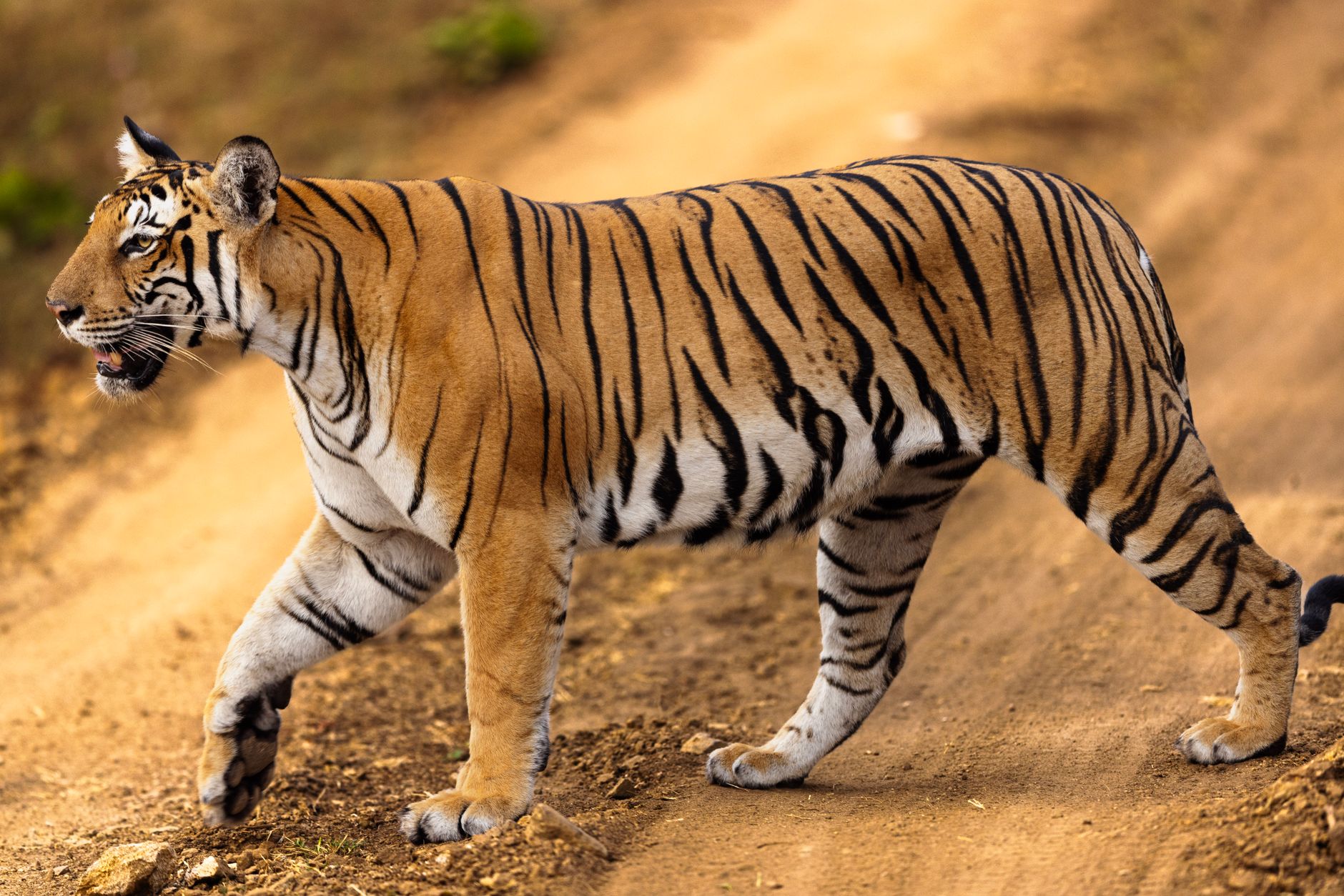
The largest male tiger ever reliably recorded was a massive Bengal tiger from northern India, measuring an astounding 12 feet 1 inch in total length. This behemoth showcases the incredible size and power these apex predators can achieve.
Introduction: Giants Among Stripes
The tiger, Panthera tigris, is a creature of awe and majesty, a symbol of power and grace. While the average tiger is impressive enough, the question, how big is the largest male tiger ever recorded?, hints at something truly extraordinary. Understanding the size of the largest tigers isn’t just about fulfilling curiosity; it provides insight into the animal’s biology, habitat requirements, and conservation challenges.

Is distilled water good for goldfish?
What colours are fish most attracted to?
Can you put your finger in a trout's mouth?
Is methylene blue anti bacterial?
The Quest for the Biggest Tiger: Measurement Matters
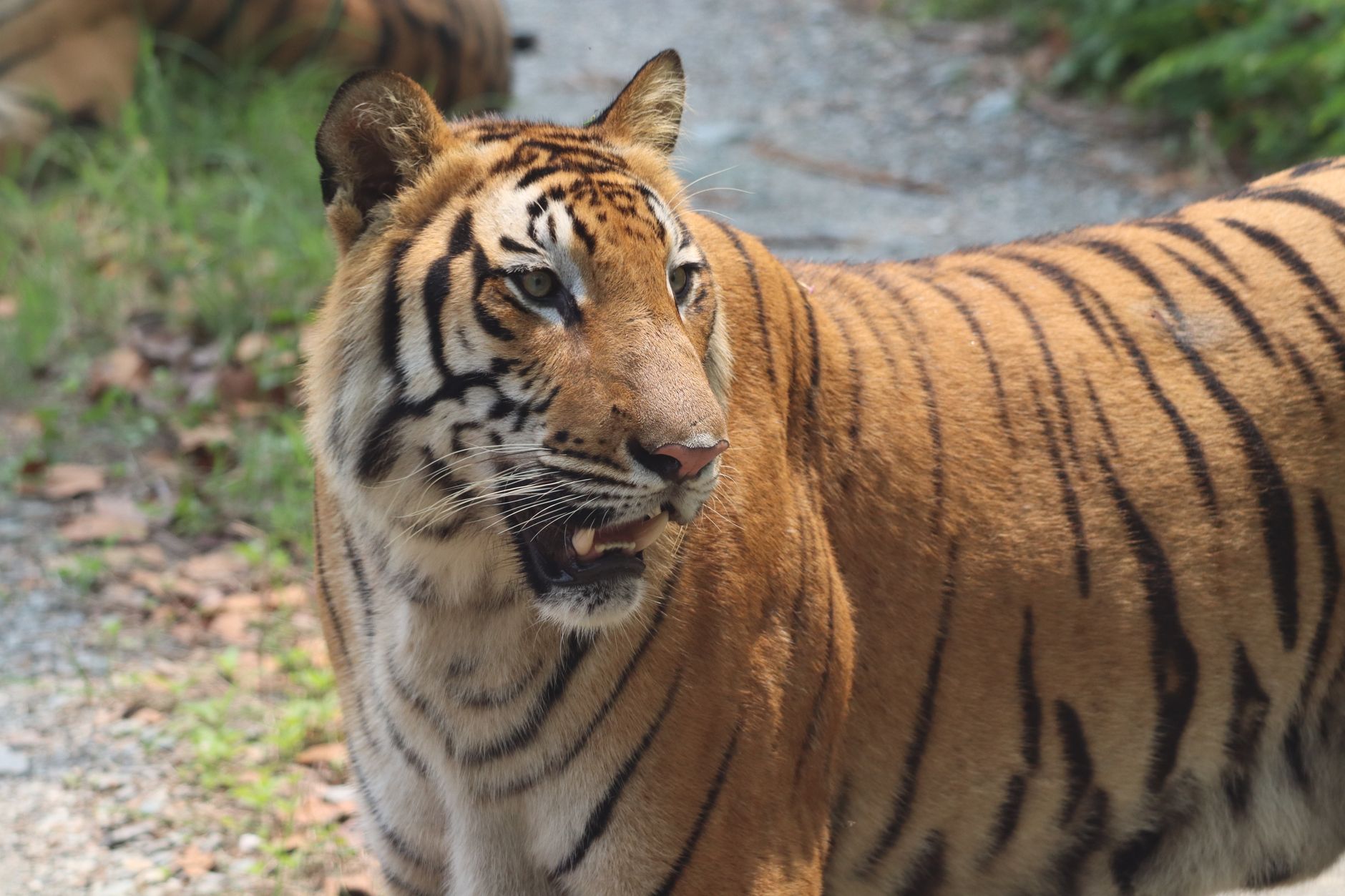
Measuring a tiger accurately is no easy feat. In the wild, precise measurements are rare and often reliant on estimations. Historically, many claims of exceptionally large tigers were exaggerated or based on unreliable data. The most accurate measurements come from tigers killed in the past, where carcass size could be meticulously recorded. However, even then, factors such as rigor mortis and skin stretching could influence the final figures.
- Total Length: Measured from the tip of the nose to the tip of the tail, following the curves of the body. This is the most common measurement used.
- Weight: Weight can vary considerably based on diet, age, and health. Heaviest weights are often recorded from captive animals.
- Shoulder Height: The height of the tiger at its shoulder is another useful metric, though less frequently reported than total length.
The Champion: The Bengal Tiger of North India
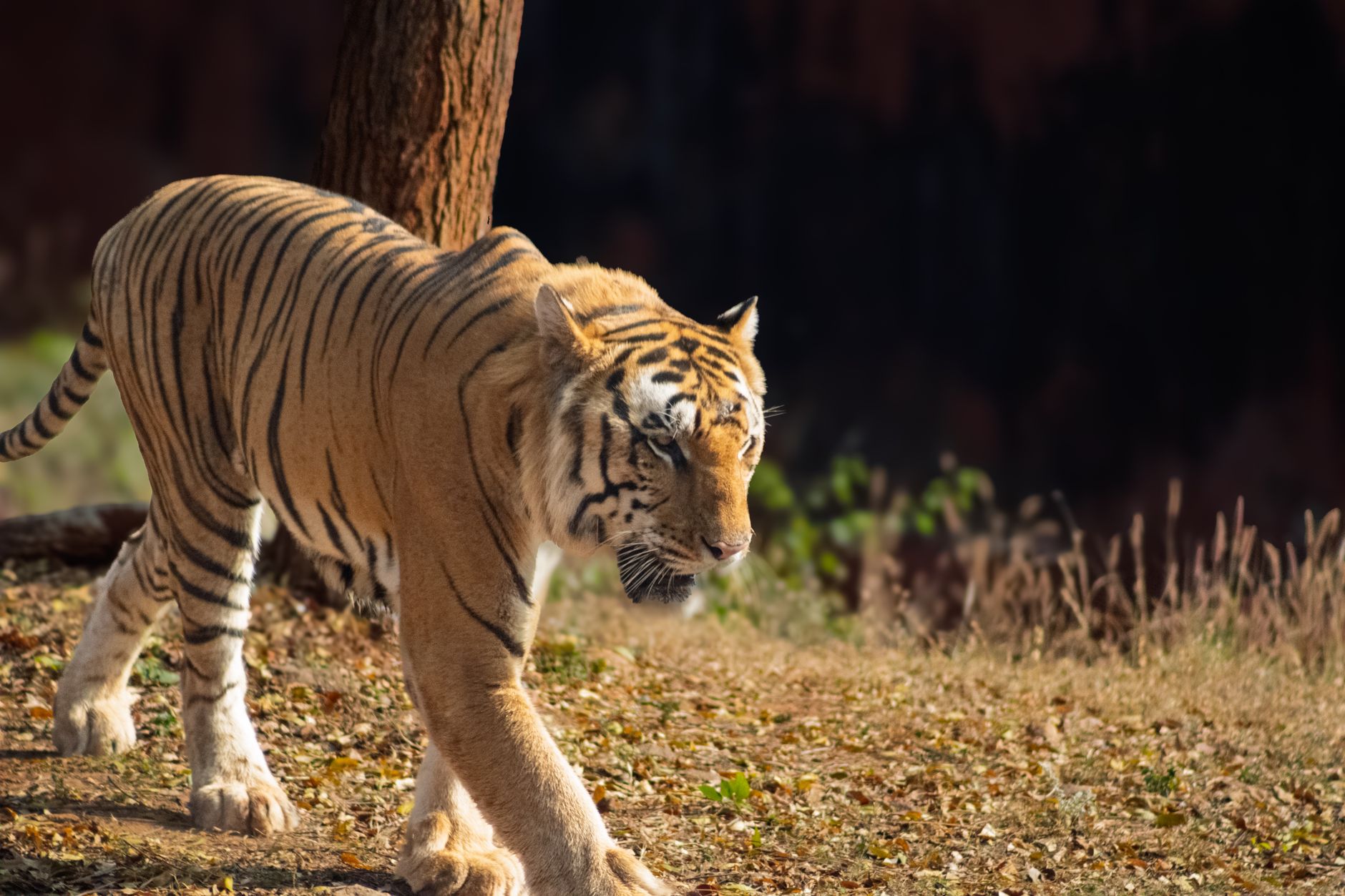
While anecdotal tales abound, the largest male tiger ever definitively measured was a Bengal tiger (Panthera tigris tigris) shot in northern India in 1967. This tiger measured a staggering 12 feet 1 inch (368 cm) in total length. Reliable records also exist of tigers exceeding 10 feet regularly, indicating the potential for large sizes within this subspecies.
Weight: A Matter of Speculation
While the 12 foot 1-inch Bengal tiger’s weight wasn’t officially recorded at the time, based on other large specimens, it’s estimated to have weighed upwards of 650 pounds. Captive tigers, with consistent food supply, can achieve even greater weights, exceeding 700 pounds in some cases. The heavier the tiger, the better it can wrestle prey and hold them down.
Factors Influencing Tiger Size
Several factors contribute to the size of a tiger. Genetics play a critical role, with some subspecies naturally growing larger than others. Habitat and prey availability are also crucial; regions with abundant prey allow tigers to grow larger and healthier. Age is another significant factor; tigers continue to grow throughout their lives, reaching their peak size in adulthood.
- Subspecies: Bengal and Amur tigers are typically larger than other subspecies.
- Habitat: Regions with plentiful prey, like the Sundarbans, can support larger tiger populations.
- Age: Adult tigers reach their maximum size and weight.
The Amur Tiger: Another Contender
The Amur tiger (Panthera tigris altaica), also known as the Siberian tiger, is another subspecies renowned for its impressive size. While not definitively exceeding the record set by the Bengal tiger mentioned earlier, Amur tigers can reach lengths of over 10 feet and weights of over 660 pounds. These tigers must endure the long cold winters and are well padded with fat.
Conservation and the Future of Giants
The declining tiger population poses a serious threat to these magnificent creatures. Habitat loss, poaching, and human-wildlife conflict are major challenges. Protecting tiger habitats and combating poaching are essential for ensuring the survival of these apex predators, including the potential for future generations of giants. Conservation efforts also make sure they are protected from humans.
Table: Comparing the Largest Tiger Subspecies
| Subspecies | Typical Length (Male) | Typical Weight (Male) | Habitat |
|---|---|---|---|
| Bengal Tiger | 9-10 ft | 440-570 lbs | India, Bangladesh, Nepal, Bhutan, Myanmar |
| Amur (Siberian) Tiger | 9-10 ft | 400-660 lbs | Russian Far East, Northeast China |
Common Misconceptions About Tiger Size
Many exaggerated claims about tiger size exist, often fueled by folklore and anecdotal evidence. It’s essential to rely on verifiable data and scientific measurements to understand the true dimensions of these animals. Avoid sources with non-reliable information.
Frequently Asked Questions (FAQs)
How does the size of the largest male tiger compare to other big cats?
The largest male tiger is significantly larger than most other big cats, including lions, jaguars, and leopards. While lions can reach similar lengths, tigers generally have a more muscular build and greater overall mass.
What is the typical lifespan of a large tiger?
In the wild, tigers typically live for 8-10 years, though some can live longer. In captivity, with proper care, tigers can live for up to 20 years. Size can play a role in life expectancy, with larger tigers potentially facing increased health challenges as they age.
Does habitat influence the size of tigers within the same subspecies?
Yes, habitat plays a significant role. Regions with abundant prey, such as the Sundarbans mangrove forests, can support larger tiger populations. Tigers in these areas often grow bigger and heavier due to consistent access to food.
Are there any records of tigers exceeding the officially recorded maximum size?
Anecdotal evidence suggests the possibility of even larger tigers, but without verifiable measurements, these claims remain unsubstantiated. It’s crucial to rely on scientific data rather than folklore or speculation.
What is the difference between the Bengal tiger and the Siberian tiger in terms of size?
Both Bengal and Siberian tigers are among the largest tiger subspecies, with males typically reaching similar lengths. However, Siberian tigers are often heavier, particularly in winter, due to their thick fur and fat reserves.
How does the size of a tiger contribute to its hunting success?
A larger tiger possesses greater strength and power, allowing it to take down larger prey. Size also provides an advantage in territorial disputes and mating competition.
What role does genetics play in determining tiger size?
Genetics is a primary determinant of tiger size. Different subspecies have different genetic predispositions for size. Within each subspecies, individual genetic variations also influence growth.
How do scientists measure tigers in the wild?
Scientists use various methods to measure tigers in the wild, including camera trapping, footprint analysis, and occasionally, darting and physical measurement. These methods often provide estimates rather than precise measurements.
Are captive tigers typically larger than wild tigers?
Captive tigers can sometimes be larger and heavier than wild tigers, due to consistent access to food and veterinary care. However, captivity can also lead to health problems associated with obesity and lack of exercise.
What are the biggest threats to tiger populations today?
The biggest threats to tiger populations include habitat loss, poaching for traditional medicine and skins, and human-wildlife conflict. These threats reduce tiger populations and endanger their survival.
What can be done to help protect tigers and their habitats?
Protecting tiger habitats through the establishment of protected areas, combating poaching through stricter law enforcement, and mitigating human-wildlife conflict through community engagement are crucial steps.
How big is the largest male tiger ever recorded? and will there be future giants?
As we discussed, the largest male tiger ever recorded measured 12 feet 1 inch. While current conservation challenges threaten tiger populations, continued conservation efforts provide hope that future generations of these magnificent apex predators, including potential giants, will thrive. The protection of natural habitats is critical in ensuring a safe place for these big cats.