

Can Cats Get In Your Engine? The Purrfectly Dangerous Hideaway
Yes, cats can get in your engine. It’s surprisingly common, especially during cold weather, and can lead to serious injury or death for the cat, as well as damage to your vehicle.

Why Your Car Engine Attracts Cats
The allure of a warm engine bay is undeniable, particularly for outdoor cats seeking refuge from the elements. The residual heat from a recently driven car provides a temporary sanctuary from the cold, rain, or snow. This attraction is compounded by the enclosed nature of the engine compartment, offering a sense of security and protection from predators or other environmental threats.
- Warmth: The primary attractant, especially during colder months.
- Shelter: Protection from rain, snow, wind, and predators.
- Darkness: Offers a sense of security and concealment.
- Smell: Some cats may be attracted to the smell of antifreeze (which is toxic!).

Is distilled water good for goldfish?
What colours are fish most attracted to?
Can you put your finger in a trout's mouth?
Is methylene blue anti bacterial?
Dangers of Cats in Engines
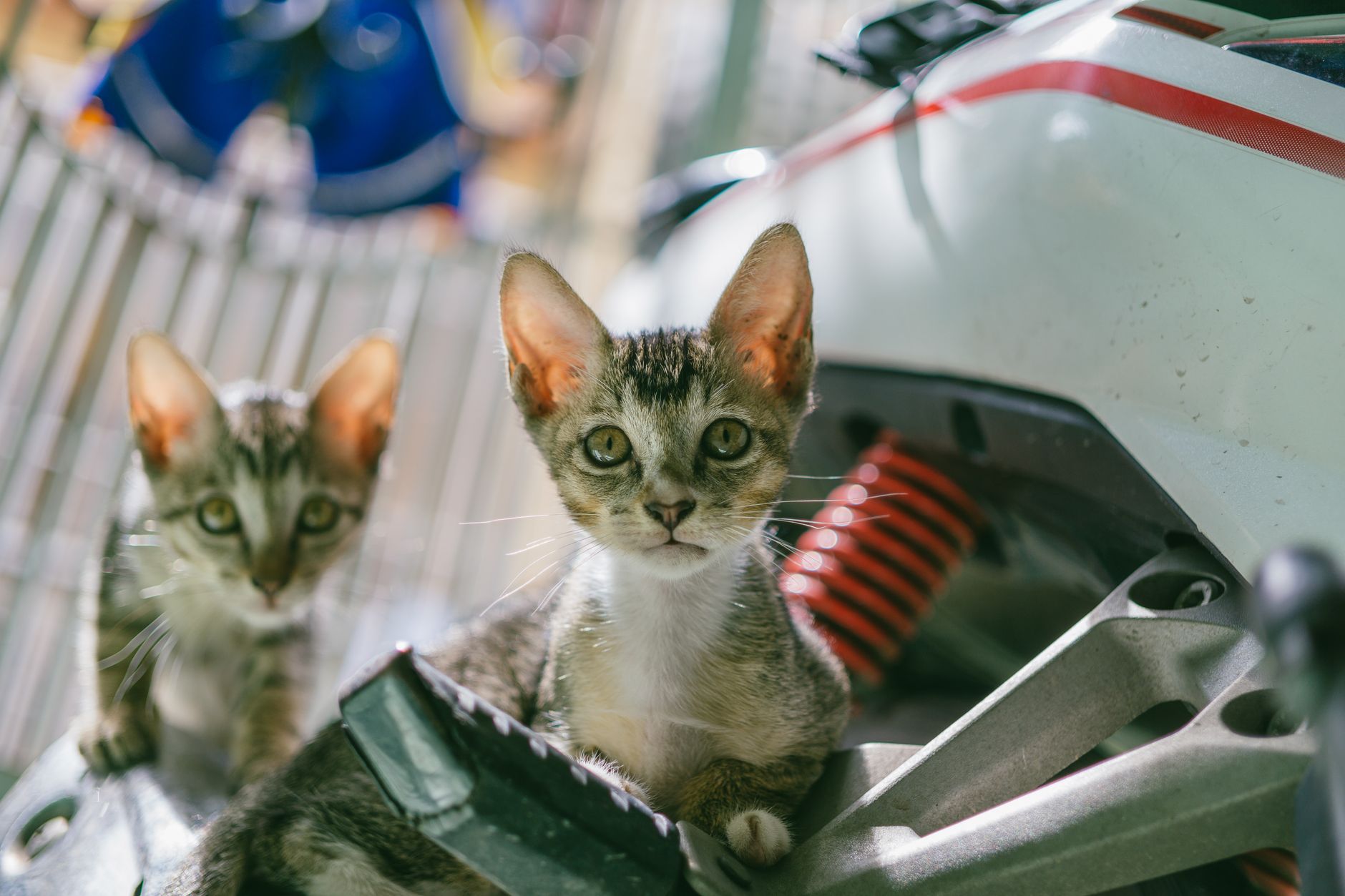
The dangers for cats seeking refuge in your engine are significant. The most obvious risk is injury or death from the engine’s moving parts once the car is started. Belts, fans, and pulleys pose immediate threats. Beyond the immediate physical danger, there are other risks:
- Injury/Death from Moving Parts: Belts, fans, and pulleys can cause severe trauma.
- Burns: The engine block and exhaust system can reach extremely high temperatures.
- Entrapment: Cats may become trapped and unable to escape, leading to dehydration and starvation.
- Vehicle Damage: Scratching wires or damaging insulation can lead to costly repairs.
How to Prevent Cats From Entering Your Engine
Preventing cats from seeking shelter in your engine is crucial for the cat’s safety and the integrity of your vehicle. Several proactive steps can be taken:
- Visual Inspection: Always check under your car and inside the wheel wells before starting the engine, especially during cold weather. Use a flashlight for better visibility.
- Auditory Alerts: Bang on the hood or honk the horn briefly before starting the car to scare away any hidden animals.
- Physical Barriers: Consider using a car cover or placing wire mesh underneath your vehicle to deter animals.
- Humane Repellents: Using cat-repellent sprays around your car’s tires and undercarriage may discourage cats from approaching. (Ensure the repellent is safe for animals and the environment.)
- Provide Alternative Shelters: If you regularly see cats in your neighborhood, consider providing a dedicated outdoor shelter for them.
- Be Aware of Antifreeze Leaks: Antifreeze has a sweet taste that attracts animals, but it is highly toxic. Promptly clean up any spills.
What to Do if You Find a Cat in Your Engine
If you discover a cat inside your engine compartment, approach the situation cautiously. Avoid sudden movements or loud noises that might startle the animal.
- Turn off the car: Ensure the engine is completely cool before attempting a rescue.
- Assess the situation: Determine if the cat is injured or deeply trapped.
- Gentle persuasion: Try to coax the cat out with food or a gentle voice.
- Professional assistance: If the cat is inaccessible or injured, contact your local animal control or a qualified mechanic for help. They have specialized tools and experience to safely remove animals from vehicles.
- Veterinary care: If you successfully remove the cat, take it to a veterinarian for a checkup, even if it appears unharmed. Internal injuries may not be immediately apparent.
Common Mistakes to Avoid
Several common mistakes can exacerbate the risks associated with cats in car engines:
- Ignoring the problem: Assuming it’s “not your cat” or that the cat will leave on its own.
- Using harmful repellents: Avoid using poisons or substances that could harm animals.
- Forcing the cat out: This can cause injury to the cat and yourself.
- Starting the car without checking: This is the most dangerous mistake and can have fatal consequences.
- Assuming the cat is unharmed: Internal injuries may not be visible.
Can Cats Get In Your Engine? Why Prevention is Key
The simple act of checking your engine bay before starting your car can save a life. Remember, cats seeking warmth and shelter are vulnerable, and a few moments of precaution can make a significant difference.
FAQs: Decoding the Cat-in-Engine Mystery
Why are cats more likely to get into engines during winter?
During winter, the primary motivation is warmth. A car engine, even after it’s been turned off, retains heat for a considerable amount of time. This makes it an attractive refuge for cats trying to escape the cold. This is especially true for stray or feral cats.
What specific parts of the engine are cats most likely to hide in?
Cats often seek out the areas closest to the engine block or the exhaust manifold, as these parts retain the most heat. The space around the air filter box and behind the tires are also common hiding spots. They will find anywhere that provides a sense of enclosure.
Can cats cause serious damage to my car engine?
Yes, cats can cause damage to your car’s engine. While the most obvious concern is the cat’s well-being, their presence can lead to chewed wires, damaged insulation, and even blockages in air intakes. This damage can result in costly repairs.
What is the best type of cat repellent to use around my car?
The best cat repellents are those that are humane and environmentally safe. Look for products that contain natural ingredients like citrus scents or plant extracts. Avoid using mothballs or other potentially harmful substances. Always follow the manufacturer’s instructions carefully.
Is there a particular time of day when cats are more likely to be in engines?
Cats are often most active during dawn and dusk, making these times particularly risky. However, they can seek shelter at any time of day, especially if the weather is inclement. Making a quick check before starting your car is always a good idea.
What should I do if I hear a meowing sound coming from under my car?
If you hear meowing coming from under your car, do not start the engine. Immediately investigate the source of the sound. Carefully check the wheel wells, undercarriage, and engine compartment. Call for assistance if you cannot safely remove the cat yourself.
Are certain breeds of cats more likely to seek shelter in engines?
There’s no specific breed predisposition. Any cat, regardless of breed, may seek shelter in an engine compartment if the conditions are right. Feral and stray cats are generally more likely because they are less likely to have access to adequate shelter.
How can I make my garage less appealing to stray cats?
To make your garage less appealing, seal any potential entry points to prevent cats from getting inside. Remove food sources and avoid leaving out materials that could be used for nesting. Motion-activated lights can also deter cats.
Should I take a cat to the vet even if it appears uninjured after being in an engine?
Yes, absolutely. A veterinary checkup is essential, even if the cat appears unharmed. Internal injuries, such as lung contusions or broken bones, may not be immediately obvious. Prompt veterinary care can significantly improve the cat’s chances of recovery.
Is it possible to train cats to stay away from cars?
While it’s difficult to “train” cats in the traditional sense, you can discourage them from approaching cars by using repellents and providing alternative, more appealing shelter options. Consistency is key.
What are some alternative shelters I can provide for stray cats in my neighborhood?
Simple shelters can be made from sturdy plastic storage containers or insulated dog houses. Line them with straw or blankets to provide warmth. Position the shelters in sheltered locations away from the elements.
If a cat gets injured in my engine, am I legally responsible?
The legal responsibility varies depending on local laws and circumstances. Generally, you are not automatically liable for injuries to stray animals. However, if you acted negligently (e.g., knowingly ignored a trapped cat), you may be held responsible. It’s best to consult with a local attorney if you have concerns.