

How Deep Do Ground Squirrels Burrow? Unearthing the Secrets Beneath Our Feet
Ground squirrels are prolific burrowers, creating elaborate tunnel systems. The depth of these burrows can vary significantly, but on average, ground squirrel burrows extend from 2 to 5 feet underground, sometimes reaching depths of up to 6-8 feet, depending on factors such as soil type, climate, and species.
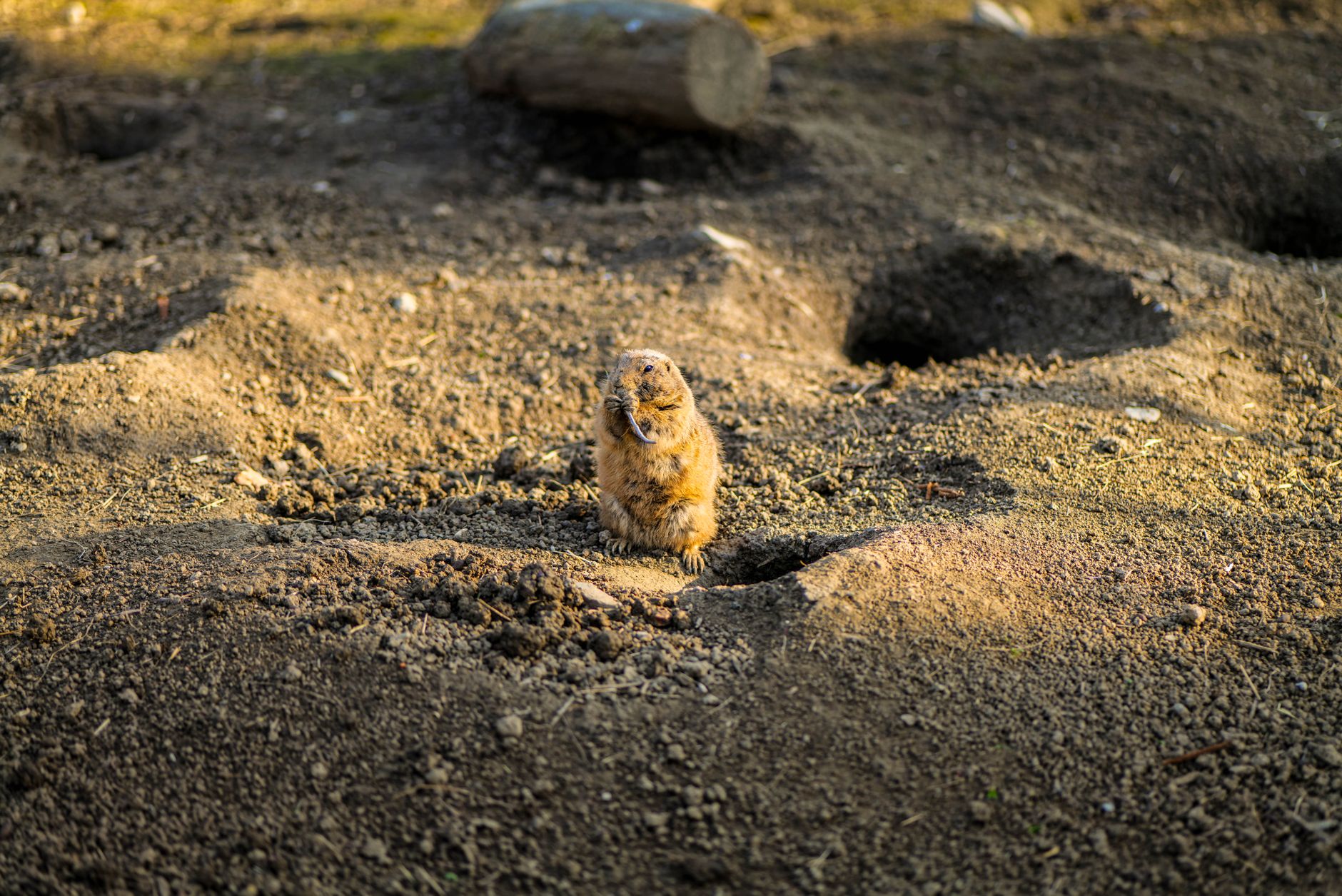
Understanding Ground Squirrel Burrows: An Underground City
Ground squirrels, those ubiquitous residents of parks and fields, are more than just cute critters scampering across the landscape. They are master engineers of the underground, creating complex burrow systems that serve as their homes, nurseries, and shelters from predators and harsh weather. Understanding the structure and depth of these burrows is crucial to appreciating their ecological role and managing their populations, especially when they become agricultural or urban pests.

What colours are fish most attracted to?
Can you put your finger in a trout's mouth?
Is methylene blue anti bacterial?
Does aquarium salt raise pH in aquarium?
Factors Influencing Burrow Depth

The depth to which a ground squirrel digs its burrow is not arbitrary; it’s influenced by several critical factors.
- Soil Type: Loamy and sandy soils are easier to excavate than clay or rocky soils. Ground squirrels will dig deeper in easier-to-work soil.
- Climate: In colder climates, deeper burrows provide better insulation against freezing temperatures.
- Predator Presence: A higher presence of predators might encourage deeper burrow construction for increased safety.
- Water Table: Ground squirrels will avoid areas where the water table is close to the surface, impacting burrow depth.
- Species Differences: Different species of ground squirrels have varying burrowing habits. For example, the California ground squirrel tends to build shallower burrows than the Richardson’s ground squirrel.
- Age and Experience: Older, more experienced squirrels may construct more elaborate and deeper burrows.
The Structure of a Typical Ground Squirrel Burrow
A ground squirrel burrow is more than just a single tunnel; it’s a complex network of chambers and passageways.
- Entrance Holes: These are typically 2-4 inches in diameter and may be surrounded by mounds of excavated soil.
- Main Tunnel: This tunnel extends downwards at an angle and can be several feet long.
- Nest Chamber: A larger, insulated chamber used for sleeping and raising young.
- Food Storage Chamber: A separate chamber for storing food supplies.
- Latrine Chamber: An area used for waste disposal.
- Escape Tunnels: Smaller, hidden tunnels used for quick exits in case of danger.
- Ventilation Shafts: Provide airflow and prevent the burrow from becoming stagnant.
Ecological Significance of Ground Squirrel Burrows
Ground squirrel burrows play a significant role in the ecosystem.
- Soil Aeration: Burrowing helps to aerate the soil, improving drainage and promoting plant growth.
- Nutrient Cycling: The movement of soil and organic matter contributes to nutrient cycling.
- Habitat Provision: Abandoned burrows can provide shelter for other animals, such as snakes, lizards, and insects.
- Seed Dispersal: Ground squirrels can disperse seeds by burying them in their burrows.
Managing Ground Squirrel Populations
While ground squirrels are an integral part of the ecosystem, they can also become pests, particularly in agricultural areas where they can damage crops and undermine irrigation systems. Understanding how deep do ground squirrels burrow is crucial for effective management strategies.
- Habitat Modification: Reducing vegetation cover can make the area less attractive to ground squirrels.
- Trapping: Trapping is a common method of controlling ground squirrel populations.
- Burrow Fumigation: Fumigating burrows with toxic gases can be effective in killing ground squirrels. However, this method can also harm non-target species.
- Repellents: Using repellents to deter ground squirrels from an area.
Frequently Asked Questions About Ground Squirrel Burrow Depth
How deep do ground squirrels burrow on average?
On average, ground squirrel burrows extend from 2 to 5 feet underground. However, this depth can vary depending on the species, soil type, climate, and other factors. Some burrows may only be a foot or two deep, while others can reach depths of up to 6-8 feet or even deeper.
What is the deepest ground squirrel burrow ever recorded?
While precise records are difficult to maintain, the deepest reported ground squirrel burrows have been documented to reach depths of 8 feet or more in certain regions and soil types. However, most burrows fall within the 2-5 foot range.
Why do ground squirrels dig so deep?
Ground squirrels dig deep burrows for several reasons, including protection from predators, insulation from extreme temperatures, and access to food resources. Deeper burrows provide a safer and more stable environment for nesting and raising young.
Do ground squirrels use their burrows year-round?
Many ground squirrel species hibernate during the winter, using their burrows as a safe and insulated shelter. Even during the active season, ground squirrels spend a significant amount of time in their burrows, using them for sleeping, hiding from predators, and escaping extreme weather.
How many entrances does a typical ground squirrel burrow have?
The number of entrances can vary, but a typical ground squirrel burrow usually has several entrances, often ranging from 2 to 10 or more. These entrances provide multiple access points and escape routes.
Do ground squirrels share their burrows with other animals?
While ground squirrels primarily use their burrows, abandoned or less frequently used burrows can be occupied by other animals, such as snakes, lizards, insects, and other rodents. This is a common occurrence in many ecosystems.
What is the difference between a ground squirrel burrow and a gopher tunnel?
Ground squirrel burrows typically have open entrance holes, often with mounds of excavated soil around them, whereas gopher tunnels usually have plugged entrances, with mounds of soil fan-shaped. Also, gopher tunnels tend to be more extensive and deeper than ground squirrel burrows.
How can I tell if a ground squirrel burrow is active?
Signs of an active ground squirrel burrow include freshly excavated soil around the entrance holes, visible tracks leading to and from the burrow, and sightings of ground squirrels entering or exiting the burrow. The presence of fresh droppings near the entrance is also a good indicator.
Are ground squirrel burrows harmful to my property?
Ground squirrel burrows can be harmful to property, especially in agricultural areas where they can damage crops and undermine irrigation systems. In residential areas, they can create unsightly mounds of soil and potentially damage lawns and gardens.
What can I do to prevent ground squirrels from burrowing in my yard?
Several measures can be taken to prevent ground squirrels from burrowing in your yard, including reducing vegetation cover, installing fencing, using repellents, and trapping. A combination of these methods is often the most effective approach.
Is it safe to fill in ground squirrel burrows?
Filling in ground squirrel burrows can be effective in the short term, but the squirrels will often re-excavate the burrows or create new ones nearby. It’s important to ensure that the burrow is unoccupied before filling it in. Furthermore, complete burrow removal can be a complex undertaking and might require professional expertise.
What should I do if I find a ground squirrel burrow on my property?
If you find a ground squirrel burrow on your property and the squirrels are causing damage or becoming a nuisance, you should contact a pest control professional or your local wildlife agency for advice and assistance. They can provide guidance on effective and humane management strategies.