
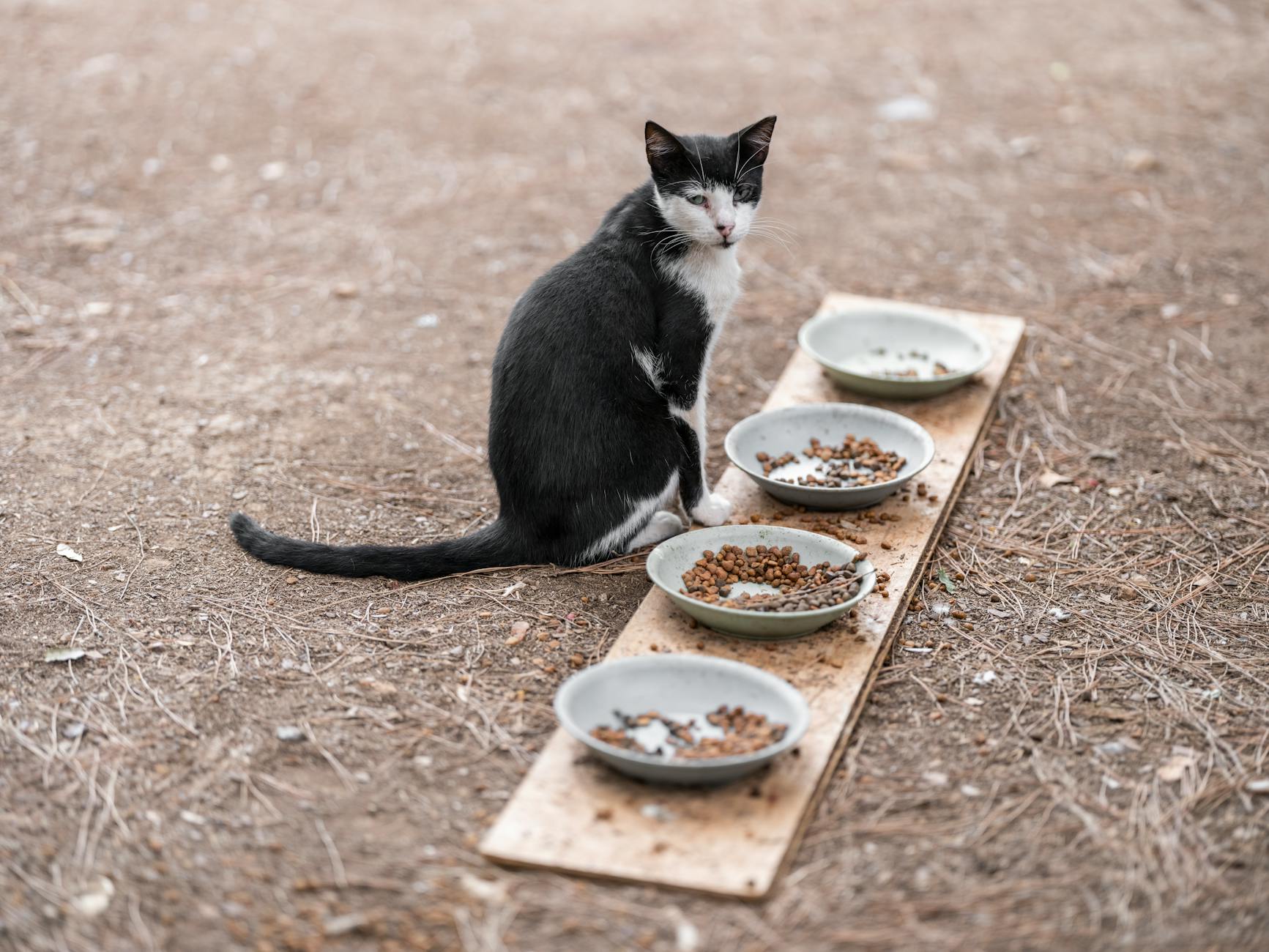
What to Feed Your Cat with Pica: A Comprehensive Guide
The key to feeding a cat with pica lies in providing a diet that addresses potential nutritional deficiencies and psychological needs; prioritizing a high-quality, complete and balanced commercial cat food with added fiber, and providing environmental enrichment to reduce stress and boredom is essential. This addresses what should I feed my cat with pica?

Understanding Feline Pica
Pica is a compulsive eating disorder characterized by the persistent consumption of non-food items. In cats, this can manifest as chewing on fabric, plastic, paper, or other inedible materials. While the exact cause of pica in cats is often multifactorial, several factors are believed to contribute to its development:
- Nutritional Deficiencies: A lack of certain vitamins or minerals, such as iron, can trigger cravings for unusual substances.
- Underlying Medical Conditions: Pica can sometimes be a symptom of an underlying health problem, such as anemia or gastrointestinal issues.
- Genetic Predisposition: Some breeds may be more prone to pica than others.
- Environmental Factors: Boredom, stress, anxiety, and lack of mental stimulation can contribute to pica.
- Early Weaning: Kittens weaned too early may develop abnormal chewing habits.
Addressing what should I feed my cat with pica? is an essential first step, but a holistic approach considering the underlying causes is crucial.
Dietary Strategies for Cats with Pica

The primary goal of dietary management for cats with pica is to address any potential nutritional deficiencies and promote satiety.
-
Choose a High-Quality, Complete and Balanced Diet: Select a commercial cat food that is specifically formulated for your cat’s life stage (kitten, adult, or senior) and contains all the essential nutrients in the correct proportions. Look for brands that have undergone feeding trials according to AAFCO (Association of American Feed Control Officials) guidelines. This is crucial for ensuring a complete and balanced diet.
-
Increase Fiber Intake: Adding fiber to your cat’s diet can help promote satiety and reduce the urge to chew on non-food items. Good sources of fiber include:
- Psyllium husk: Start with a small amount (1/4 teaspoon per day) and gradually increase as needed.
- Canned pumpkin: A small spoonful of plain, canned pumpkin (not pumpkin pie filling) can be added to your cat’s food.
- Commercial high-fiber cat food: Several brands offer formulas specifically designed for digestive health and weight management.
-
Consider Novel Protein Sources: If your cat has sensitivities or allergies, novel protein sources like rabbit, duck, or venison can be beneficial. Food allergies can sometimes contribute to obsessive behaviors.
-
Ensure Adequate Hydration: Provide fresh water at all times. Dehydration can exacerbate cravings and lead to other health problems. Consider adding wet food to your cat’s diet to increase their water intake.
-
Feed Multiple Small Meals: Instead of offering one or two large meals, divide your cat’s daily food ration into several smaller meals throughout the day. This can help keep them feeling fuller and reduce boredom.
Environmental Enrichment and Behavioral Modification
In addition to dietary changes, environmental enrichment and behavioral modification are essential for managing pica in cats. This is just as important as what should I feed my cat with pica?
-
Provide Plenty of Toys: Offer a variety of toys, including interactive toys, puzzle feeders, and toys that mimic prey. Rotate the toys regularly to keep your cat interested.
-
Increase Playtime: Engage in regular play sessions with your cat to provide physical and mental stimulation.
-
Scratching Posts: Ensure your cat has access to multiple scratching posts to satisfy their natural scratching instincts.
-
Safe Chewing Alternatives: Offer safe chewing alternatives, such as cat-safe chew toys or cat grass.
-
Address Stress and Anxiety: Identify and address any sources of stress or anxiety in your cat’s environment. This may involve consulting with a veterinary behaviorist.
-
Restrict Access to Problem Items: Remove or restrict access to items your cat commonly chews on. This may involve covering furniture with blankets, storing items in closed containers, or using deterrent sprays.
Common Mistakes to Avoid
- Ignoring the Problem: Pica is a serious issue that should not be ignored. It can lead to gastrointestinal obstruction, poisoning, and other health problems.
- Punishing Your Cat: Punishing your cat for chewing on non-food items is not effective and can actually worsen the problem. It can create anxiety and damage your relationship with your cat.
- Only Focusing on Diet: While diet is important, it is not the only factor to consider. Environmental enrichment and behavioral modification are also essential.
- Not Consulting a Veterinarian: It is crucial to consult with your veterinarian to rule out any underlying medical conditions and to develop a comprehensive management plan.
Seeking Veterinary Guidance
Before making any significant changes to your cat’s diet or environment, it is essential to consult with your veterinarian. They can help you:
- Identify any underlying medical conditions.
- Recommend the best diet for your cat’s individual needs.
- Develop a comprehensive management plan that addresses both diet and behavior.
- Rule out other behavioral issues.
Remember that managing pica in cats can be a challenging process, but with patience, consistency, and a collaborative approach with your veterinarian, you can help your cat live a healthier and happier life. Knowing what should I feed my cat with pica? is only the first step.
Comparing High Fiber Food Options for Cats with Pica
| Feature | High Fiber Dry Food | Canned Pumpkin Supplement | Psyllium Husk Supplement |
|---|---|---|---|
| Convenience | Very convenient, pre-portioned | Convenient to add to existing food | Requires careful measurement & mixing |
| Nutritional Completeness | Complete and balanced diet | Supplement, not a complete meal | Supplement, not a complete meal |
| Fiber Source | Varies depending on brand (e.g., beet pulp, cellulose) | Natural source of soluble fiber | Insoluble fiber |
| Palatability | Generally palatable | Generally palatable, cats often enjoy | Can be unpalatable if not mixed well |
| Hydration | Less hydrating | Adds moisture | May draw moisture, so water intake is critical |
| Cost | Moderate | Relatively inexpensive | Very inexpensive |

FAQs on What to Feed a Cat With Pica
What are the dangers of pica in cats?
Pica can pose significant health risks to cats, including gastrointestinal obstruction from indigestible materials, toxicity from consuming poisonous substances, damage to teeth and gums, and nutritional imbalances if non-food items displace essential nutrients in their diet. Immediate veterinary attention is required should you notice symptoms of pica.
Can diet alone cure pica in cats?
While a balanced and high-fiber diet can help address potential nutritional deficiencies and promote satiety, it’s unlikely to completely cure pica on its own. Addressing environmental factors like boredom and stress is equally important for managing the underlying causes of pica. Thinking, therefore, about what should I feed my cat with pica? needs to involve more than just food.
Is it safe to give my cat human food to increase fiber intake?
While certain human foods like cooked vegetables can provide fiber, it’s generally not recommended to give your cat human food regularly. Human foods may contain ingredients that are toxic to cats or lack the essential nutrients they need. Stick to cat-specific high-fiber options.
How much fiber should I add to my cat’s diet?
The ideal amount of fiber to add to your cat’s diet depends on their individual needs and the source of fiber you are using. Start with a small amount and gradually increase as needed, monitoring your cat’s stool consistency and overall health. Consult your veterinarian for personalized recommendations.
What if my cat refuses to eat a high-fiber diet?
If your cat refuses to eat a high-fiber diet, try gradually transitioning them to the new food by mixing it with their old food. You can also try different brands or flavors to find one that your cat enjoys. If your cat continues to refuse the high-fiber diet, consult your veterinarian for alternative options.
Are there any specific ingredients I should avoid in cat food if my cat has pica?
Generally, avoid foods with excessive fillers or artificial additives, as these may contribute to nutritional imbalances. Focus on high-quality protein sources and easily digestible ingredients. Your vet can offer specific recommendations based on your cat’s sensitivities.
How long will it take to see results from dietary changes?
It can take several weeks or even months to see significant results from dietary changes and environmental enrichment. Be patient and consistent with your efforts, and monitor your cat’s behavior closely. If you don’t see any improvement, consult your veterinarian for further evaluation.
Could my cat’s pica be caused by parasites?
In some cases, intestinal parasites can contribute to nutritional deficiencies and trigger pica. Your veterinarian can perform a fecal examination to check for parasites and recommend appropriate treatment. Always consider the complete environment, not just what should I feed my cat with pica?.
What are some safe chew toys I can offer my cat?
Safe chew toys for cats include those made from durable rubber, natural fibers, or catnip-infused materials. Avoid toys with small parts that could be swallowed. Supervise your cat while they are playing with chew toys to ensure they are not breaking them apart.
Is wet food or dry food better for cats with pica?
Both wet and dry food can be beneficial for cats with pica, but wet food has the added advantage of increasing hydration, which can help with digestion and overall health. You can offer a combination of both wet and dry food to provide a balanced diet and keep your cat interested. Considering both options can improve what should I feed my cat with pica?.
My cat only has pica for certain items. What does that mean?
Selective pica might indicate a specific craving related to the texture, smell, or composition of the item. It could also be linked to a learned behavior or anxiety associated with a particular object. Discuss this specificity with your veterinarian or a veterinary behaviorist.
When should I consult with a veterinary behaviorist about my cat’s pica?
If dietary changes and environmental enrichment are not effectively managing your cat’s pica, or if you suspect that anxiety or stress is a major contributing factor, it’s time to consult with a veterinary behaviorist. They can help you identify the underlying causes of your cat’s pica and develop a personalized behavior modification plan.