
How Cold Can Neon Tetras Survive? Understanding Their Temperature Tolerance
Neon tetras can survive short-term temperature dips to around 68°F (20°C), but their long-term health and survival depend on a stable temperature range of 72°F to 78°F (22°C to 26°C). Maintaining this optimal range is critical for preventing stress, disease, and premature death.
Understanding Neon Tetras and Their Natural Habitat
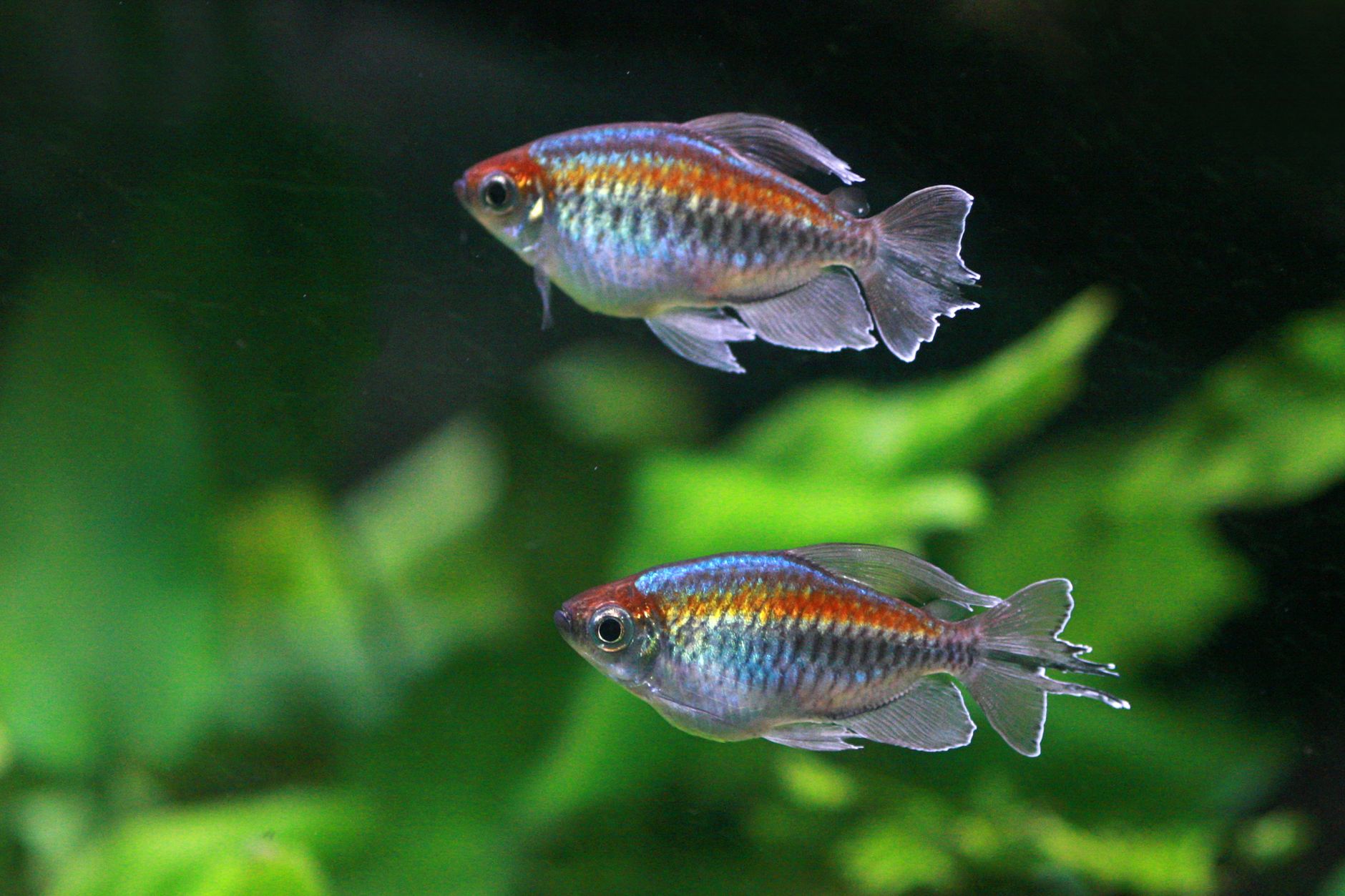
Neon tetras (Paracheirodon innesi) are small, vibrant freshwater fish native to the blackwater and clearwater streams of the Amazon basin in South America. Understanding their natural environment is crucial to understanding their temperature tolerance. These waters are typically acidic and stained with tannins from decaying leaf litter, but most importantly, they maintain a relatively consistent temperature throughout the year. In the wild, neon tetras rarely experience significant temperature fluctuations. Replicating this stable environment in the home aquarium is essential for their well-being. The parameters beyond temperature is also a key factor in a thriving environment, such as pH and water hardness.
What colours are fish most attracted to?
Can you put your finger in a trout's mouth?
Is methylene blue anti bacterial?
Does aquarium salt raise pH in aquarium?
The Ideal Temperature Range for Neon Tetras

The ideal temperature range for keeping neon tetras is between 72°F and 78°F (22°C to 26°C). This range closely mimics the conditions in their natural habitat and allows them to thrive. Within this range, neon tetras are most active, display their vibrant colors, and are best able to fight off disease. Maintaining this temperature is critical for their long-term health and lifespan.
The Dangers of Cold Temperatures
How cold can neon tetras survive? Exposure to temperatures below 72°F can be detrimental to neon tetras. While they might survive short periods at lower temperatures (down to around 68°F), prolonged exposure can lead to:
- Stress: Cold water weakens their immune system, making them more susceptible to disease.
- Ich (White Spot Disease): This parasitic infection is common in stressed fish and thrives in cooler water.
- Slowed Metabolism: Cold temperatures reduce their activity level and digestion, affecting their growth and overall health.
- Death: Prolonged exposure to temperatures below 68°F can be fatal.
Monitoring and Maintaining Water Temperature
Maintaining a stable water temperature is vital for the health of your neon tetras. Here’s how to do it effectively:
- Use a Reliable Heater: Choose a submersible aquarium heater that is appropriately sized for your tank volume. An adjustable heater is preferable so you can dial in your target temperature.
- Monitor Regularly: Use a submersible thermometer to monitor the water temperature daily. Place the thermometer away from the heater for an accurate reading. Digital thermometers are often more accurate and easier to read.
- Insulate the Tank: In colder climates, consider insulating the tank with foam or blankets to help maintain a stable temperature.
- Avoid Temperature Swings: Be mindful of factors that can cause temperature fluctuations, such as direct sunlight, drafts, and large water changes with water that isn’t temperature-matched.
What To Do if the Temperature Drops Too Low
If you notice the water temperature dropping below the ideal range, take immediate action:
- Check the Heater: Ensure the heater is functioning correctly and plugged in.
- Adjust the Heater: Increase the heater setting if needed.
- Partial Water Change: If the temperature drop is due to a recent water change, perform a small, partial water change with warmer (but not hot) water that is properly conditioned.
- Insulate the Tank: Add insulation to help retain heat.
- Monitor Closely: Keep a close eye on the temperature and your fish’s behavior.
Preventing Temperature Fluctuations
Prevention is always better than cure. Here are some tips to prevent temperature fluctuations in your neon tetra tank:
- Stable Environment: Keep the tank in a room with a consistent temperature.
- Avoid Direct Sunlight: Direct sunlight can cause rapid temperature increases.
- Proper Filtration: Ensure adequate water circulation to distribute heat evenly.
- Acclimation: When introducing new fish, acclimate them slowly to the tank’s temperature by floating the bag in the tank for about 30 minutes. Gradually add small amounts of tank water to the bag before releasing them.
Temperature and Neon Tetra Health
Neon tetras are particularly sensitive to temperature changes. A stable environment is crucial for their well-being. Stress caused by fluctuating or low temperatures can compromise their immune system, making them vulnerable to diseases like ich, fin rot, and neon tetra disease.
Common Mistakes
Avoiding these common mistakes will help you maintain a healthy environment for your neon tetras:
- Using an Inadequate Heater: A heater that is too small for the tank will struggle to maintain a stable temperature.
- Ignoring Temperature Swings: Failing to monitor the temperature regularly can lead to undetected fluctuations.
- Overcrowding the Tank: Overcrowding can stress the fish and make them more susceptible to temperature-related problems.
- Adding Untreated Tap Water: Always use a dechlorinator to remove harmful chemicals from tap water before adding it to the tank.
Frequently Asked Questions (FAQs)
Can neon tetras survive in a pond?
No, neon tetras are not suitable for ponds. They are tropical fish that require warm water temperatures, which are impossible to maintain consistently in an outdoor pond, especially in regions with colder climates. How cold can neon tetras survive? The answer is that they need warm, stable tropical conditions.
What is the minimum tank size for neon tetras?
A minimum of 10 gallons is generally recommended for a small school of neon tetras (6 or more). Larger tanks are preferable as they provide more space and are more stable, so the fish are less prone to stress.
How long can neon tetras survive without a heater?
Neon tetras might survive for a short period without a heater if the ambient temperature is within their acceptable range (72°F to 78°F). However, if the temperature drops below this range, their health will be compromised, and they are unlikely to survive for long. Prolonged exposure to lower temperatures increases the risk of disease and death.
Do neon tetras need a bubbler or air stone?
While not strictly essential, a bubbler or air stone can be beneficial. It helps to increase oxygen levels in the water, which can be particularly important in heavily planted tanks or when the water temperature is higher (as warmer water holds less oxygen). Also, it helps create movement and current for a more active and healty environment.
How do I treat ich (white spot disease) in neon tetras?
Ich is often treated by slowly raising the water temperature to around 86°F (30°C) and using an appropriate medication. Always follow the instructions on the medication carefully. Adding aquarium salt (at a dosage of 1 teaspoon per gallon) can also help. Monitor your fish closely and perform regular water changes.
What are the signs of a stressed neon tetra?
Signs of stress in neon tetras include: loss of color, clamped fins, erratic swimming, hiding, and loss of appetite. These symptoms can be related to a change in water temperature, pH level or water quality.
What is the best food for neon tetras?
Neon tetras are omnivores and thrive on a varied diet. Offer them high-quality flake food, small frozen foods (such as bloodworms and daphnia), and live foods (like brine shrimp) to ensure they get all the nutrients they need.
Can I keep neon tetras with other fish?
Yes, neon tetras are generally peaceful and can be kept with other small, non-aggressive fish that prefer similar water conditions. Good tank mates include other tetras, rasboras, corydoras catfish, and peaceful gouramis.
How often should I change the water in my neon tetra tank?
A partial water change of 25-50% should be performed every 1-2 weeks, depending on the tank size, number of fish, and filtration system. Regular water changes help to remove accumulated nitrates and maintain good water quality.
What pH level is best for neon tetras?
Neon tetras prefer slightly acidic water, with a pH level between 6.0 and 7.0. Maintaining a stable pH is important for their health and well-being.
What is “Neon Tetra Disease”?
Neon tetra disease (NTD) is a debilitating and often fatal disease caused by a parasite called Pleistophora hyphessobryconis. Symptoms include loss of color, a curved spine, and difficulty swimming. There is no known cure, and affected fish should be removed from the tank to prevent the spread of the disease.
What should I do if my neon tetras are dying?
If your neon tetras are dying, immediately test the water parameters (ammonia, nitrite, nitrate, pH, temperature) to identify any potential problems. Perform a partial water change and address any imbalances. Observe the remaining fish closely for signs of disease and treat accordingly. Isolate any sick fish to prevent the spread of infection. Addressing ” How cold can neon tetras survive?“, ensure the aquarium is always above 72°F.