
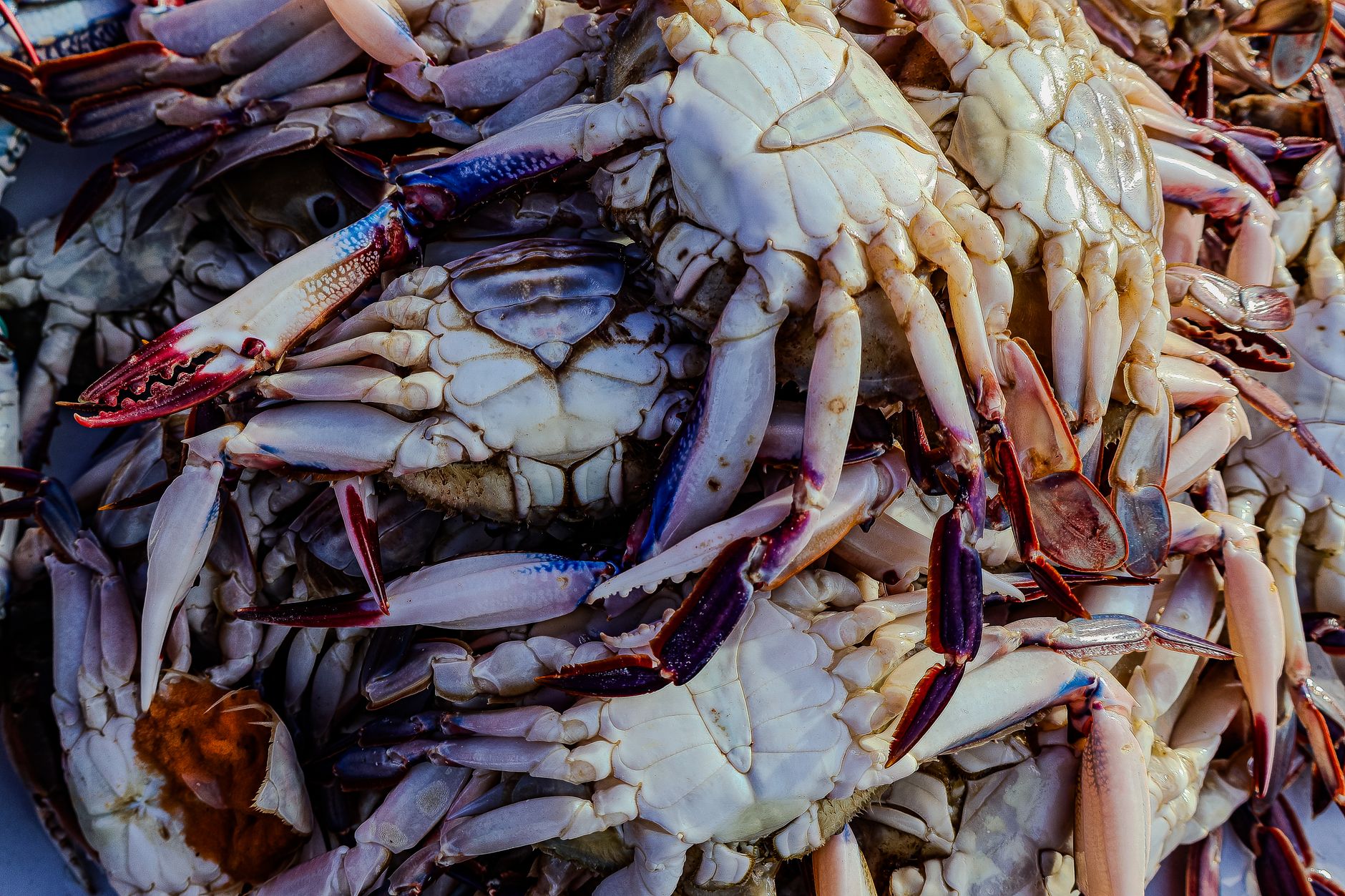
What Not to Eat on a Crab: Avoiding Unwanted Extras
What not to eat on a crab? Simply put, avoid the gills, the digestive tract (hepatopancreas or “crab butter” for most people, although some enjoy it), and the small sac near the face. These parts are either inedible or potentially unsafe, and removing them ensures a delicious and worry-free crab feast.

Understanding Crab Anatomy for Safe Consumption
Crab consumption is a culinary delight enjoyed across the globe. However, knowing which parts to avoid is crucial for a safe and enjoyable experience. The key to enjoying crab lies in understanding its anatomy and identifying the parts that are unsuitable for consumption.
Parts to Avoid: A Detailed Breakdown

Knowing what not to eat on a crab is as important as knowing what to eat. These parts are generally considered inedible and could pose health risks or simply detract from the flavor:
-
Gills (Dead Man’s Fingers): These are feathery structures located along the sides of the crab’s body, under the shell. They filter water and can contain contaminants and bacteria. They look like pale grey or brown feathery strips. Consuming them is generally not recommended due to the potential for harboring toxins.
-
Digestive Tract (Hepatopancreas): Often referred to as “crab butter,” this organ acts as the crab’s liver and pancreas. While some cultures consider it a delicacy, it can contain toxins, particularly in crabs harvested from polluted waters. The hepatopancreas is a yellow-green or brownish mass located in the main body cavity. It’s best to err on the side of caution and avoid this part.
-
Mandibular Glands: These glands are located in the face/head region of the crab. They can be small sacs near the mouth and aren’t appetizing to eat.
-
Shell Fragments: This isn’t a part of the crab per se, but vigilance is needed to avoid shell fragments during cleaning and consumption.
Identifying Safe and Delicious Parts
Now that we’ve covered what not to eat on a crab, let’s focus on the parts you can enjoy:
-
Claw Meat: Arguably the most prized part of the crab, the claw meat is sweet, succulent, and easily accessible.
-
Body Meat: The body meat, located in the main cavity, is more fibrous than the claw meat but still flavorful.
-
Leg Meat: Similar to the claw meat, the leg meat is delicious and easily accessible with the right tools.
Safe Crab Preparation: A Step-by-Step Guide
To ensure a safe and enjoyable crab eating experience, follow these steps during preparation:
- Thoroughly Rinse: Rinse the crab under cold running water to remove any dirt or debris.
- Remove the Top Shell: Carefully pry off the top shell of the crab.
- Remove the Gills: Scrape out the gills (Dead Man’s Fingers) and discard them.
- Remove the Digestive Tract: Locate the hepatopancreas (crab butter) and remove it.
- Rinse Again: Rinse the crab again to remove any remaining debris.
- Cook Thoroughly: Steam, boil, or bake the crab until it is cooked through. The shell should turn bright red, and the meat should be opaque.
Best Practices for Selecting Safe Crabs
When purchasing crabs, keep the following in mind:
- Source: Buy crabs from reputable sources to ensure they are harvested from clean waters.
- Freshness: Choose live crabs that are active and responsive.
- Smell: Avoid crabs with a strong or unpleasant odor.
- Season: Consider the crab season, as crabs are often at their best during certain times of the year. For instance, blue crab season typically peaks in the late summer and early fall.
Why Avoiding Certain Parts Matters: Health and Safety
Understanding what not to eat on a crab is crucial for avoiding potential health risks. The gills can harbor bacteria and contaminants, while the digestive tract may contain toxins. Consuming these parts could lead to illness.

Frequently Asked Questions About Eating Crab
Is “crab butter” (hepatopancreas) safe to eat?
While some consider it a delicacy, the hepatopancreas (crab butter) can accumulate toxins, especially in crabs from polluted waters. It is generally safer to avoid consuming it, particularly if you are unsure of the crab’s origin.
What are “Dead Man’s Fingers” on a crab?
“Dead Man’s Fingers” is a common name for the gills of the crab. They should always be removed and discarded as they are inedible and can harbor bacteria and contaminants.
Can I eat the shell of a crab?
No, the shell of a crab is not edible. It is too hard to digest and provides no nutritional value. However, it can be used for making crab stock.
Are there any types of crab where it’s safe to eat everything?
Generally, no part of the crab shell should be eaten. While some people may eat the soft-shell crab entirely after it has shed its shell, most types of crab have hard shells that are inedible. Even with soft-shell crabs, be sure to remove gills.
How do I know if a crab is cooked properly?
A cooked crab will have a bright red shell and the meat will be opaque. The internal temperature should reach 165°F (74°C).
Can I eat crab if I have a shellfish allergy?
No, if you have a shellfish allergy, you should avoid eating crab entirely. Crab is a shellfish and can cause a severe allergic reaction.
What are the symptoms of eating bad crab?
Symptoms of eating bad crab can include nausea, vomiting, diarrhea, stomach cramps, and fever. If you experience these symptoms after eating crab, seek medical attention.
Is it safe to eat crab during pregnancy?
Cooked crab is generally safe to eat during pregnancy in moderation, as long as it’s sourced responsibly and properly cooked to avoid listeria. However, pregnant women should avoid eating raw or undercooked seafood and consult with their healthcare provider.
How long can I store cooked crab?
Cooked crab can be stored in the refrigerator for 3-4 days. Ensure it is properly wrapped or stored in an airtight container.
What is the best way to clean a crab before cooking?
Rinse the crab under cold running water to remove any dirt or debris. Then, remove the top shell, gills, and digestive tract before cooking.
What is the nutritional value of crab?
Crab is a good source of protein, vitamins, and minerals, including vitamin B12, zinc, and selenium. It is also low in fat and calories.
Where can I find the freshest crab?
Visit local fish markets or seafood suppliers that source their crabs directly from fishermen. Check for freshness by observing the crab’s activity and smell.
By understanding what not to eat on a crab and following these guidelines, you can confidently enjoy this delicious seafood while prioritizing your health and safety.