
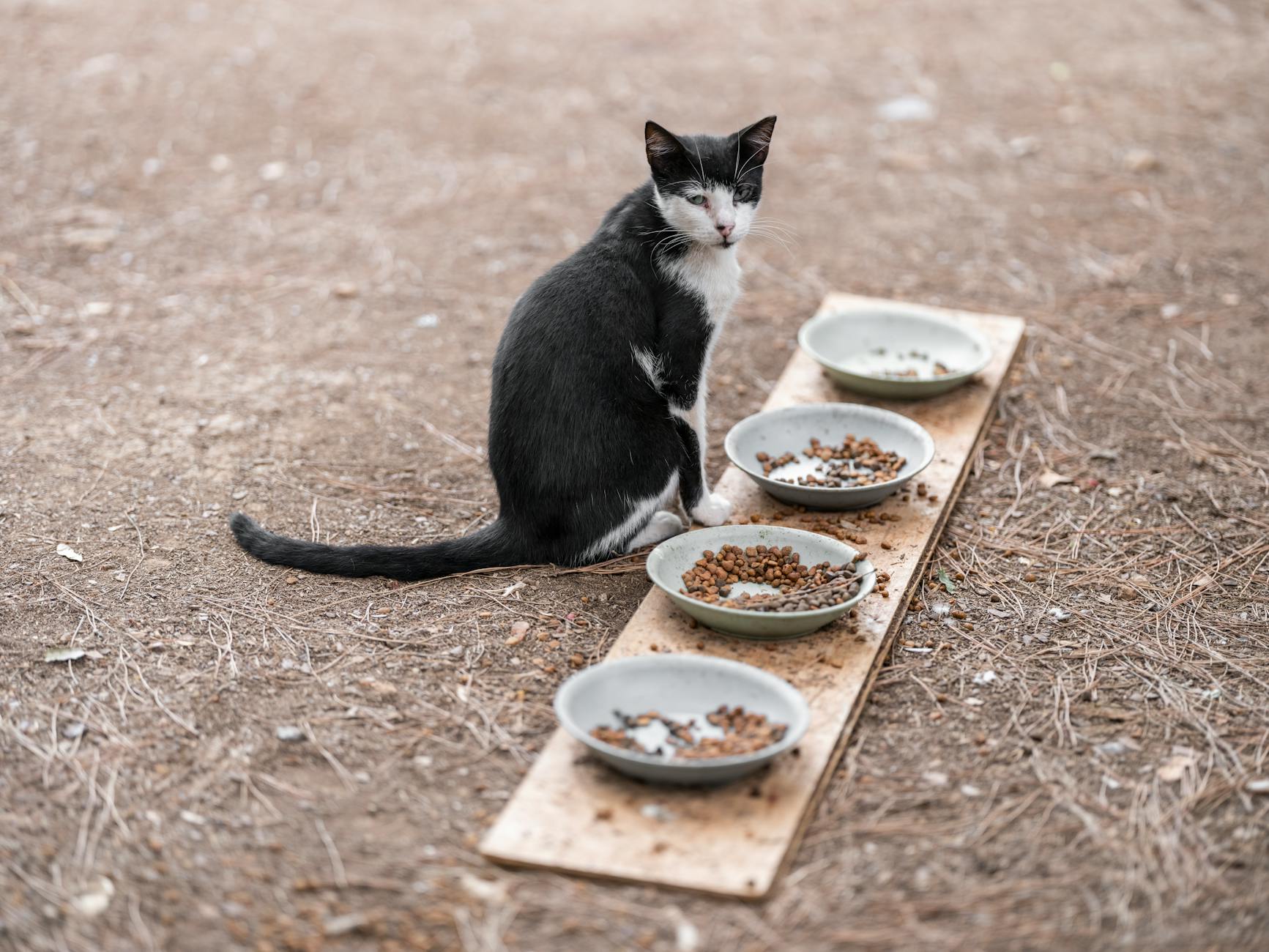
Is it OK to Feed Your Cat Twice a Day?
Feeding your cat twice a day is generally excellent for their health and well-being, mimicking their natural hunting patterns and providing stable energy levels; therefore, yes, is it OK to feed cat twice a day?.

Introduction: The Feline Feeding Philosophy
For cat owners, determining the optimal feeding schedule can feel like deciphering a complex code. Should you free-feed, providing constant access to kibble? Or should you adopt a more structured approach? The answer, like many things in feline care, depends on various factors, but a common recommendation resonates among veterinarians and feline behaviorists: feeding your cat twice a day. This approach aligns with a cat’s natural instincts and offers several advantages over other feeding strategies. Understanding these benefits and implementing a proper feeding routine can contribute significantly to your cat’s overall health and happiness.
Benefits of Twice-Daily Feeding

Is it OK to feed cat twice a day? Yes, and the reasons are manifold. Moving away from the all-you-can-eat buffet and adopting a twice-daily feeding schedule offers a cascade of benefits for your feline friend.
- Weight Management: Free-feeding often leads to overeating and obesity, a significant health risk for cats. Scheduled meals help control portion sizes and prevent weight gain.
- Digestive Health: Regular feeding times allow for more consistent digestion, reducing the risk of digestive upset like vomiting or diarrhea.
- Behavioral Enrichment: Mealtime can be a highlight of a cat’s day. Scheduled feedings provide structure and anticipation, reducing boredom and potentially destructive behaviors.
- Monitoring Appetite Changes: Consistent feeding habits make it easier to detect any changes in your cat’s appetite, which can be an early indicator of illness.
- Stronger Bond: You can establish a positive association with food and create a rewarding interaction by hand-feeding them or offering a comforting presence during mealtimes.
How to Implement a Twice-Daily Feeding Schedule
Transitioning your cat to a twice-daily feeding schedule requires patience and consistency. Here’s a step-by-step guide to help you make the switch smoothly:
- Determine the Correct Daily Calorie Intake: Consult with your veterinarian to calculate the appropriate number of calories your cat needs based on their age, weight, activity level, and health status.
- Divide the Daily Amount: Split the total daily calorie intake into two equal portions – one for the morning meal and one for the evening meal.
- Establish Consistent Feeding Times: Choose specific times each day for feeding and stick to them as closely as possible. Consistency is key to helping your cat adjust.
- Gradual Transition (if Free-Feeding): If your cat is used to free-feeding, don’t suddenly remove the food bowl. Instead, start by offering a measured amount of food at the designated mealtimes and remove the excess after a set period (e.g., 30 minutes). Gradually reduce the amount of food left out until your cat is eating only at mealtimes.
- Monitor Your Cat’s Weight and Adjust: Regularly monitor your cat’s weight and adjust the food portions as needed to maintain a healthy body condition.
- Provide Fresh Water: Always ensure your cat has access to fresh, clean water throughout the day.
Common Mistakes to Avoid
Even with the best intentions, cat owners sometimes make mistakes when implementing a twice-daily feeding schedule. Here are some common pitfalls to avoid:
- Giving in to Begging: Cats are masters of persuasion. Resist the urge to give extra food or treats outside of scheduled mealtimes, as this can reinforce begging behavior and lead to weight gain.
- Inconsistent Feeding Times: Varying feeding times significantly can disrupt your cat’s routine and cause anxiety.
- Ignoring Calorie Content of Treats: Remember to factor in the calories from treats when calculating your cat’s daily calorie intake. Too many treats can undermine your efforts to control their weight.
- Using Incorrect Measuring Tools: Eyeballing food portions can lead to inaccuracies. Use a measuring cup or a kitchen scale to ensure you’re providing the correct amount of food.
- Not Adjusting for Activity Levels: If your cat becomes more or less active, you may need to adjust their food portions accordingly.
Understanding Cat Food Types
The type of food you choose is just as important as the feeding schedule. Cats are obligate carnivores, meaning they require a diet high in animal protein. Consider the following when selecting cat food:
- Dry Food (Kibble): Convenient and affordable, but often higher in carbohydrates and lower in moisture than wet food.
- Wet Food (Canned Food): Higher in moisture, which is beneficial for hydration, and typically higher in protein than dry food.
- Raw Food: Mimics a cat’s natural diet but requires careful handling to prevent bacterial contamination. Consult your veterinarian before switching to a raw food diet.
- Prescription Diets: Formulated to address specific health conditions, such as kidney disease or food allergies. These should only be used under veterinary supervision.
It’s crucial to choose a high-quality cat food that is appropriate for your cat’s age, health status, and lifestyle.
Integrating Interactive Feeders
Interactive feeders can enrich your cat’s feeding experience and provide mental stimulation. These feeders require cats to work for their food, mimicking their natural hunting behavior. Types include:
- Puzzle Feeders: Require cats to solve puzzles to access the food.
- Slow Feeders: Designed to slow down eating, preventing gulping and improving digestion.
- Hunting Feeders: Encourage cats to “hunt” for their food by scattering it around the house.
Using interactive feeders can help prevent boredom, reduce anxiety, and promote healthy eating habits.
Addressing Specific Health Conditions
While twice-daily feeding is generally recommended, some cats may require a different feeding schedule due to specific health conditions.
- Diabetes: Diabetic cats often benefit from consistent feeding times to help regulate blood sugar levels. Your veterinarian will provide specific recommendations for feeding a diabetic cat.
- Hyperthyroidism: Cats with hyperthyroidism may have an increased appetite and require more frequent meals.
- Kidney Disease: Cats with kidney disease often require a special diet and may benefit from smaller, more frequent meals.
Always consult with your veterinarian to determine the best feeding schedule for your cat’s individual needs.
Monitoring Your Cat’s Weight
Regularly monitoring your cat’s weight is a crucial aspect of maintaining their health. There are several ways to do this:
- Weighing at Home: Use a baby scale or a pet scale to weigh your cat at home.
- Veterinary Checkups: Your veterinarian will weigh your cat during regular checkups.
- Body Condition Scoring: Learn how to assess your cat’s body condition using a body condition score chart. This involves feeling for ribs and assessing the waistline.
By regularly monitoring your cat’s weight, you can make necessary adjustments to their diet and exercise routine to keep them in optimal health.
The Role of Treats
Treats can be a valuable tool for training and bonding with your cat, but it’s essential to use them in moderation.
- Choose Healthy Treats: Opt for treats that are low in calories and made with high-quality ingredients.
- Account for Treat Calories: Remember to factor in the calories from treats when calculating your cat’s daily calorie intake.
- Use Treats Strategically: Use treats as rewards for good behavior or during training sessions.
- Avoid Human Food: Many human foods are toxic to cats, so avoid giving them table scraps.
Conclusion: The Verdict on Twice-Daily Feeding
Is it OK to feed cat twice a day? As we’ve established, adopting a twice-daily feeding schedule offers numerous advantages for your feline companion, promoting healthy weight management, improving digestion, and enriching their overall well-being. By understanding your cat’s individual needs and implementing a consistent feeding routine, you can contribute to a happier and healthier life for your beloved pet. Remember to consult with your veterinarian for personalized recommendations and to address any specific health concerns.

Frequently Asked Questions (FAQs)
1. What if my cat cries for food between meals?
It’s common for cats to beg for food, especially during the transition to a new feeding schedule. Resist the urge to give in, as this reinforces the begging behavior. Instead, try distracting your cat with playtime or providing them with a puzzle feeder to keep them entertained.
2. How do I know if I’m feeding my cat too much or too little?
Monitor your cat’s weight and body condition. If they are gaining weight, reduce the food portions. If they are losing weight, increase the food portions. Your veterinarian can help you assess your cat’s body condition and determine the appropriate feeding amount.
3. Can I feed my cat once a day instead of twice?
While twice-daily feeding is generally preferred, some cats may do well on a once-a-day feeding schedule, especially if they are older or less active. However, it’s essential to ensure they are getting the appropriate amount of calories and nutrients in that single meal. Monitor their weight and body condition closely, and consult with your veterinarian to determine if once-a-day feeding is suitable for your cat.
4. Is it OK to leave dry food out all day if I’m feeding wet food twice a day?
Leaving dry food out all day, even with scheduled wet food meals, can lead to overeating and weight gain. It’s generally best to stick to the twice-daily feeding schedule for both wet and dry food.
5. What if I have multiple cats?
Feeding multiple cats can be challenging, especially if they have different dietary needs. Consider using microchip-activated feeders to ensure each cat is eating only their designated food. Supervise mealtimes to prevent one cat from eating another cat’s food.
6. My cat vomits after eating. What should I do?
If your cat vomits regularly after eating, consult with your veterinarian. This could be a sign of a food allergy, digestive issue, or other underlying health condition.
7. What are the best times to feed my cat?
The best times to feed your cat are typically in the morning and evening, coinciding with their natural hunting instincts. Choose times that are convenient for your schedule and stick to them consistently.
8. Can I mix wet and dry food together?
Yes, you can mix wet and dry food together, but it’s essential to ensure you’re providing the correct amount of calories overall. Consider feeding wet and dry food separately at different mealtimes to maximize the benefits of each type of food.
9. Is grain-free cat food better?
Grain-free cat food is not necessarily better for all cats. Unless your cat has a diagnosed grain allergy, there is no inherent benefit to feeding grain-free food. In some cases, grain-free diets may contain higher levels of carbohydrates from other sources, which can contribute to weight gain.
10. How often should I change my cat’s food bowl?
Wash your cat’s food bowl daily to prevent the growth of bacteria and keep it clean.
11. My cat is losing weight despite eating regularly. What could be wrong?
Unexplained weight loss, even with a normal appetite, can be a sign of an underlying health condition, such as hyperthyroidism, diabetes, or intestinal parasites. Consult with your veterinarian to determine the cause of the weight loss and receive appropriate treatment.
12. How can I tell if my cat is hydrated enough?
Check their skin turgor (the elasticity of the skin) and monitor their urine output. Well-hydrated cats will have elastic skin that quickly returns to its normal position when gently pinched. Dehydrated cats may also have sunken eyes or dry gums. Encourage water intake by providing multiple water sources, using a cat water fountain, or adding wet food to their diet. If you are concerned about your cat’s hydration, consult with your veterinarian.