

How to Forge a Friendship: Making Friends with a Deer
Discover the secrets of cultivating a bond with these elusive creatures! Unfortunately, the answer is generally that you cannot reliably and safely make friends with a deer. While respecting and observing them from a distance is admirable, attempting to domesticate or befriend wild deer is detrimental to their well-being and potentially dangerous for both you and the animal.

Understanding the Wild Nature of Deer
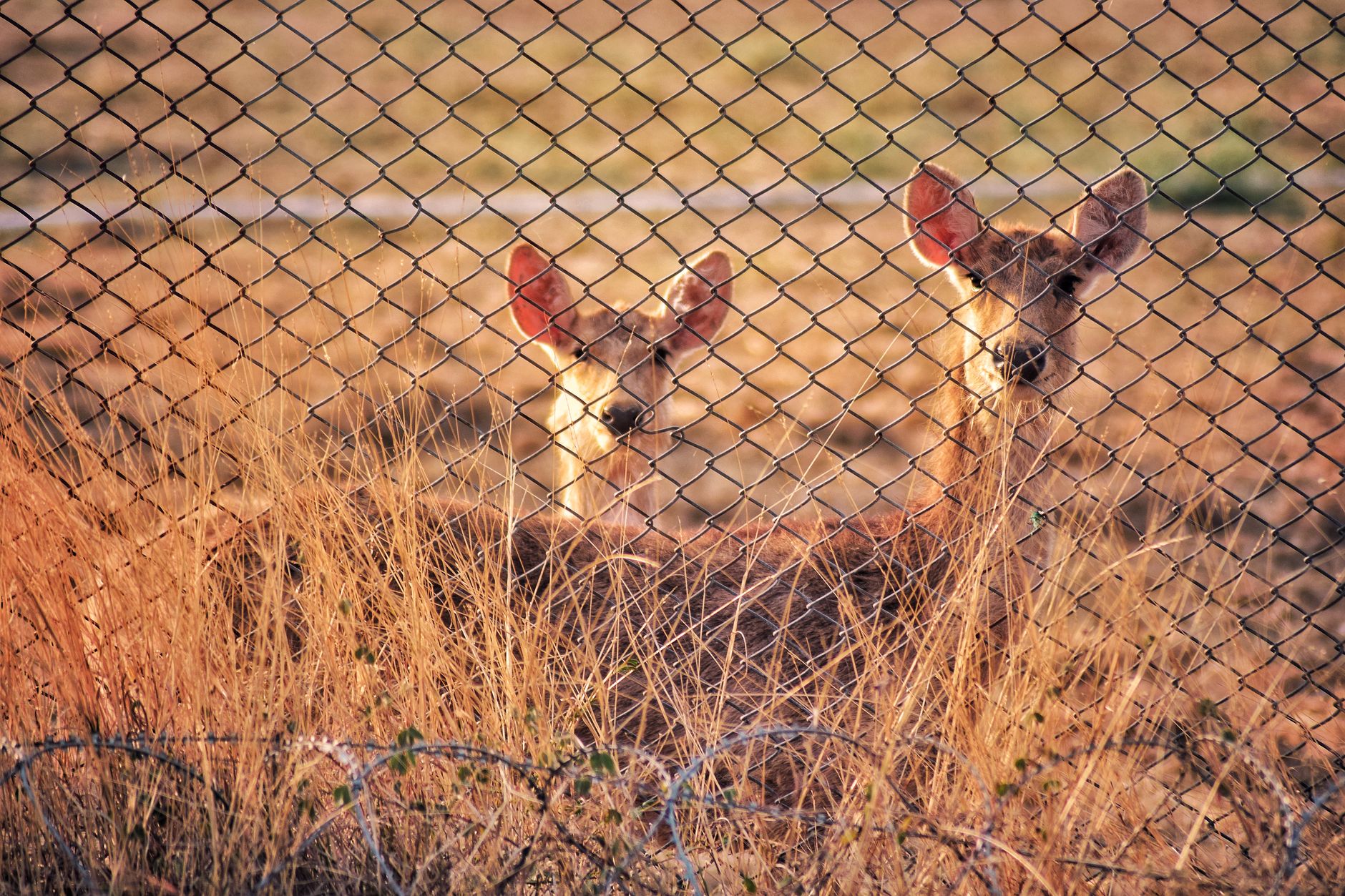
Attempting to befriend a deer often stems from a place of admiration, but it’s crucial to remember that deer are inherently wild animals. Their behavior is dictated by instinct, survival, and seasonal changes. While some may appear tame, especially those habituated to human presence, they retain their wild instincts. Deer are not domesticated like dogs or cats, and therefore, their behavior is unpredictable.
- Deer operate within a complex social structure dictated by hierarchies and seasonal needs.
- Their primary goal is survival, which includes finding food, avoiding predators, and mating.
- Human interaction can disrupt these natural behaviors and put deer at risk.
What colours are fish most attracted to?
Can you put your finger in a trout's mouth?
Is methylene blue anti bacterial?
Does aquarium salt raise pH in aquarium?
The Potential Harm of Human Interaction
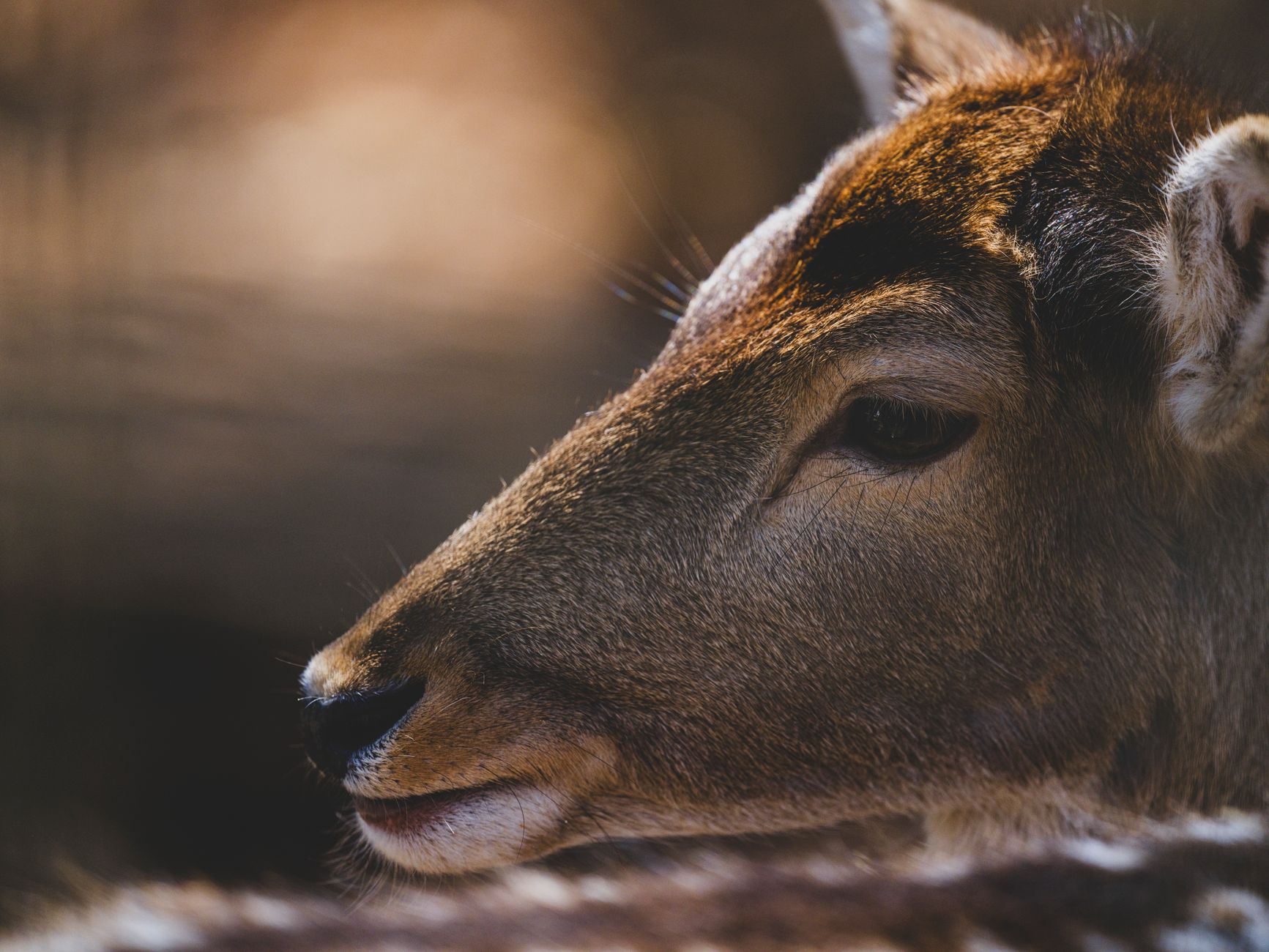
While the intention behind wanting to befriend a deer may be good, the consequences can be detrimental to the animal. Regularly feeding deer can lead to dependency on humans, reducing their natural foraging abilities and making them vulnerable during periods when humans are not present. This also disrupts the natural balance of the ecosystem.
Furthermore, human-habituated deer often lose their fear of humans, leading to several problems:
- Increased risk of vehicle collisions as they become bolder near roads.
- Potential for aggression, particularly during mating season (rut).
- Spread of diseases among deer populations due to concentrated feeding areas.
- Damage to gardens and agricultural lands as they seek out human-provided food sources.
Responsible Observation and Coexistence
Instead of trying to make friends with a deer, focus on responsible observation and coexistence. Admire them from a safe distance, using binoculars or a camera to capture their beauty without disturbing them. Protect your gardens and property with fencing or deer-repellent plants, rather than attempting to feed or interact with them.
Here are some tips for responsible coexistence:
- Maintain a safe distance: Observe deer from afar to avoid stressing them.
- Avoid feeding deer: This disrupts their natural foraging behavior and creates dependency.
- Secure your property: Use fencing or deer-repellent plants to protect your garden.
- Drive cautiously: Be especially vigilant for deer near roadways, particularly at dawn and dusk.
- Report sick or injured deer: Contact your local wildlife authorities if you observe a deer that appears to be injured or ill.
The Ethical Considerations
The desire to make friends with a deer highlights the complex relationship between humans and wildlife. While empathy is a positive trait, it’s essential to prioritize the well-being of the animal above our own desire for companionship.
Wild animals should be allowed to live freely in their natural habitat, without undue interference from humans. Maintaining a respectful distance and minimizing our impact on their environment is the most ethical approach to interacting with these magnificent creatures. Remember that observing and appreciating from a distance is a form of respect.
Frequently Asked Questions
Why is it wrong to feed deer?
Feeding deer disrupts their natural foraging behavior, making them dependent on humans. It can also lead to malnutrition because human-provided food is often not nutritionally balanced for deer. Concentrated feeding areas can spread diseases and lead to overpopulation in certain areas.
Can deer get used to humans and become tame?
While deer can become habituated to human presence, they are not truly tame. They retain their wild instincts and can become unpredictable, especially during mating season. A perceived “tame” deer is simply one that has lost its fear of humans, which increases the risk of negative interactions.
What should I do if a deer approaches me?
If a deer approaches you, remain calm and slowly back away. Avoid making direct eye contact, which can be perceived as a threat. Do not attempt to touch or feed the deer. Give the animal space to move away on its own.
Is it safe to keep a fawn as a pet if I find one alone?
No, it is never safe or legal to keep a fawn as a pet. Often, the mother deer is nearby, foraging for food and will return to her fawn. Removing a fawn from its natural environment deprives it of essential care and can lead to its death. If you are concerned about a fawn’s well-being, contact your local wildlife authorities.
How can I protect my garden from deer without harming them?
There are several humane ways to protect your garden from deer. Consider using fencing, deer-repellent plants (such as lavender, rosemary, and daffodils), or motion-activated sprinklers. Avoid using harmful chemicals or traps that could injure or kill the deer.
What are the signs of a healthy deer?
A healthy deer will have a smooth, glossy coat, bright eyes, and an alert demeanor. They will move easily without limping or showing signs of distress. A healthy body weight is also an indicator of good health.
What are the signs of a sick or injured deer?
Signs of a sick or injured deer include lethargy, difficulty walking, open wounds, or an emaciated appearance. Deer exhibiting unusual behavior, such as staggering or appearing disoriented, may also be sick. Report any sightings of sick or injured deer to your local wildlife authorities.
Can I get diseases from deer?
While the risk is low, deer can carry diseases that can be transmitted to humans, such as Lyme disease (through ticks) and chronic wasting disease (CWD). Avoid direct contact with deer and always wash your hands thoroughly after being in areas where deer may be present. Proper clothing while hiking is also suggested to avoid ticks.
How do deer communicate with each other?
Deer communicate using a variety of methods, including vocalizations (such as bleats and snorts), scent marking, and body language. White-tailed deer use their tail as a signal, raising it as an alarm signal to warn other deer of danger.
Are deer dangerous to humans?
While deer are generally not aggressive, they can be dangerous if they feel threatened or during mating season. Bucks (male deer) can be particularly aggressive during the rut, and does (female deer) may become defensive if they feel their fawns are threatened. Keep a safe distance and avoid approaching deer, especially during these periods.
What is the best way to observe deer in their natural habitat?
The best way to observe deer is from a distance, using binoculars or a camera. Choose a location where you can remain hidden and avoid making loud noises or sudden movements that could startle the deer. Dawn and dusk are often the best times to observe deer, as they are most active during these periods.
What should I do if I find a deer trapped in my yard?
If you find a deer trapped in your yard, contact your local animal control or wildlife authorities for assistance. Do not attempt to handle the deer yourself, as you could injure yourself or the animal. They can assess the situation and safely guide the deer out of your yard.