
Can Ferrets Have Kale? The Green Truth
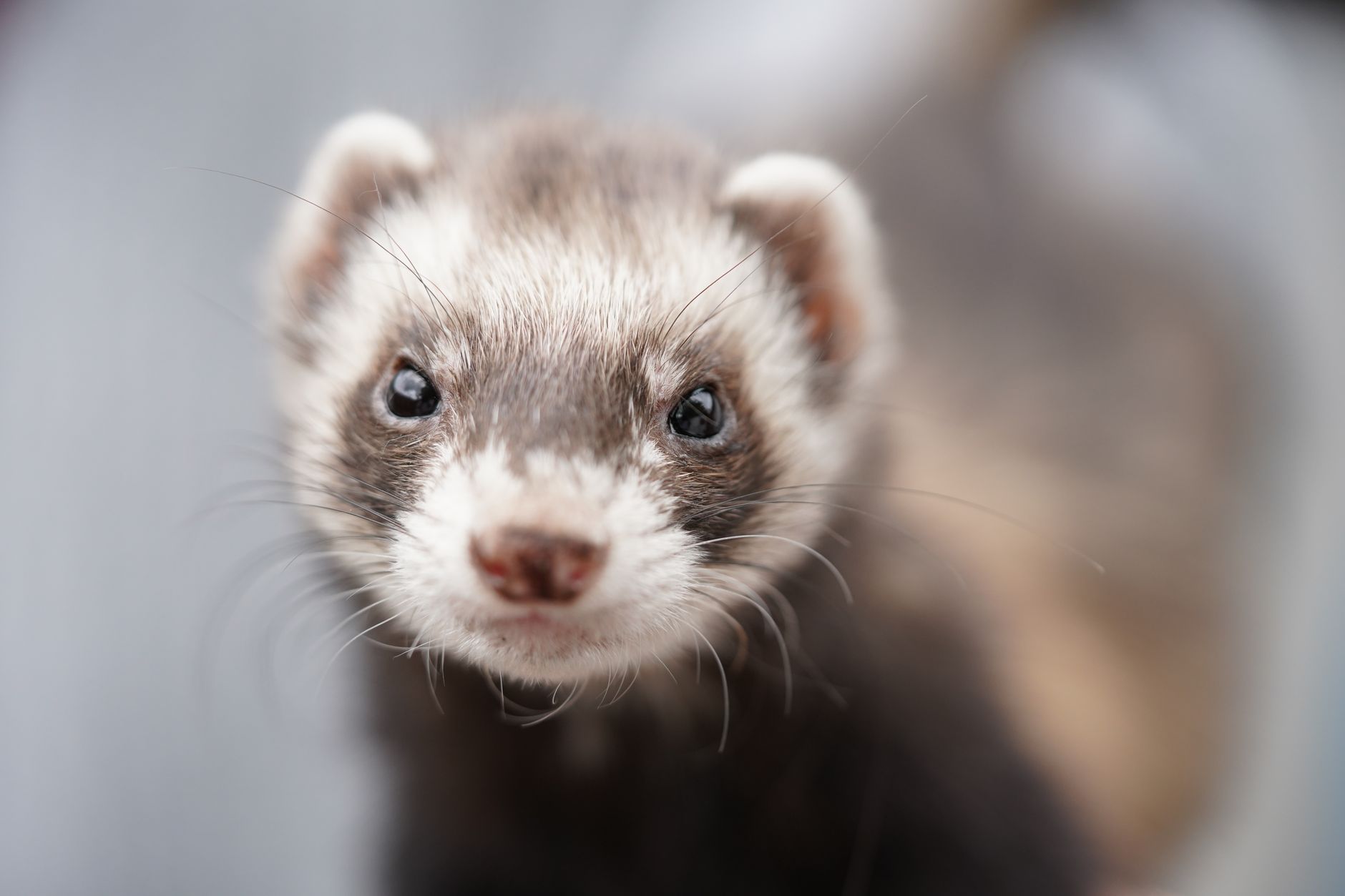
While ferrets are obligate carnivores, can ferrets have kale? The answer is a qualified no, as kale offers little nutritional benefit and could potentially be harmful to their digestive systems.
Introduction: Ferrets and Their Dietary Needs
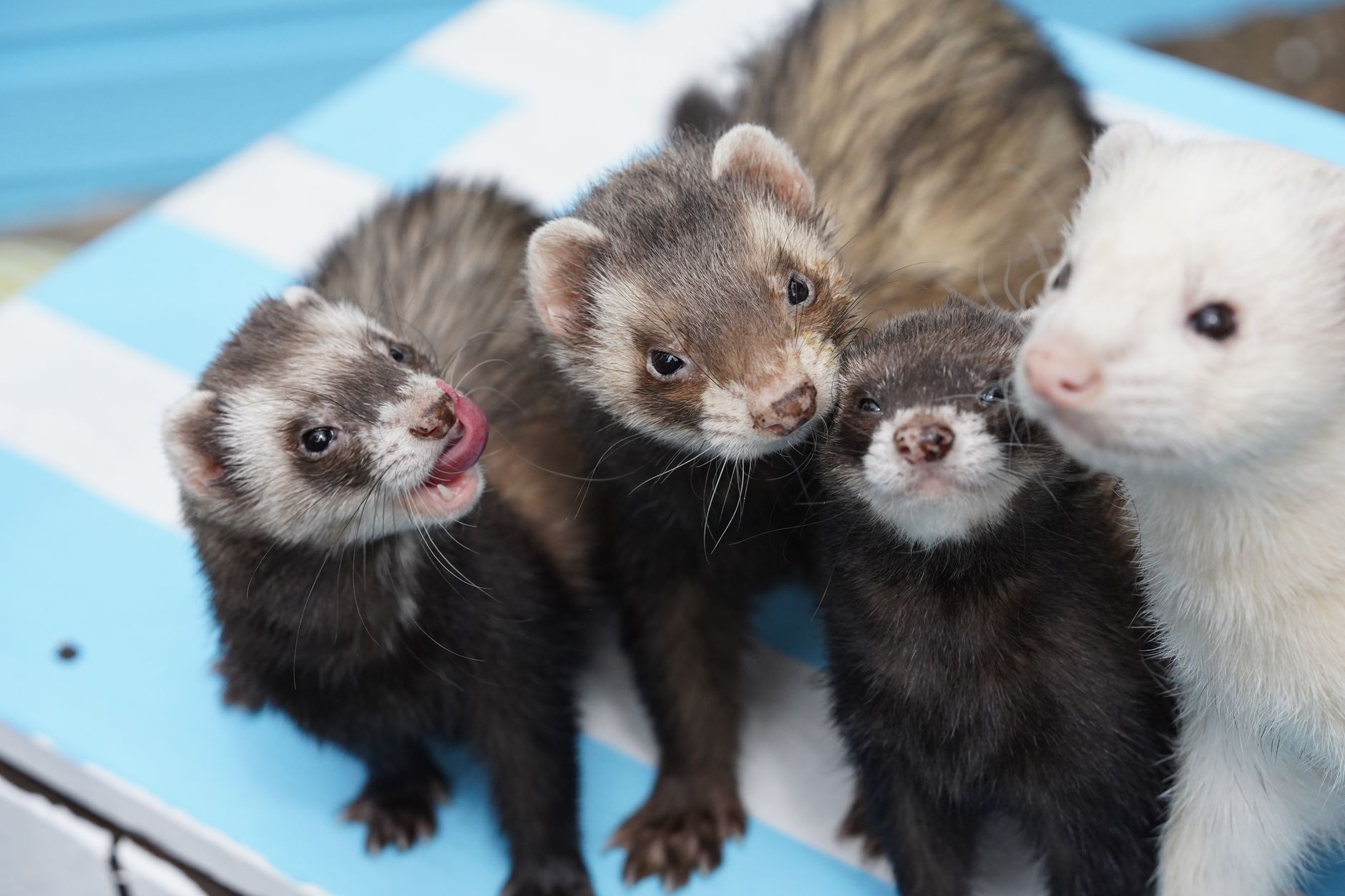
Ferrets are fascinating creatures, known for their playful personalities and unique dietary requirements. As obligate carnivores, their digestive systems are specifically designed to process animal protein and fat. Understanding their nutritional needs is paramount for ensuring their health and well-being. Introducing plant matter, especially nutrient-rich vegetables like kale, requires careful consideration.
Do all amphibians have eyelids?
Why do cuttlefish have W-shaped eyes?
Do all snakes have poison in them?
What is the GREY African clawed frog?
Kale: Nutritional Profile

Kale is widely recognized as a nutritious superfood for humans, packed with vitamins, minerals, and antioxidants. Its health benefits for people are numerous, ranging from improved cardiovascular health to cancer prevention. But what about ferrets? Here’s a quick overview of kale’s nutritional components:
- Vitamins: A, C, K
- Minerals: Calcium, potassium, manganese
- Fiber: High in both soluble and insoluble fiber
- Antioxidants: Flavonoids and carotenoids
The Ferret Digestive System: Designed for Meat
The ferret digestive system is short and efficient, optimized for digesting animal protein. Unlike herbivores or omnivores, ferrets lack a cecum, the pouch-like structure where plant matter fermentation occurs. This means ferrets cannot effectively break down the complex carbohydrates and fiber found in vegetables like kale. This limited ability leads to several potential problems.
Why Kale Can Be Problematic for Ferrets
While kale offers many benefits for humans, it poses several potential issues for ferrets:
- Poor Digestibility: Ferrets struggle to digest the fiber in kale, leading to digestive upset.
- Nutritional Imbalance: Kale offers minimal nutritional value for ferrets and could displace necessary nutrients from their diet.
- Potential Toxins: Certain compounds in kale, while beneficial to humans, may not be well-tolerated by ferrets in significant quantities.
- Risk of Blockage: Ingesting large quantities of kale could potentially lead to intestinal blockages due to the high fiber content.
Safer Alternatives to Kale
If you’re looking to supplement your ferret’s diet, there are much safer and more appropriate options than kale:
- High-Quality Ferret Food: This should always be the foundation of their diet. Choose a food with a high percentage of animal protein and fat.
- Small Amounts of Cooked Meat: Cooked chicken, turkey, or lamb can be offered as occasional treats.
- Meat-Based Baby Food: Plain, meat-based baby food (without added vegetables or grains) can be used for administering medications or as a treat.
Practical Considerations
Introducing any new food to a ferret’s diet should be done cautiously. It’s essential to observe your ferret for any signs of digestive upset, such as diarrhea, vomiting, or lethargy. Keep kale consumption (if unavoidable) to an absolute minimum.
Common Mistakes: Feeding Ferrets Human Food
One common mistake is assuming that what’s healthy for humans is also healthy for ferrets. Remember, ferrets have unique dietary needs due to their obligate carnivore status. Feeding them human food, including kale and other vegetables, can disrupt their digestive system and lead to health problems.
Table: Comparing Dietary Components for Humans and Ferrets
| Component | Humans | Ferrets |
|---|---|---|
| Protein | Moderate (10-35% of calories) | High (30-40% of calories) |
| Fat | Moderate (20-35% of calories) | High (18-30% of calories) |
| Carbohydrates | Significant (45-65% of calories) | Minimal (less than 5% of calories) |
| Fiber | Beneficial | Harmful |
| Plant Matter | Essential | Detrimental |
Why a Balanced Diet is Key
Providing your ferret with a balanced diet specifically formulated for their needs is crucial for their overall health. This involves ensuring they receive adequate protein, fat, and minimal carbohydrates. Steer clear of foods that are high in fiber or contain significant amounts of plant matter, such as kale. Prioritizing their natural dietary requirements is essential.
Frequently Asked Questions About Ferrets and Kale
Q: What happens if a ferret eats kale?
A ferret that consumes kale might experience digestive upset, including diarrhea, vomiting, and abdominal discomfort. In severe cases, ingesting large amounts could lead to intestinal blockage, requiring veterinary intervention. Always monitor your ferret closely after they consume any new food.
Q: Can ferrets digest vegetables at all?
Ferrets have limited ability to digest vegetables due to their short digestive tract and lack of a cecum. While they might be able to tolerate small amounts of certain vegetables, they offer little nutritional benefit and can lead to digestive issues. It’s best to avoid feeding ferrets vegetables altogether.
Q: Is kale toxic to ferrets?
While kale itself isn’t acutely toxic to ferrets in small amounts, its high fiber content and the presence of certain compounds (like oxalates) can be problematic. Oxalates can interfere with calcium absorption.
Q: What are the signs of digestive distress in ferrets?
Signs of digestive distress in ferrets include diarrhea, vomiting, lethargy, loss of appetite, abdominal discomfort, and changes in stool consistency. If you observe any of these signs, consult with a veterinarian immediately.
Q: Are there any vegetables that are safe for ferrets?
Although it’s best to avoid vegetables, some owners occasionally offer small amounts of well-cooked, low-fiber vegetables like zucchini or sweet potato. However, these should be considered rare treats and not a regular part of their diet. Meat should always be the primary focus.
Q: How much protein does a ferret need?
Ferrets require a diet that consists of approximately 30-40% animal protein. This protein should be of high quality and easily digestible.
Q: How much fat does a ferret need?
A ferret’s diet should contain between 18-30% fat. Fat provides essential energy and helps with the absorption of fat-soluble vitamins.
Q: What foods should ferrets avoid completely?
Ferrets should avoid foods high in fiber, carbohydrates, sugar, and plant matter, including chocolate, onions, garlic, fruits, and vegetables like kale. These foods offer little nutritional value and can be harmful.
Q: How can I ensure my ferret gets a balanced diet?
Choose a high-quality ferret food that is specifically formulated to meet their nutritional needs. Supplement with occasional small treats of cooked meat. Always provide fresh, clean water.
Q: Can ferrets have fruits?
Fruits, similar to vegetables, are high in sugar and fiber and offer little nutritional benefit for ferrets. They should be avoided. Focus on meat-based treats instead.
Q: What do vets recommend I feed my ferret?
Most veterinarians specializing in exotic animals recommend feeding ferrets a high-quality, commercially available ferret food as the primary source of nutrition. These foods are formulated to meet their specific needs. Consult with your veterinarian for personalized dietary recommendations.
Q: My ferret ate kale. What should I do?
If your ferret accidentally consumed a small amount of kale, monitor them closely for any signs of digestive upset. If they exhibit any symptoms, contact your veterinarian. If they consumed a large amount, contact your vet immediately for advice. Early intervention is always best.