

How Big Is a 40,000 Gallon Tank? Unveiling the Dimensions and Applications
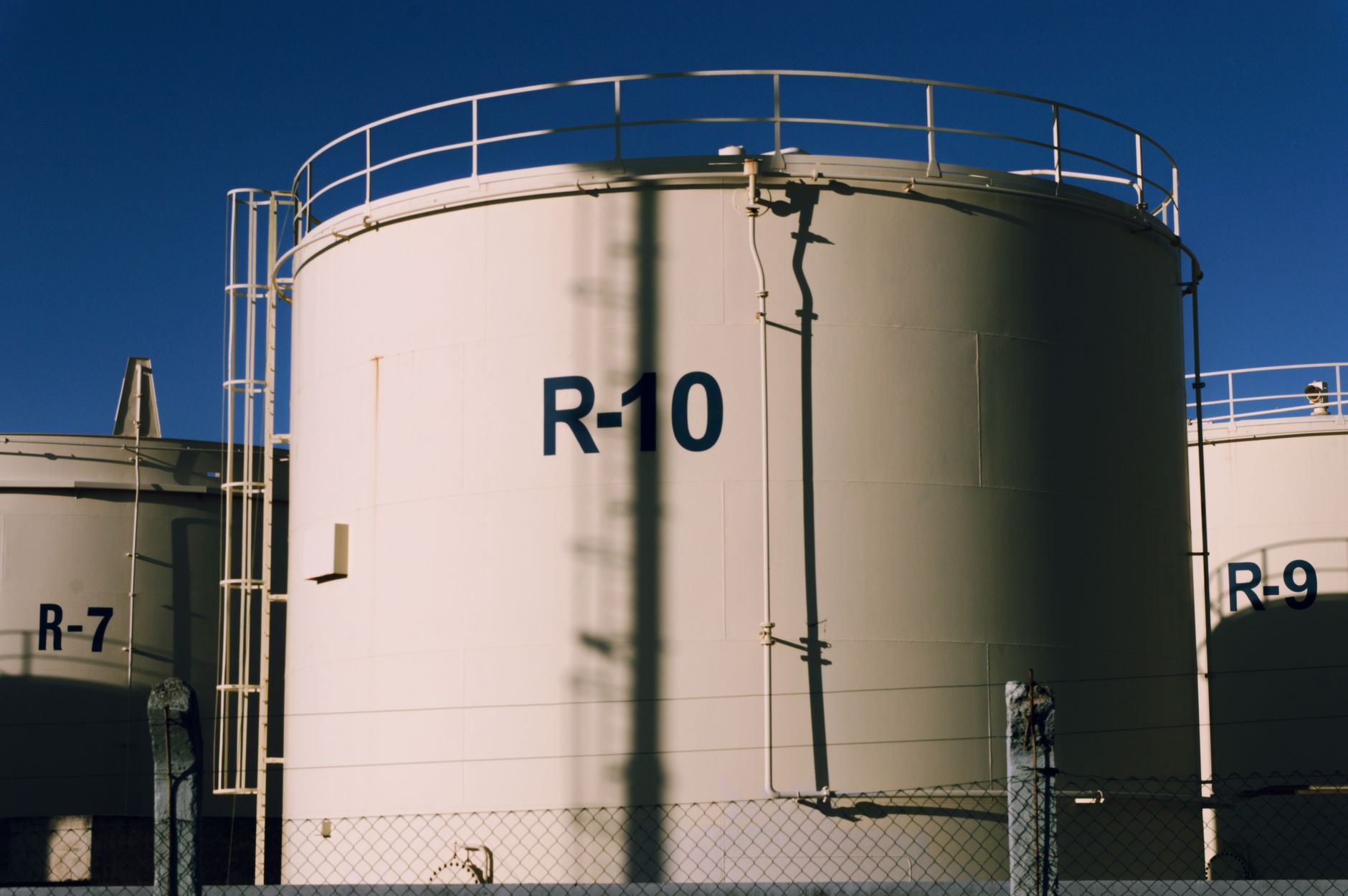
The dimensions of a 40,000 gallon tank vary depending on its shape and material, but generally, expect a diameter of around 16-20 feet and a height of 15-25 feet, making it a substantial structure often used for industrial or agricultural purposes.

Understanding the Size and Scope of a 40,000 Gallon Tank
A 40,000 gallon tank represents a significant storage capacity, often employed in scenarios requiring large-volume liquid or gas containment. Understanding its size implications is crucial for planning, installation, and regulatory compliance. This article will delve into the various aspects of these tanks, from typical dimensions to common applications, providing a comprehensive overview for anyone considering or working with such large storage solutions.
What colours are fish most attracted to?
Can you put your finger in a trout's mouth?
Is methylene blue anti bacterial?
Does aquarium salt raise pH in aquarium?
Different Shapes, Different Dimensions

The shape of a 40,000 gallon tank significantly impacts its dimensions. Common shapes include:
- Cylindrical Tanks (Vertical): These tanks are taller than they are wide and often preferred for space efficiency.
- Cylindrical Tanks (Horizontal): These tanks are wider than they are tall and can be easier to install in certain situations.
- Rectangular Tanks: Less common due to structural challenges with such a large volume, these are often custom-built.
Different shapes will naturally influence the exact measurements. Here’s an estimated comparison:
| Tank Shape | Typical Diameter (feet) | Typical Height/Length (feet) |
|---|---|---|
| Vertical Cylinder | 16-20 | 20-25 |
| Horizontal Cylinder | 10-12 | 45-55 |
| Rectangular | Varies | Varies |
Materials Influence Size and Design
The material used in constructing a 40,000 gallon tank also affects its dimensions and overall design. Common materials include:
- Steel: Strong and durable, steel tanks are often used for storing a wide range of liquids, including petroleum products. They require proper coating to prevent corrosion.
- Fiberglass (FRP): Lightweight and corrosion-resistant, fiberglass tanks are suitable for storing chemicals and water.
- Polyethylene (Plastic): Cost-effective and resistant to many chemicals, polyethylene tanks are often used for storing water, fertilizers, and certain industrial chemicals.
- Concrete: Used for large-scale water storage and wastewater treatment, concrete tanks offer long-term durability.
Common Applications for a 40,000 Gallon Tank
Knowing how big is a 40000 gallon tank? provides context for understanding its applications. These tanks are utilized in various industries and sectors, including:
- Agriculture: Storing irrigation water, liquid fertilizers, and livestock water.
- Industry: Storing chemicals, raw materials, and wastewater.
- Municipalities: Providing backup water storage for fire suppression and drinking water supply.
- Oil and Gas: Storing crude oil, refined products, and process water.
- Wastewater Treatment: Equalization basins and storage of treated effluent.
Installation Considerations and Space Requirements
Installing a tank of this size requires careful planning and consideration of space requirements. Key factors include:
- Foundation: A stable and level foundation is crucial to support the weight of the tank when full.
- Accessibility: Adequate space around the tank is needed for maintenance and inspection.
- Regulations: Local building codes and environmental regulations must be followed.
- Safety: Proper safety measures are essential to prevent accidents during installation and operation.
- Tank Placement: Consider accessibility for filling and emptying the tank.
Cost Factors Associated with Large Tanks
The cost of a 40,000 gallon tank can vary depending on the material, manufacturer, and installation requirements. Key cost factors include:
- Material Costs: Steel tanks generally cost more than polyethylene tanks.
- Manufacturing Costs: Custom-built tanks will be more expensive than standard models.
- Transportation Costs: The size and weight of the tank can impact transportation costs.
- Installation Costs: Foundation preparation, plumbing, and electrical work can add to the overall cost.
- Permitting Fees: Local regulations may require permits, adding to the expense.
Frequently Asked Questions (FAQs)
What is the weight of an empty 40,000 gallon steel tank?
An empty 40,000 gallon steel tank can weigh anywhere from 20,000 to 40,000 pounds, depending on the steel thickness and design. Precise weight information should be obtained from the manufacturer’s specifications.
How much space is needed around a 40,000 gallon tank for maintenance?
Ideally, you should have at least 3-5 feet of clearance around the tank for easy access and maintenance. Local regulations may specify minimum clearance requirements.
Can a 40,000 gallon tank be buried underground?
Yes, but it requires a specialized underground storage tank (UST) design and installation. These tanks are heavily reinforced and coated to prevent corrosion and leaks. Check local and federal regulations regarding underground storage.
What type of foundation is required for a 40,000 gallon tank?
A concrete pad is the most common type of foundation. The pad should be level, properly compacted, and designed to support the tank’s weight when full. Consult with a structural engineer for specific foundation requirements.
How long does a 40,000 gallon tank typically last?
The lifespan of a tank depends on the material and the stored substance. Steel tanks can last 20-30 years with proper maintenance, while fiberglass and polyethylene tanks can last even longer. Regular inspections and maintenance are crucial for extending the tank’s lifespan.
What permits are required for installing a 40,000 gallon tank?
Permitting requirements vary by location. Typically, you’ll need permits for building, plumbing, and potentially environmental protection, especially if storing hazardous materials. Contact your local building department and environmental agency for specific requirements.
What are the safety considerations for operating a 40,000 gallon tank?
Safety considerations include proper venting, overfill protection, leak detection, and security measures to prevent unauthorized access. Regular inspections and maintenance are essential for safe operation.
What is the approximate cost of a new 40,000 gallon polyethylene tank?
As of 2024, a new 40,000 gallon polyethylene tank could cost roughly between $30,000 to $60,000, depending on manufacturer, features, and delivery location. This figure is a rough estimate and should be confirmed with suppliers.
Can I store potable water in a 40,000 gallon polyethylene tank?
Yes, provided the tank is made of food-grade polyethylene and certified for potable water storage. Regular cleaning and disinfection are required to maintain water quality.
How is the volume of liquid measured inside a 40,000 gallon tank?
Common methods include level sensors, pressure sensors, and dipsticks. The choice of method depends on the type of liquid and the required accuracy.
How often should a 40,000 gallon tank be inspected?
Regular inspections are crucial, at least annually and more frequently if storing hazardous materials. Inspections should include visual checks for leaks, corrosion, and structural damage.
What are the advantages of using a 40,000 gallon tank over smaller tanks?
Larger tanks offer economies of scale, reducing the overall cost per gallon of storage. They also minimize the number of connections and potential leak points. However, they require more space and careful planning.
Understanding how big is a 40000 gallon tank? is just the first step. Carefully consider all factors discussed in this article when planning for, installing, and maintaining such a large storage solution.