

Can Deer Be Aggressive Towards Humans? Understanding Deer Behavior
Can deer be aggressive to humans? Yes, while generally docile, deer, particularly does protecting their fawns or bucks during the rut, can exhibit aggressive behavior towards humans.
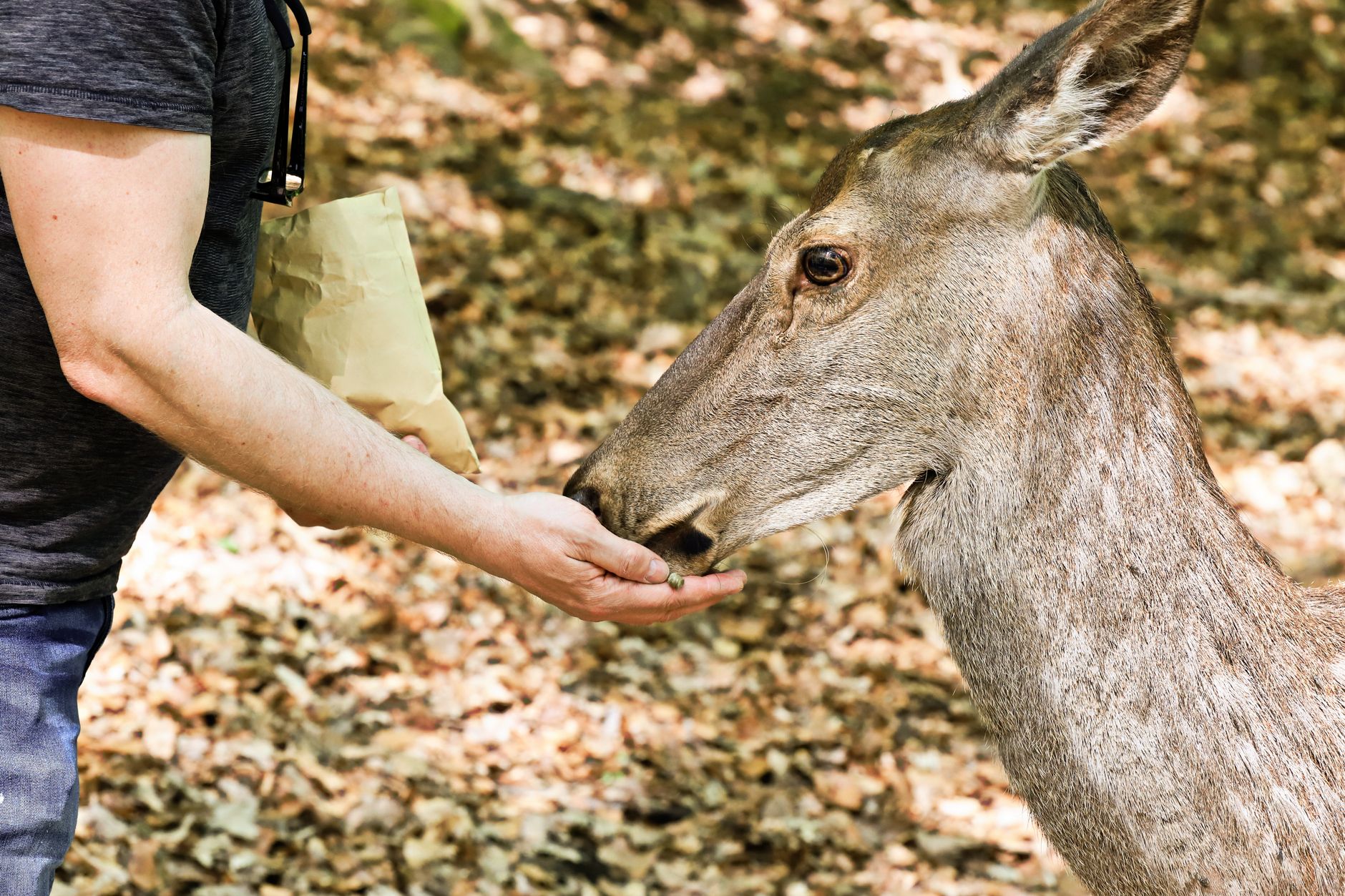
Deer, those graceful inhabitants of our forests and fields, often evoke feelings of tranquility and beauty. However, beneath their gentle exterior lies a wild animal capable of surprising displays of aggression. Understanding the circumstances that can lead to such behavior is crucial for both our safety and the well-being of these creatures. This article explores the factors that contribute to deer aggression, how to recognize the signs, and what to do if confronted by an aggressive deer.
Understanding Deer Behavior: More Than Just Bambi
Deer are primarily herbivores and generally avoid confrontation. Their natural instinct is to flee from perceived threats. However, several factors can override this instinct and trigger aggressive behavior. These factors are primarily related to defense, particularly the defense of offspring and mating rights.

What colours are fish most attracted to?
Can you put your finger in a trout's mouth?
Is methylene blue anti bacterial?
Does aquarium salt raise pH in aquarium?
The Maternal Instinct: Protecting Fawns

Does, female deer, are fiercely protective of their fawns, especially during the first few weeks after birth. If a doe perceives a threat to her fawn, she may aggressively defend it. This protection can extend to humans who inadvertently get too close.
- Signs of a protective doe include:
- Stomping her feet
- Snorting loudly
- Lowering her head and charging
The Rutting Season: Antlered Aggression
The rut, or mating season, is another period when deer are more likely to display aggression. Bucks, male deer, engage in intense competition for mates, often resulting in fights with other bucks. This heightened aggression can sometimes be misdirected towards humans. Bucks experiencing the rut may become much less wary and more territorial than usual.
- Signs of aggression during the rut include:
- Antler display
- Grinding teeth
- Charging or lunging
Habituation: Losing the Fear
Deer that have become habituated to humans, often through intentional or unintentional feeding, may lose their natural fear and become bolder. This boldness can escalate to aggression, especially if the deer feels its access to food is threatened. Hand-feeding deer is strongly discouraged because it creates an unsafe dynamic.
Recognizing the Signs of Aggression
Identifying the warning signs of an aggressive deer is critical for avoiding a confrontation. These signs can vary depending on the sex and time of year.
| Sign | Meaning |
|---|---|
| Stomping feet | A warning sign, indicating the deer feels threatened. |
| Snorting | Another warning sign, often preceding an attack. |
| Lowered head | Indicates an imminent charge. |
| Raised hackles | Sign of heightened aggression and arousal. |
| Grinding teeth | Often seen in bucks during the rut, indicating aggression. |
| Staring intently | The deer is assessing the situation and potentially preparing to attack. |
| Charging or lunging | An active attempt to intimidate or harm. |
What To Do If Confronted by an Aggressive Deer
If you encounter an aggressive deer, the following steps can help to minimize the risk of injury:
- Maintain Distance: Try to increase the distance between yourself and the deer.
- Make Yourself Look Large: Raise your arms above your head to appear bigger.
- Speak Loudly: Make loud noises to deter the deer.
- Slowly Back Away: Avoid turning your back on the deer.
- Use an Object as a Barrier: If possible, put a tree, car, or other object between yourself and the deer.
- Do Not Feed the Deer: Reinforcing the behavior with food will only exacerbate the problem.
- Report the Incident: If a deer attacks you or someone else, report the incident to your local wildlife authorities.
Frequently Asked Questions
Are all deer species equally aggressive?
No. While all deer can be aggressive under the right circumstances, some species are generally considered more docile than others. White-tailed deer, for example, are often more habituated to humans than mule deer and therefore can present a higher risk of aggression in certain situations.
Is it more dangerous to encounter a buck or a doe?
The danger depends on the time of year. During the rut, bucks are more prone to aggression. At other times, does defending their fawns are the primary concern. It is important to be cautious around all deer, regardless of sex, especially when fawns are present.
How can I prevent deer from becoming habituated to my property?
- Avoid feeding deer, either intentionally or unintentionally. Secure garbage cans and remove any potential food sources, such as fallen fruit from trees. Install fencing around gardens and vulnerable plants.
What should I do if I find a fawn alone?
It is tempting to “rescue” a fawn, but most of the time, the mother is nearby and will return. Unless the fawn is obviously injured or in immediate danger, it is best to leave it alone. Contact your local wildlife authorities if you are concerned about the fawn’s well-being.
Are deer attacks common?
Deer attacks are relatively rare, but they do occur, especially in areas where deer populations are high and deer have become habituated to humans. Most incidents involve minor injuries, but serious injuries can occur.
What kind of injuries can a deer inflict?
Deer can inflict injuries through kicking, stomping, and, in the case of bucks, with their antlers. These injuries can range from bruises and scratches to broken bones and puncture wounds. Antler punctures can be particularly dangerous, due to the risk of infection.
Is it legal to kill a deer that is attacking me?
The legality of killing a deer in self-defense varies depending on local laws and regulations. It is generally permissible if you are in imminent danger of serious bodily harm, but it is crucial to check with your local wildlife authorities to understand the specific regulations in your area.
Do deer carry diseases that are harmful to humans?
Deer can carry diseases that are transmissible to humans, such as Lyme disease (carried by ticks), Chronic Wasting Disease (CWD), and rabies (rare). Proper precautions should be taken when handling deer carcasses or coming into contact with deer saliva or blood.
Are there repellents that are effective at keeping deer away?
Yes, several deer repellents are available, including sprays, granules, and electronic devices. The effectiveness of these repellents varies, and they often need to be reapplied regularly, especially after rain.
Is it safe to have a dog around deer?
It depends on the dog. Some dogs have a strong prey drive and will chase deer, which can put both the dog and the deer at risk. Other dogs may be more docile and pose less of a threat. Always keep your dog under control when in areas where deer are present.
How can I protect my garden from deer damage?
There are several ways to protect your garden from deer damage, including:
- Fencing: Install a tall fence (at least 8 feet high) around your garden.
- Deer-resistant plants: Choose plants that deer are less likely to eat.
- Repellents: Use deer repellents regularly.
- Motion-activated sprinklers: These can startle deer and deter them from entering your garden.
Are there any long-term solutions to reduce human-deer conflict?
Long-term solutions include managing deer populations through hunting, promoting habitat diversity to reduce deer concentration in specific areas, and educating the public about deer behavior and how to avoid conflict. Effective deer management requires a multi-faceted approach that considers both the needs of humans and the well-being of the deer population. The question of Can deer be aggressive to humans? is, in the end, complex and dependent on circumstances.