

How Big Can Rainbow Sharks Get? A Comprehensive Guide
Rainbow sharks typically reach a maximum size of around 6 inches (15 centimeters) in captivity, though rare cases report slightly larger individuals. This size is heavily influenced by tank size, diet, and overall care.

Understanding the Rainbow Shark: A Profile
The rainbow shark, Epalzeorhynchos frenatum, isn’t actually a shark at all, but rather a member of the Cyprinidae family, which includes carp and minnows. Native to the rivers of Southeast Asia (specifically Thailand, although wild populations are now scarce due to habitat destruction), this fish has become a popular addition to many home aquariums. Their sleek body shape, striking coloration (a dark body with bright red fins), and relatively low maintenance make them appealing to both beginner and experienced aquarists. However, understanding their growth potential and temperament is crucial for responsible fish keeping. Knowing how big can rainbow sharks get? is only the first step.

Is distilled water good for goldfish?
What colours are fish most attracted to?
Can you put your finger in a trout's mouth?
Is methylene blue anti bacterial?
Factors Influencing Rainbow Shark Size
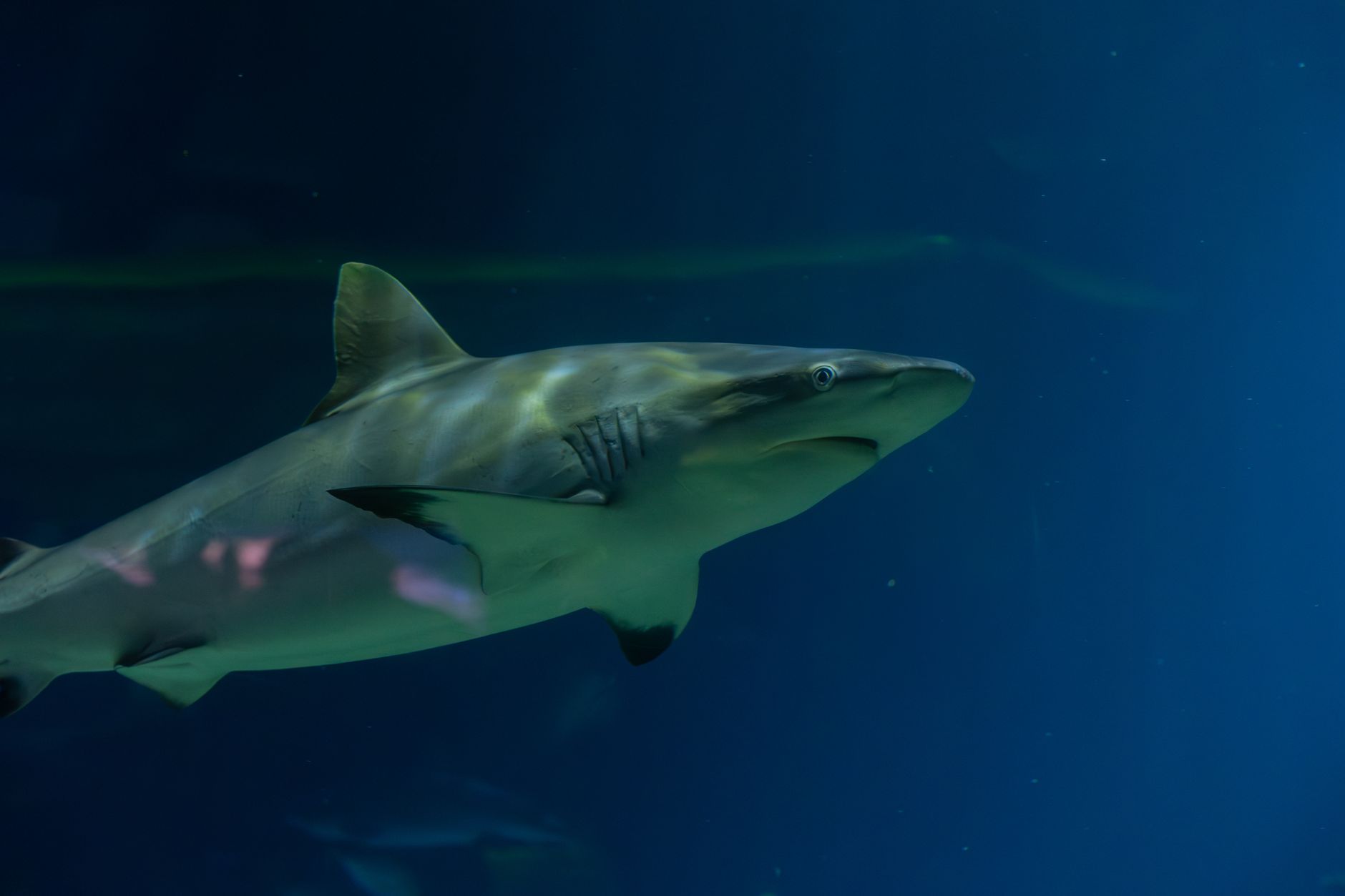
Several factors play a crucial role in determining the maximum size a rainbow shark will reach. Understanding these will help ensure you provide the appropriate environment for your fish.
- Tank Size: This is perhaps the most significant factor. Rainbow sharks require a minimum tank size of 55 gallons (approximately 208 liters) to thrive and reach their full potential. Cramped conditions can stunt their growth.
- Diet: A varied and nutritious diet is essential. Offer a combination of flake food, live or frozen foods (such as bloodworms, brine shrimp, and daphnia), and algae wafers. Lack of proper nutrition will significantly impact growth.
- Water Quality: Poor water quality, characterized by high levels of ammonia and nitrites, can stress the fish, leading to stunted growth and increased susceptibility to disease. Regular water changes and a properly functioning filter are vital.
- Competition: Rainbow sharks are known for their territorial behavior. Housing them with aggressive or similarly shaped fish can create stress and limit their access to food, thus inhibiting growth.
- Genetics: As with any animal, genetics plays a role. Some individuals may simply be predisposed to grow larger or smaller than others.
Comparing Rainbow Sharks to Other Similar Fish
Rainbow sharks are often confused with other fish due to their similar appearance or behavior. Here’s a quick comparison:
| Fish | Max Size (approx.) | Temperament | Key Differences |
|---|---|---|---|
| Rainbow Shark | 6 inches | Semi-aggressive | Dark body, red fins. |
| Red-Tailed Black Shark | 6 inches | Semi-aggressive | Black body, red tail. |
| Bala Shark | 14 inches | Peaceful (when young) | Much larger; generally more peaceful towards other fish, but still needs space. |
| Siamese Algae Eater | 6 inches | Peaceful | Olive-green body with a black stripe; primarily an algae eater. |
Optimizing Growth: Creating the Ideal Environment
To ensure your rainbow shark reaches its potential size and remains healthy, consider the following:
- Spacious Tank: Provide a minimum of 55 gallons. Larger is always better.
- Adequate Filtration: Use a powerful filter to maintain pristine water quality. Perform regular water changes (25-50% weekly).
- Varied Diet: Offer a mix of high-quality flake food, frozen or live foods, and algae wafers.
- Hiding Places: Provide plenty of caves, rocks, and plants to create a secure environment and reduce stress.
- Compatible Tank Mates: Avoid housing them with other rainbow sharks or similarly shaped, aggressive fish. Good tank mates include larger, peaceful fish that occupy different regions of the tank.
Common Mistakes That Stunt Growth
Avoid these common mistakes to ensure your rainbow shark thrives:
- Overcrowding: Housing too many fish in a small tank leads to stress, poor water quality, and stunted growth.
- Poor Water Quality: Neglecting water changes and proper filtration results in the accumulation of harmful toxins.
- Inadequate Diet: Feeding only flake food or neglecting essential nutrients will hinder growth and overall health.
- Aggressive Tank Mates: Stress from aggression can suppress growth and increase the risk of disease.
Health Concerns Influencing Size
Certain diseases and health issues can impact a rainbow shark’s growth. Regular observation and prompt treatment are crucial. Some common problems include:
- Ich (White Spot Disease): A parasitic infection causing white spots on the body.
- Fin Rot: A bacterial infection that causes fins to become frayed and ragged.
- Swim Bladder Disorder: Affects buoyancy and swimming ability.
- Parasitic Infections: Internal or external parasites can weaken the fish and hinder growth.
Frequently Asked Questions (FAQs)
How quickly do rainbow sharks grow?
Rainbow sharks grow relatively slowly. They typically reach around 2-3 inches within the first year and continue to grow gradually to their maximum size of around 6 inches over several years. Growth rate is heavily dependent on the factors mentioned above, such as tank size and diet.
Is a larger tank always better for a rainbow shark?
Yes, within reason, a larger tank is generally better. More space reduces aggression, provides better water quality stability, and allows the fish to exhibit more natural behaviors. A 75-gallon or larger tank is ideal, especially if you plan to keep other fish.
What happens if a rainbow shark is kept in too small of a tank?
Keeping a rainbow shark in a tank that is too small (e.g., less than 55 gallons) can lead to several problems. These include stunted growth, increased aggression, stress, and a higher susceptibility to diseases. The fish may also exhibit abnormal behaviors due to the limited space.
Can I keep multiple rainbow sharks together?
Generally, it’s not recommended to keep multiple rainbow sharks in the same tank unless it’s a very large aquarium (125 gallons or more) with plenty of hiding places. They are highly territorial and will likely fight aggressively. If you attempt to keep them together, closely monitor their behavior and be prepared to separate them if necessary.
What type of food is best for promoting healthy growth in rainbow sharks?
A varied diet is key. Offer a high-quality flake food as a staple, supplemented with frozen or live foods like bloodworms, brine shrimp, and daphnia. Algae wafers are also important to provide plant-based nutrition.
How often should I perform water changes in my rainbow shark’s tank?
Regular water changes are essential for maintaining good water quality. Aim to perform a 25-50% water change weekly. This helps to remove accumulated nitrates and other toxins that can harm your fish.
What are some good tank mates for rainbow sharks?
Good tank mates for rainbow sharks include larger, peaceful fish that occupy different areas of the tank. Some examples include gouramis, danios, rasboras (in a school), and some types of catfish (like corydoras, though ensure adequate bottom feeding). Avoid slow-moving, long-finned fish or other fish with similar shapes or colors, as they may be targets of aggression.
How do I know if my rainbow shark is stressed?
Signs of stress in rainbow sharks include hiding excessively, loss of appetite, clamped fins, erratic swimming, and increased aggression. Addressing the underlying cause of the stress, such as poor water quality, aggressive tank mates, or inadequate space, is crucial.
Can rainbow sharks be kept in community aquariums?
Yes, but with caution. Success depends on the size of the aquarium, the temperament of the other fish, and the availability of hiding places. Careful planning and monitoring are essential to ensure a peaceful environment.
Do rainbow sharks require a specific water temperature?
Yes. Rainbow sharks thrive in a water temperature range of 75-80°F (24-27°C). Maintaining a stable temperature within this range is important for their health and well-being.
What is the average lifespan of a rainbow shark in captivity?
With proper care, rainbow sharks can live for 5-8 years in captivity. Providing a suitable environment and a balanced diet are crucial for maximizing their lifespan.
Is it possible for a rainbow shark to outgrow a 6-inch tank?
Yes, it is possible. Although the average is 6 inches, in rare cases, with exceptional conditions and genetics, they may grow slightly larger, perhaps up to 7 inches. However, the vast majority will remain within the 6-inch range. The question of how big can rainbow sharks get? really hinges on responsible care.