

Should I Give My Dog a Bath If He Is Itching a Lot?
Knowing when to bathe your itchy dog can be tricky. Yes, bathing can offer relief, but it’s crucial to do it correctly to avoid making the problem worse.
Introduction: Understanding Your Itchy Dog
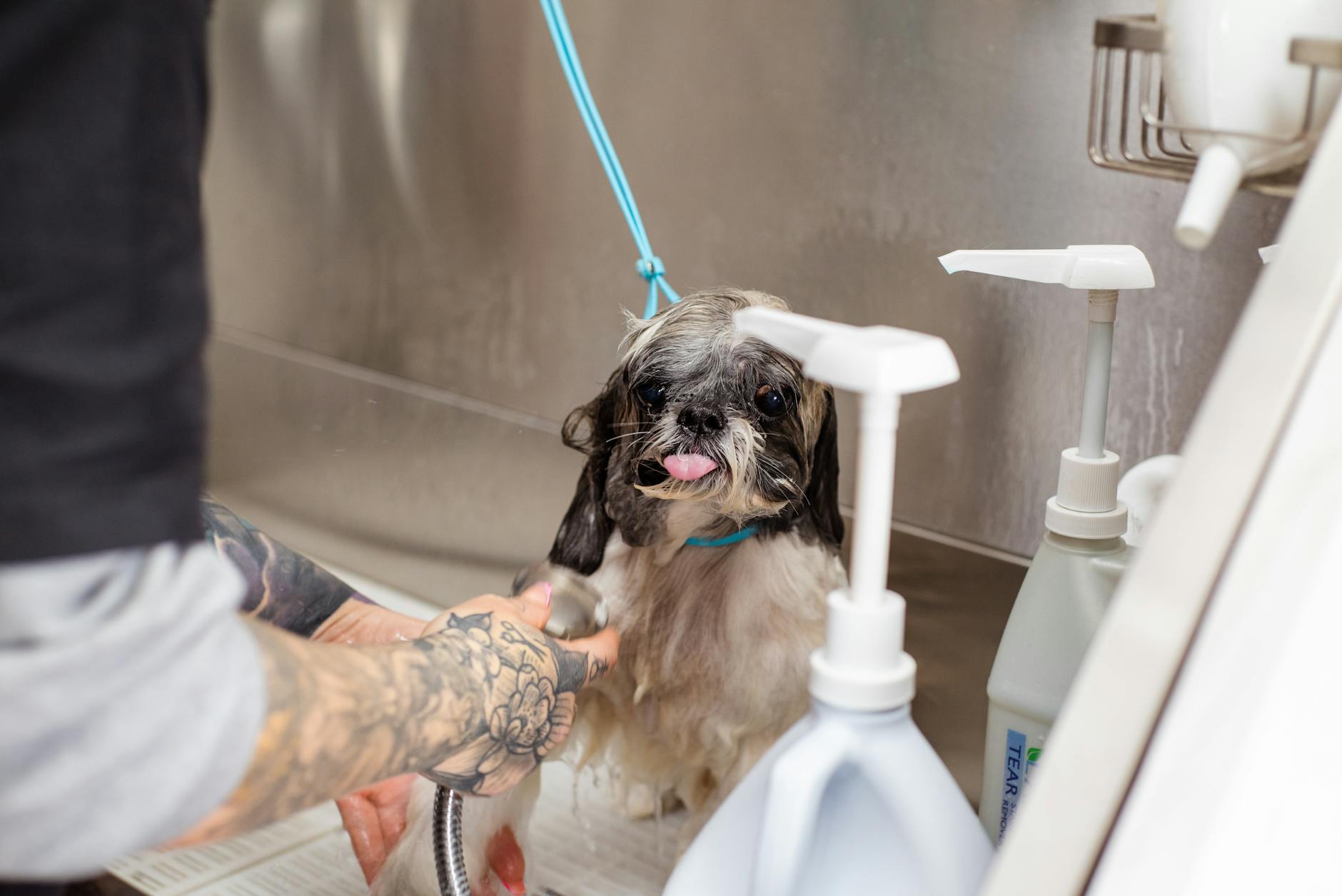
Watching your dog constantly scratch, lick, or bite is distressing for both of you. Itching, or pruritus, is a common symptom in dogs, and it can stem from a variety of underlying causes. While the urge might be to immediately reach for the shampoo, understanding why your dog is itching is the first step in providing effective relief. Should I give my dog a bath if he is itching a lot? The answer depends on the underlying cause of the itch and the type of shampoo you use.
Potential Causes of Itching in Dogs
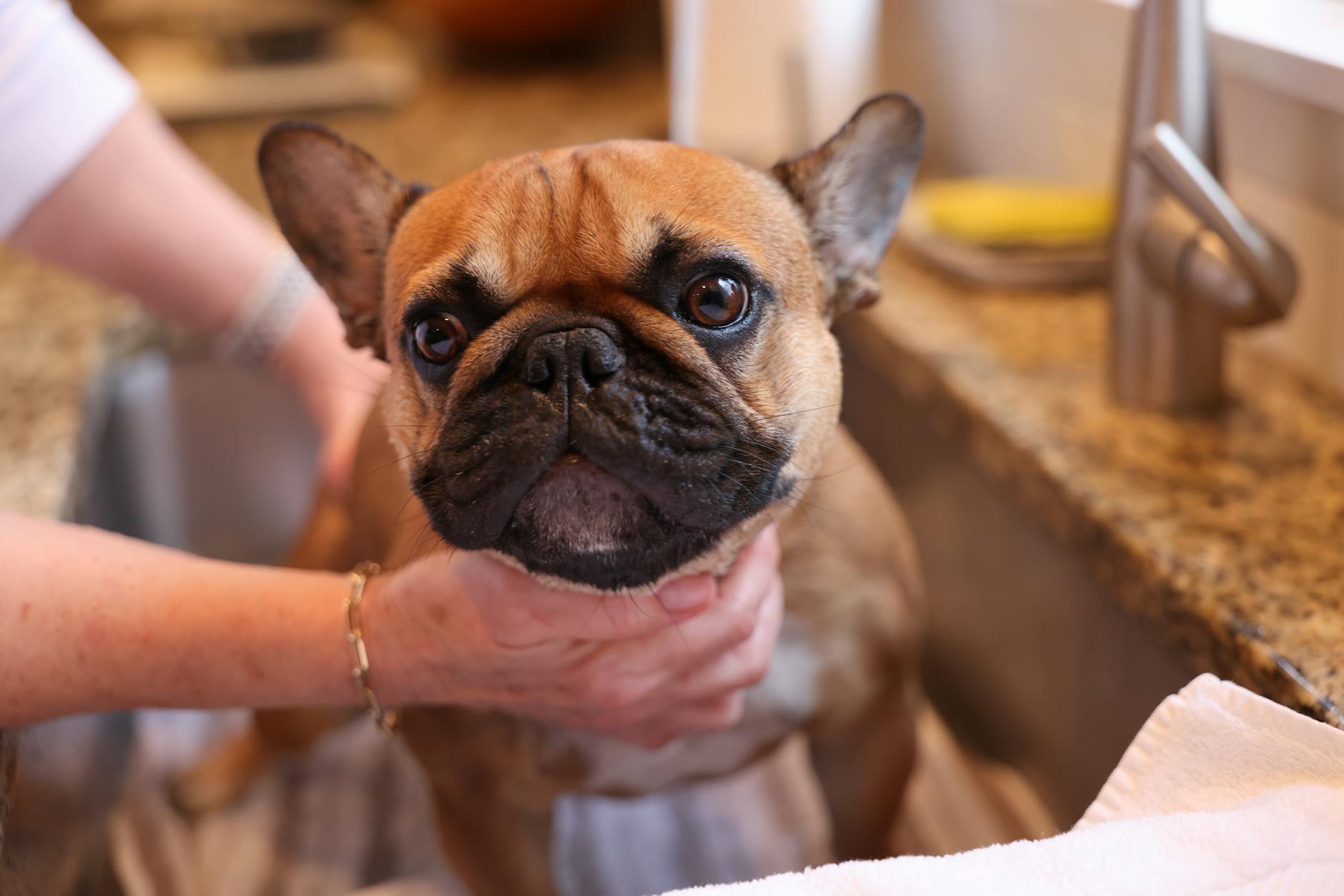
Identifying the cause of your dog’s itching is paramount to addressing the problem effectively. Common culprits include:
- Parasites: Fleas, mites (like mange mites), and lice are frequent offenders.
- Allergies: Environmental allergens (pollen, mold, dust mites), food allergies, and contact allergies can all trigger itching.
- Infections: Bacterial or fungal skin infections, such as yeast infections, can cause intense itching and discomfort.
- Dry Skin: Low humidity, especially in winter, can lead to dry, itchy skin.
- Underlying Medical Conditions: Less commonly, itching can be a symptom of systemic diseases, such as hypothyroidism.
The Benefits of Bathing an Itchy Dog (When Done Correctly)
Bathing can be a valuable tool in managing your dog’s itching, provided it’s done correctly and with the right products. Key benefits include:
- Removal of Allergens and Irritants: Baths can wash away pollen, dust mites, and other environmental allergens that may be causing your dog to itch.
- Soothing Irritation: Certain shampoos contain ingredients that soothe inflamed skin and provide temporary relief from itching.
- Removal of Debris: Bathing can remove dirt, debris, and crusts that can exacerbate itching.
- Helping Medicated Shampoos Work: If prescribed by a vet, bathing prepares the skin to effectively absorb a medicated shampoo.
Choosing the Right Shampoo
Selecting the correct shampoo is crucial. Avoid human shampoos, as they can strip your dog’s skin of its natural oils, worsening dryness and itching. Look for shampoos specifically formulated for dogs with sensitive skin. Consider these factors:
- Hypoallergenic: Formulated to minimize allergic reactions.
- Oatmeal-based: Oatmeal has soothing and anti-inflammatory properties.
- Medicated: Contains ingredients like chlorhexidine (antiseptic), ketoconazole (antifungal), or hydrocortisone (anti-inflammatory), prescribed by your veterinarian.
- Avoidance of Harsh Ingredients: Steer clear of shampoos with sulfates, parabens, artificial fragrances, and dyes.
How to Bathe Your Itchy Dog
Follow these steps for a gentle and effective bath:
- Brush your dog: Remove loose fur and mats before bathing.
- Wet your dog thoroughly: Use lukewarm water. Avoid hot water, as it can irritate the skin.
- Apply shampoo: Dilute the shampoo according to the instructions and apply it to your dog’s coat, working it into a lather. Focus on areas with itching or irritation.
- Massage gently: Gently massage the shampoo into your dog’s skin for 5-10 minutes to allow the active ingredients to work.
- Rinse thoroughly: Rinse your dog completely, ensuring no shampoo residue remains. Shampoo residue can be very irritating.
- Dry your dog: Gently towel-dry your dog. Avoid using a hairdryer on high heat, as it can dry out the skin.
Common Mistakes to Avoid
- Over-bathing: Bathing too frequently can strip your dog’s skin of its natural oils, worsening dryness and itching.
- Using the Wrong Shampoo: As mentioned above, using harsh shampoos can exacerbate the problem.
- Not Rinsing Thoroughly: Shampoo residue can be very irritating.
- Ignoring Underlying Conditions: Bathing can provide temporary relief, but it’s essential to address the underlying cause of the itching.
When to Consult a Veterinarian
While bathing can be helpful, it’s crucial to consult a veterinarian if:

- The itching is severe or persistent.
- Your dog has hair loss, redness, swelling, or sores on their skin.
- You suspect an allergy or infection.
- The itching is accompanied by other symptoms, such as lethargy or loss of appetite.
- Should I give my dog a bath if he is itching a lot? If you’re unsure about the cause or best treatment, seeing a veterinarian is always the best course of action.
Frequently Asked Questions
Will bathing my dog help with fleas?
Yes, bathing can help remove fleas from your dog’s coat. However, bathing alone is not a sufficient treatment for fleas. You’ll need to use a flea treatment recommended by your veterinarian to effectively control the flea infestation. The bath will remove adult fleas, but it does not address eggs or larvae in the environment.
How often should I bathe my dog if he is itching?
The frequency of bathing depends on the underlying cause of the itching and the type of shampoo you use. Generally, bathing once a week with a hypoallergenic or medicated shampoo is a good starting point. Avoid bathing more frequently than every other day, as this can dry out your dog’s skin. Follow your veterinarian’s recommendations.
Can I use dish soap to bathe my dog if he’s itchy?
No, you should never use dish soap to bathe your dog. Dish soap is too harsh and will strip your dog’s skin of its natural oils, leading to dryness, irritation, and potentially making the itching worse. Always use a shampoo specifically formulated for dogs.
What ingredients should I look for in a shampoo for an itchy dog?
Look for shampoos containing soothing ingredients like oatmeal, aloe vera, or chamomile. Medicated shampoos may contain chlorhexidine (antiseptic), ketoconazole (antifungal), or hydrocortisone (anti-inflammatory). Always follow your veterinarian’s recommendations for medicated shampoos. Avoid shampoos with sulfates, parabens, artificial fragrances, and dyes.
How do I know if my dog is allergic to his shampoo?
Signs of an allergic reaction to shampoo include increased itching, redness, hives, swelling, and difficulty breathing. If you suspect your dog is having an allergic reaction, immediately rinse the shampoo off and contact your veterinarian. Always perform a patch test with a new shampoo before bathing your entire dog.
What’s the best way to dry my dog after a bath to avoid further irritation?
Gently towel-dry your dog. Avoid rubbing vigorously, as this can irritate the skin. If using a hairdryer, use it on a low heat setting and keep it moving to avoid overheating any one area. Leaving a dog wet for a long time can exacerbate certain conditions or even allow new infections to develop.
Can food allergies cause itching in dogs?
Yes, food allergies are a common cause of itching in dogs. If you suspect a food allergy, your veterinarian may recommend an elimination diet to identify the offending ingredient.
What are some natural remedies for itchy skin in dogs?
Oatmeal baths, coconut oil, and aloe vera gel can provide temporary relief from itching. However, these remedies are not a substitute for veterinary care. Always consult with your veterinarian before using any natural remedies on your dog.
My dog is itching but I don’t see any fleas. Could it still be fleas?
Yes, even if you don’t see fleas, your dog could still have them. Fleas are very small and can be difficult to spot, especially in dogs with thick fur. Furthermore, some dogs are allergic to flea saliva, so even a single flea bite can cause intense itching.
How can I tell if my dog’s itching is caused by dry skin or something else?
Dry skin often presents as flaky, scaly skin. If your dog has dry skin, you may notice white flakes when you brush them. However, itching can also be caused by allergies, infections, or parasites, so it’s important to consult with your veterinarian for a diagnosis.
My vet prescribed a medicated shampoo. How often should I use it?
Follow your veterinarian’s instructions carefully regarding the frequency and duration of medicated shampoo treatments. Using the shampoo too frequently or for too long can cause skin irritation or other side effects.
Besides bathing, what else can I do to help my itchy dog?
In addition to bathing, you can:
- Provide a balanced diet.
- Use a humidifier to increase humidity levels in your home.
- Control fleas and other parasites.
- Work with your veterinarian to identify and manage allergies.
- Ensure that your pet gets adequate exercise, playtime, and grooming. Should I give my dog a bath if he is itching a lot? As you can see, there are many factors to consider.