

Does Insurance Cover Damage From Raccoons?
Does insurance cover damage from raccoons? It can, but it depends. Many standard homeowners insurance policies cover some types of raccoon damage, particularly if the damage is sudden and accidental, but there are often exclusions and limitations.
Understanding Raccoon Damage and Home Insurance
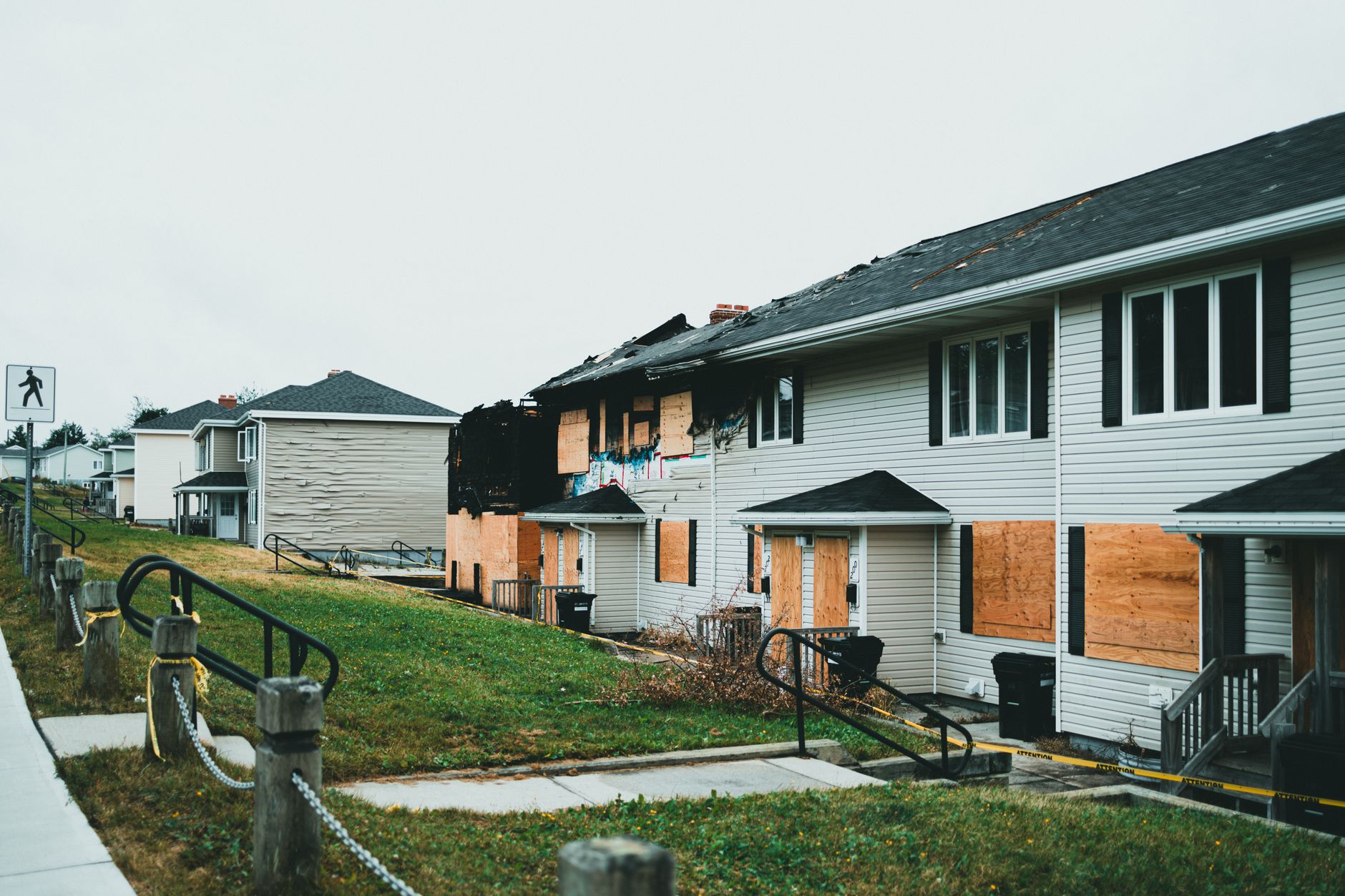
Raccoons, while seemingly harmless, can be destructive creatures. They often seek shelter in attics, chimneys, and under decks, causing significant damage in the process. Does insurance cover damage from raccoons that results from these incursions? The answer isn’t always straightforward and depends heavily on your specific insurance policy and the nature of the damage. This article delves into the complexities of insurance coverage for raccoon-related incidents.

What colours are fish most attracted to?
Can you put your finger in a trout's mouth?
Is methylene blue anti bacterial?
Does aquarium salt raise pH in aquarium?
Types of Raccoon Damage Commonly Encountered
Raccoons are not known for being tidy tenants. The damage they inflict can range from minor to extensive. Here are some common issues:
- Structural Damage: Chewing through wood, insulation, and wiring can compromise the structural integrity of your home.
- Contamination: Raccoon feces and urine can create unsanitary conditions and pose health risks, requiring professional cleanup.
- Insulation Damage: Raccoons often tear up insulation to create nests, reducing energy efficiency and increasing utility bills.
- Roof Damage: Raccoons can damage shingles, soffits, and fascia boards while attempting to gain entry.
How Homeowners Insurance Policies Typically Address Animal Damage
Standard homeowners insurance policies typically cover sudden and accidental damage. This means that if a raccoon suddenly breaks into your home and causes immediate damage, your insurance may cover the repairs. However, most policies exclude damage caused by vermin or rodents, which is where the ambiguity surrounding raccoons comes in.
- Sudden and Accidental Damage: This is usually covered. For instance, if a raccoon tears a hole in your roof during a storm to gain entry, the roof repair might be covered.
- Exclusion of Vermin/Rodents: Many policies specifically exclude damage caused by rodents like mice and rats. Whether raccoons fall under this exclusion is often a gray area.
- Maintenance Issues: Damage resulting from poor home maintenance, such as a pre-existing hole in the roof that allowed raccoon entry, is typically not covered.
Factors Affecting Coverage Decisions
Several factors influence whether an insurance claim for raccoon damage will be approved:
- Policy Wording: The exact wording of your policy is crucial. Some policies explicitly mention raccoons, while others leave it open to interpretation.
- State Laws: State regulations can affect how insurance companies handle animal damage claims.
- Documentation: Thorough documentation of the damage, including photos and videos, is essential for a successful claim.
- Professional Assessment: An assessment from a qualified wildlife removal specialist or contractor can provide valuable evidence to support your claim.
Steps to Take After Discovering Raccoon Damage
If you discover raccoon damage in your home, follow these steps:
- Document the Damage: Take photos and videos of all affected areas.
- Contact Your Insurance Company: Report the damage promptly and inquire about coverage.
- Get a Professional Assessment: Hire a wildlife removal specialist to assess the extent of the damage and provide an estimate for repairs.
- File a Claim: Submit a claim to your insurance company, providing all necessary documentation.
- Cooperate with the Adjuster: Work with the insurance adjuster to ensure a fair assessment of your claim.
Common Pitfalls to Avoid When Filing a Claim
- Delaying Reporting: Reporting the damage promptly is crucial. Delays can raise suspicion and jeopardize your claim.
- Failing to Document: Insufficient documentation can weaken your claim.
- Attempting DIY Repairs: Avoid making repairs before the insurance adjuster has inspected the damage, as this can complicate the claims process.
- Misrepresenting the Facts: Honesty is paramount. Providing false information can result in denial of your claim and potential legal consequences.
The Importance of Preventative Measures
Preventing raccoon infestations is far more cost-effective than dealing with the aftermath. Here are some preventative measures:
- Secure Your Trash Cans: Use tightly sealed trash cans and store them in a garage or shed.
- Seal Entry Points: Seal any potential entry points, such as gaps in your roof, around pipes, and under decks.
- Trim Overhanging Branches: Trim tree branches that provide raccoons with access to your roof.
- Install Chimney Caps: Install a chimney cap to prevent raccoons from entering your chimney.
Frequently Asked Questions about Raccoon Damage and Insurance Coverage
Will my homeowners insurance cover the cost of removing a raccoon from my attic?
It depends on your policy. Some policies may cover the cost of removing the raccoon, especially if the raccoon’s presence has caused covered damage. However, many policies only cover the damage caused by the animal, not the removal itself. Always check your policy and consult with your insurance agent.
What if the raccoons have been living in my attic for a long time?
If the raccoons have been living in your attic for an extended period, the damage may be considered preventable neglect, and your claim could be denied. Insurance companies often require homeowners to maintain their property and address potential problems promptly.
Does insurance cover the cleanup of raccoon feces and urine?
Many standard policies do not explicitly exclude hazardous waste cleanup (which could include raccoon waste), therefore there is a greater likelihood of coverage, particularly if deemed a health hazard and requiring professional remediation. However, this often depends on the extent and nature of the contamination, as well as the specific wording in your policy. Review your policy or speak with your adjuster for confirmation.
What happens if my insurance company denies my claim?
If your insurance company denies your claim, you have the right to appeal their decision. Gather additional evidence, such as expert opinions and repair estimates, and submit a written appeal. You may also consider consulting with a public adjuster or attorney.
Are there specific types of homeowners insurance policies that offer better coverage for raccoon damage?
Some insurance companies offer enhanced coverage options that may provide broader protection against animal damage. These policies may have higher premiums but can offer peace of mind if you live in an area prone to raccoon infestations.
Does my deductible apply to raccoon damage claims?
Yes, your deductible will typically apply to raccoon damage claims. You will need to pay the deductible amount before your insurance coverage kicks in.
What kind of documentation should I provide when filing a claim?
You should provide as much documentation as possible, including:
- Photos and videos of the damage
- Repair estimates from qualified contractors
- A report from a wildlife removal specialist
- A copy of your homeowners insurance policy
If raccoons damage my car, is that covered by my auto insurance or homeowners insurance?
Damage to your car caused by raccoons is typically covered by the comprehensive coverage portion of your auto insurance policy, not your homeowners insurance.
Is damage caused by raccoons considered an “act of God” and covered under my policy?
Generally, damage caused by raccoons is not considered an “act of God.” “Act of God” typically refers to unforeseeable natural disasters such as earthquakes, floods, or hurricanes. Raccoon damage is usually classified as damage caused by animals.
How can I find a reputable wildlife removal specialist?
You can find a reputable wildlife removal specialist by:
- Asking for referrals from friends and family
- Checking online review sites like Yelp and Google Reviews
- Contacting local animal control agencies
- Verifying their licenses and certifications
Does the cost of repairing damage caused by raccoons increase my insurance premiums?
Filing a claim for raccoon damage could potentially increase your insurance premiums, especially if you have a history of filing claims. However, the impact on your premiums will depend on your insurance company and your claims history.
What is the statute of limitations for filing an insurance claim for raccoon damage?
The statute of limitations for filing an insurance claim varies by state. Consult with an attorney or insurance professional in your area to determine the applicable statute of limitations.