
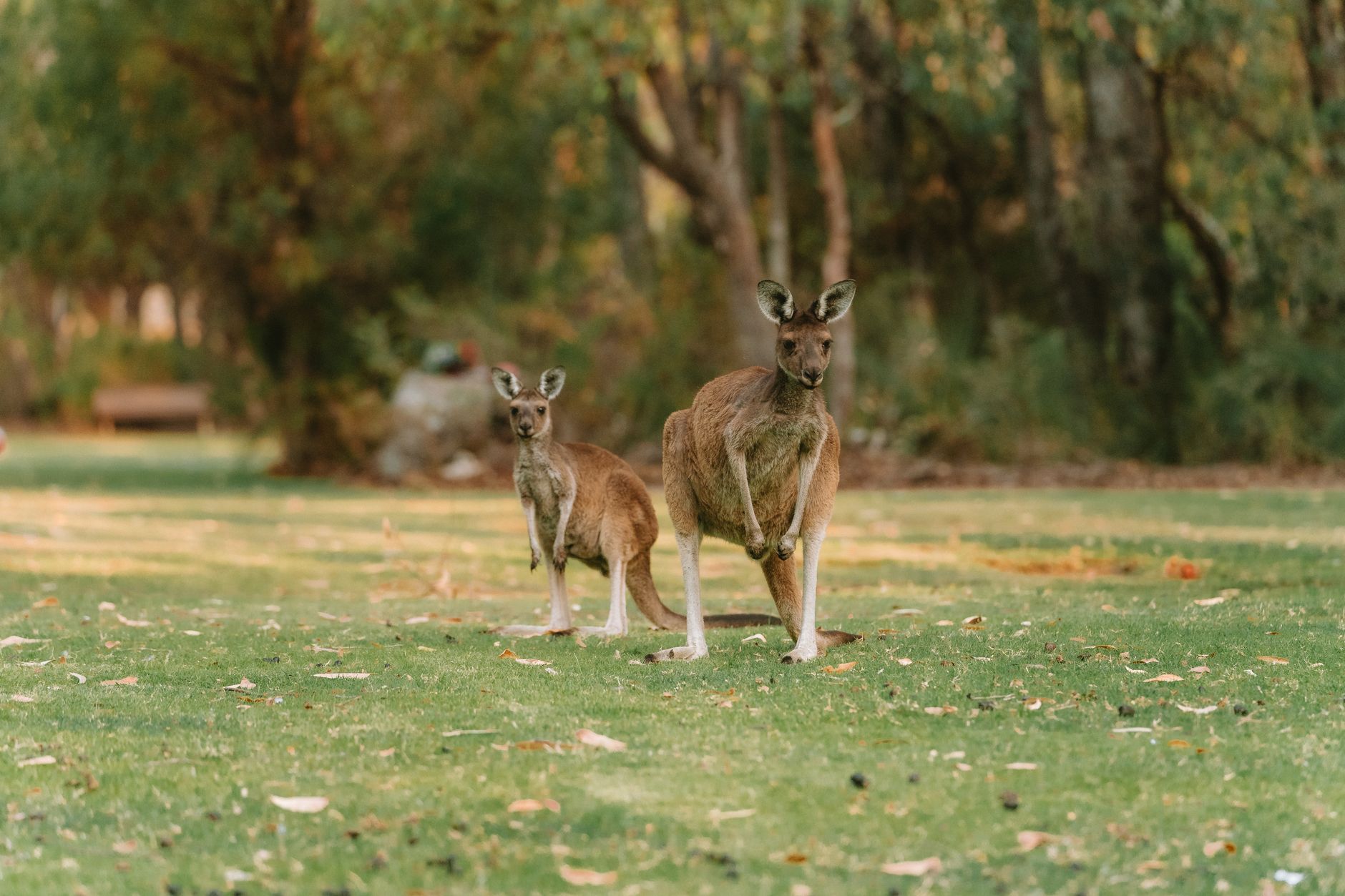
Why Do Kangaroos Not Drink Water? The Surprising Hydration Strategies of Australia’s Iconic Marsupials
Kangaroos have evolved remarkable adaptations allowing them to thrive in arid environments; while the statement that they never drink water isn’t entirely accurate, they rely primarily on metabolic water and the moisture content of their diet, demonstrating a fascinating solution to surviving where water is scarce. This ability sets them apart and is crucial to understanding their ecology.

Introduction: Unveiling the Myths of Kangaroo Hydration
The question, “Why do kangaroos not drink water?” is a common one, often fueled by misconceptions about these iconic Australian marsupials. While it’s not entirely true that kangaroos never drink, they are incredibly adept at surviving with very little free water. They’ve developed unique physiological and behavioral strategies that minimize their reliance on external water sources, allowing them to flourish in environments where water is scarce. This article will delve into the reasons behind this impressive adaptation.

Can fish hear water?
How do I add oxygen to my goldfish water?
Do carbon filters remove water hardness?
Why is the Chicxulub Crater not visible?
Metabolic Water: The Kangaroo’s Internal Water Source

One of the key reasons why kangaroos do not drink water frequently is their ability to generate metabolic water. This is water produced as a byproduct of digestion, specifically when carbohydrates, fats, and proteins are broken down.
- Cellular Respiration: Kangaroos are particularly efficient at extracting water from their food through cellular respiration.
- Gut Microbiome: A highly specialized gut microbiome aids in breaking down tough plant matter and extracting maximum moisture.
- Slow Metabolism: A relatively slow metabolic rate also contributes to reduced water loss.
Dietary Moisture: Sustenance from Succulent Vegetation
In addition to metabolic water, kangaroos obtain a significant portion of their hydration from the moisture content of their diet.
- Grasses and Forbs: They preferentially graze on grasses, forbs (herbaceous flowering plants), and other vegetation with high moisture levels, especially during dawn and dusk when plants are still moist with dew.
- Succulents: Some kangaroo species will also consume succulents, which store large quantities of water within their tissues.
- Selective Feeding: They are highly selective in their feeding habits, choosing plants with the highest water content available.
Behavioral Adaptations: Minimizing Water Loss
Beyond their physiological adaptations, kangaroos exhibit several behaviors that help them conserve water.
- Nocturnal Activity: Many kangaroo species are primarily active during the cooler hours of the night, reducing water loss through evaporation and sweating.
- Shelter Seeking: During the hottest parts of the day, kangaroos will seek shelter in shaded areas, such as under trees or in caves, further minimizing water loss.
- Reduced Activity: They will also reduce their activity levels during the hottest periods, entering a state of torpor to conserve energy and water.
Kidney Efficiency: Maximizing Water Reabsorption
Kangaroos possess highly efficient kidneys that are capable of producing very concentrated urine, minimizing water loss through excretion.
- Long Loops of Henle: Their kidneys have exceptionally long loops of Henle, which are structures responsible for concentrating urine.
- Water Reabsorption: This allows them to reabsorb a larger proportion of water back into the bloodstream, reducing the amount of water excreted in their urine.
- Dry Feces: They also produce relatively dry feces, further contributing to water conservation.
The Exception: When Kangaroos Do Drink Water
It’s important to clarify that kangaroos do drink water when it is readily available, particularly during periods of drought or high heat. The statement “Why do kangaroos not drink water?” is more about their reliance on alternative water sources.
- Surface Water: They will drink from rivers, creeks, waterholes, and artificial sources such as water troughs.
- Drought Conditions: During prolonged dry spells, they may travel long distances to find water.
- Opportunistic Hydration: They take advantage of any available water source.
Impact of Climate Change: A Growing Threat
Climate change, with its associated increases in temperature and aridity, poses a significant threat to kangaroo populations.
- Reduced Water Availability: Increased drought frequency and severity reduce the availability of both free water and moisture-rich vegetation.
- Increased Heat Stress: Higher temperatures increase the risk of heat stress and dehydration.
- Habitat Degradation: Changes in vegetation composition and distribution further impact their ability to find food and water.
Conservation Efforts: Protecting Kangaroo Populations
Protecting kangaroo populations in the face of climate change requires a multifaceted approach.
- Water Management: Implementing sustainable water management practices to ensure the availability of water resources for both humans and wildlife.
- Habitat Restoration: Restoring degraded habitats to improve the availability of food and shelter.
- Climate Change Mitigation: Reducing greenhouse gas emissions to mitigate the impacts of climate change on kangaroo populations.
| Adaptation | Benefit |
|---|---|
| Metabolic Water | Reduces reliance on external water sources. |
| Dietary Moisture | Provides a steady supply of water from food. |
| Nocturnal Activity | Minimizes water loss through evaporation. |
| Efficient Kidneys | Maximizes water reabsorption from urine. |
| Behavioral Strategies | Reduces water loss during hot periods. |
Frequently Asked Questions (FAQs)
Why is it important for kangaroos to conserve water?
Kangaroos inhabit many arid and semi-arid regions of Australia where water is scarce. Conserving water is crucial for their survival in these environments, allowing them to thrive despite limited access to drinking water.
How much water does a kangaroo typically need per day?
The amount of water a kangaroo needs per day varies depending on factors such as species, size, activity level, and environmental conditions. However, through metabolic water and diet, they can often survive on very little free water, sometimes needing only a few hundred milliliters per day or less under optimal conditions.
What types of plants do kangaroos prefer to eat for their moisture content?
Kangaroos generally prefer to eat grasses, forbs, and other herbaceous vegetation with high moisture content. They may also consume succulents and other plants that store water within their tissues, especially during dry periods.
Do all kangaroo species have the same water conservation abilities?
No, different kangaroo species have varying degrees of water conservation abilities. Species that inhabit drier environments, such as the red kangaroo, tend to have more efficient kidneys and other adaptations for minimizing water loss compared to species that live in wetter regions.
How do kangaroos regulate their body temperature in the heat?
Kangaroos regulate their body temperature through a combination of behavioral and physiological mechanisms. These include seeking shade, reducing activity, panting (which evaporates water from their lungs), and sweating, although they sweat less than many other mammals.
What role does their gut microbiome play in water conservation?
A specialized gut microbiome is critical. It aids in breaking down tough plant matter and extracting maximum moisture. This process generates metabolic water and ensures optimal nutrient absorption.
Can kangaroos get dehydrated?
Yes, kangaroos can get dehydrated, particularly during periods of prolonged drought or extreme heat. Dehydration can lead to a range of health problems, including reduced activity, impaired kidney function, and even death.
What are the signs of dehydration in kangaroos?
Signs of dehydration in kangaroos can include lethargy, sunken eyes, dry mucous membranes, and reduced urine output. Severely dehydrated kangaroos may also collapse.
How does climate change affect kangaroo hydration?
Climate change exacerbates water scarcity in many kangaroo habitats, reducing the availability of both free water and moisture-rich vegetation. This increases the risk of dehydration and heat stress, threatening kangaroo populations.
Are there any artificial water sources available for kangaroos in drought-prone areas?
In some areas, artificial water sources, such as water troughs and dams, are provided to help kangaroos and other wildlife survive during droughts. These water sources can be crucial for their survival.
What can be done to help kangaroos cope with water scarcity?
Several measures can be taken to help kangaroos cope with water scarcity, including implementing sustainable water management practices, restoring degraded habitats, and mitigating climate change to reduce the frequency and severity of droughts.
Why do some people believe kangaroos never drink water?
The myth probably stems from the kangaroo’s remarkable ability to survive in arid environments with limited access to free water. Their efficient physiological and behavioral adaptations are so effective that they appear to not need to drink water regularly, leading to the misconception that they never do.