

Will a Burmese Python Eat a Dog? The Alarming Truth
Yes, a Burmese python can and will eat a dog if the opportunity presents itself, and the dog is of a manageable size. This is a serious concern, particularly in areas where these invasive snakes are prevalent.

Understanding the Burmese Python Threat
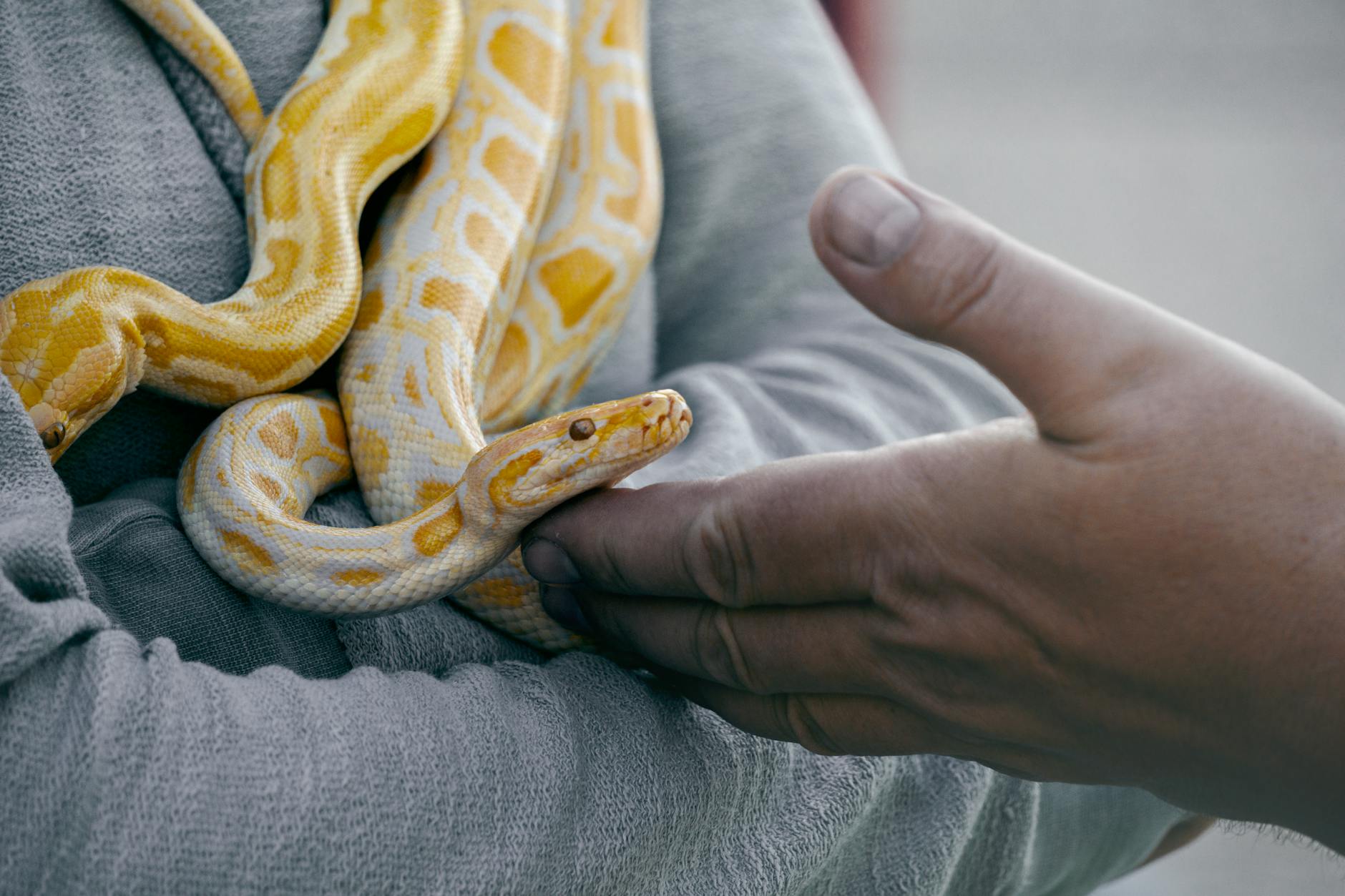
The Burmese python (Python bivittatus) is a large, non-venomous constrictor native to Southeast Asia. However, they have established a significant invasive population in Florida, primarily within the Everglades National Park. Their presence poses a serious threat to the native ecosystem, and, increasingly, to domestic animals. Will a Burmese python eat a dog? Unfortunately, the answer is a disturbing yes, given the right circumstances.
What saltwater fish eat earthworms?
Who wins a hyena or wild dog?
The Python’s Predatory Behavior
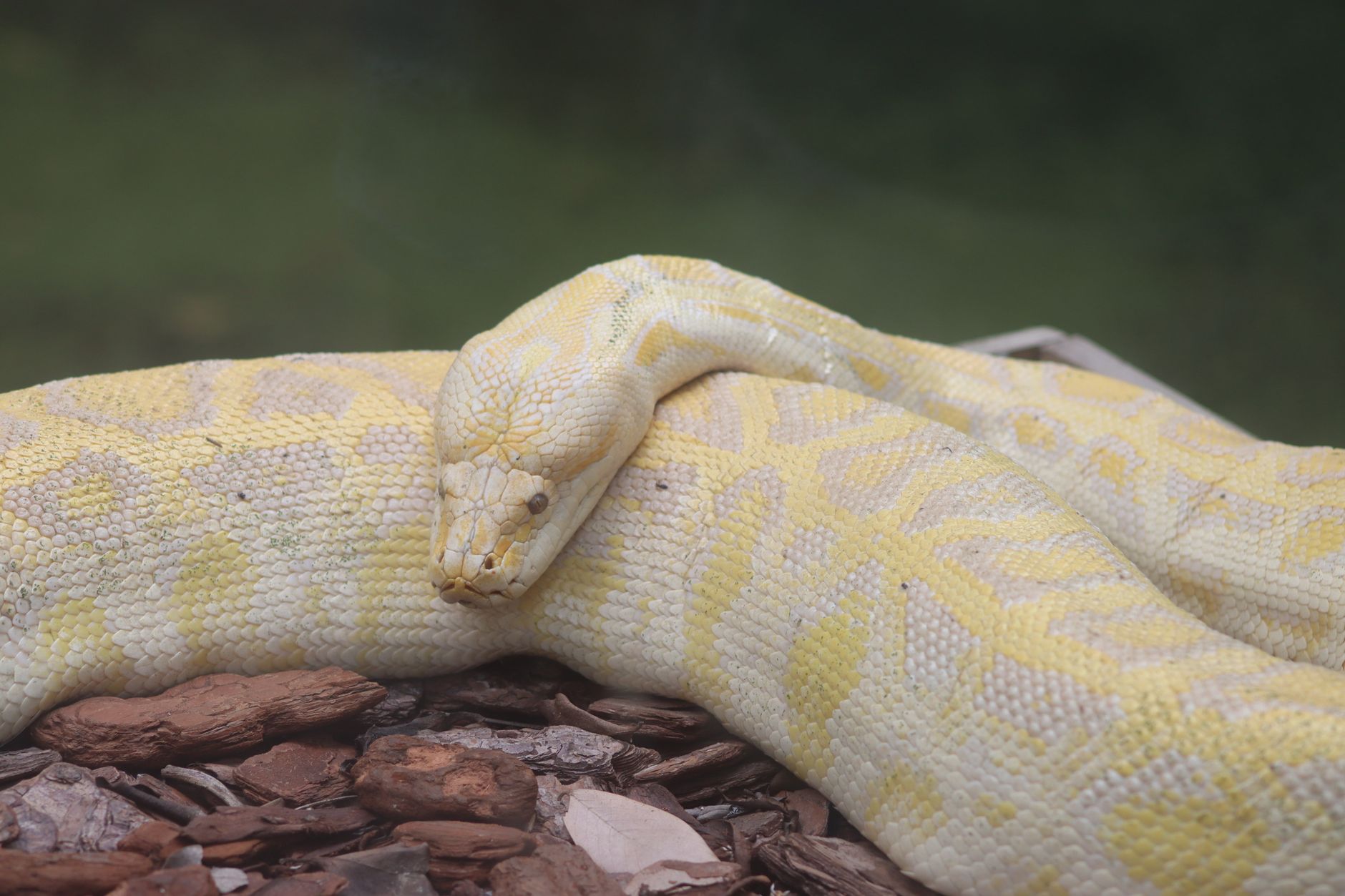
Burmese pythons are opportunistic predators, meaning they will consume a wide variety of prey. Their diet in Florida includes mammals, birds, and reptiles. They primarily hunt by ambush, lying in wait and striking when prey comes within range. They then constrict the prey until it suffocates, before swallowing it whole.
- Size Matters: The size of the python is a critical factor. A larger python can obviously consume larger prey.
- Opportunity: Pythons are most likely to prey on animals that are easily accessible and provide a substantial meal.
- Location: Dogs living in or near areas where pythons are prevalent are at higher risk.
Factors Contributing to Risk
Several factors increase the risk of a dog becoming prey for a Burmese python:
- Dog Size: Smaller dogs are at greater risk. A Burmese python can consume an animal significantly larger than its head.
- Unsupervised Outdoor Time: Dogs that are allowed to roam freely, especially at dawn and dusk, are more vulnerable.
- Proximity to Python Habitat: Living near wetlands, canals, or other areas where pythons are known to reside increases the risk.
Prevention and Mitigation
While eliminating the python population entirely is a daunting task, several measures can be taken to protect pets:
- Keep Dogs Leashed: Always keep dogs on a leash when walking in areas where pythons are present.
- Supervise Outdoor Time: Closely supervise dogs when they are outside, especially at night.
- Secure Yards: Ensure yards are securely fenced to prevent pythons from entering. Consider using buried fencing, as pythons can burrow.
- Report Sightings: Report any python sightings to local authorities.
- Educate Yourself: Stay informed about the dangers of Burmese pythons and how to protect your pets.
Case Studies and Anecdotal Evidence
While documented cases of Burmese pythons eating dogs are not widely publicized, anecdotal evidence and logical deduction based on their predatory habits strongly suggest that it occurs. The python’s diet includes animals of similar size and weight to small and medium-sized dogs.
The Importance of Conservation Efforts
Efforts to control the Burmese python population are crucial to protecting native wildlife and, indirectly, domestic animals. These efforts include:
- Python Removal Programs: State and federal agencies actively remove pythons from the wild.
- Research and Monitoring: Scientists are studying python behavior and ecology to develop more effective control methods.
- Public Awareness Campaigns: Educating the public about the dangers of pythons and how to report sightings.
| Category | Details |
|---|---|
| Python Size | Up to 20 feet or more |
| Prey Size | Can consume animals up to 100+ pounds |
| Risk Factors | Small dogs, unsupervised outdoor time |
| Prevention Methods | Leashes, secure yards, reporting sightings |
Frequently Asked Questions (FAQs)
What is the typical size of a Burmese python in Florida?
Burmese pythons in Florida can grow to be quite large, often reaching 10-16 feet in length. However, some individuals have been documented exceeding 18-20 feet. Their size directly correlates to the size of prey they can consume.
Are all dog breeds equally at risk?
No, smaller dog breeds are more vulnerable than larger breeds. A chihuahua is far more likely to be targeted than a Great Dane. Larger dogs may still be attacked, but the python may struggle to subdue or consume them.
What are the best ways to secure my yard against pythons?
A solid fence is a good start. Ideally, the fence should be buried at least 12 inches deep to prevent pythons from burrowing underneath. Consider adding a slanted barrier at the bottom to further deter digging. Regular yard maintenance, such as removing debris and keeping grass short, can also help reduce hiding places for pythons.
How quickly can a python consume a dog?
The process of consuming a dog can take several hours, depending on the size of both the snake and the dog. Pythons slowly envelop their prey and use powerful muscles to constrict and suffocate it. Swallowing the prey whole is a slow and deliberate process.
What should I do if I see a python in my yard?
Never approach or attempt to handle a python yourself. Immediately contact your local animal control or wildlife authorities. Providing them with the python’s location and size will help them safely remove the snake.
Are Burmese pythons venomous?
No, Burmese pythons are non-venomous. They kill their prey through constriction, wrapping their bodies around the animal and squeezing until it suffocates.
Does the presence of other animals (e.g., cats, chickens) increase the risk to my dog?
While cats and chickens can also be prey for pythons, their presence doesn’t directly increase the risk to your dog. However, a python attracted to a property by other prey may be more likely to encounter a dog.
Are there any repellents that effectively deter pythons?
Unfortunately, there are no scientifically proven repellents that reliably deter pythons. The best defense is prevention: securing your yard and supervising your pets.
What time of year are pythons most active?
Pythons are generally most active during the warmer months of the year, from spring to fall. They become less active in the cooler winter months.
Does Florida have any specific laws regarding python ownership or control?
Yes, Florida has strict regulations regarding python ownership and control. It is illegal to release Burmese pythons or other exotic animals into the wild. The state also has programs aimed at removing pythons from sensitive areas.
How does climate change affect the python population in Florida?
Warmer temperatures associated with climate change may allow pythons to expand their range further north in Florida, potentially increasing their impact on native wildlife and the risk to pets.
If a python attacks my dog, is there anything I can do to save it?
If you witness a python attacking your dog, your primary concern should be your own safety. Do not attempt to physically confront the snake. Contact emergency services or animal control immediately. They are equipped to handle the situation and protect both you and your pet, if possible.