
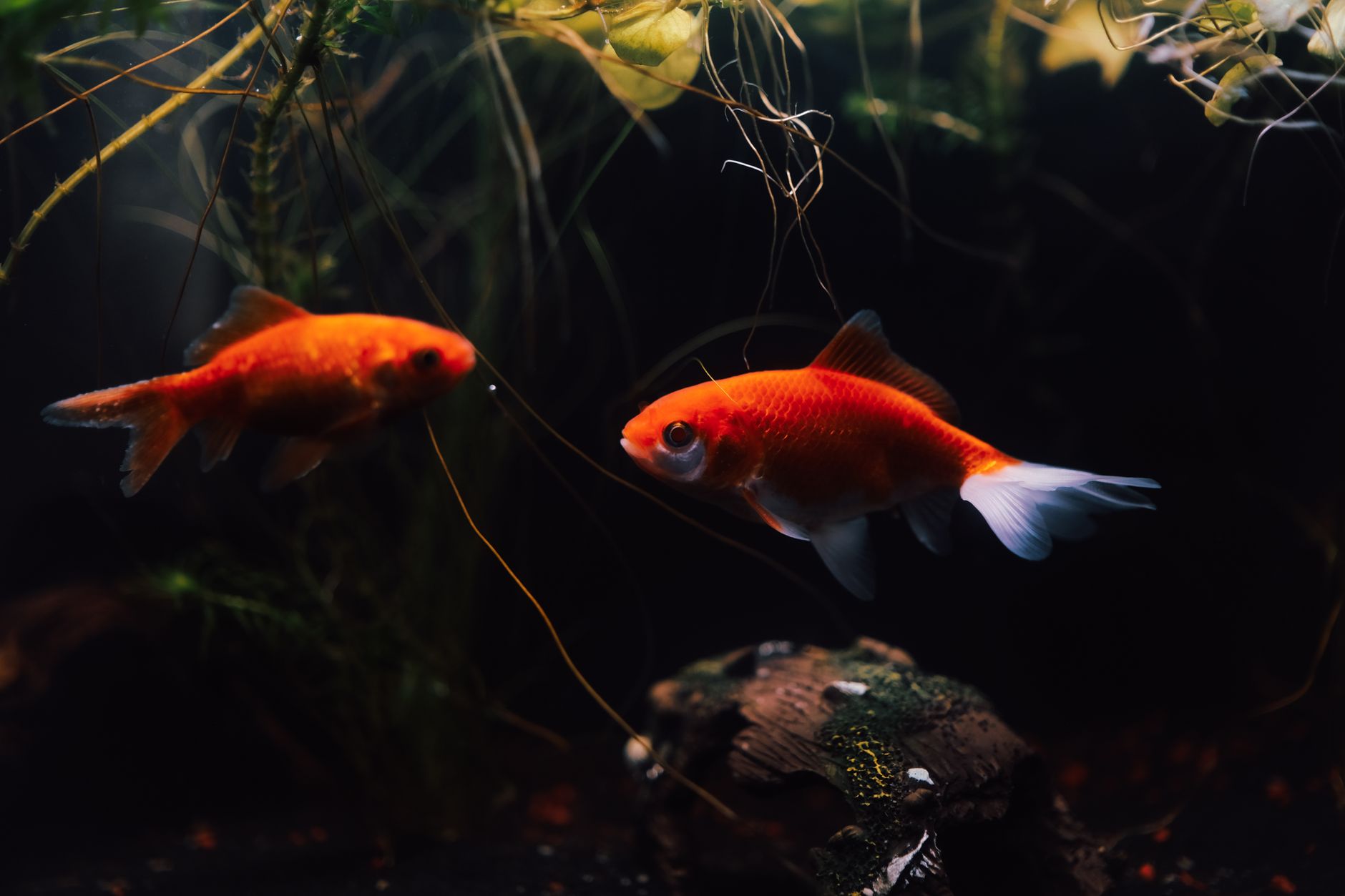
Ich: A Deadly Threat to Your Goldfish – Does Ich Affect Goldfish?
Yes, Ich, also known as white spot disease, is a highly contagious parasitic infection that severely affects goldfish. Left untreated, it can quickly become fatal, making early detection and prompt treatment crucial for the health and survival of your beloved pets.
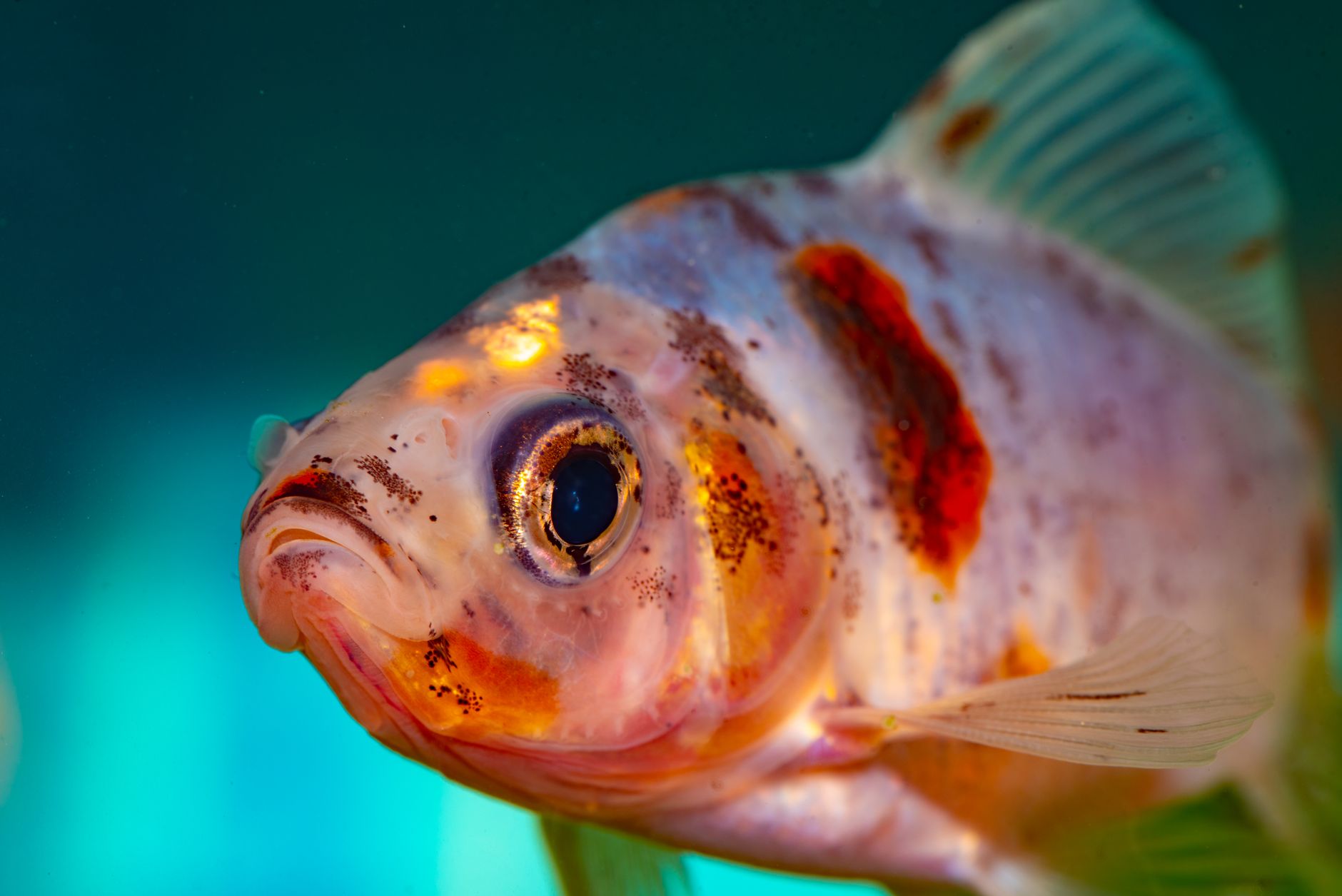
Understanding Ich: The White Spot Disease
Ichthyophthirius multifiliis, or simply Ich, is a common protozoan parasite that can wreak havoc in aquariums, especially those housing goldfish. Goldfish, due to their sometimes weaker immune systems or susceptibility to stress (caused by factors like poor water quality or overcrowding), are particularly vulnerable to Ich infestations. Ich presents as small, white spots resembling grains of salt sprinkled on the fish’s body, fins, and gills. While seemingly innocuous at first, it’s a sign of a serious underlying issue.

What is the GREY African clawed frog?
What colours are fish most attracted to?
Can you put your finger in a trout's mouth?
Is methylene blue anti bacterial?
The Life Cycle of Ich

Understanding the Ich parasite’s life cycle is essential for effective treatment. The parasite goes through several stages:
- Trophont Stage: This is the feeding stage where the parasite burrows under the goldfish’s skin and forms the visible white spots.
- Tomont Stage: After maturing, the trophont detaches from the fish and falls to the bottom of the aquarium. It then encysts and becomes a tomont.
- Tomite Stage: The tomont divides numerous times, producing hundreds or even thousands of tomites, which are free-swimming infective stages.
- Theront Stage: These tomites actively seek out new hosts (goldfish) to infect, repeating the cycle.
Importantly, Ich medications are only effective against the free-swimming tomite stage. This is why repeated treatments are necessary to eradicate the parasite completely.
Symptoms of Ich in Goldfish
Recognizing Ich early is vital. Common symptoms include:
- Visible white spots on the body, fins, and gills.
- Flicking or rubbing against objects in the aquarium (a sign of irritation).
- Lethargy and loss of appetite.
- Clamped fins (held close to the body).
- Rapid breathing or gasping at the surface (if gills are affected).
- General distressed behavior.
If you observe any of these symptoms in your goldfish, immediate action is necessary to prevent the disease from progressing and potentially causing death.
Treatment Options for Ich
Treating Ich effectively requires a multi-pronged approach:
- Increase Water Temperature: Gradually raise the aquarium temperature to around 86°F (30°C). This accelerates the Ich life cycle, making the parasite more vulnerable to medication. This method should be done cautiously, monitoring the goldfish’s behavior. If they show signs of stress, decrease temperature increases. Not all goldfish tolerate higher temperatures well, especially fancier varieties.
- Salt Treatment: Adding aquarium salt (sodium chloride) to the water can also help kill the parasite. A common dosage is 1-3 teaspoons per gallon of water. Salt levels must be monitored, and water changes are essential to maintain the correct salinity.
- Medications: Several effective Ich medications are available at pet stores. These medications typically contain malachite green, formalin, or copper sulfate. Always follow the manufacturer’s instructions carefully.
- Water Changes: Perform frequent partial water changes (25-50%) to remove free-swimming tomites and improve water quality.
- Gravel Vacuuming: Thoroughly vacuum the gravel to remove any tomonts that have encysted on the bottom of the aquarium.
Important Note: When using medications, remove any activated carbon from your filter, as it will absorb the medication and render it ineffective.
Prevention is Key
Preventing Ich is always better than treating it. Key preventative measures include:
- Quarantine New Fish: Always quarantine new fish in a separate tank for at least 2-4 weeks before introducing them to your main aquarium.
- Maintain Good Water Quality: Regularly test your water parameters (ammonia, nitrite, nitrate, pH) and perform regular water changes to keep your aquarium clean and healthy.
- Avoid Overcrowding: Overcrowding can stress fish and weaken their immune systems, making them more susceptible to Ich.
- Proper Filtration: Use a high-quality filter that is appropriately sized for your aquarium.
- Avoid Stress: Minimize stress by providing a stable environment, avoiding sudden changes in water temperature or pH, and providing adequate hiding places for your fish.
Does Ich affect goldfish if I already have snails or plants in the tank?
Some medications used to treat Ich can be harmful to snails and aquatic plants. Research the medication before using it. Consider moving sensitive invertebrates to a separate tank before treatment or using a plant-safe medication. Salt treatments can also negatively affect plants.
Understanding Salt Levels and Monitoring
Maintaining the proper salt concentration is crucial for effective treatment and avoiding harm to your goldfish.
| Salt Concentration | Purpose |
|---|---|
| Low (1 tsp/gallon) | General prophylactic and mild Ich treatment. Can be used long-term for some species. |
| Medium (2 tsp/gallon) | Effective for moderate Ich infestations. Requires careful monitoring of fish and water parameters. |
| High (3 tsp/gallon or higher) | Only used for severe Ich infestations and for short periods. Can be stressful for goldfish. Requires strict monitoring and adjustments. |
Use a hydrometer or refractometer to accurately measure the salinity of your aquarium water. Make small adjustments to the salt concentration as needed, and always monitor your goldfish for signs of stress. When treatment is complete, perform partial water changes to gradually reduce the salinity back to normal levels.
Common Mistakes to Avoid
Many well-intentioned goldfish owners make mistakes when treating Ich. Here are some common pitfalls:
- Not completing the full course of treatment: Ich medications need to be used for the recommended duration, even if the white spots disappear.
- Not vacuuming the gravel: Tomonts can survive on the bottom of the aquarium, re-infecting your fish.
- Not quarantining new fish: This is the easiest way to introduce Ich into your aquarium.
- Overdosing medication: More is not always better. Follow the manufacturer’s instructions carefully.
- Ignoring water quality: Poor water quality can exacerbate Ich and make treatment less effective.
By avoiding these common mistakes, you can significantly increase your chances of successfully treating Ich and saving your goldfish.
The Impact of Ich on Different Goldfish Varieties
While Ich can affect all goldfish varieties, some are more susceptible than others. For example, fancy goldfish with weaker immune systems or delicate fins may be more vulnerable. Understanding the specific needs of your goldfish variety can help you provide the best possible care and prevent Ich.
Ich is a serious threat to the health of any goldfish. With the appropriate knowledge and preventive efforts, you can protect your beloved goldfish from this devastating parasitic infection.
Frequently Asked Questions (FAQs)
What is the fastest way to cure Ich in goldfish?
The fastest way involves a combination of increasing the water temperature, using aquarium salt, and administering an Ich medication. However, it’s crucial to increase the temperature gradually and monitor your goldfish for signs of stress.
Can Ich kill goldfish overnight?
While Ich typically doesn’t kill overnight, a severe infestation, especially affecting the gills, can lead to rapid suffocation and death within a short period. Prompt treatment is critical.
How do I know if my goldfish has Ich?
Look for small, white spots resembling grains of salt on the body, fins, and gills. Other symptoms include flicking or rubbing against objects, lethargy, loss of appetite, and clamped fins. Early detection is key to successful treatment.
Is Ich contagious to other fish in the tank?
Yes, Ich is highly contagious and can quickly spread to other fish in the aquarium. Isolate infected fish if possible and treat the entire tank.
How long does it take to treat Ich in goldfish?
Treatment typically takes between 1-3 weeks, depending on the severity of the infestation and the chosen treatment method. Always complete the full course of treatment, even if the white spots disappear.
Can I use human medications to treat Ich in goldfish?
No, human medications are not safe for goldfish and can be toxic. Use only medications specifically designed for aquarium fish.
What water parameters are important to monitor during Ich treatment?
Monitor ammonia, nitrite, and nitrate levels, as well as pH. Poor water quality can exacerbate Ich and make treatment less effective.
Do I need to remove decorations or gravel during Ich treatment?
Remove any activated carbon from your filter, as it will absorb the medication. Thoroughly vacuum the gravel to remove tomonts. Decorations can be left in the tank, but ensure they are clean.
Can Ich survive without a host?
The free-swimming tomite stage can only survive for a short period without a host. This is why regular water changes and gravel vacuuming are essential during treatment.
Is it possible for goldfish to build immunity to Ich?
Goldfish can develop some resistance to Ich after recovering from an infection, but it is not a complete immunity. Proper care and preventative measures are still crucial.
What if my goldfish doesn’t respond to Ich treatment?
Re-evaluate your treatment plan. Ensure you’re following instructions correctly, monitoring water parameters, and completing the full course of treatment. Consider trying a different medication or consulting a veterinarian specializing in aquatic animals. A secondary bacterial infection may also be present.
How can I prevent Ich from recurring in my goldfish tank?
Maintain good water quality, avoid overcrowding, quarantine new fish, provide proper filtration, and minimize stress. Consistent preventative measures are the best way to keep your goldfish healthy and Ich-free.