

Can I Give My Dog Gabapentin Every Night? Understanding Long-Term Use
Generally, it is potentially safe to give your dog gabapentin every night under the guidance and supervision of a licensed veterinarian. However, long-term use requires careful consideration of potential side effects, dosage adjustments, and underlying health conditions.
Understanding Gabapentin: Background and Use in Veterinary Medicine
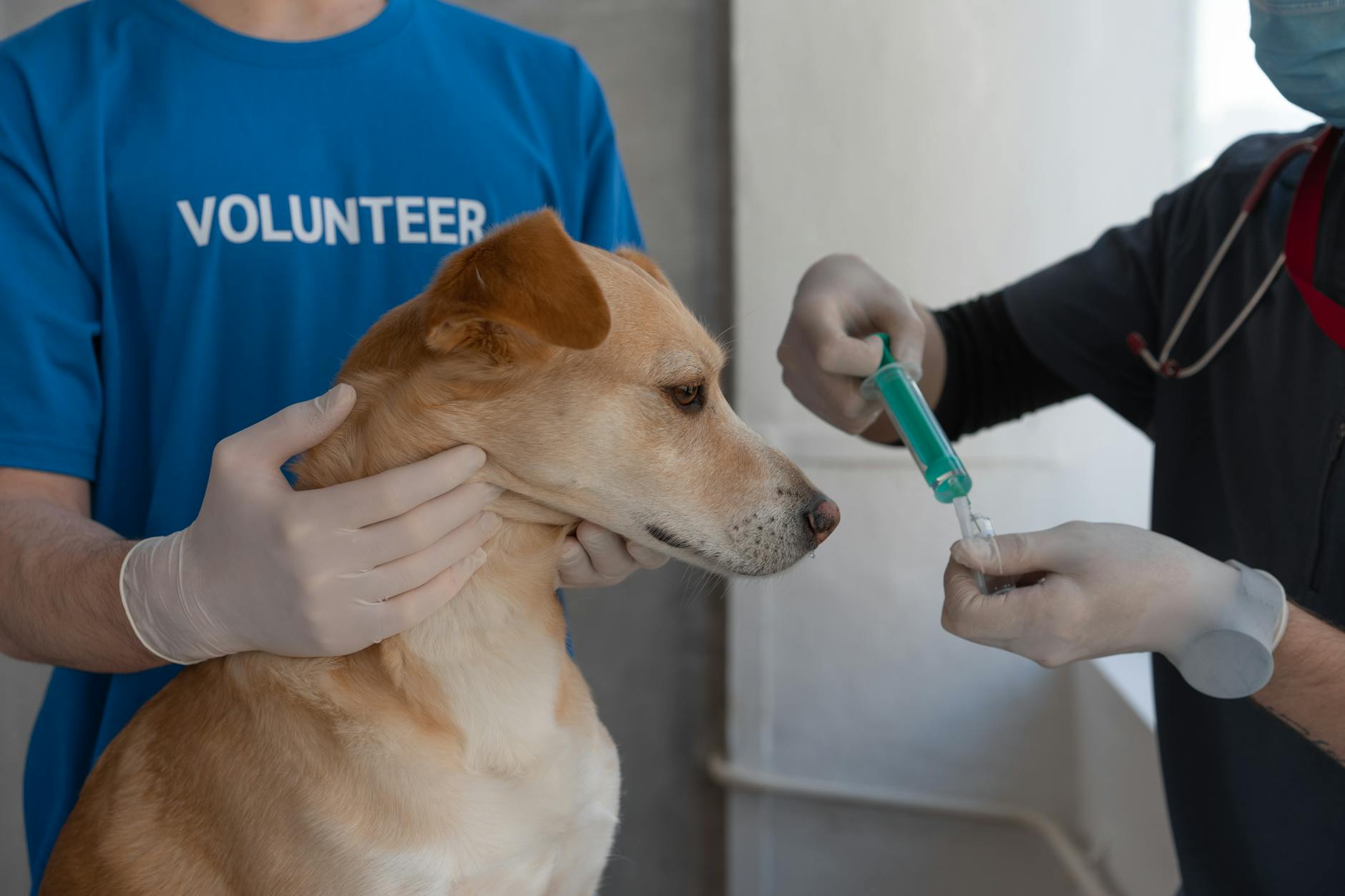
Gabapentin, initially developed as an anti-seizure medication for humans, has found a valuable place in veterinary medicine. It primarily acts as a pain reliever, particularly for neuropathic pain (nerve pain), which can be challenging to manage with traditional pain medications. It’s also used as an adjunct medication for seizure control and anxiety management in dogs. Can I give my dog gabapentin every night? The answer depends on the individual dog and the reason for the medication.
Benefits of Gabapentin for Dogs
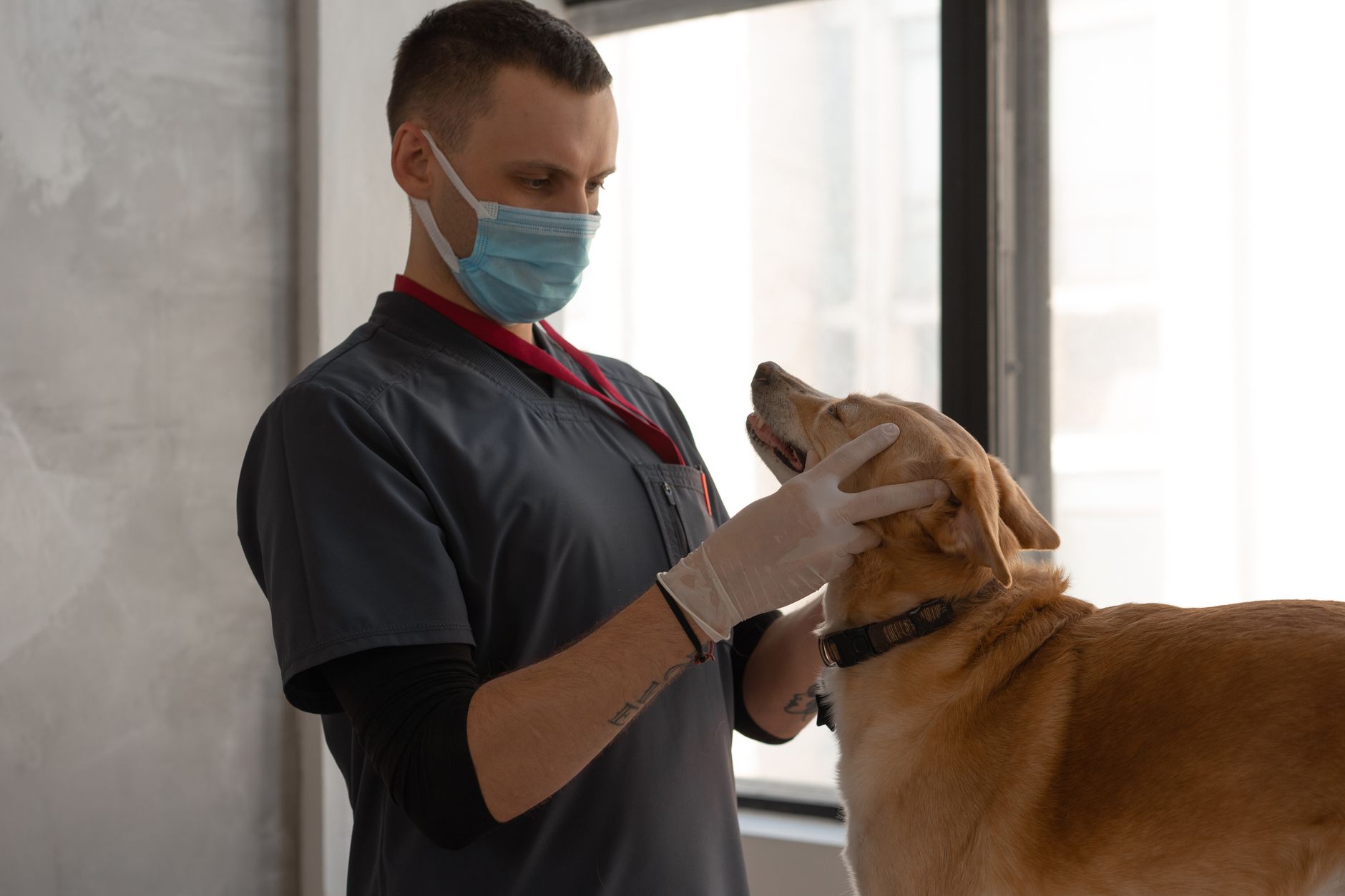
Gabapentin offers several benefits for dogs experiencing specific health issues:
- Pain Management: Effective in alleviating chronic pain, especially neuropathic pain associated with conditions like arthritis, intervertebral disc disease (IVDD), and cancer.
- Seizure Control: Can be used as an add-on medication to control seizures, particularly in dogs that are not fully responsive to other anti-epileptic drugs.
- Anxiety Reduction: Some veterinarians use gabapentin off-label to manage anxiety in dogs, especially in situations like veterinary visits or noise phobias.
Considerations for Daily Gabapentin Administration
While gabapentin is generally considered safe, giving it daily requires careful monitoring and consideration. Here are some important factors:
- Underlying Health Conditions: Dogs with kidney or liver disease may require dosage adjustments, as these organs play a crucial role in metabolizing and eliminating the drug from the body. Veterinarian consultation is imperative.
- Potential Side Effects: Common side effects include sedation, incoordination (ataxia), and gastrointestinal upset (vomiting or diarrhea). These side effects are usually mild and transient but can become problematic with long-term use.
- Drug Interactions: Gabapentin can interact with other medications, such as antacids. It’s crucial to inform your veterinarian about all medications and supplements your dog is taking.
- Tolerance: Over time, some dogs may develop a tolerance to gabapentin, requiring dosage adjustments to maintain its effectiveness.
- Withdrawal Symptoms: Abruptly stopping gabapentin, especially after long-term use, can lead to withdrawal symptoms like anxiety and seizures. Your veterinarian will guide you on a gradual tapering schedule if discontinuation is necessary.
Determining the Correct Dosage and Monitoring
Your veterinarian will determine the appropriate dosage of gabapentin based on your dog’s weight, health condition, and individual response to the medication. Regular monitoring is essential to assess the drug’s effectiveness and identify any potential side effects. This may include periodic blood tests to evaluate kidney and liver function.
Potential Long-Term Side Effects
Although generally safe, long-term gabapentin use can potentially lead to the following side effects:
- Sedation: Persistent drowsiness or lethargy.
- Ataxia: Loss of coordination or balance.
- Gastrointestinal Issues: Chronic vomiting or diarrhea, although rare.
- Kidney/Liver Dysfunction: In some cases, long-term use could exacerbate existing kidney or liver problems. Regular bloodwork can help detect these issues early.
Alternatives to Long-Term Gabapentin Use
If long-term gabapentin use is a concern, discuss alternative pain management strategies with your veterinarian. These may include:
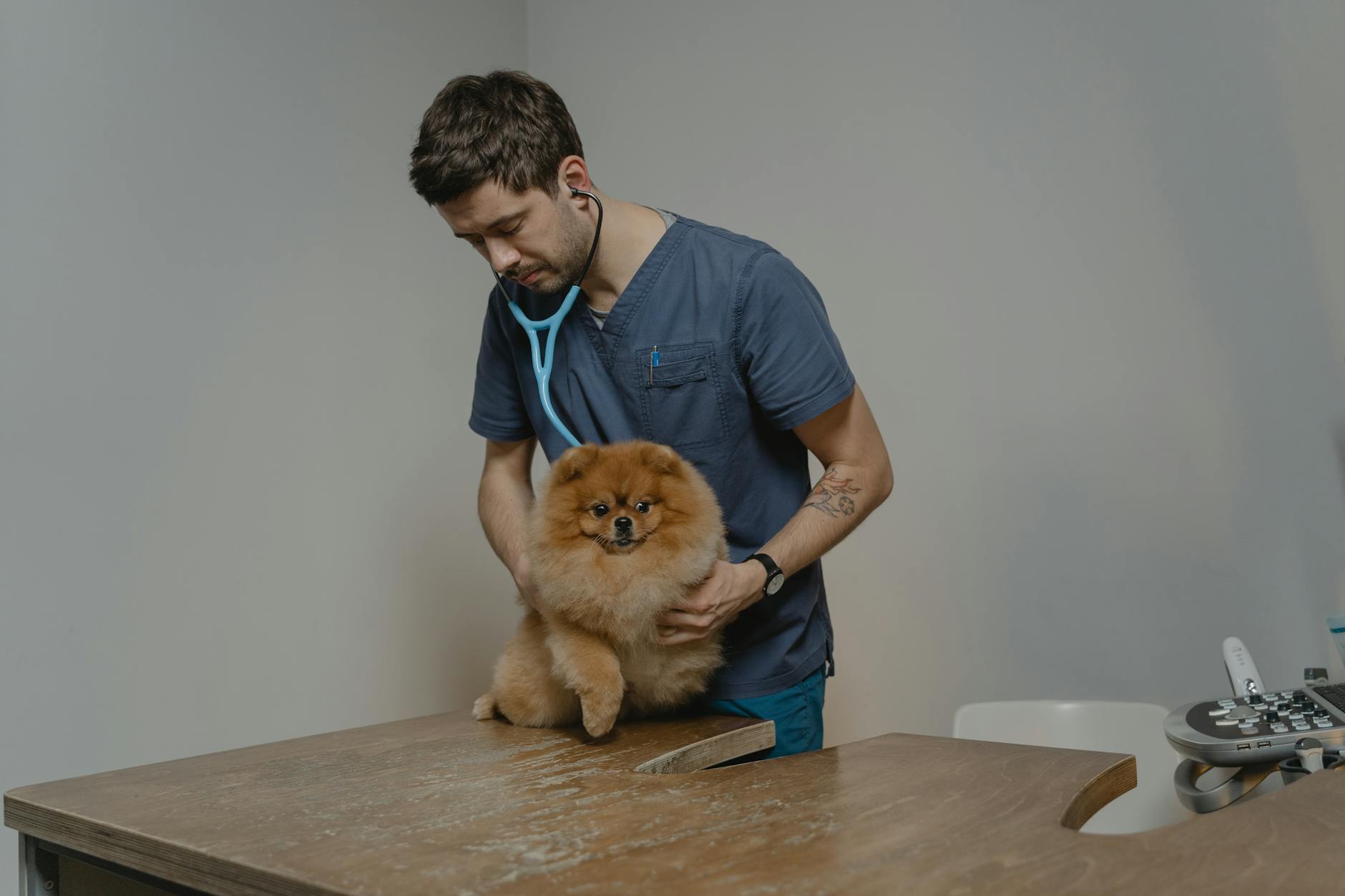
- Non-steroidal anti-inflammatory drugs (NSAIDs): Options like carprofen or meloxicam can be effective for managing pain, but they carry a risk of gastrointestinal side effects and should be used cautiously in dogs with kidney or liver disease.
- Amantadine: Another medication used for chronic pain, particularly neuropathic pain.
- Physical Therapy/Rehabilitation: Exercises and therapies designed to improve mobility and reduce pain.
- Acupuncture: Can be beneficial for pain management and improving overall well-being.
- Nutraceuticals: Supplements like glucosamine and chondroitin can help support joint health.
- CBD: Cannabidiol products specifically formulated for pets have shown promise in managing pain and anxiety. Always consult your veterinarian before using CBD.
Common Mistakes When Giving Gabapentin
- Incorrect Dosage: Giving too much or too little gabapentin can lead to ineffectiveness or adverse side effects.
- Abrupt Discontinuation: Suddenly stopping gabapentin can cause withdrawal symptoms.
- Ignoring Side Effects: Failing to report side effects to your veterinarian can prevent timely intervention.
- Not Monitoring: Failing to monitor your dog’s response to the medication can delay necessary dosage adjustments or alternative treatment strategies.
- Giving Human Gabapentin: Always use a formulation specifically prescribed by your veterinarian. Human formulations can contain ingredients that are harmful to dogs.
Gabapentin and End-of-Life Care
Gabapentin is often used to provide comfort and pain relief for dogs in end-of-life care. It can help manage pain associated with chronic conditions or cancer, improving their quality of life. In these cases, the benefits of gabapentin often outweigh the potential risks, even with long-term use.
Frequently Asked Questions (FAQs)
Can I give my dog gabapentin every night without talking to my vet first?
No. It is extremely important to consult with your veterinarian before administering gabapentin to your dog, even if you have used it before. Your veterinarian can assess your dog’s individual needs, underlying health conditions, and potential drug interactions to determine the appropriate dosage and ensure the medication is safe and effective.
What are the most common side effects of gabapentin in dogs?
The most common side effects of gabapentin in dogs are sedation, incoordination (ataxia), and gastrointestinal upset (vomiting or diarrhea). These side effects are usually mild and transient, but it’s important to monitor your dog closely and report any concerns to your veterinarian.
How long does it take for gabapentin to start working in dogs?
Gabapentin typically starts working within 1-2 hours of administration. However, it may take several days or weeks to see the full effects of the medication, especially for chronic pain conditions.
Is gabapentin addictive for dogs?
Gabapentin is not considered addictive in the same way as opioids. However, abruptly stopping gabapentin after long-term use can lead to withdrawal symptoms, such as anxiety and seizures. Therefore, your veterinarian will recommend a gradual tapering schedule if discontinuation is necessary.
Can I give my dog gabapentin with food?
Yes, gabapentin can be given with or without food. Giving it with food may help reduce the risk of gastrointestinal upset in some dogs.
What should I do if I miss a dose of gabapentin?
If you miss a dose of gabapentin, give it as soon as you remember. However, if it is close to the time for the next dose, skip the missed dose and continue with the regular dosing schedule. Do not double the dose to make up for the missed one.
Can I give my dog human gabapentin?
No, you should never give your dog human gabapentin unless specifically directed by your veterinarian. Human formulations may contain ingredients that are harmful to dogs, such as xylitol.
How should gabapentin be stored?
Gabapentin should be stored at room temperature, away from moisture and light. Keep it out of reach of children and pets.
What if my dog is still in pain even after taking gabapentin?
If your dog is still in pain despite taking gabapentin, contact your veterinarian. They may need to adjust the dosage or consider alternative pain management strategies. Can I give my dog gabapentin every night? Yes, but the dosage may need adjustment over time.
Can gabapentin be used for anxiety in dogs?
Yes, gabapentin can be used off-label to manage anxiety in dogs, particularly in situations like veterinary visits or noise phobias. However, there are other medications specifically designed for anxiety, and your veterinarian can help you determine the best option for your dog.
Are there any dogs that should not take gabapentin?
Gabapentin should be used with caution in dogs with kidney or liver disease, as these organs play a crucial role in metabolizing and eliminating the drug. Dosage adjustments may be necessary. Also, inform your veterinarian if your dog is pregnant or lactating.
Where can I find more information about gabapentin for dogs?
Your veterinarian is the best source of information about gabapentin for dogs. They can provide personalized advice based on your dog’s individual needs and health condition. Reputable veterinary websites and journals can also offer valuable information.