
Does AC Use Gasoline? The Truth Behind Your Car’s Air Conditioning

Yes, your car’s air conditioning (AC) system does use gasoline, albeit indirectly. It’s powered by the engine, and the engine needs fuel to run, making the AC a consumer of gasoline.

Understanding the AC System and its Fuel Dependence
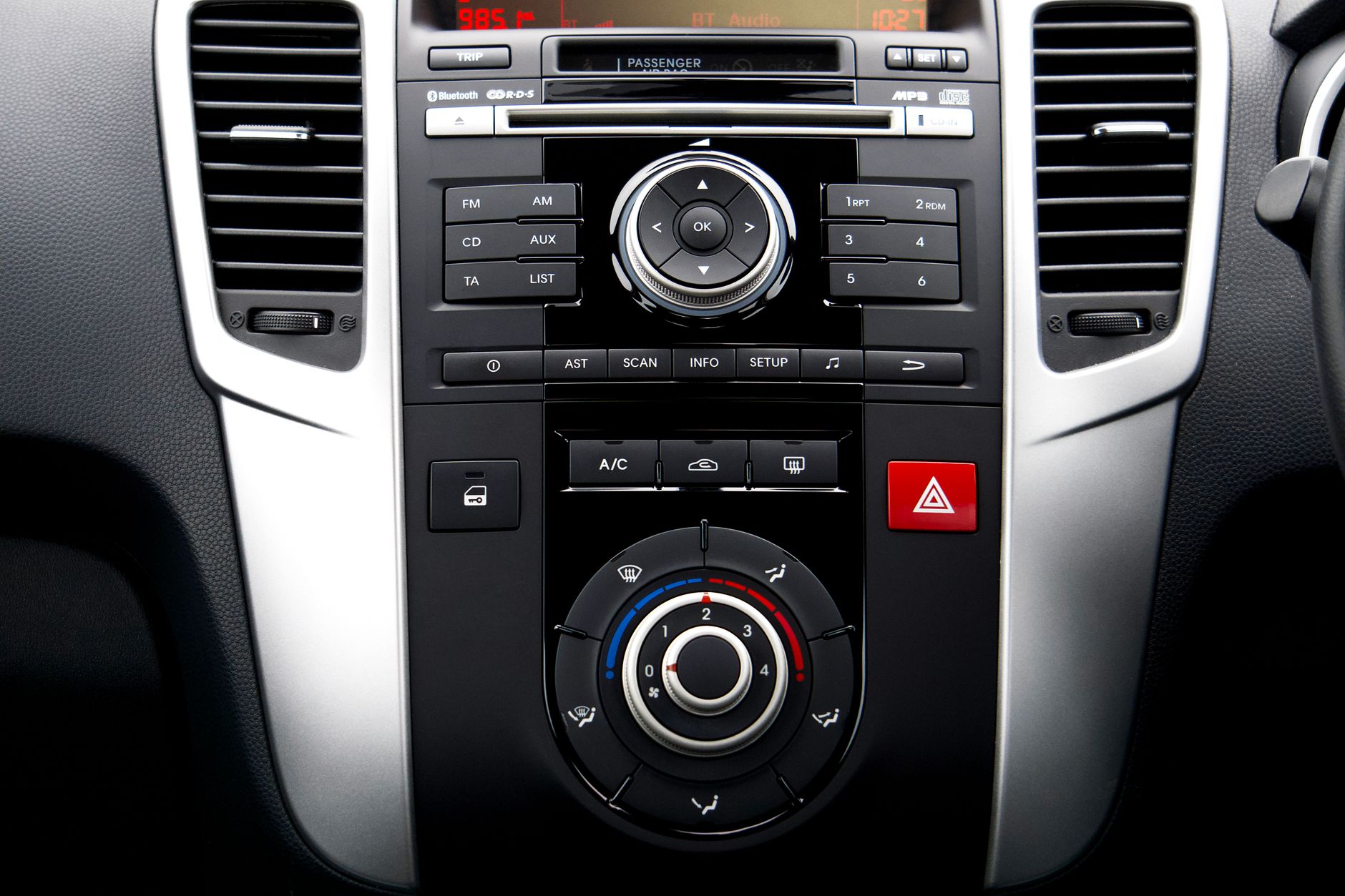
The air conditioning system in your car isn’t directly connected to the gas tank with its own miniature fuel line. Instead, it relies on a complex chain of energy conversion originating from the engine, the same engine that powers your vehicle. The key component connecting the AC and your gas mileage is the compressor.
The AC compressor is driven by a belt connected to the engine’s crankshaft. As the engine runs, the belt turns the compressor, which then circulates refrigerant through the AC system, enabling cooling. This process requires a significant amount of energy, and that energy is derived from the engine’s rotational power. The engine, of course, gets its power from burning fuel – gasoline, in most cases.
This process essentially means that when you switch on your AC, you’re increasing the load on your engine. To maintain the same speed and performance, the engine needs to work harder, and that “harder work” translates directly into burning more fuel. The amount of fuel consumed will vary based on a number of factors, as detailed in the FAQs below.
Therefore, while the AC doesn’t directly siphon gasoline from the tank, it is undeniably a significant factor contributing to increased fuel consumption. It’s an indirect relationship but a very real one impacting your gas mileage.
Factors Influencing AC Fuel Consumption
The actual impact of air conditioning on fuel efficiency isn’t a fixed figure. It fluctuates depending on several variables:
- Vehicle Type: Larger vehicles with more powerful engines may experience a smaller percentage decrease in fuel efficiency compared to smaller, more fuel-efficient cars.
- Driving Conditions: Stop-and-go traffic demands more from the engine and AC compressor, leading to greater fuel consumption than cruising on the highway.
- AC Settings: Running the AC on the highest setting obviously demands more power, and therefore more fuel, than running it on a lower setting.
- Ambient Temperature: The hotter the outside temperature, the harder the AC has to work to maintain a comfortable cabin temperature. This increased workload directly impacts fuel consumption.
- Maintenance: A well-maintained AC system will operate more efficiently than one with leaks or other problems, minimizing the impact on fuel economy.
Best Practices for Minimizing AC Fuel Consumption
Despite its fuel consumption, air conditioning is often a necessity for comfort and safety, especially in hot climates. Thankfully, there are strategies to mitigate its impact on your wallet:
- Use AC Sparingly: Consider using the AC only when absolutely necessary. On moderately warm days, opening windows or using the car’s ventilation system might suffice.
- Circulate Air: After initially cooling the cabin, switch the AC to recirculate mode. This reduces the load on the compressor by cooling air that’s already been cooled.
- Park in the Shade: Parking in the shade minimizes heat buildup inside the car, reducing the amount of energy the AC needs to expend to cool the cabin.
- Maintain Your AC System: Regularly inspect your AC system for leaks and ensure the refrigerant level is optimal. This will help the system operate efficiently.
- Consider Hybrid or Electric Vehicles: These vehicles often have more efficient AC systems, and electric vehicles can sometimes run the AC even when the engine isn’t running.
Frequently Asked Questions (FAQs) About AC and Gasoline Consumption
These FAQs address common questions and concerns regarding the link between air conditioning and fuel consumption.
FAQ 1: How much gasoline does AC use on average?
On average, using AC can reduce your car’s fuel efficiency by 10-20%. This percentage can be higher in extreme heat or stop-and-go traffic. Some studies suggest losses could even exceed 25% in specific circumstances.
Is distilled water good for goldfish?
What colours are fish most attracted to?
Can you put your finger in a trout's mouth?
Is methylene blue anti bacterial?
FAQ 2: Does using AC affect highway mileage differently than city mileage?
Yes. In city driving, the AC is constantly working hard due to frequent stops and starts, leading to a more significant decrease in fuel economy. On the highway, with consistent speeds, the AC’s impact is generally less pronounced. However, high speeds also increase aerodynamic drag, demanding more power from the engine, which can offset some of the AC-related savings.
FAQ 3: Is it better to roll down the windows or use the AC for fuel efficiency?
At lower speeds (below 40 mph), rolling down the windows is generally more fuel-efficient than using the AC. However, at higher speeds, the aerodynamic drag created by open windows increases significantly, making the engine work harder. In such cases, using the AC might actually be more fuel-efficient.
FAQ 4: Does the age of my car affect how much gasoline the AC uses?
Yes, older cars often have less efficient AC systems. Wear and tear on components like the compressor can reduce efficiency, requiring the engine to work harder and consume more fuel to achieve the same cooling effect. Furthermore, older cars might not have the same advanced AC management systems as newer vehicles.
FAQ 5: Does the type of car (sedan, truck, SUV) impact AC fuel consumption?
Yes, larger vehicles like trucks and SUVs typically have larger cabins to cool, and therefore their AC systems are more powerful. This usually results in a greater impact on fuel consumption compared to smaller sedans. However, engine size also plays a role; a smaller sedan with a weak engine might experience a larger percentage decrease in fuel economy than a large SUV with a powerful engine.
FAQ 6: Can I improve my AC’s efficiency by having it serviced?
Absolutely. Regular servicing, including refrigerant checks and cleaning of the condenser coils, can significantly improve your AC’s efficiency. Low refrigerant levels force the compressor to work harder, consuming more fuel. Dirty condenser coils impede heat exchange, making the system less effective.
FAQ 7: Does the color of my car affect how much AC I use, and therefore, fuel consumption?
Indirectly, yes. Darker colored cars absorb more sunlight and heat up more quickly than lighter colored cars. This means the AC in a dark-colored car will have to work harder to cool the cabin, leading to higher fuel consumption.
FAQ 8: Do hybrid cars use gasoline differently with the AC on?
Hybrid cars often employ innovative AC systems. Some use electric compressors, which can operate even when the engine is off, especially at low speeds or when idling. This reduces reliance on gasoline. However, even with electric compressors, prolonged AC use can still drain the battery, eventually requiring the gasoline engine to kick in.
FAQ 9: How does using the “Eco” mode in my car affect AC performance and fuel consumption?
“Eco” mode typically prioritizes fuel efficiency by limiting engine power and adjusting various vehicle systems, including the AC. In “Eco” mode, the AC might not cool as aggressively, and the fan speed might be reduced. This trade-off results in lower fuel consumption but potentially less powerful cooling.
FAQ 10: Is there a difference between the AC in a manual and automatic transmission car regarding fuel usage?
The type of transmission itself doesn’t directly affect the amount of fuel the AC uses. However, driving habits associated with each transmission type can make a difference. Manual transmissions allow for more driver control over engine speed, potentially leading to more efficient AC usage if the driver is skilled at optimizing gear selection.
FAQ 11: Can aftermarket AC additives improve fuel efficiency?
While some aftermarket AC additives claim to improve fuel efficiency, their effectiveness is often debated. Many experts are skeptical about their long-term benefits and potential impact on the AC system’s integrity. It’s generally recommended to rely on proper maintenance and driving habits rather than relying solely on additives.
FAQ 12: Does turning the AC off before turning off the engine save gasoline?
While this practice was sometimes recommended in older cars, it’s largely irrelevant in modern vehicles. Modern AC systems are designed to shut down efficiently when the engine is turned off. The tiny amount of power saved by manually turning off the AC before shutting down the engine is negligible. The important factor is how long and frequently you utilize AC during your trip.