
Does Your AC Unit Pull Air From Outside? Unveiling the Truth
The straightforward answer is no, central air conditioning systems typically do not pull air directly from outside to cool your home. Instead, they recycle the air inside your home, cooling it repeatedly through a closed-loop system.

Understanding the Closed-Loop Cooling System
At its core, an AC unit operates on a principle of heat exchange. It’s a refrigerator for your whole house. The system relies on a refrigerant – a special chemical – to absorb heat from the air inside your home. This heated refrigerant then travels outside to the condenser unit, where the heat is released. The cooled refrigerant then cycles back inside to absorb more heat. Crucially, this process involves recycling the air within your home, not drawing in fresh air from the outside.
The indoor unit, usually located in your attic, basement, or closet, contains the evaporator coil. As warm air from your home is blown across the cold evaporator coil, the refrigerant absorbs the heat, cooling the air. This cooled air is then circulated back into your home through the ductwork.
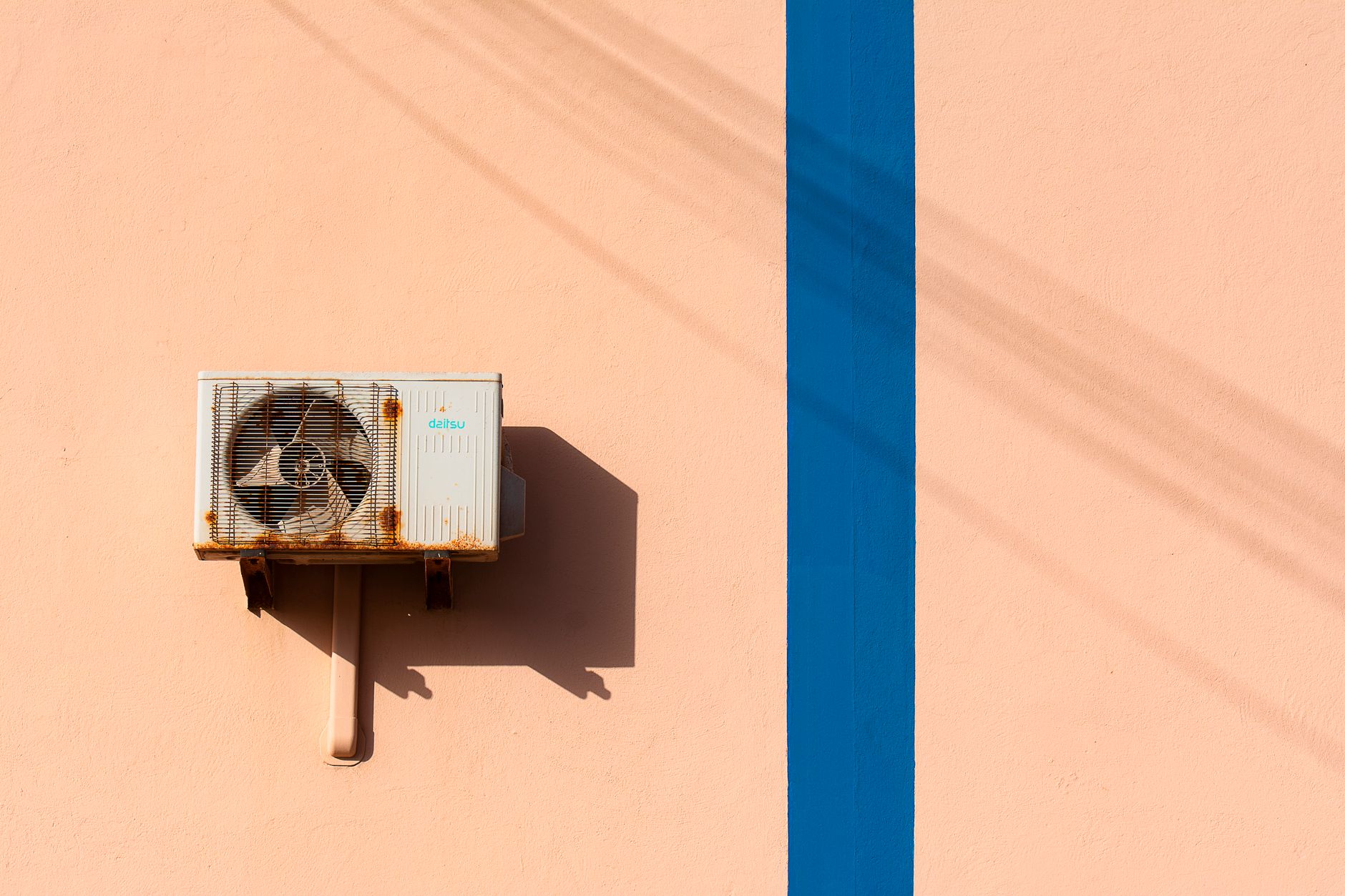
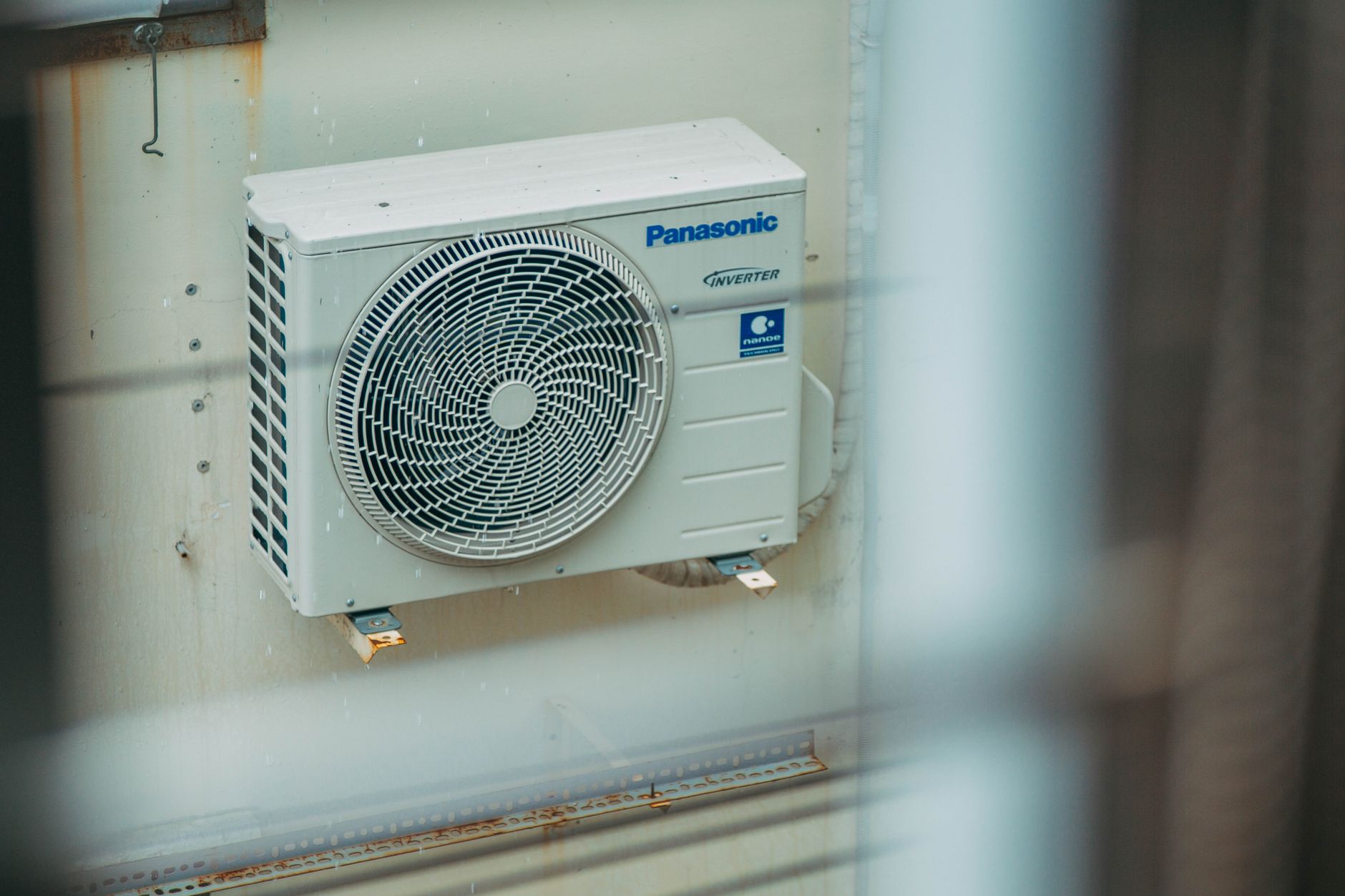
The outdoor unit, known as the condenser, releases the heat absorbed by the refrigerant. A fan blows air across the condenser coil, allowing the heat to dissipate into the atmosphere. The cooled refrigerant then returns to the indoor unit to repeat the cycle.
This closed-loop system is designed for maximum efficiency. Continuously drawing in outside air, which is often hot and humid, would significantly reduce the AC’s ability to cool your home effectively and increase energy consumption.
The Role of Ventilation in Your Home
While your AC doesn’t pull air directly from outside for cooling, ventilation is essential for maintaining healthy indoor air quality. Ventilation systems, often separate from your AC, are designed to introduce fresh air into your home, diluting indoor pollutants and reducing humidity.
Examples of ventilation systems include:
- Natural ventilation: Opening windows and doors allows fresh air to circulate.
- Exhaust fans: Located in bathrooms and kitchens, these fans remove moisture and odors.
- Whole-house ventilation systems: These systems mechanically bring fresh air into the home while exhausting stale air. They often incorporate heat recovery ventilators (HRVs) or energy recovery ventilators (ERVs) to minimize energy loss.
It’s important to distinguish between your AC system’s cooling function and your home’s ventilation needs. They are two separate systems working in tandem to provide a comfortable and healthy indoor environment. A tightly sealed home, while energy efficient, can trap pollutants and moisture. Proper ventilation is crucial to counteract this effect.
Addressing Common Misconceptions
Many people believe their AC unit is drawing in outside air, particularly if they feel a slight draft near the unit. This draft is usually due to air leakage around the unit’s seals or ductwork, not the intentional intake of outside air. Another potential source of confusion is window AC units, which, while they cool a single room, do exchange some air with the outside environment. However, these units operate differently from central AC systems.
Frequently Asked Questions (FAQs)
H3 1. What happens if my AC is pulling air from outside?
If your AC system is pulling a significant amount of air from outside, it’s likely due to a leak in your ductwork, a poorly sealed window AC unit, or another issue compromising the closed-loop system. This will reduce the system’s efficiency and increase energy consumption. Schedule an inspection with a qualified HVAC technician to identify and repair the problem.
What colours are fish most attracted to?
Can you put your finger in a trout's mouth?
Is methylene blue anti bacterial?
Does aquarium salt raise pH in aquarium?
H3 2. Is it bad to open windows while the AC is running?
Opening windows while the AC is running defeats the purpose of the cooling system. It allows warm, humid air to enter your home, forcing the AC to work harder to maintain the desired temperature. This increases energy consumption and reduces the lifespan of your AC unit.
H3 3. How does a heat pump differ from an AC in terms of air intake?
A heat pump functions as both an AC and a heater. While it operates on the same closed-loop principle as an AC for cooling, it reverses the cycle during heating. It still doesn’t directly pull outside air in the sense of bringing it into your home, but it extracts heat from the outside air (even in cold temperatures) and transfers it inside. This extraction process involves the outdoor unit’s fan pulling air across the coils to facilitate heat transfer.
H3 4. What is the role of the air filter in my AC system?
The air filter’s primary function is to protect the AC unit from dust and debris, not to purify the air you breathe. While it does capture some airborne particles, its main purpose is to prevent these particles from clogging the evaporator coil and reducing the system’s efficiency. Regularly changing your air filter is crucial for maintaining optimal performance.
H3 5. How often should I change my AC filter?
The recommended frequency for changing your AC filter depends on factors like the type of filter, the presence of pets, and the air quality in your area. A general guideline is to change it every 1-3 months. Check your filter monthly and replace it when it appears dirty or clogged.
H3 6. Can I improve my home’s ventilation without opening windows?
Yes, you can improve your home’s ventilation without opening windows by installing a whole-house ventilation system, such as an HRV or ERV. These systems mechanically bring fresh air into the home while exhausting stale air, minimizing energy loss.
H3 7. What are the benefits of using a programmable thermostat?
A programmable thermostat allows you to set different temperature schedules for different times of the day. This can significantly reduce energy consumption by lowering the temperature when you’re away from home or asleep.
H3 8. How can I improve my AC’s efficiency?
Several factors can improve your AC’s efficiency:
- Regularly change your air filter.
- Ensure your ductwork is properly sealed.
- Keep your outdoor unit clean and free of debris.
- Use a programmable thermostat.
- Schedule regular maintenance with a qualified HVAC technician.
H3 9. What is SEER rating and why is it important?
SEER stands for Seasonal Energy Efficiency Ratio. It measures the cooling efficiency of an AC unit over an entire cooling season. A higher SEER rating indicates a more energy-efficient unit. Choosing an AC with a higher SEER rating can significantly reduce your energy bills over the long term.
H3 10. How do I know if my AC needs professional maintenance?
Signs that your AC needs professional maintenance include:
- Reduced cooling performance
- Unusual noises
- Increased energy bills
- Leaks around the unit
- Frequent cycling on and off
H3 11. Can my AC contribute to indoor air pollution?
Yes, if your AC is not properly maintained, it can contribute to indoor air pollution. A dirty evaporator coil can become a breeding ground for mold and bacteria, which can then be circulated throughout your home. Regular maintenance and filter changes are crucial for preventing this.
H3 12. What’s the difference between central AC and window AC units in terms of air exchange?
Central AC systems primarily recycle indoor air, while window AC units have some exchange with outdoor air. While window ACs are designed to create a sealed environment within the room they’re cooling, they inherently have some leakage around the edges and within the unit itself, leading to a small degree of air exchange. Central AC systems, however, aim for a completely closed-loop, cooling only the air that’s already inside the home, barring any leaks in the ductwork.