
Does AC Give Hot Air? Unraveling the Science of Cooling
The simple answer is no, air conditioners don’t give hot air; they remove heat. Air conditioning systems transfer heat from inside a space to the outside, leaving behind cooler air.

The Fundamentals of Air Conditioning
Air conditioning isn’t about magically creating cold; it’s about efficiently moving heat. This process, governed by the laws of thermodynamics, relies on a closed-loop system that cycles a refrigerant through various states – liquid and gas – to absorb and release heat. Let’s break down the core components:
-
Compressor: The heart of the system, the compressor pressurizes the refrigerant, turning it into a hot, high-pressure gas. This compression is essential for the refrigerant to effectively release heat later in the cycle.
-
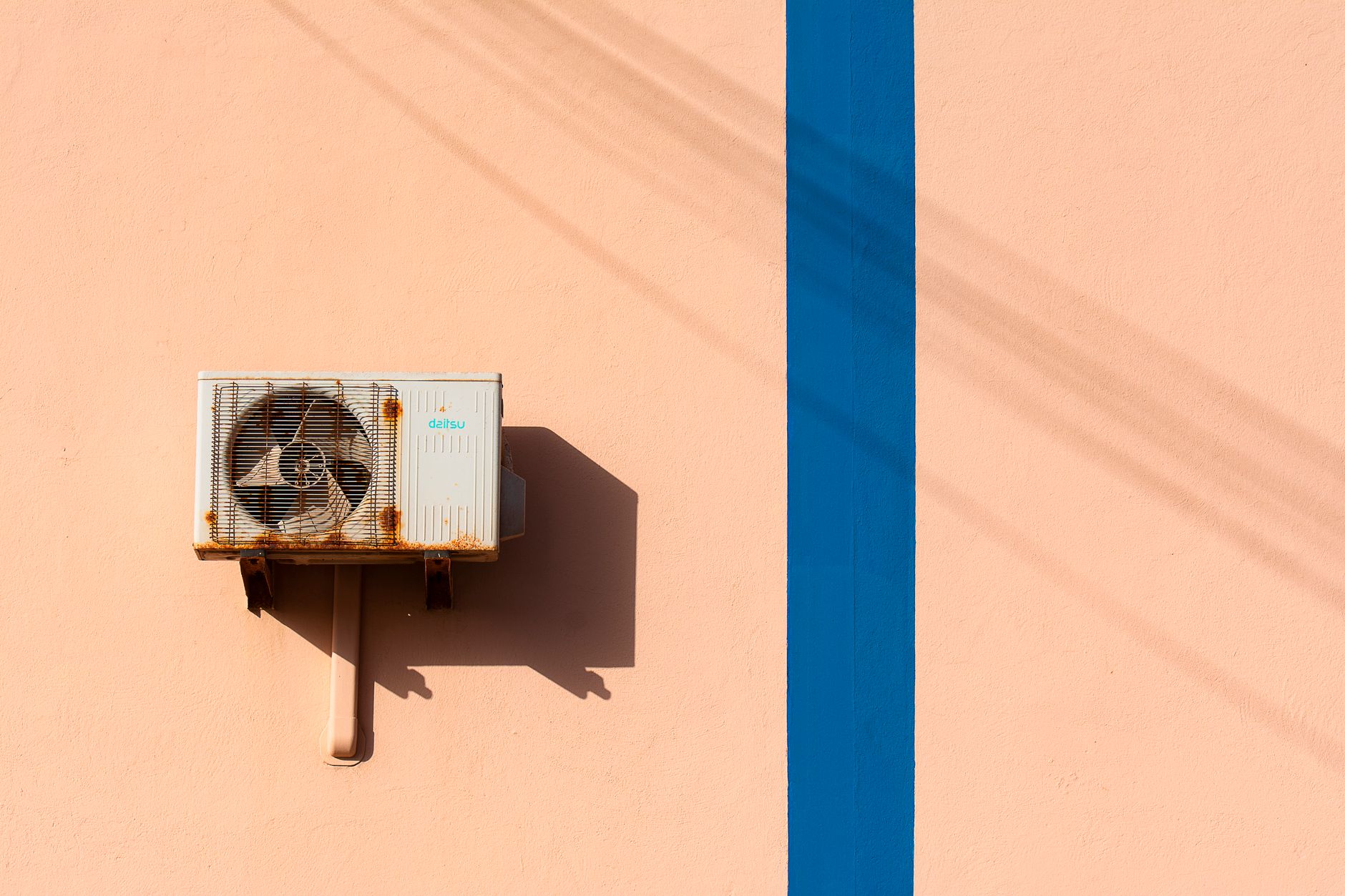
Condenser: Located outside the building, the condenser releases the heat absorbed from inside, along with the heat generated by the compressor itself. This is why the air blowing from the outdoor unit feels hot. The refrigerant cools and condenses into a high-pressure liquid.
-
Expansion Valve (or Metering Device): This component reduces the pressure of the liquid refrigerant, causing it to cool rapidly as it expands. This chilled refrigerant is now ready to absorb heat again.
-
Evaporator: Positioned inside, the evaporator is where the cold, low-pressure refrigerant absorbs heat from the indoor air. As the refrigerant absorbs heat, it evaporates back into a gas, further cooling the air circulating over the evaporator coils. A fan blows this cooled air back into the room.
The cycle repeats continuously, effectively transferring heat from the inside to the outside, thereby lowering the indoor temperature. So, the “hot air” you feel emanating from the outdoor unit is simply the heat being extracted from your indoor environment. Misconceptions often arise from associating the exhaust of the unit with a direct production of hot air, rather than understanding it as the expelled heat from the inside. The efficiency of this heat transfer dictates how well your air conditioner performs. Regular maintenance, including cleaning filters and ensuring proper airflow, is crucial for optimal performance and prevents the system from overworking.
FAQs: Deep Diving into Air Conditioning
1. Why does the air coming out of my outdoor AC unit feel so hot?
As explained above, the outdoor unit is expelling the heat absorbed from inside your home. The refrigerant cycle releases this heat into the surrounding air, making the exhaust feel hot. This is perfectly normal and an indication that the system is working. The hotter the inside air, the hotter the exhaust.
What colours are fish most attracted to?
Can you put your finger in a trout's mouth?
Is methylene blue anti bacterial?
Does aquarium salt raise pH in aquarium?
2. Is it normal for my AC unit to make noise outside?
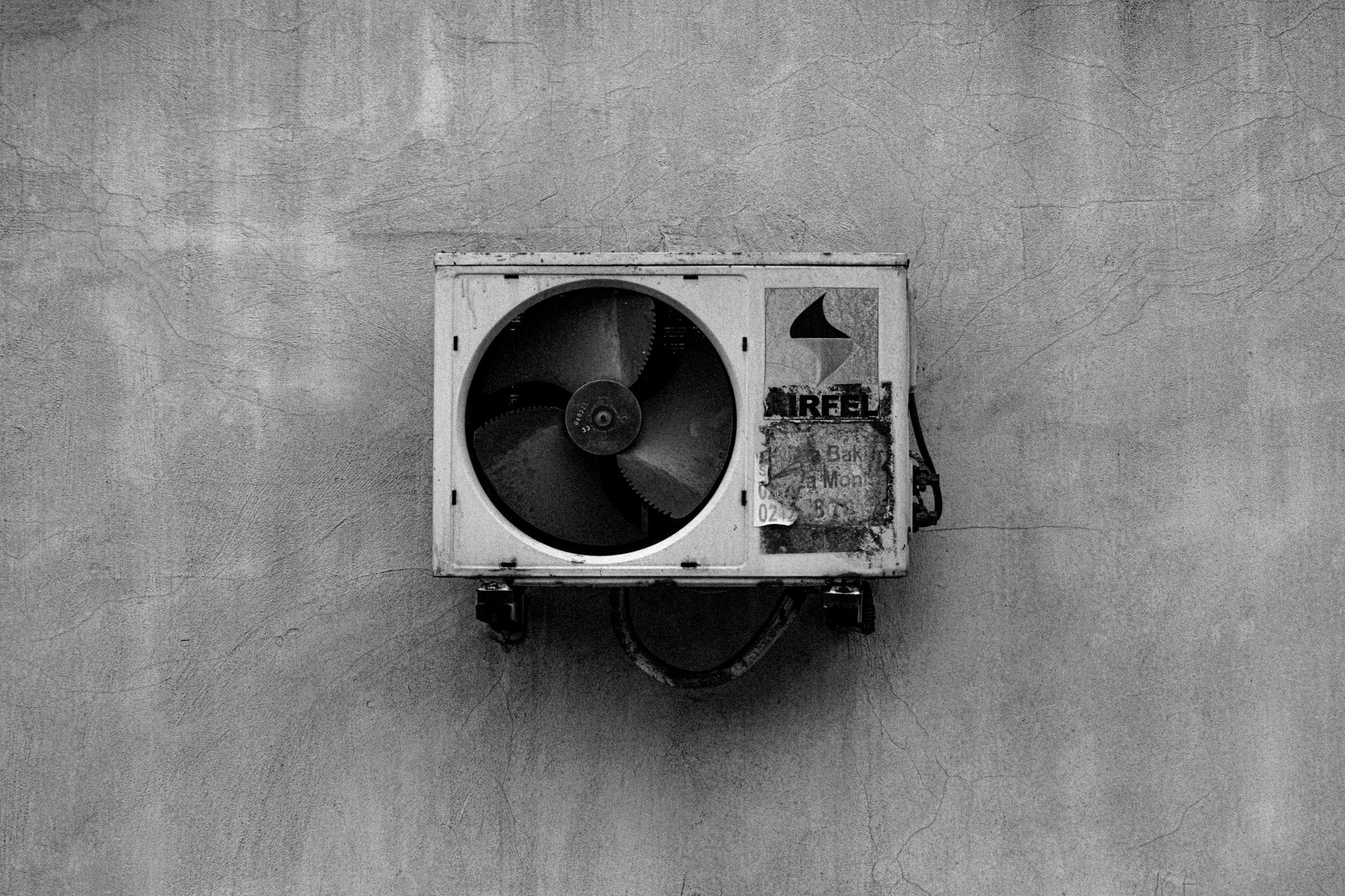
Some noise is normal, especially during startup and shutdown. However, excessive noise, such as grinding, rattling, or hissing, could indicate a problem. Contact a qualified HVAC technician to diagnose and repair the issue. Common noise sources include a failing compressor, a loose fan blade, or refrigerant leaks.
3. My AC unit is blowing warm air. What could be the cause?
Several factors can cause this:
- Dirty air filter: Restricts airflow, reducing cooling efficiency.
- Refrigerant leak: Low refrigerant levels prevent proper cooling.
- Frozen evaporator coil: Ice buildup inhibits heat absorption.
- Faulty compressor: The compressor may not be functioning correctly.
- Blocked condenser coil: Dirty condenser coils reduce heat exchange.
Addressing these issues promptly can restore your AC’s cooling performance.
4. How often should I change my AC filter?
Generally, you should change your AC filter every one to three months. However, this depends on factors like pet ownership, air quality, and usage. Check your filter monthly and replace it when it appears dirty. A clean filter improves airflow and prevents dust and allergens from circulating in your home.
5. What is the ideal thermostat setting for my AC?
The ideal thermostat setting depends on personal preference and energy efficiency goals. However, most experts recommend setting your thermostat to around 78 degrees Fahrenheit when you are home. When you’re away, you can raise the temperature to save energy. Consider a programmable thermostat to automatically adjust the temperature based on your schedule.
6. How can I improve the energy efficiency of my AC system?
Here are several ways:
- Regular maintenance: Ensure your system is clean and well-maintained.
- Seal air leaks: Caulk and weatherstrip around windows and doors.
- Insulate your home: Proper insulation reduces heat gain in summer and heat loss in winter.
- Use ceiling fans: Ceiling fans circulate air, allowing you to set your thermostat a few degrees higher.
- Close blinds and curtains: Block sunlight to reduce heat gain.
7. What is SEER rating, and why is it important?
SEER (Seasonal Energy Efficiency Ratio) measures an AC unit’s cooling efficiency. The higher the SEER rating, the more efficient the unit. Investing in a high-SEER unit can save you money on your energy bills over the long term. Newer units often have higher SEER ratings than older models.
8. How long does an AC unit typically last?
With proper maintenance, an AC unit can last 15-20 years. However, factors like usage, climate, and maintenance habits can affect its lifespan. Regular maintenance and timely repairs can extend the life of your AC unit.
9. What is the difference between central AC and window AC units?
Central AC cools the entire house using a network of ducts. Window AC units cool individual rooms. Central AC is generally more efficient for cooling larger spaces, while window AC units are more affordable and suitable for smaller areas. Ductless mini-split systems offer an alternative for homes without ductwork.
10. Is it safe to run my AC unit continuously?
Running your AC unit continuously is generally safe, but it can increase energy consumption and wear down the system faster. It’s more efficient to use a programmable thermostat and adjust the temperature based on your schedule. Regular maintenance can help prevent problems associated with continuous operation.
11. What are the signs that I need to replace my AC unit?
Signs that you may need to replace your AC unit include:
- Frequent repairs: If your unit requires frequent repairs, it may be nearing the end of its lifespan.
- Rising energy bills: A significant increase in energy bills could indicate that your unit is losing efficiency.
- Uneven cooling: If some rooms are cooler than others, your unit may be failing to distribute air properly.
- Loud noises: Unusual or excessive noises can signal a major problem.
- Age: If your unit is older than 15-20 years, it may be time to consider a replacement.
12. Should I hire a professional or try to fix my AC myself?
For most AC repairs, it’s best to hire a qualified HVAC technician. AC systems contain refrigerant, which requires specialized handling and tools. Attempting DIY repairs can be dangerous and may void your warranty. Simple tasks like changing the air filter or cleaning the outdoor unit can be done yourself. However, any complex repairs should be left to the professionals.