
Does AC Have Carbon Monoxide? Unraveling the Truth

No, air conditioners themselves do not produce carbon monoxide (CO). Carbon monoxide is a byproduct of incomplete combustion, meaning it is primarily generated by burning fuels such as natural gas, propane, wood, or gasoline.
Understanding Carbon Monoxide and Its Sources
Carbon monoxide is a silent killer – an odorless, colorless gas that can cause serious health problems and even death. It works by preventing red blood cells from carrying oxygen throughout the body. While air conditioners don’t directly emit CO, understanding the sources of this dangerous gas is crucial for home safety.
Common Sources of Carbon Monoxide
The most common sources of carbon monoxide in homes include:
- Fuel-burning appliances: Furnaces, water heaters, stoves, ovens, fireplaces, and space heaters (especially those using propane or natural gas) are prime suspects.
- Vehicle exhaust: Running cars or other combustion engines in attached garages, even for a short period, can allow CO to seep into the house.
- Portable generators: Never operate a portable generator indoors or in a partially enclosed space like a garage or carport.
- Blocked chimneys and flues: Obstructions can prevent proper ventilation, leading to CO buildup.
- Cracked heat exchangers: In furnaces, a cracked heat exchanger can allow CO to leak into the ductwork and circulate throughout the home.
Air Conditioners and Their Function
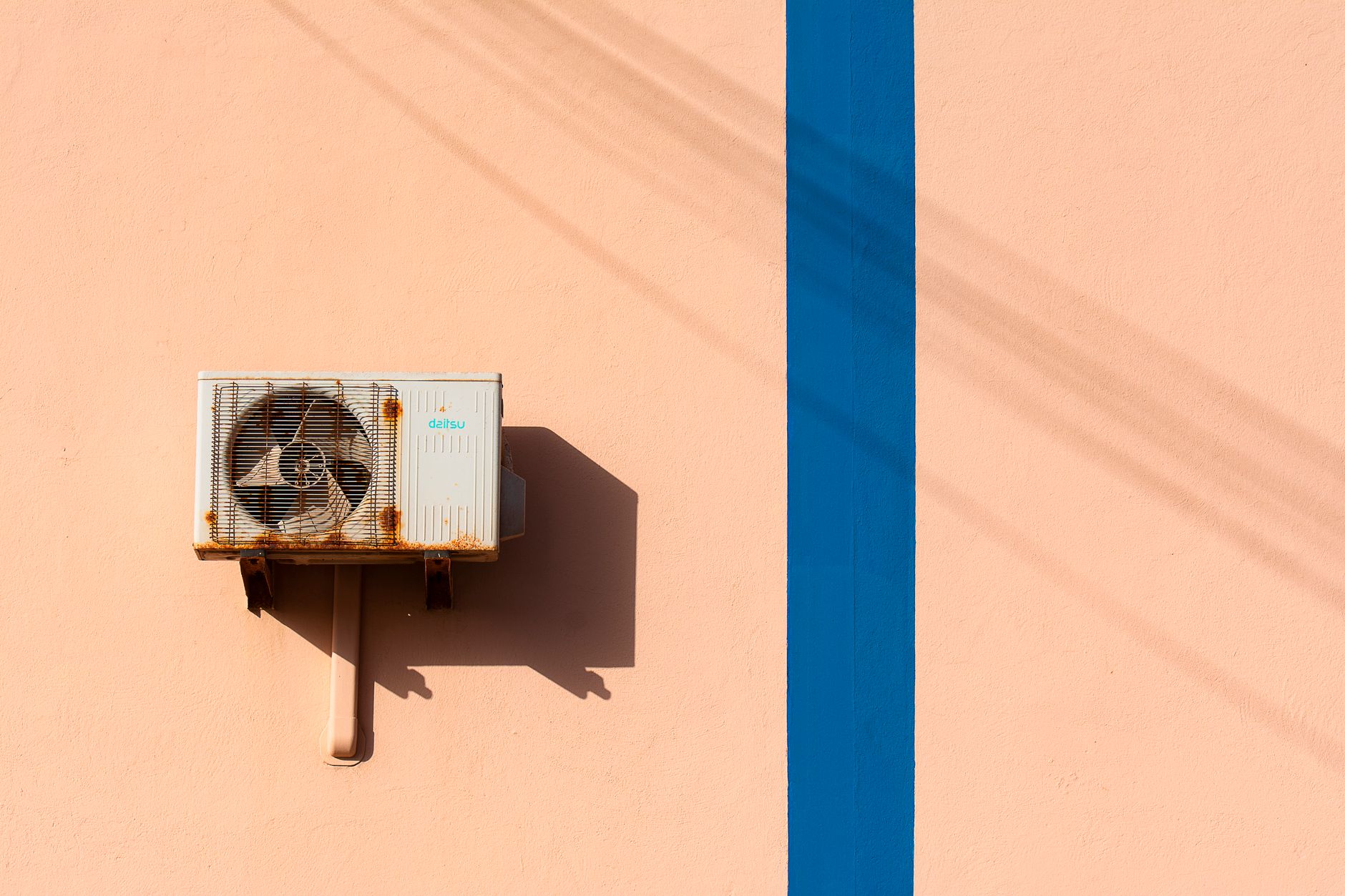
Air conditioners are designed to cool indoor air, not to burn fuel. They use a refrigerant cycle to absorb heat from inside the house and release it outside. The main components of an AC unit are the compressor, condenser, expansion valve, and evaporator coil. None of these components involve combustion.
Central Air Conditioning Systems
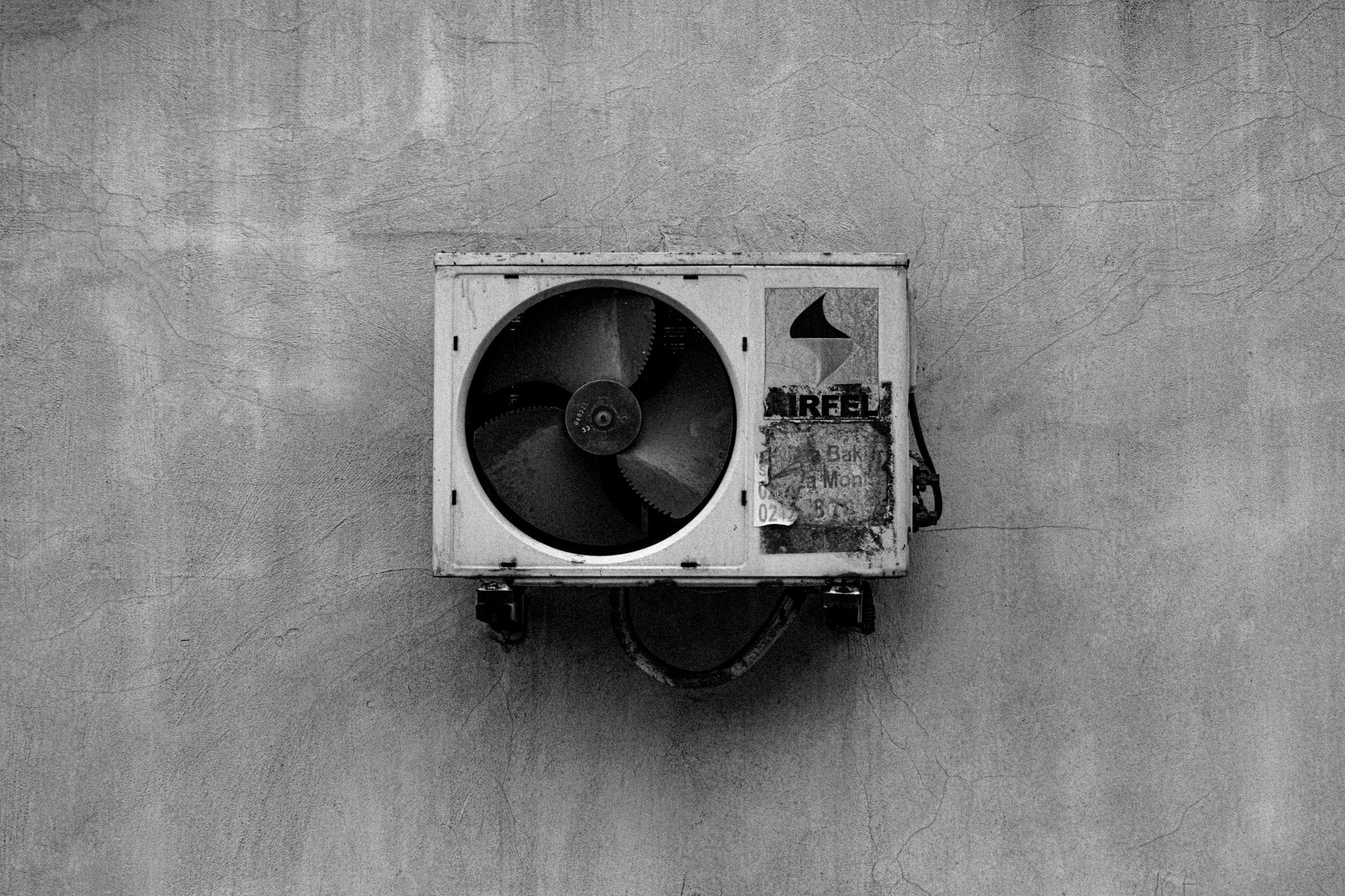
Central AC systems typically consist of an outdoor condenser unit and an indoor evaporator coil, usually located within the furnace or air handler. While the furnace can be a source of CO, the AC unit itself is not.
Window Units and Portable ACs
Window units and portable ACs are self-contained units that plug directly into an electrical outlet. They operate on the same principles as central ACs, using a refrigerant cycle to cool the air, and do not produce any carbon monoxide.

FAQs: Addressing Your Concerns About Air Conditioners and Carbon Monoxide
These frequently asked questions provide further clarification and guidance regarding air conditioners and carbon monoxide safety.
FAQ 1: Can a malfunctioning air conditioner cause carbon monoxide poisoning?
A malfunctioning air conditioner cannot directly cause carbon monoxide poisoning. However, if a malfunctioning AC is paired with a faulty furnace in a central air system, and the furnace has a cracked heat exchanger, the AC could unknowingly circulate CO throughout the house if the furnace is running simultaneously. This is an indirect correlation, not a direct cause. Regular HVAC maintenance is key to preventing this scenario.
FAQ 2: What is the connection between a furnace and carbon monoxide?
The furnace is the primary source of carbon monoxide in most homes because it burns fuel (natural gas, propane, or oil) to generate heat. If the combustion process is incomplete, or if the furnace has a cracked heat exchanger or blocked flue, carbon monoxide can leak into the house.
FAQ 3: How can I tell if my furnace is leaking carbon monoxide?
Signs that your furnace may be leaking carbon monoxide include:
- Soot buildup around the furnace or other fuel-burning appliances.
- A yellowish or orange flame in a gas appliance (a healthy flame should be blue).
- Rust or corrosion on the furnace flue pipe.
- Symptoms of CO poisoning in your household members (headaches, dizziness, nausea, fatigue).
- Activation of your carbon monoxide detector.
FAQ 4: Where should I place carbon monoxide detectors in my home?
Install CO detectors on every level of your home, including the basement. Place them near sleeping areas because you are most vulnerable to CO poisoning while you sleep. Do not place detectors near fuel-burning appliances or in humid areas like bathrooms.
FAQ 5: How often should I replace my carbon monoxide detector?
Most carbon monoxide detectors have a lifespan of 5-7 years. Check the manufacturer’s instructions for specific replacement guidelines. It’s also important to test your CO detectors monthly to ensure they are working properly.
FAQ 6: What should I do if my carbon monoxide detector goes off?
Immediately evacuate the building and call 911 or your local fire department. Do not re-enter the building until it has been deemed safe by emergency responders. Ventilate the building by opening windows and doors.
FAQ 7: Can poor ventilation contribute to carbon monoxide buildup?
Yes, poor ventilation can significantly contribute to carbon monoxide buildup. If fuel-burning appliances are not properly ventilated, CO can accumulate indoors to dangerous levels. Ensure that chimneys and flues are clear of obstructions and that your home has adequate ventilation.
FAQ 8: Should I have my HVAC system professionally inspected for carbon monoxide leaks?
Yes, it is highly recommended to have your HVAC system professionally inspected annually, especially your furnace. A qualified technician can identify potential CO leaks and other safety hazards before they become a problem.
FAQ 9: Can running my AC with the windows closed increase the risk of carbon monoxide poisoning?
Running your AC with the windows closed does not directly increase the risk of carbon monoxide poisoning. However, it’s important to ensure proper ventilation throughout your home, regardless of whether the AC is running. If CO is present, sealing the house could exacerbate the problem.
FAQ 10: Are there any carbon monoxide detectors that are also smoke detectors?
Yes, combination carbon monoxide and smoke detectors are available. These devices can detect both fire and CO, providing comprehensive protection for your home. However, it’s still important to install detectors on every level of your house, not just rely on combination units.
FAQ 11: My neighbor has a gas grill near my AC unit. Is this a carbon monoxide risk?
While an outdoor gas grill operating normally poses a low risk to your indoor environment, operating it too close to the AC unit could potentially draw exhaust fumes into your home if the AC is actively pulling air from that area. Maintain a safe distance between gas grills and AC units to minimize this possibility. Ensure proper ventilation around the grill itself.
FAQ 12: I use a portable propane heater. Is there anything I should keep in mind regarding carbon monoxide?
Portable propane heaters are a significant source of carbon monoxide and should be used with extreme caution. Always use them in well-ventilated areas, and never leave them unattended. Make sure to have a working carbon monoxide detector nearby. In fact, consider a different heating solution if possible.