
Does AC in a Car Waste Gas? Understanding the Fuel Efficiency Impact

Yes, using your car’s air conditioning does impact fuel economy, albeit to varying degrees depending on the vehicle, driving conditions, and AC usage habits. While newer cars are more efficient than older models, the AC system still requires engine power to operate, translating to a reduction in miles per gallon (MPG).

The Science Behind AC and Fuel Consumption
To understand how air conditioning affects gas mileage, it’s crucial to grasp the basics of how your car’s AC system works. The AC system relies on a compressor, which is essentially a pump powered by the engine through a belt. This compressor circulates refrigerant, transforming it between liquid and gas states. This process cools the air blown into the cabin.
The crucial point here is that the compressor draws power directly from the engine. More specifically, the engine has to work harder to spin the compressor, and that extra work demands more fuel. The more aggressively you set the AC (e.g., on the coldest setting with the fan at high), the more power the compressor needs, and the greater the fuel penalty.
Factors Influencing AC Fuel Consumption
The actual impact of AC on fuel efficiency is far from a fixed number. Several factors come into play:
- Vehicle Size and Engine: Smaller cars with smaller engines tend to experience a more pronounced MPG drop when the AC is running. Larger, more powerful vehicles can often handle the AC load with less noticeable fuel consumption.
- Driving Conditions: City driving, with frequent stops and starts, generally results in a greater impact on fuel economy when the AC is on compared to highway driving at a constant speed. This is because the engine is already working hard to accelerate.
- AC Usage Habits: Setting the AC to the coldest setting and the fan to high will obviously consume more fuel than setting it to a more moderate temperature and fan speed.
- Vehicle Age and Maintenance: Older AC systems may be less efficient and require more power to operate effectively. Regular maintenance, such as refrigerant top-offs, can help maintain optimal performance.
- Outside Temperature and Humidity: Higher temperatures and humidity levels will force the AC system to work harder and longer to cool the cabin, increasing fuel consumption.
AC vs. Open Windows: Which is Worse for MPG?
This is a common debate. At lower speeds, around town, driving with the windows down may be slightly more fuel-efficient than using the AC. However, at higher speeds, the aerodynamic drag created by open windows becomes a significant factor. This increased drag forces the engine to work harder to overcome wind resistance, ultimately consuming more fuel. Generally, on the highway, using the AC is usually more fuel-efficient than driving with the windows open.
Debunking Common Myths
There are many misconceptions surrounding AC usage and fuel efficiency. One common myth is that turning the AC on and off frequently saves fuel. In reality, it’s often more efficient to maintain a consistent temperature, even if slightly higher, than to repeatedly cool down a hot car.
Frequently Asked Questions (FAQs)
H3 FAQ 1: How much does AC typically decrease MPG?
On average, running the AC in a car can decrease fuel economy by 10-20%. However, this is highly dependent on the factors outlined above. Expect a potentially larger drop in smaller cars and during stop-and-go driving.
H3 FAQ 2: Is it better to use recirculation mode on the AC?
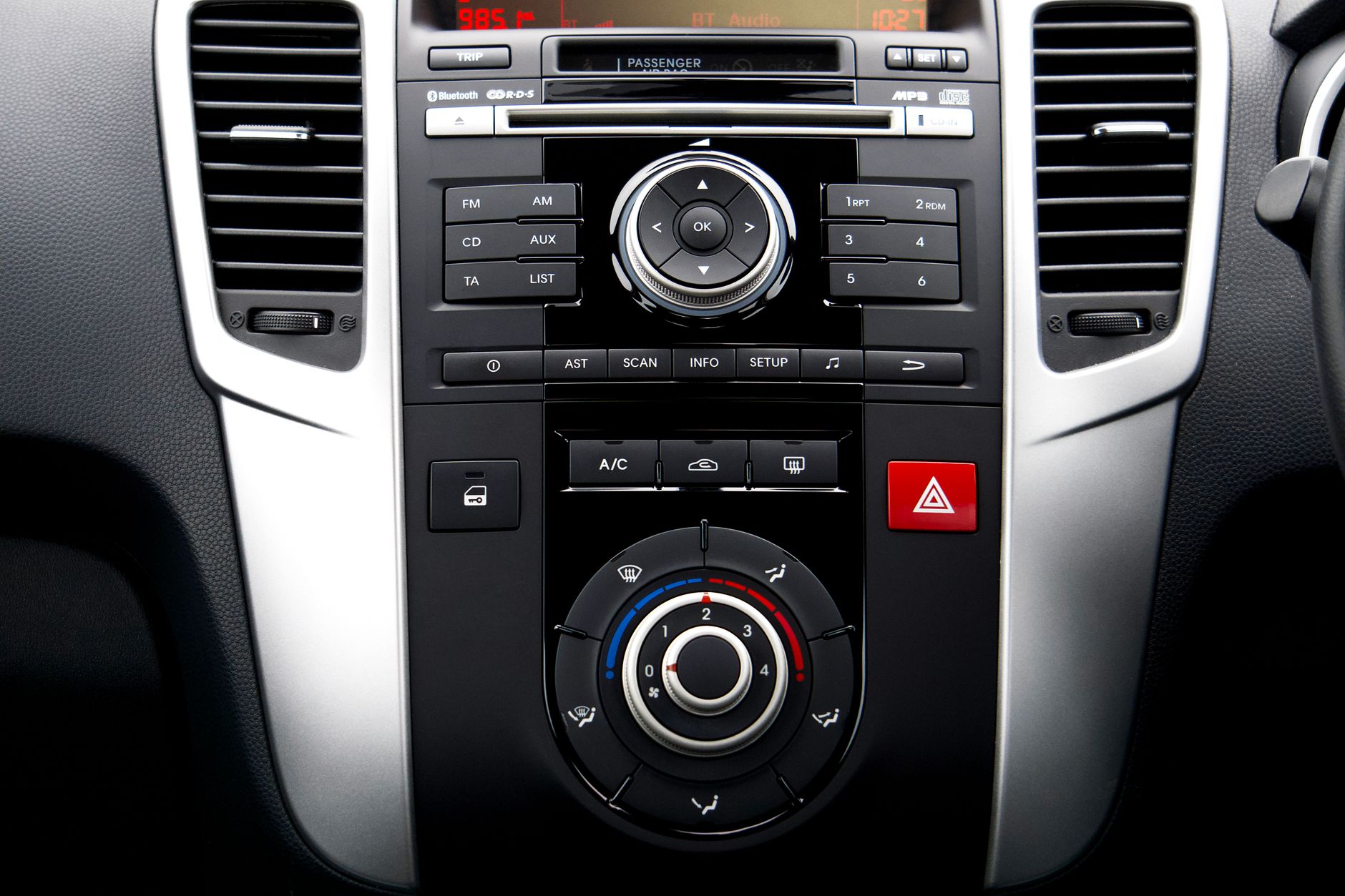
Yes. Using recirculation mode (the button with the circular arrow) prevents the AC from drawing in hot outside air, allowing it to cool the cabin more efficiently. This reduces the strain on the compressor and can save fuel.
H3 FAQ 3: Does using AC on the highway affect MPG significantly?
While it still consumes fuel, the impact of AC on fuel efficiency on the highway is generally less noticeable than in city driving. The constant speed reduces the engine strain compared to accelerating from a stop. However, remember that driving with windows down at higher speeds can be worse.
H3 FAQ 4: Can I improve my car’s AC efficiency?
Absolutely. Regular maintenance, such as checking and topping off refrigerant levels, cleaning or replacing air filters, and ensuring proper airflow through the vents, can all contribute to a more efficient AC system.
H3 FAQ 5: Are hybrid and electric cars different when it comes to AC fuel consumption?
Yes. Hybrid and electric vehicles often use electric compressors, which are more efficient than belt-driven compressors. In some cases, electric cars can even use the AC while stationary, without impacting gasoline consumption (obviously, it still drains the battery). However, using the AC in an electric car will reduce the overall range.
H3 FAQ 6: Is it worth it to turn off the AC for a few seconds when accelerating?
This practice is generally not recommended and offers minimal fuel savings. The slight improvement in acceleration is unlikely to be worth the discomfort and the subsequent need to cool the cabin again.
H3 FAQ 7: Does the AC system have a “learning” curve?
No, AC systems don’t have a learning curve in the same way that modern engine control units (ECUs) do. However, optimal refrigerant levels and properly functioning components (compressor, condenser, etc.) contribute to the best possible performance. A well-maintained system will always perform better.
H3 FAQ 8: Can tinted windows reduce AC usage and save fuel?
Yes, to some extent. Tinted windows, especially those designed to block infrared radiation, can help keep the car’s interior cooler, reducing the workload on the AC system and potentially saving fuel.
H3 FAQ 9: Does setting the temperature lower actually cool the car faster?
Setting the temperature drastically lower than the desired temperature doesn’t actually cool the car faster. The AC system works at its maximum cooling capacity regardless of the setpoint. It will simply run for a longer period to reach the lower temperature.
H3 FAQ 10: Is there a way to monitor AC fuel consumption in real-time?
Some modern cars have fuel economy displays that show real-time MPG. You can observe how much the MPG drops when you turn on the AC to get a rough estimate of its impact. There are also aftermarket devices and apps that can provide more detailed fuel consumption data.
H3 FAQ 11: Does using the heater also affect fuel economy?
While the heater itself doesn’t directly consume fuel in the same way the AC does (it utilizes waste heat from the engine), running the defroster often activates the AC to remove moisture from the air. Therefore, using the defroster can indirectly impact fuel economy.
H3 FAQ 12: What are some general tips for saving fuel while using AC?
- Park in the shade whenever possible.
- Ventilate the car before turning on the AC. Open windows briefly to release hot air.
- Use recirculation mode.
- Set the temperature to a comfortable level, not necessarily the coldest setting.
- Maintain your AC system regularly.
- Consider using tinted windows.
The Bottom Line
While using your car’s AC does indeed impact fuel economy, understanding the factors involved and implementing fuel-saving strategies can help minimize the effect. By being mindful of your AC usage habits and keeping your system well-maintained, you can stay comfortable without breaking the bank at the gas pump. Consider that prioritizing comfort and safety may outweigh the cost savings of avoiding AC, especially in extreme weather. The choice, ultimately, is yours.