
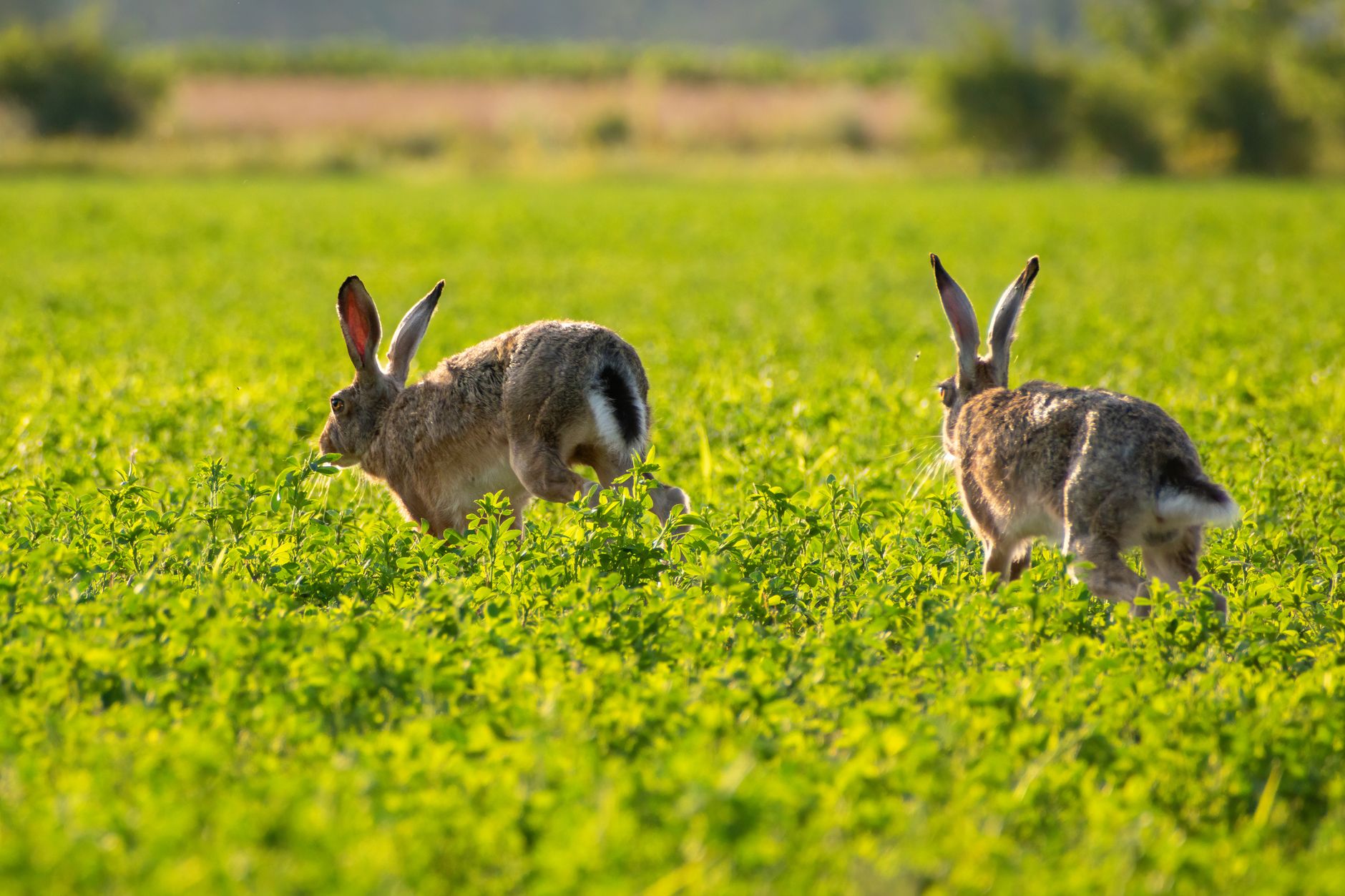
Do Wild Rabbits Stay in the Same Place? Exploring Rabbit Habitat and Movement
Do wild rabbits stay in the same place? The answer is nuanced. While they generally maintain a small home range, they don’t typically stay in a single spot and instead move within that defined area, seeking food, shelter, and mates.

Understanding Wild Rabbit Home Ranges
To understand the answer to “Do wild rabbits stay in the same place?,” it’s critical to define a “place.” Rabbits don’t occupy a single burrow or nest perpetually. Instead, they establish a home range: a geographically defined area where they spend most of their time. Understanding the size and characteristics of these home ranges provides insight into rabbit behavior and survival.
What colours are fish most attracted to?
Can you put your finger in a trout's mouth?
Is methylene blue anti bacterial?
Does aquarium salt raise pH in aquarium?
Factors Influencing Rabbit Home Range Size

Several factors dictate the size of a rabbit’s home range:
- Food Availability: Abundant food sources allow for smaller home ranges. If resources are scarce, rabbits must travel further.
- Predator Pressure: High predator density can restrict movement and shrink the home range.
- Habitat Quality: Dense vegetation providing cover and shelter encourages smaller ranges.
- Season: Home ranges can expand during breeding season as rabbits search for mates.
Here’s a table illustrating how these factors influence home range size:
| Factor | Effect on Home Range Size |
|---|---|
| Food Abundance | Decreases |
| Predator Density | Decreases |
| Habitat Quality | Decreases |
| Breeding Season | Increases |
Daily Movements and Activities
Within their home range, rabbits engage in daily routines. They are most active during crepuscular hours – dawn and dusk – when they forage for food. During the day, they typically rest in sheltered locations, such as burrows or dense vegetation.
Here’s a breakdown of a typical daily routine:
- Dawn: Emergence from shelter, foraging for food.
- Daytime: Resting, grooming, light foraging near shelter.
- Dusk: Increased foraging activity, social interactions.
- Night: Resting, vigilance against predators.
The Importance of Burrows and Shelters
Although “do wild rabbits stay in the same place?” is often answered with a focus on movement, the constant in their lives is access to burrows and other safe havens. Burrows provide essential protection from predators and harsh weather. Rabbits may use existing burrows created by other animals or excavate their own. Dense vegetation, piles of brush, and even hollow logs can also serve as temporary shelters.
Dispersal and Territory
Young rabbits will eventually disperse from their natal home range to establish their own. This dispersal is crucial for reducing competition for resources and preventing inbreeding. While rabbits aren’t strongly territorial, they may defend specific areas, such as burrow entrances or prime feeding spots, from other rabbits.
Conservation Implications
Understanding rabbit home range behavior is crucial for conservation efforts. Habitat fragmentation and loss can severely impact rabbit populations by limiting their ability to find food, shelter, and mates. Conservation strategies that focus on preserving and restoring suitable habitat are essential for ensuring the long-term survival of wild rabbit populations.
Frequently Asked Questions about Wild Rabbit Habitat
What is the typical size of a wild rabbit’s home range?
The size of a wild rabbit’s home range varies greatly depending on the factors discussed above, but it’s generally quite small, often ranging from less than an acre to a few acres. Eastern cottontails, for example, may have home ranges as small as 0.5 acres.
Do rabbits stay in their burrows all the time?
No, rabbits do not stay in their burrows all the time. They use burrows as safe havens for resting and escaping predators, but they spend a significant portion of their time foraging for food and engaging in other activities within their home range.
How far will a rabbit travel from its burrow to find food?
Rabbits typically forage for food within a relatively short distance from their burrow, often within 50-100 feet. However, if food is scarce, they may venture further afield, potentially traveling several hundred feet or more.
Do male and female rabbits have different home range sizes?
Yes, male and female rabbits can have different home range sizes, particularly during the breeding season. Males often have larger home ranges than females as they search for mates and compete with other males.
How do rabbits mark their territory?
While rabbits are not strongly territorial, they may mark their territory using scent marking. They have scent glands under their chin and near their anus that they use to deposit scent on objects in their environment. They also use urine and feces to mark their territory.
What types of habitats are preferred by wild rabbits?
Wild rabbits prefer habitats that offer a mix of open areas for foraging and dense vegetation for cover. Common habitats include meadows, grasslands, woodlands, and brushy areas. They also thrive in areas with agricultural land and suburban gardens.
Do rabbits migrate?
No, rabbits do not typically migrate. They are year-round residents of their home range. However, they may shift their home range slightly in response to changes in food availability or other environmental factors.
Are wild rabbits active during the day?
While rabbits are primarily crepuscular, meaning they are most active at dawn and dusk, they may also be active during the day, particularly in areas with low predator pressure. However, they are generally more cautious and less active during the day than at dawn and dusk.
How do rabbits find their way back to their burrow?
Rabbits likely use a combination of visual cues, scent marking, and spatial memory to navigate their home range and find their way back to their burrow. They may also learn the layout of their environment over time.
Do rabbits share burrows with other animals?
Rabbits may share burrows with other animals, particularly in areas where burrows are scarce. They may share burrows with other rabbits, as well as with other species, such as woodchucks and ground squirrels. However, rabbits typically maintain their own distinct nesting areas within the burrow system.
What are some of the main threats to wild rabbit populations?
Some of the main threats to wild rabbit populations include habitat loss and fragmentation, predation, disease, and competition with other species. Habitat loss and fragmentation are particularly problematic as they limit the availability of food, shelter, and mates.
How can I help wild rabbits in my backyard?
You can help wild rabbits in your backyard by providing them with food, water, and shelter. Plant native grasses and wildflowers to provide food. Provide a source of fresh water, especially during dry periods. Create brush piles or leave some areas of your yard unmowed to provide cover. Avoid using pesticides or herbicides, which can harm rabbits and their food sources.