
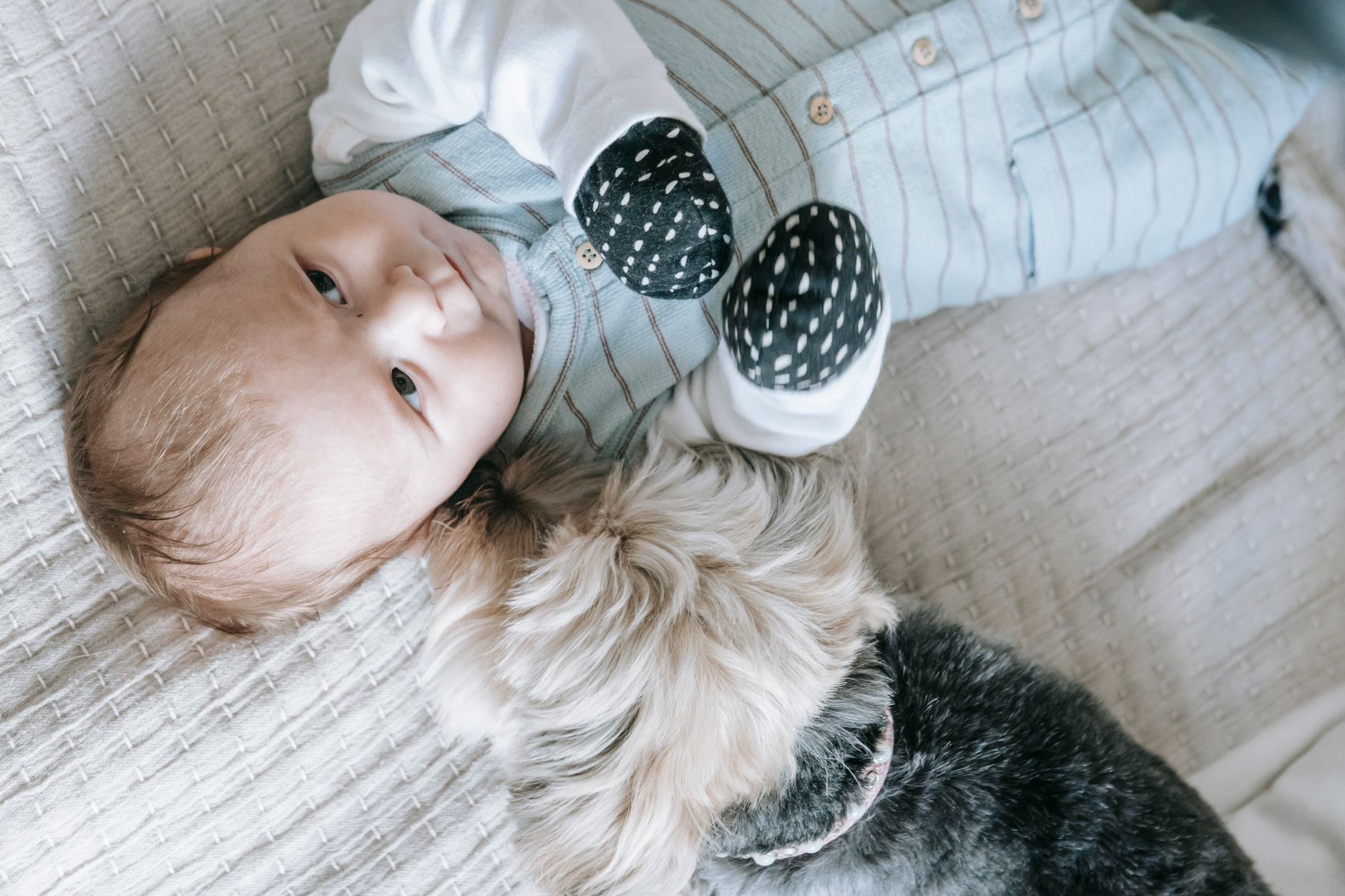
Which Dog Breed is Friendliest to Babies?
While no single dog breed can be guaranteed baby-friendliness, certain breeds, due to their temperament and history, tend to be gentler and more tolerant, making them better potential companions for families with infants; Generally, Labrador Retrievers and Golden Retrievers are consistently cited as among the best choices for homes with babies due to their inherent patience and affectionate natures.

Understanding Dog Temperament and Baby Safety
Choosing the right dog to introduce into a home with a baby is a significant decision. It requires careful consideration of not only breed characteristics but also individual dog temperament, training, and socialization. A dog’s inherent disposition, coupled with proper upbringing, plays a crucial role in ensuring a harmonious and safe environment for both the dog and the baby.
It’s important to understand that generalizations about breed temperament are just that – generalizations. Every dog is an individual, and their personality will be shaped by genetics, early experiences, training, and socialization. Before bringing any dog into a home with a baby, it’s critical to assess their individual temperament and ensure they are well-socialized and trained.
Traits of Baby-Friendly Dog Breeds

Several characteristics make some dog breeds more naturally inclined to be gentle and tolerant around babies.
- Patience: A high tolerance for noise, unpredictable movements, and grabbing is essential.
- Gentleness: A soft mouth (the ability to carry delicate objects without damaging them) often translates to gentleness in other interactions.
- Affectionate Nature: A breed that enjoys being around people and seeks affection is more likely to bond with a baby.
- Trainability: Easy to train and eager to please dogs are easier to manage and teach appropriate behavior around children.
- Energy Levels: While some breeds may need a lot of exercise they need to be able to calm themselves and be gentle around infants.
Top Dog Breed Considerations
Which dog is friendliest to babies? While individual personalities vary, some breeds are known for their gentle nature, patience, and tolerance. Here are a few breeds often recommended for families with babies:
- Labrador Retriever: Known for their gentle nature, patience, and intelligence. They are eager to please and easily trained.
- Golden Retriever: Similar to Labradors, Golden Retrievers are affectionate, patient, and highly trainable.
- Newfoundland: Nicknamed “gentle giants,” Newfoundlands are known for their calm demeanor and protective instincts.
- Irish Setter: A playful and affectionate breed that typically bonds well with children.
- Beagle: Small and sturdy, Beagles are typically good with children and other animals. However, they need proper training to manage their scent-driven behaviors.
- Cavalier King Charles Spaniel: These dogs are affectionate and gentle. They are small and easy to care for, making them great family dogs.
- Poodle (Standard): Intelligent, hypoallergenic, and generally good-natured with children.
Breeds to Exercise Caution With
While any dog can be a good family pet with proper training and socialization, some breeds may require extra caution and experienced handling in a home with a baby. This isn’t to say these breeds can’t be good with babies, but their inherent traits require a more knowledgeable owner. These breeds include:
- Herding Breeds (e.g., Border Collies, Australian Shepherds): Their herding instincts can lead them to try and “herd” the baby, which could be overwhelming or even dangerous.
- Terriers (e.g., Jack Russell Terriers, Rat Terriers): These breeds are often energetic and have high prey drives, which can make them less patient with a baby’s unpredictable movements.
- Guardian Breeds (e.g., Rottweilers, Doberman Pinschers): While loyal and protective, these breeds can be very large and require consistent training to ensure they understand boundaries and don’t become overly protective to the point of aggression.
Before the Baby Arrives: Preparing Your Dog
Preparation is key to a successful transition. Before the baby arrives, take these steps:
- Basic Obedience Training: Ensure your dog has mastered basic commands like sit, stay, down, and leave it.
- Desensitization: Expose your dog to baby-related sounds, smells, and objects gradually. Play recordings of baby cries, introduce baby lotions and powders, and allow your dog to sniff baby blankets and toys under supervision.
- Boundary Training: Teach your dog to stay out of the baby’s room or designated areas.
- Positive Association: Create positive associations with baby-related items and sounds. Reward your dog with treats and praise when they are calm and relaxed around these things.
Supervision and Management
Regardless of breed, constant supervision is crucial, especially in the early stages. Never leave a baby and a dog unsupervised, even for a moment.
- Separate Spaces: Provide the dog with a safe space where they can retreat if they feel overwhelmed.
- Controlled Interactions: Supervise all interactions between the baby and the dog, intervening if the dog shows any signs of stress or discomfort.
- Teach Baby Appropriate Behavior: As the baby grows, teach them how to interact respectfully with the dog, such as gentle petting and avoiding pulling on the dog’s ears or tail.
Rehoming as a Last Resort
Sometimes, despite the best efforts, a dog and baby simply cannot coexist safely. In such cases, rehoming the dog to a loving and suitable home may be the most responsible option. Consult with a veterinarian, dog trainer, or behaviorist to assess the situation and explore all possible solutions before making this difficult decision.
Frequently Asked Questions (FAQs)
What makes a dog “baby-friendly”?
A baby-friendly dog typically possesses traits like patience, gentleness, a calm demeanor, and a high tolerance for handling. They are less likely to react negatively to a baby’s unpredictable movements, noises, or accidental bumps. Temperament and training are key determinants, not just breed.
Is it safe to leave a dog alone with a baby?
No. It is never safe to leave a dog alone with a baby, regardless of the dog’s breed or temperament. Babies are unpredictable, and dogs can be easily startled or stressed. Close supervision is always necessary to ensure the safety of both the baby and the dog.
How can I prepare my dog for the arrival of a new baby?
Preparation involves desensitization to baby-related stimuli (sounds, smells, objects), basic obedience training, establishing clear boundaries, and creating positive associations with the baby. Start this process well before the baby arrives.
Which small dog breeds are generally considered good with babies?
Small dog breeds like Cavalier King Charles Spaniels and Poodles are often a good fit for homes with babies. They tend to be gentle, affectionate, and relatively easy to train. Ensure they are well-socialized, however.
What are the signs that a dog is stressed around a baby?
Signs of stress in a dog can include lip licking, yawning (when not tired), whale eye (showing the whites of their eyes), panting excessively, tucked tail, stiff body posture, avoiding eye contact, and growling. It’s crucial to recognize these signs and remove the dog from the situation immediately.
Are rescue dogs suitable for homes with babies?
Rescue dogs can be excellent additions to families with babies, but it’s essential to learn about their history and temperament. Spend time with the dog before adoption and seek guidance from the rescue organization about its suitability for a home with young children.
How much training does a dog need to be safe around babies?
A dog should have basic obedience training (sit, stay, down, leave it) and be able to respond reliably to commands, even in distracting situations. Consistent training and reinforcement are essential to maintain safe behavior.
What if my dog gets jealous of the baby?
Jealousy can manifest as attention-seeking behavior, aggression, or withdrawal. Ensure the dog still receives plenty of attention and affection after the baby arrives. Give the dog special treats or playtime when the baby is present to create positive associations.
Which dog is friendliest to babies when the baby is crawling or walking?
As babies become more mobile, continue supervising interactions closely. Teach your baby gentle ways to interact with the dog, and provide the dog with a safe space to retreat to.
How often should I supervise my dog and baby?
Supervision should be constant whenever the dog and baby are together, especially in the early stages. Even dogs with good temperaments can react unpredictably in certain situations.
Should I consider a professional dog trainer or behaviorist?
Yes, consulting a professional dog trainer or behaviorist is highly recommended, especially if you have any concerns about your dog’s behavior or if you are unsure how to prepare your dog for the arrival of a new baby. They can provide personalized guidance and address specific challenges.
Is there a ‘best’ age to introduce a dog to a baby?
The earlier the better, as long as the dog has proper training, is in a calm setting, and is supervised at all times. Bringing a dog into your family is a wonderful thing, but preparation and careful management make it safer and more enjoyable for everyone.