

Do Snails Hide in Gravel: Unveiling Their Substrate Secrets
Snails can indeed hide in gravel, seeking refuge, foraging for food, or even laying eggs. This article delves into the reasons and frequency with which snails exhibit this behavior.

Introduction: The Mysterious World Beneath the Gravel
The seemingly simple question, “Do snails hide in gravel?,” opens a fascinating window into the behavior and survival strategies of these often-overlooked creatures. Whether kept as pets in aquariums or encountered in natural environments, snails play a crucial role in their ecosystems. Understanding their habits, including their penchant for burrowing or hiding in gravel, is essential for responsible care and ecological awareness.

What colours are fish most attracted to?
Can you put your finger in a trout's mouth?
Is methylene blue anti bacterial?
Does aquarium salt raise pH in aquarium?
Why Snails Seek Shelter
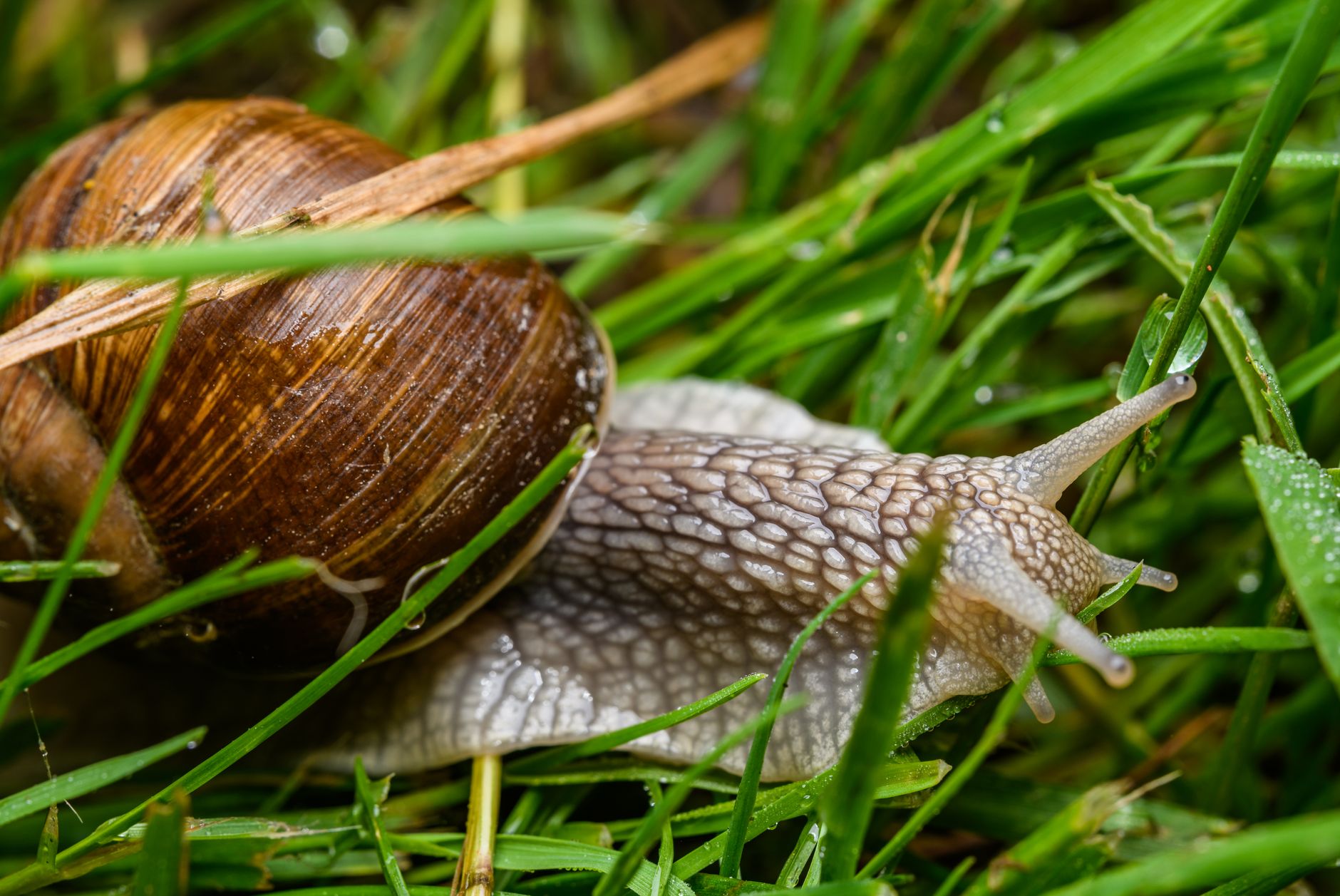
Numerous factors can motivate a snail to seek refuge beneath or within gravel substrates. Understanding these motivations is crucial for both aquarists and those interested in the natural world.
- Predator Avoidance: In nature, snails are prey for various animals, including birds, fish, and even other invertebrates. Hiding in gravel provides a physical barrier and visual camouflage, increasing their chances of survival.
- Rest and Recuperation: Like all living creatures, snails need periods of rest. The shaded and often cooler environment beneath gravel can offer a more comfortable place to rest, especially during periods of high activity or stress.
- Foraging Opportunities: Many types of gravel accumulate detritus, algae, and other organic matter, providing a potential food source for snails. Hiding within the gravel allows them to graze on these resources.
- Egg Laying: Some species of snails lay their eggs in or under gravel, providing a safe and protected environment for their developing offspring.
- Environmental Stress: If the water parameters in an aquarium are poor (e.g., high ammonia, nitrite, or nitrate levels), snails may seek refuge in the gravel to escape the unfavorable conditions. Similarly, wild snails might hide in gravel during periods of drought or extreme temperatures.
Types of Snails and Their Burrowing Habits
Not all snails exhibit the same propensity for hiding in gravel. Species-specific differences in behavior and morphology influence their ability and inclination to burrow.
| Snail Type | Tendency to Hide in Gravel | Reasons |
|---|---|---|
| Nerite Snails | Moderate | May burrow occasionally to forage or rest. |
| Mystery Snails | Low | Generally prefer to graze on surfaces, but might retreat to gravel if stressed. |
| Ramshorn Snails | High | Known to burrow into gravel to feed on detritus and algae. |
| Malaysian Trumpet Snails | Very High | Spend much of their time buried in the substrate, aerating it and consuming organic matter. |
| Pond Snails | Moderate | Can burrow to avoid predators or unfavorable water conditions. |
This table offers a general overview, and individual snails’ behavior may vary depending on their specific environment and health.
Gravel Types and Their Suitability
The type of gravel used in an aquarium or found in a natural habitat can also affect a snail’s ability and willingness to hide within it.
- Fine Gravel: Allows for easier burrowing and hiding, but can also trap detritus and create anaerobic conditions if not properly maintained.
- Coarse Gravel: Provides less effective hiding places, but allows for better water circulation and reduces the risk of anaerobic pockets.
- Sand: While technically not gravel, sand allows for the easiest burrowing and is a preferred substrate for some snail species. However, it requires careful maintenance to prevent compaction and anaerobic conditions.
Identifying Potential Problems
While hiding in gravel can be a natural behavior, it can also indicate underlying problems.
- Water Quality Issues: If snails suddenly start hiding in the gravel more frequently, it could be a sign that the water quality is poor. Test the water for ammonia, nitrite, and nitrate levels.
- Lack of Food: If snails are not getting enough food, they may spend more time foraging in the gravel. Ensure they have access to sufficient algae, detritus, or supplemental food.
- Predation: If other fish or invertebrates in the tank are harassing the snails, they may hide in the gravel to escape.
- Disease or Parasites: In rare cases, increased hiding behavior could be a sign of illness.
Managing Snail Populations
Understanding do snails hide in gravel and their behavior is crucial when managing snail populations, especially in aquariums. Overpopulation can lead to increased competition for food and poor water quality. Regular gravel vacuuming and controlled feeding can help maintain a healthy balance. In natural environments, maintaining a healthy ecosystem with natural predators can help regulate snail populations.
Frequently Asked Questions (FAQs)
Is it normal for my snail to hide in the gravel all the time?
No, it’s not usually normal for a snail to constantly hide in the gravel. While occasional hiding is natural, persistent behavior could indicate stress, poor water quality, lack of food, or the presence of predators. Check your water parameters and observe the snail for other signs of illness.
How do I know if my snail is stressed?
Signs of stress in snails include reduced activity, refusal to eat, excessive mucus production, and prolonged hiding in the gravel. Changes in water parameters or the introduction of new tank mates can trigger stress.
What can I do to improve the water quality in my aquarium?
Regular water changes (25-50% weekly), proper filtration, and avoiding overfeeding are crucial for maintaining good water quality. Test your water regularly to monitor ammonia, nitrite, and nitrate levels. A heavily planted tank can also help to naturally filter the water.
Are Malaysian Trumpet Snails good for my aquarium substrate?
Yes, Malaysian Trumpet Snails (MTS) are generally considered beneficial for aquarium substrates. They burrow through the gravel, aerating it and preventing the formation of anaerobic pockets. However, they can reproduce rapidly and become a nuisance if not properly managed.
Will gravel vacuuming harm my snails?
Gravel vacuuming can inadvertently suck up small snails or their eggs. To minimize harm, use a vacuum with a narrow nozzle and avoid vacuuming too aggressively. Inspect the bucket after vacuuming to rescue any snails that may have been accidentally collected.
What kind of food should I give my snails?
Snails are primarily algae eaters but also consume detritus and decaying plant matter. You can supplement their diet with algae wafers, blanched vegetables (like zucchini or spinach), and commercially available snail food. Ensure they have access to sufficient food to prevent them from solely relying on the gravel.
Can snails survive without gravel?
Yes, snails can absolutely survive without gravel. Many aquarists keep snails in bare-bottom tanks or use alternative substrates like sand. The key is to provide them with a suitable environment that meets their needs for food, shelter, and water quality.
How often should I change the gravel in my aquarium?
It’s generally not necessary to completely replace the gravel in an established aquarium. Regular gravel vacuuming should be sufficient to remove debris and maintain a healthy substrate. However, if the gravel becomes heavily contaminated or compacted, replacement might be necessary.
What are anaerobic pockets in gravel?
Anaerobic pockets are areas in the substrate where oxygen is depleted, leading to the formation of harmful compounds like hydrogen sulfide. These pockets can be detrimental to aquatic life. Proper gravel vacuuming and the presence of burrowing snails like MTS can help prevent their formation.
Do snails need light to hide?
No, snails do not need light to hide. Their hiding behavior is primarily driven by factors such as predator avoidance, foraging, rest, and environmental stress, not light levels. However, reduced light intensity can sometimes encourage snails to be more active and less inclined to hide.
Are all snails that hide in gravel sick?
No, not all snails that hide in gravel are sick. As discussed earlier, hiding is a natural behavior for many snails. However, a sudden increase in hiding behavior, especially when accompanied by other symptoms, could indicate illness.
What is the best way to clean my aquarium gravel?
The best way to clean aquarium gravel is by using a gravel vacuum. Insert the vacuum into the gravel and allow it to suck up debris. Be careful not to vacuum too aggressively and to avoid sucking up small snails. Regularly vacuum the gravel during water changes to maintain a healthy substrate.