

Understanding Canine Mating: How to Encourage Acceptance
Determining how to get your female dog to let your male dog mate with her involves understanding canine breeding cycles, ensuring both dogs are healthy and receptive, and prioritizing their safety and well-being throughout the process. This process isn’t guaranteed and should never be forced.

The Complexities of Canine Mating
Successfully breeding dogs requires careful planning and a deep understanding of canine behavior, estrus cycles, and potential risks. Unlike many other species, dogs do not always mate willingly, and coercion can be harmful and unproductive. How do I get my female dog to let my male dog mate with her? is a question that demands a multifaceted answer rooted in ethical breeding practices and canine welfare. Responsible breeders prioritize the well-being of both dogs above all else.
Preparing for Mating: Ensuring Readiness
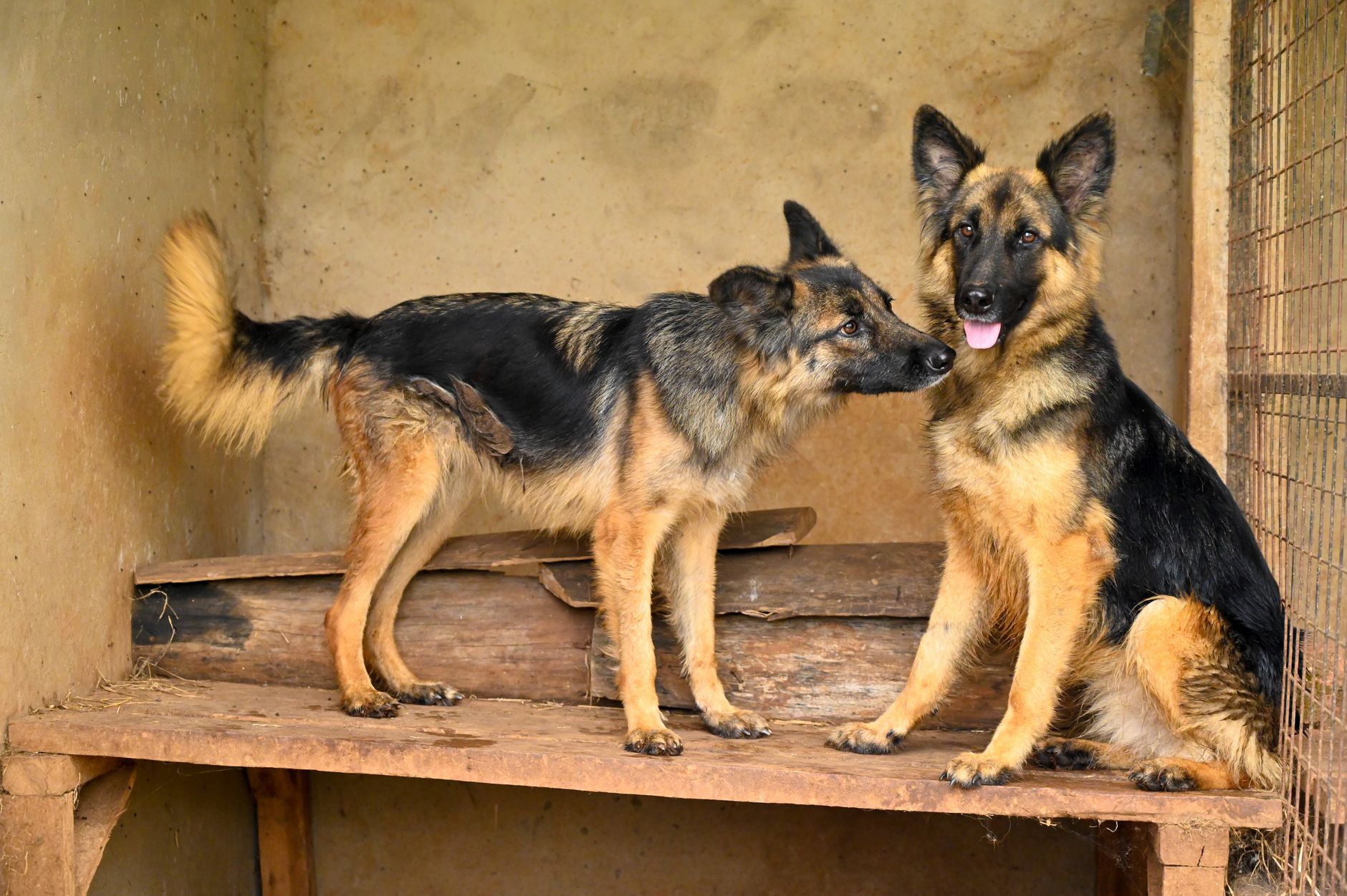
Before even considering introducing your dogs for breeding, ensure they are both physically and temperamentally suitable.
- Health Checks: Consult with your veterinarian to confirm both dogs are free from any genetic conditions or infectious diseases that could be passed on to offspring. Conduct necessary tests like brucellosis screening and hip dysplasia evaluations.
- Temperament Assessment: Both dogs should have stable and non-aggressive temperaments. A nervous or aggressive female is unlikely to accept mating.
- Age Considerations: The female dog should ideally be between 2 and 6 years old. Avoid breeding very young or older dogs. Male dogs should be sexually mature and in good health.
- Vaccination and Parasite Control: Ensure both dogs are up-to-date on their vaccinations and parasite prevention treatments.
Understanding the Female Dog’s Estrus Cycle (Heat)
The female dog’s estrus cycle, often referred to as being “in heat,” is the period when she is receptive to mating. Understanding the stages of this cycle is crucial.
- Proestrus: This is the initial stage, lasting approximately 9 days. The female dog’s vulva will swell, and she may bleed. Male dogs will be attracted to her, but she will likely reject their advances.
- Estrus: This is the stage when the female dog is most fertile and receptive to mating. It typically lasts around 9 days. Bleeding may decrease or stop, and the vulva will remain swollen. This is the time to introduce the dogs for mating, but only if the female shows willingness.
- Diestrus: This stage follows estrus and lasts for about 60 days, regardless of whether the dog is pregnant or not.
- Anestrus: This is the period of sexual inactivity between estrus cycles. It typically lasts for several months.
Introducing the Dogs: A Gradual Process
Introducing the male and female dog should be done gradually and under close supervision.
- Initial Introduction: Allow the dogs to meet in a neutral area, such as a park or open field. Observe their interactions carefully.
- Supervised Interaction: If the dogs seem comfortable with each other, allow them to interact more closely, but always under your watchful eye.
- Monitoring Receptiveness: Watch for signs that the female dog is receptive to the male’s advances. These signs may include:
- Standing willingly when the male approaches.
- Moving her tail to the side.
- Allowing the male to sniff her rear.
- Allowing Mating (If Receptive): If the female dog is receptive, allow the mating to occur naturally. Never force the dogs to mate. Intervene if either dog shows signs of distress or aggression.
Common Mistakes to Avoid
Several common mistakes can hinder the breeding process and potentially harm the dogs.
- Forcing Mating: Forcing a female dog to mate is cruel and can cause physical and psychological trauma.
- Lack of Supervision: Always supervise the dogs during introductions and mating.
- Ignoring Signs of Distress: Pay close attention to the dogs’ body language and intervene if they show signs of distress or aggression.
- Breeding Unhealthy Dogs: Breeding dogs with health problems can pass on these problems to their offspring.
- Breeding Dogs with Aggressive Temperaments: Breeding dogs with aggressive temperaments can result in puppies with behavioral issues.
Understanding Tie
During mating, dogs often become “tied” together. This is a natural phenomenon where the male’s bulbus glandis swells inside the female’s vagina, preventing them from separating immediately. The tie can last from 15 to 45 minutes. Do not attempt to separate the dogs during this time, as it can cause injury.

Monitoring Pregnancy and Whelping
If the mating is successful, the female dog will become pregnant. Monitor her health closely throughout the pregnancy and prepare for whelping (giving birth). Consult with your veterinarian for guidance on prenatal care and whelping preparations.
| Stage | Duration | Key Events |
|---|---|---|
| Proestrus | ~9 days | Vulvar swelling, bleeding, male attraction |
| Estrus | ~9 days | Receptiveness to mating |
| Diestrus | ~60 days | Pregnancy or false pregnancy |
| Anestrus | Variable | Sexual inactivity |
Frequently Asked Questions (FAQs)
What are the signs that my female dog is not receptive to mating?
A female dog that is not receptive may growl, snap, or bite at the male dog. She may also try to move away or hide. Ignoring these signals is detrimental and can lead to serious injury for both dogs.
How long does a female dog stay in heat?
The entire heat cycle (proestrus and estrus) typically lasts around 2-3 weeks. The receptive period, estrus, is usually about 9 days. However, this can vary from dog to dog.
Is artificial insemination a better option than natural mating?
Artificial insemination can be a good option if natural mating is not possible or desired. It eliminates the risk of injury or aggression between the dogs. However, it requires the expertise of a veterinarian or qualified technician.
What if my male dog is inexperienced and doesn’t know what to do?
Some male dogs may require guidance or assistance during their first mating. A more experienced female can sometimes help “teach” him. Avoid forcing the issue; if he’s truly unable, artificial insemination might be the better route.
What are the risks associated with breeding dogs?
Breeding dogs can carry risks for both the male and female, including injury during mating, complications during pregnancy and whelping, and the transmission of genetic diseases. Thorough health screening is crucial to minimize these risks.
Should I breed my dog if she has a health problem?
Generally, it is not recommended to breed dogs with health problems that could be passed on to their offspring. Doing so can perpetuate genetic diseases within the breed. Consult your veterinarian for guidance.
What is the best age to breed a female dog?
The ideal age to breed a female dog is between 2 and 6 years old. Breeding too young or too old can increase the risk of complications.
What should I do if my dogs get into a fight during mating?
Separate the dogs immediately and seek veterinary attention if either dog is injured. Consider whether natural mating is suitable for these dogs in the future.
How can I tell if my female dog is pregnant?
Signs of pregnancy in dogs include decreased appetite in the early stages, followed by increased appetite later, weight gain, enlarged nipples, and behavioral changes. A veterinarian can confirm pregnancy through palpation, ultrasound, or blood test.
How many puppies can a female dog have?
The number of puppies a female dog can have varies depending on the breed, size, and overall health of the dog. Smaller breeds typically have fewer puppies than larger breeds.
What are the signs that my female dog is having trouble whelping?
Signs of trouble whelping include prolonged labor without progress, excessive bleeding, or signs of distress in the female dog. Seek immediate veterinary assistance if you observe these signs.
What are the ethical considerations of breeding dogs?
Ethical breeders prioritize the health and well-being of their dogs above all else. They conduct thorough health screenings, carefully select breeding pairs, and ensure that the puppies are properly cared for and placed in responsible homes. Overpopulation and breed-specific health issues make ethical breeding essential. Addressing the question how do I get my female dog to let my male dog mate with her requires this consideration.