

Do Sea Horses Mate for Life? Exploring the Complexities of Seahorse Relationships
While often romanticized, the notion that seahorses exclusively mate for life is an oversimplification. In reality, seahorse mating behaviors are complex and vary greatly between species, with only some demonstrating long-term pair bonds.
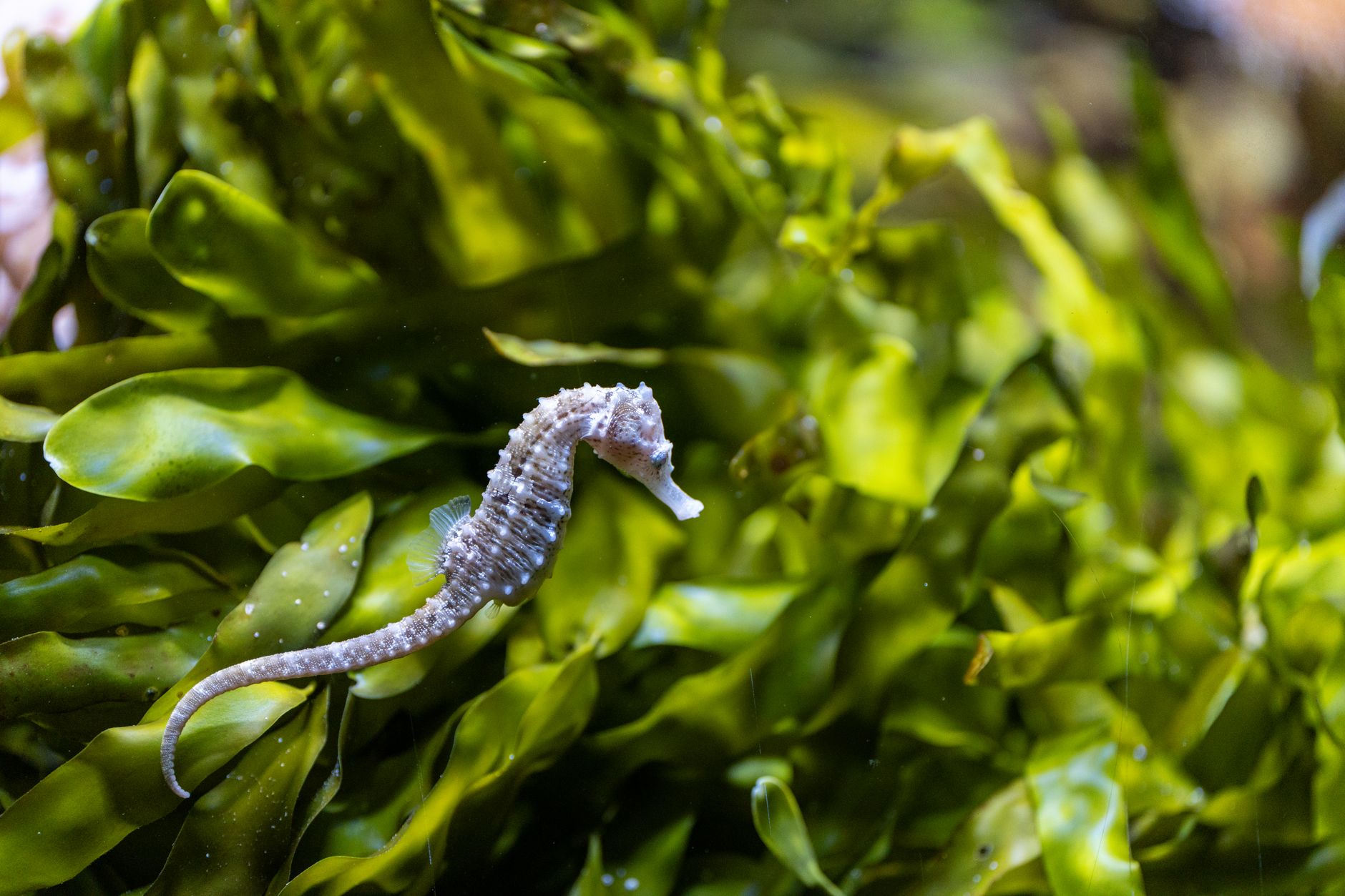
The Allure of Seahorse Monogamy: A Romantic Ideal
The image of seahorses swimming tail-to-tail for life is captivating. This romanticized view stems from observations of certain species exhibiting behaviors consistent with monogamy, such as daily greetings, shared territories, and a lack of observed mating with other partners. The unique role reversal in reproduction – where the male carries and fertilizes the eggs in a pouch – further fuels this perception. This unique role contributes to the fascination and the enduring belief that do sea horses mate for life?.

What colours are fish most attracted to?
Can you put your finger in a trout's mouth?
Is methylene blue anti bacterial?
Does aquarium salt raise pH in aquarium?
Unraveling the Truth: Species Variation and Observational Challenges

However, a deeper dive into seahorse biology reveals a more nuanced picture. Several factors contribute to the difficulty in definitively answering the question: Do sea horses mate for life?
- Species Diversity: There are over 40 species of seahorses, each with its own unique mating behaviors. Some species exhibit strong pair bonds, while others are more promiscuous.
- Observational Difficulties: Studying seahorses in their natural habitat is challenging due to their camouflage, cryptic behavior, and the vastness of the marine environment. This makes long-term monitoring of individual pairs difficult.
- Defining “Life”: Seahorse lifespans are relatively short, ranging from 1 to 4 years, depending on the species. Even seemingly long-term bonds may simply reflect this shorter lifespan.
Monogamy vs. Serial Monogamy vs. Opportunistic Mating
Instead of a simple “yes” or “no,” it’s more accurate to describe seahorse mating strategies as falling along a spectrum:
- Monogamy: Some species, like Hippocampus whitei (White’s Seahorse), appear to form strong, lasting pair bonds. These pairs engage in daily greetings, reinforcing their bond.
- Serial Monogamy: Other species might form pair bonds for a single breeding season and then separate or find new partners. This is sometimes referred to as seasonal monogamy.
- Opportunistic Mating: Some species might not form any lasting pair bonds, mating with different partners as opportunities arise. This is particularly common in species where individuals are more dispersed.
Factors Influencing Seahorse Mating Behavior
Several factors can influence a seahorse’s mating behavior:
- Population Density: In areas with high population density, seahorses might be more likely to engage in opportunistic mating due to increased access to potential partners.
- Habitat Stability: In stable habitats, long-term pair bonds may be more advantageous as it allows for efficient resource utilization and protection.
- Predation Pressure: In areas with high predation pressure, a strong pair bond might offer increased protection against predators.
The Daily Dance: Ritualistic Reinforcement of Bonds
Even in species that exhibit monogamous tendencies, the daily greeting ritual is crucial for maintaining the pair bond. This involves a complex series of movements, color changes, and synchronized swimming. This ritual reinforces their connection and helps to synchronize their reproductive cycles, ensuring successful breeding. This ritual is often cited as evidence to support the idea that do sea horses mate for life?
Table: Examples of Seahorse Mating Behaviors by Species
| Species | Mating Behavior | Characteristics |
|---|---|---|
| Hippocampus whitei | Strong Monogamy | Daily greetings, shared territory, low rates of re-mating after partner death. |
| Hippocampus kuda | Possible Serial Monogamy | Pair bonds may last a breeding season, but data is limited. |
| Hippocampus barbouri | Opportunistic Mating | Less evidence of pair bonds; individuals mate with different partners. |
Frequently Asked Questions (FAQs)
Do all seahorses perform the daily greeting dance?
No, not all seahorses perform a daily greeting dance. This behavior is more characteristic of species that exhibit strong pair bonds. The intensity and complexity of the dance can also vary between species. For instance, Hippocampus whitei displays a particularly elaborate greeting ritual to reaffirm the pair bond.
Is it true that the male seahorse gives birth?
Yes, this is true. The male seahorse possesses a specialized pouch on his abdomen. The female deposits her eggs into this pouch, where the male fertilizes them and incubates them until they hatch. This unique reproductive role is one of the most fascinating aspects of seahorse biology.
What happens if one seahorse in a pair dies?
The surviving seahorse may or may not find a new partner, depending on the species and environmental factors. In species that exhibit strong monogamy, the surviving partner might experience a period of mourning and may be less likely to re-mate. However, in other species, the surviving seahorse will likely seek out a new mate. The question do sea horses mate for life? becomes particularly poignant in this context.
How long do seahorses live in the wild?
Seahorse lifespans vary depending on the species and environmental conditions. Most seahorses live for 1 to 4 years in the wild. Some smaller species might only live for a year, while larger species can live for several years.
What threats do seahorses face in their natural habitat?
Seahorses face a variety of threats, including habitat destruction, pollution, and overfishing. They are often caught as bycatch in fisheries or harvested for traditional medicine and the aquarium trade. Climate change also poses a significant threat to their coral reef and seagrass habitats.
Can seahorses be kept as pets?
While it’s possible to keep seahorses in aquariums, it is highly discouraged. They are delicate creatures with specific needs, and it is difficult to replicate their natural environment in captivity. Many seahorses sold in the pet trade are wild-caught, further contributing to their decline in the wild.
What do seahorses eat?
Seahorses are ambush predators that feed on small crustaceans, such as copepods and amphipods. They use their long snouts to suck up prey with remarkable speed. They lack teeth and a stomach, so they need to eat almost constantly to meet their energy needs.
How do seahorses camouflage themselves?
Seahorses are masters of camouflage. They can change their color and texture to blend in with their surroundings, making them difficult to spot by predators and prey alike. This camouflage is crucial for their survival.
Are seahorses endangered?
Several seahorse species are considered threatened or endangered due to habitat loss, overfishing, and the aquarium trade. The IUCN Red List of Threatened Species provides information on the conservation status of different seahorse species.
What is the role of seahorses in the ecosystem?
Seahorses play an important role in the marine ecosystem as both predators and prey. They help to control populations of small crustaceans and serve as a food source for larger predators, such as fish and seabirds.
How can I help protect seahorses?
You can help protect seahorses by supporting sustainable seafood choices, reducing your use of plastics, and supporting organizations that work to conserve marine habitats. Educating others about the threats facing seahorses is also crucial.
What is the scientific name for seahorses?
Seahorses belong to the genus Hippocampus, which is part of the family Syngnathidae, which also includes pipefish and seadragons. The name Hippocampus comes from the Greek words “hippos” (horse) and “kampos” (sea monster).