
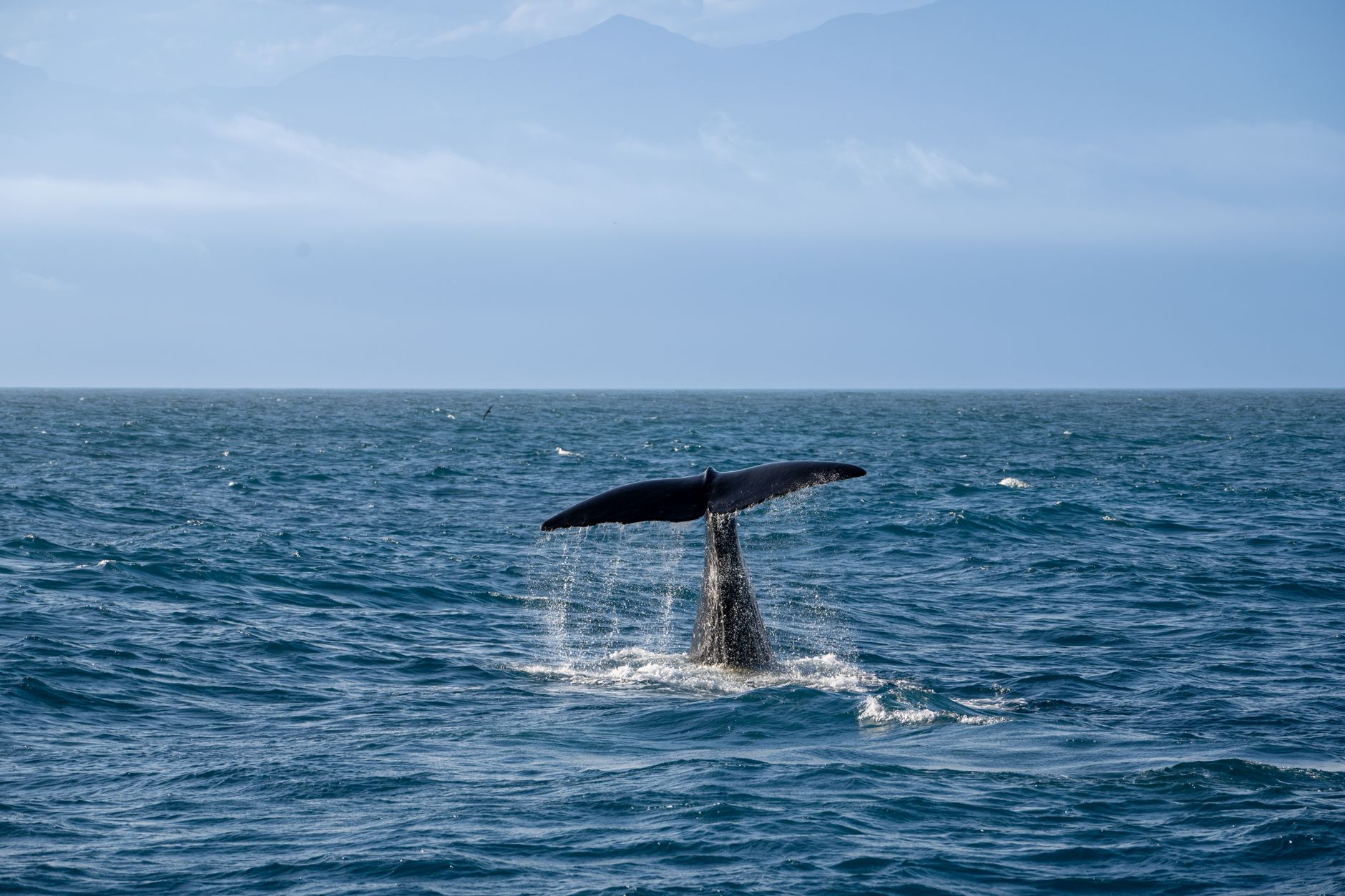
Do Whales Have Teeth? A Deep Dive into Whale Dentition
Yes, some whales have teeth and some do not. Teeth in whales are a defining characteristic of the Odontoceti suborder, the toothed whales, while other whales, the Mysticeti, possess baleen instead.

Unveiling the Two Major Groups of Whales: Odontoceti and Mysticeti
The world of whales is broadly divided into two distinct groups: Odontoceti (the toothed whales) and Mysticeti (the baleen whales). Understanding this division is crucial to answering the question: Do whales have teeth? These categories are not just arbitrary classifications; they represent fundamental differences in feeding strategies, evolutionary history, and overall morphology.
- Odontoceti: This suborder encompasses all the whales with teeth. These include dolphins, porpoises, beaked whales, and various other smaller whale species. They actively hunt and capture their prey, using echolocation to navigate and locate food.
- Mysticeti: These whales lack teeth and instead possess baleen plates, which are comb-like structures made of keratin (the same material as our fingernails). They filter feed, straining vast quantities of small organisms like krill and plankton from the water.
The distinction between these two groups dates back millions of years and reflects their adaptation to different ecological niches. The Odontoceti represent a more predatory lifestyle, while the Mysticeti have evolved to exploit the abundance of smaller prey.
Do all amphibians have eyelids?
Why do cuttlefish have W-shaped eyes?
Do all snakes have poison in them?
What is the GREY African clawed frog?
The Role of Teeth in Toothed Whales (Odontoceti)

For Odontoceti whales, teeth are essential tools for capturing and holding prey. Although they don’t chew their food (swallowing prey whole), teeth are critical for securing fast-moving fish, squid, and other marine creatures. The specific shape and arrangement of teeth vary widely depending on the species’ diet.
- Conical Teeth: Many toothed whales have simple, conical teeth, ideal for grasping slippery prey.
- Specialized Teeth: Some species, like beaked whales, have highly reduced or modified teeth, sometimes only present in males and used for display or fighting.
- Homodont Dentition: Most toothed whales exhibit homodont dentition, meaning their teeth are all the same shape and size, unlike the heterodont dentition seen in many land mammals with incisors, canines, premolars, and molars.
The number of teeth also varies considerably. Some dolphins have over 200 teeth, while others have significantly fewer. This variation reflects the diverse feeding habits of different Odontoceti species.
Baleen: The Toothless Wonder of the Mysticeti
The absence of teeth in Mysticeti whales is compensated for by the presence of baleen. These filter-feeding giants use baleen plates to sieve enormous quantities of tiny organisms from the water. Baleen plates hang down from the upper jaw and are made of keratin.
- Filter Feeding: Whales like humpbacks, blues, and grays engulf large volumes of water, then use their tongues to force the water out through the baleen plates. Tiny organisms are trapped inside.
- Different Baleen Structures: The size and structure of baleen plates vary depending on the species and the type of prey they consume.
- Evolutionary Advantage: Baleen represents a highly efficient adaptation for exploiting the abundance of small prey organisms, allowing Mysticeti whales to achieve immense sizes.
The evolution of baleen allowed whales to move away from active predation and take advantage of a readily available food source, contributing significantly to their evolutionary success.
Evolutionary History: Teeth to Baleen
The evolutionary transition from teeth to baleen is a fascinating example of adaptation. Fossil evidence suggests that the earliest whales did indeed have teeth. Over millions of years, some whale lineages began to rely more on filter feeding, and their teeth gradually reduced in size and number. Eventually, baleen plates evolved, replacing teeth altogether.
The evolutionary pathway from toothed ancestors to baleen whales is supported by several key findings:
- Fossil Records: Fossils show a gradual reduction in tooth size and complexity over time, along with the development of grooves in the palate that likely held primitive baleen structures.
- Genetic Evidence: Genetic studies provide insights into the genes involved in tooth development and baleen formation, revealing how these genes have been modified during whale evolution.
- Embryonic Development: Even in baleen whales, embryonic tooth buds still develop, only to be reabsorbed before birth, indicating their shared ancestry with toothed whales.
The loss of teeth in Mysticeti whales wasn’t a sudden event, but a gradual process driven by natural selection.
The Future of Whale Dentition (or Lack Thereof)
The future of whale dentition, or lack thereof, will likely continue to be shaped by environmental factors and food availability. Changes in ocean conditions, prey distribution, and human activities can all impact the feeding strategies of whales and potentially influence the evolution of their dentition.
- Climate Change: Changes in ocean temperature and acidity can affect the distribution and abundance of prey species, potentially altering the feeding strategies of both toothed and baleen whales.
- Pollution: Plastic pollution and other forms of marine debris can be ingested by whales, potentially damaging their teeth or baleen and affecting their ability to feed.
- Overfishing: The depletion of fish stocks can reduce the availability of prey for toothed whales, potentially leading to changes in their diet or population size.
The ongoing interplay between environmental pressures and whale dentition will continue to shape the evolutionary trajectory of these magnificent marine mammals.
Frequently Asked Questions (FAQs)
Do all dolphins have teeth?
Yes, all dolphins are toothed whales (Odontoceti), and therefore all dolphins have teeth. Their teeth are typically conical in shape and are used for grasping prey, not chewing.
How many teeth do whales have?
The number of teeth in toothed whales varies considerably. Some species, like certain dolphins, can have over 200 teeth, while others, like beaked whales, have far fewer, sometimes even only a single pair used primarily for display.
Why don’t baleen whales have teeth?
Baleen whales evolved to filter feed, making teeth unnecessary. Baleen plates are much more efficient for capturing vast quantities of small organisms like krill and plankton.
What are baleen plates made of?
Baleen plates are made of keratin, the same material that makes up our fingernails and hair. Keratin provides strength and flexibility, allowing the baleen plates to filter large volumes of water effectively.
Do baby whales have teeth?
While baleen whales don’t develop functional teeth, embryonic tooth buds do form in their jaws during development but are reabsorbed before birth, suggesting an evolutionary link to toothed ancestors. Toothed whale calves are born with teeth, though these may erupt after birth.
Are whale teeth different from human teeth?
Yes, whale teeth, particularly in Odontoceti, are often homodont (all the same shape), while human teeth are heterodont (different shapes for different functions). Also, whale teeth aren’t used for chewing like human teeth.
Do whales chew their food?
No, whales do not chew their food. Toothed whales swallow their prey whole, while baleen whales filter feed.
How do toothed whales find their prey?
Toothed whales use echolocation to find their prey. They emit clicks and listen for the echoes to create a “sound picture” of their surroundings.
Can whales regrow lost teeth?
No, whales cannot regrow lost teeth. Once a tooth is lost, it is gone forever. This makes it crucial for them to maintain their dental health.
Are whale teeth valuable?
Historically, whale teeth were valuable as a source of ivory. However, the trade in whale products is now largely restricted due to conservation concerns.
How old is the oldest whale fossil with teeth?
The oldest whale fossils with teeth date back to the Eocene epoch, around 50 million years ago. These early whales, like Pakicetus, were more terrestrial than modern whales but possessed teeth.
Do all whales use their teeth for the same purpose?
No. While the primary function of teeth in whales is to grasp prey, some species, like beaked whales, use their teeth primarily for display or fighting, especially among males during mating season.