
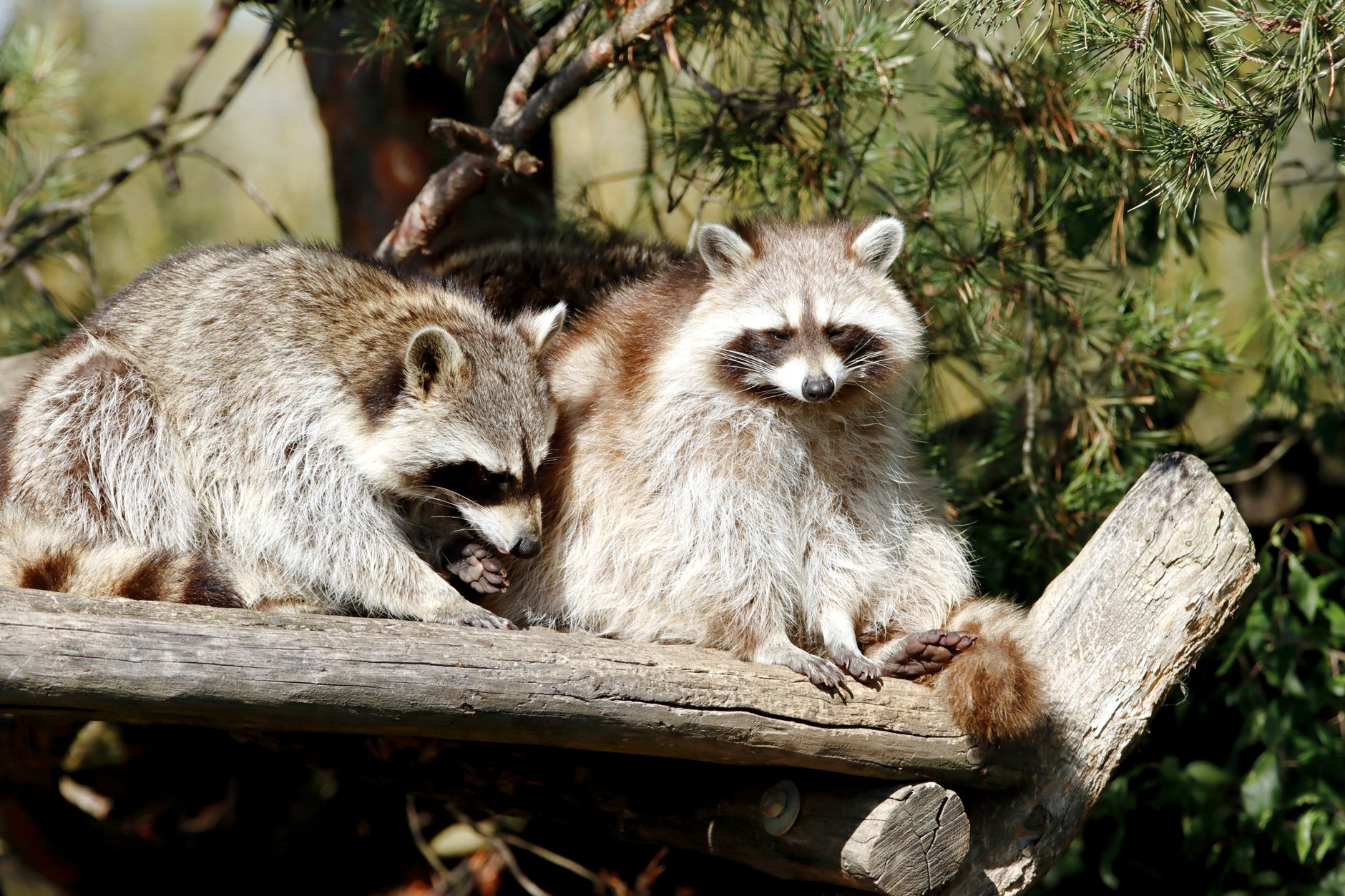
Do Raccoons Dislike Moth Balls?: Unveiling the Truth
Do raccoons dislike moth balls? The answer is a qualified no. While mothballs can act as a deterrent due to their strong odor, their effectiveness is unreliable and they pose significant health risks, making them a poor choice for raccoon control.
The Raccoon Conundrum: Why We Seek Solutions
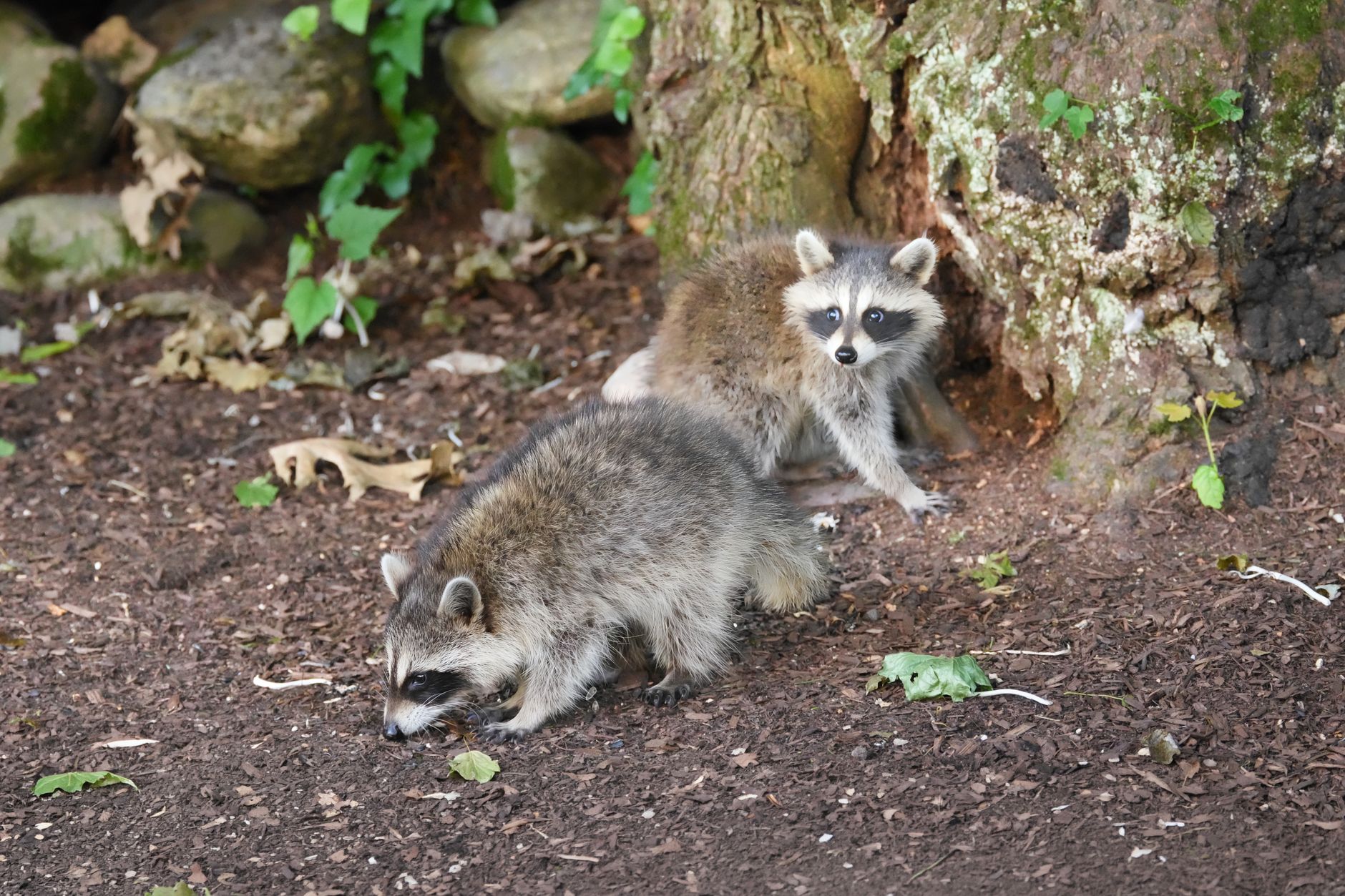
Raccoons, with their masked faces and nimble paws, are fascinating creatures. However, their adaptability often leads them to unwelcome intrusions into human environments. They raid trash cans, nest in attics, and wreak havoc on gardens. The search for effective and humane raccoon deterrents is, therefore, a constant quest for homeowners.

What colours are fish most attracted to?
Can you put your finger in a trout's mouth?
Is methylene blue anti bacterial?
Does aquarium salt raise pH in aquarium?
Moth Balls: The Promise and the Peril
Moth balls are solid pesticides containing chemicals like naphthalene or paradichlorobenzene. These chemicals slowly sublimate into a gas, creating a strong odor intended to kill moths and other insects. The idea behind using them for raccoon control is that the smell might be unpleasant enough to drive the animals away.
The Limited Effectiveness of Moth Balls on Raccoons
While the strong odor of moth balls may initially deter some raccoons, its effectiveness is highly variable.
- Adaptation: Raccoons are intelligent and adaptable animals. They can quickly become accustomed to the smell, rendering the moth balls ineffective.
- Dosage: Achieving a concentration of mothball fumes strong enough to consistently repel raccoons requires using large quantities, which increases the risk of exposure to humans and other animals.
- Area Limitations: Moth balls are only effective in confined spaces, such as attics or sheds. They are less effective in open areas like gardens.
The Dangers of Using Moth Balls
Beyond their limited effectiveness, moth balls pose significant risks:
- Health Hazards: Naphthalene and paradichlorobenzene are toxic chemicals that can cause a range of health problems, including headaches, nausea, vomiting, and liver damage. Children and pets are particularly vulnerable.
- Environmental Contamination: Moth balls can contaminate soil and water, harming the environment.
- Legality: In some areas, the use of moth balls for purposes other than those specified on the label (i.e., killing moths in enclosed containers) is illegal.
Safer and More Effective Raccoon Deterrents
There are numerous safer and more effective methods for deterring raccoons:
- Secure Trash Cans: Use trash cans with tight-fitting lids and secure them with bungee cords or weights.
- Eliminate Food Sources: Clean up fallen fruit, pet food, and other potential food sources.
- Seal Entry Points: Seal any holes or openings in your home’s foundation, roof, or attic.
- Motion-Activated Lights and Sprinklers: These can startle raccoons and discourage them from entering your property.
- Professional Wildlife Removal: If you have a persistent raccoon problem, consider hiring a professional wildlife removal service.
Table Comparing Raccoon Deterrents
| Deterrent | Effectiveness | Safety | Cost | Notes |
|---|---|---|---|---|
| Moth Balls | Low | High Risk | Low | Toxic, environmentally damaging, and often ineffective. |
| Secure Trash Cans | Medium | Low Risk | Low to Medium | Essential for preventing raccoons from accessing food. |
| Motion-Activated Lights | Medium | Low Risk | Medium | Effective at deterring raccoons in specific areas. |
| Professional Removal | High | Variable Risk | High | Most effective for persistent problems; ensure the service uses humane and ethical methods. |
Best Practices for Raccoon Prevention
- Regular Home Maintenance: Regularly inspect your home for potential entry points and seal them promptly.
- Yard Cleanliness: Keep your yard clean and free of debris that could provide shelter or attract raccoons.
- Pet Food Management: Do not leave pet food outdoors, especially overnight.
- Educate Your Neighbors: Encourage your neighbors to take similar precautions to prevent raccoons from becoming a problem in your neighborhood.
Ethical Considerations in Raccoon Control
It’s crucial to prioritize humane and ethical methods of raccoon control. Trapping and relocating raccoons can be stressful and potentially harmful to the animals. When possible, focus on preventative measures and non-lethal deterrents.
FAQs: Addressing Common Questions About Raccoons and Moth Balls
Are there natural alternatives to moth balls for raccoon control?
Yes, there are several natural deterrents that may be effective. These include sprinkling cayenne pepper around gardens, using predator urine (available at hunting supply stores), or placing citrus peels near entry points. However, their effectiveness can vary, and they may need to be reapplied frequently.
Can moth balls kill raccoons?
Yes, moth balls can potentially kill raccoons if ingested in large quantities. However, even small amounts can cause serious health problems. This is why they are not a humane or recommended method of raccoon control.
Is it legal to use moth balls to deter raccoons?
The legality of using moth balls to deter raccoons varies by location. In many areas, using pesticides for purposes other than those specified on the label is illegal. Always check local regulations before using moth balls.
How long does the smell of moth balls last?
The smell of moth balls can last for several weeks or even months, depending on the temperature and ventilation. The fumes dissipate more quickly in warmer, well-ventilated areas.
What are the symptoms of moth ball poisoning in humans or pets?
Symptoms of moth ball poisoning can include headache, nausea, vomiting, dizziness, and difficulty breathing. In severe cases, it can lead to liver damage, kidney damage, and even death. If you suspect moth ball poisoning, seek medical or veterinary attention immediately.
Will moth balls deter other animals besides raccoons?
Moth balls may deter other animals, such as skunks, squirrels, and rodents. However, the risks associated with their use outweigh any potential benefits, and safer alternatives are always preferable.
Are electronic raccoon deterrents effective?
Electronic raccoon deterrents, such as ultrasonic devices, claim to emit high-frequency sounds that are unpleasant to raccoons. However, their effectiveness is debatable, and there is limited scientific evidence to support their use.
What should I do if I find a raccoon in my attic?
If you find a raccoon in your attic, do not attempt to handle it yourself. Contact a professional wildlife removal service. They have the expertise and equipment to safely and humanely remove the raccoon and prevent it from returning.
How can I prevent raccoons from getting into my trash cans?
To prevent raccoons from getting into your trash cans, use trash cans with tight-fitting lids and secure them with bungee cords, weights, or specialized raccoon-proof latches. You can also store your trash cans in a garage or shed.
Is raccoon urine a deterrent for other raccoons?
While the scent of any animal’s urine can sometimes serve as a territorial marker, the effectiveness of raccoon urine as a long-term deterrent is limited. It’s not a reliable solution.
What’s the best way to clean up after raccoons have been in my attic?
Cleaning up after raccoons is crucial because their droppings can contain harmful pathogens, including raccoon roundworm. Wear protective gear, including gloves and a respirator, and thoroughly disinfect the area with a bleach solution. Dispose of contaminated materials properly.
Are there raccoon repellents that are safe for my garden?
Several raccoon repellents are considered safer for gardens. Capsaicin-based sprays (derived from chili peppers) are effective, as are predator urine granules. Always follow the product instructions carefully and reapply after rain.