

Can You Have 2 Fighter Fish? Understanding Betta Compatibility
It’s rarely a good idea to house multiple male fighter fish together; in most circumstances, it is definitively not recommended. Understanding Betta social dynamics is crucial for responsible fishkeeping.

Introduction: The Aggressive Nature of Betta Splendens
Betta splendens, commonly known as fighter fish or Siamese fighting fish, are renowned for their vibrant colors and flowing fins. However, their beauty belies a fiercely territorial nature, particularly among males. Originating from the shallow rice paddies of Southeast Asia, Bettas evolved to defend their limited space and resources. This inherent aggression is what makes keeping multiple Bettas in the same tank a complex and often risky proposition. The question, “Can you have 2 fighter fish?” is not a simple yes or no, but hinges on gender, tank size, and careful planning.

How intelligent are fish?
Are fish heads good for the garden?
Can fish hear water?
What is cotton rot in fish?
The Male Betta: A Solitary Warrior
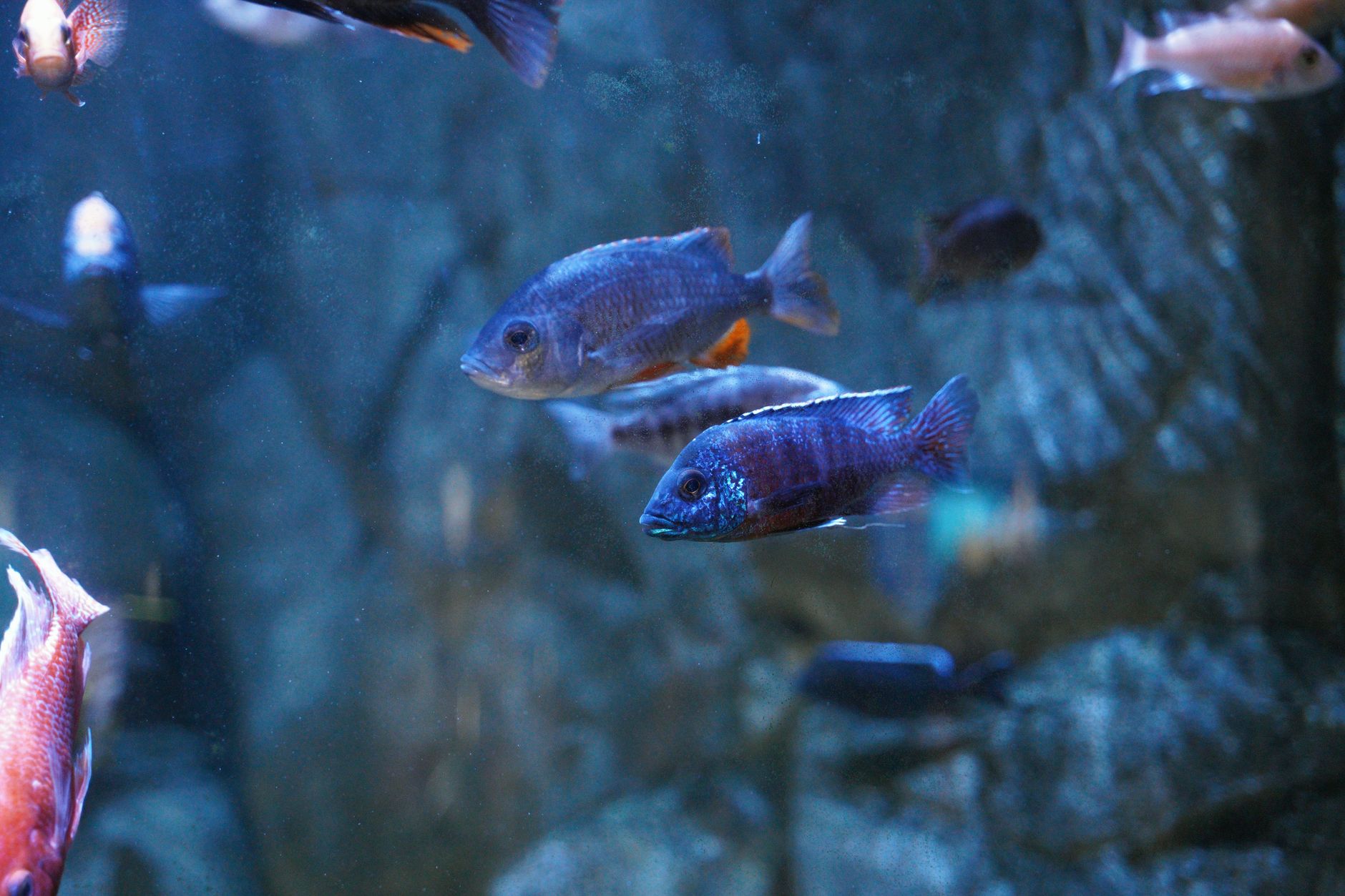
Male Bettas are notoriously aggressive towards each other. The mere sight of another male can trigger intense displays of aggression, including fin flaring, gill displays, and physical attacks. Confining two males within the same tank invariably leads to persistent fighting, stress, injury, and potentially death for one or both fish. Therefore, housing two male fighter fish together is almost always a recipe for disaster.
- Constant stress weakens their immune systems, making them susceptible to disease.
- Physical injuries from fighting can lead to infections.
- The dominant fish may actively prevent the subordinate fish from eating, leading to starvation.
Female Bettas: A Cautious Approach to Coexistence
While not as overtly aggressive as males, female Bettas can also exhibit territorial behavior. However, under the right conditions, it’s possible to keep a group of female Bettas, often referred to as a sorority. This requires careful planning and constant monitoring. “Can you have 2 fighter fish?” If they’re female, the answer is maybe. Here are some key factors to consider:
- Tank Size: A minimum of 20 gallons is essential for a small sorority of 3-5 females. Larger tanks are always better, allowing for more space and fewer territorial disputes.
- Number of Fish: Keeping an odd number (3, 5, 7, etc.) helps to diffuse aggression. Two females is often worse than several, as it lacks the social structure to spread any aggression.
- Tank Setup: Provide ample hiding places, such as caves, plants, and driftwood, to allow the fish to escape from each other.
- Temperament: Introduce all the females at the same time to minimize established territoriality. Choose females with similar temperaments.
- Observation: Closely monitor the fish for any signs of excessive aggression, such as constant chasing, nipping, or fin damage.
The Betta Sorority: Benefits and Challenges
Successfully establishing a Betta sorority can provide a fascinating and dynamic aquarium display. However, it’s crucial to understand the potential challenges.
Benefits:
- A visually appealing and active tank.
- Opportunity to observe natural social behaviors.
- Can be less maintenance than multiple individual tanks.
Challenges:
- Requires a large and well-planted tank.
- Constant monitoring for aggression is necessary.
- Some females may not be compatible and need to be separated.
- Risk of injury or death if aggression escalates.
Determining Compatibility: A Checklist
Before attempting to house any two fighter fish together, even females, assess their compatibility using the following checklist:
| Factor | Description |
|---|---|
| Gender | Are both fish female? Keeping two males together is almost certainly a bad idea. |
| Tank Size | Is the tank at least 20 gallons for a small sorority? The bigger, the better. |
| Hiding Places | Are there ample hiding places, such as plants, caves, and driftwood? |
| Temperament | Have you observed the fish’s behavior beforehand? Avoid overly aggressive individuals. |
| Observation Time | Are you prepared to closely monitor the fish for signs of aggression and be ready to separate them if necessary? |
| Experience Level | Do you have experience keeping Bettas and managing potentially aggressive fish? This is not a good project for beginners. |
When Separation is Necessary
Even with careful planning, aggression can still erupt in a Betta sorority. Be prepared to separate incompatible individuals immediately. Signs that separation is necessary include:
- Constant chasing and nipping.
- Fin damage.
- Hiding in corners and avoiding other fish.
- Loss of appetite.
Introducing Betta Fish
Introducing new Betta fish can be a stressful time for them, so it’s best to take your time to ensure they adapt to their environment. One of the best options when introducing two females is using a breeder box. It allows them to become familiar with each other’s appearance without causing any real harm. This process can take up to a week. Once the fish are familiar with each other, remove the breeder box and observe them closely. Should they become aggressive, you’ll need to place one of the fish back inside.
Frequently Asked Questions (FAQs)
Can a male and female Betta live together?
Generally, no. While they can be bred together, it requires a specific environment and knowledge. Outside of breeding situations, keeping a male and female Betta together in a standard aquarium is likely to result in the female being stressed, harassed, and potentially injured by the male.
What size tank do I need for a Betta sorority?
A minimum of 20 gallons is recommended for a small sorority of 3-5 females. Larger tanks (30 gallons or more) are always better, as they provide more space and help to reduce aggression. The larger the tank, the more the question “Can you have 2 fighter fish?” leans toward the affirmative.
How many female Bettas can I keep together?
An odd number of females (3, 5, 7, etc.) is generally recommended to diffuse aggression. Two females can sometimes work, but it can also be more problematic as they lack the social structure to distribute aggression effectively.
What should I do if my female Bettas are fighting?
Immediately separate the aggressive individuals. Have a backup tank ready. Constant fighting will stress the fish and can lead to injury or death.
How can I tell if my female Bettas are stressed?
Signs of stress in Bettas include hiding, loss of appetite, clamped fins, and faded colors.
Can I keep a Betta with other types of fish?
Yes, but it depends on the other fish species. Avoid fish with long, flowing fins that might be mistaken for another Betta. Suitable tankmates include small, peaceful fish such as neon tetras, corydoras catfish, and snails. Research compatibility carefully before introducing any new fish to a Betta tank.
What is the best way to set up a Betta tank?
A well-planted tank with plenty of hiding places is ideal. Include live plants, caves, and driftwood to provide security and reduce stress.
How often should I feed my Betta?
Feed your Betta small amounts of high-quality Betta pellets once or twice a day. Avoid overfeeding, as this can lead to health problems.
How often should I change the water in my Betta tank?
Perform partial water changes (25-50%) once a week to maintain water quality.
What temperature should I keep my Betta tank at?
Bettas thrive in warm water, ideally between 78-82°F (25-28°C). Use a heater to maintain a consistent temperature.
What is fin rot, and how do I treat it?
Fin rot is a bacterial infection that causes the fins to deteriorate. Treat it with aquarium salt and, in severe cases, antibiotic medications specifically formulated for fish. Good water quality is key to preventing fin rot.
Can I have 2 fighter fish?
In conclusion, housing two male fighter fish together is almost certain to end in disaster. While keeping multiple female fighter fish in a sorority can be done, it requires careful planning, a large tank, and constant monitoring. If you are inexperienced, it’s best to keep Bettas individually to ensure their well-being.