
Do Rabbits Like Carrots or Cabbage? The Surprising Truth
The age-old image of a rabbit happily munching on a carrot is misleading. While they might enjoy a small piece as a treat, cabbage is actually a more nutritionally beneficial leafy green for rabbits and should form a more significant part of their daily diet.

Introduction: The Carrot Myth and the Cabbage Reality
For generations, cartoons and popular culture have perpetuated the idea that rabbits and carrots are inseparable. This widely held belief has led many rabbit owners to mistakenly offer carrots as a primary food source. The reality is that carrots, while not inherently toxic, are high in sugar and should only be given in moderation. Do rabbits like carrots or cabbage better? Let’s delve into the facts. Cabbage, on the other hand, offers a good source of fiber and essential nutrients, making it a more suitable choice for their daily vegetable intake, although still only as part of a balanced diet.

What colours are fish most attracted to?
Can you put your finger in a trout's mouth?
Is methylene blue anti bacterial?
Does aquarium salt raise pH in aquarium?
Nutritional Needs of Rabbits: A Foundation for Choice
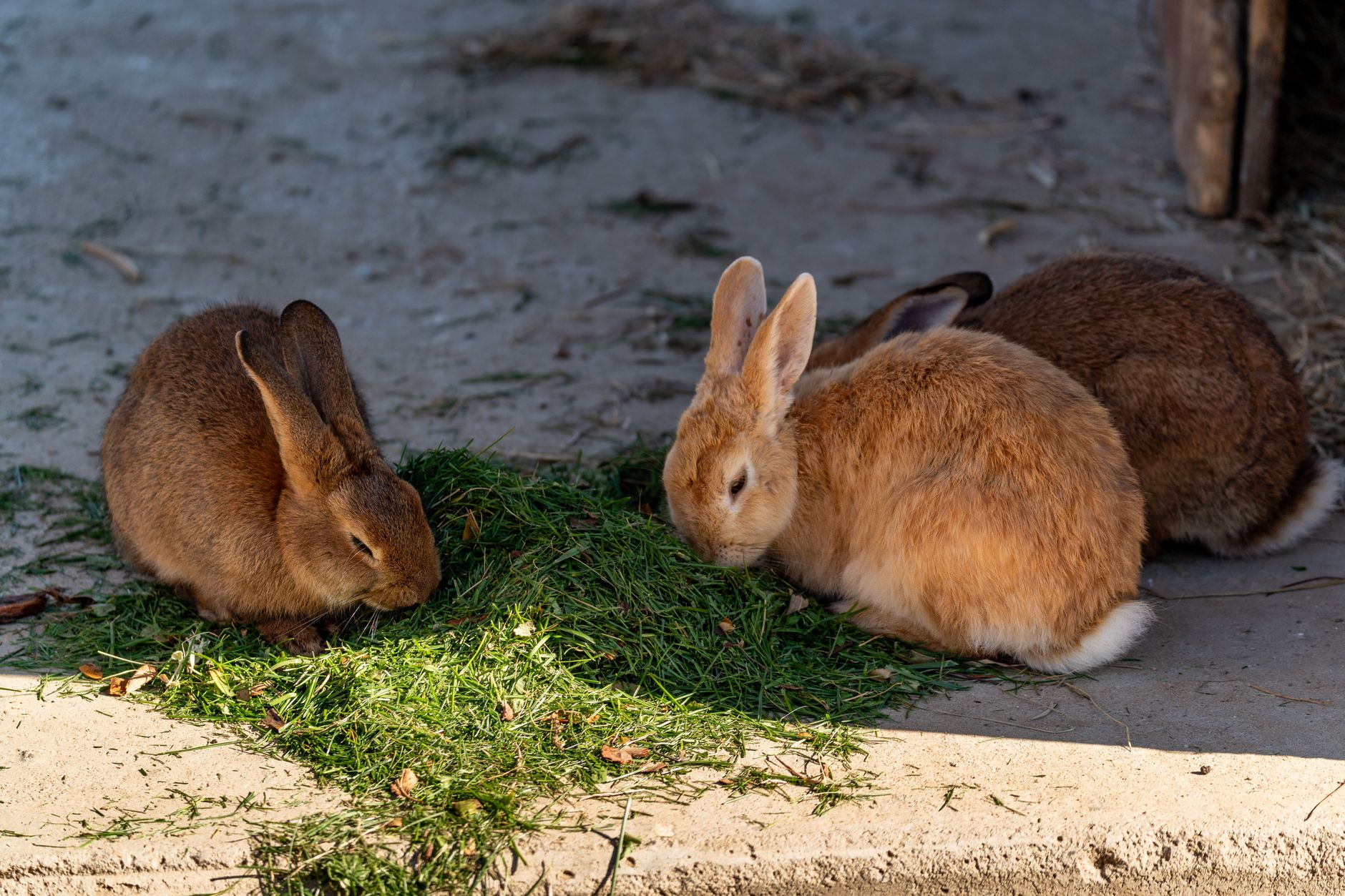
Understanding a rabbit’s nutritional requirements is paramount to making informed dietary decisions. A rabbit’s diet should primarily consist of:
- Hay: High-fiber hay, such as timothy hay, is crucial for digestive health and dental wear.
- Fresh Greens: Leafy greens, including cabbage, should comprise a significant portion of their daily intake.
- Pellets: High-quality rabbit pellets offer supplemental vitamins and minerals.
- Treats (in moderation): Fruits and vegetables like carrots should be given sparingly.
The Case for Cabbage: Nutritional Benefits for Rabbits
Cabbage offers several advantages as a part of a rabbit’s balanced diet:
- Fiber: Supports healthy digestion and prevents gastrointestinal stasis, a potentially life-threatening condition.
- Vitamins and Minerals: Provides essential nutrients like Vitamin C and potassium.
- Hydration: Cabbage has a high water content, contributing to hydration.
- Variety: Adding different types of cabbage (green, red, Savoy) can enrich their diet and provide a range of nutrients. However, avoid feeding too much at any one time, and monitor for any adverse effects.
The Carrot Conundrum: When is it Okay to Offer Carrots?
While carrots aren’t the ideal staple food, they can still be offered as an occasional treat:
- Moderation is Key: Limit carrot servings to small pieces, a few times a week at most.
- Dental Health: Chewing on carrots can provide some dental benefit, but hay is far more effective.
- Training Aid: Carrots can be used as a high-value reward during training sessions.
- Baby Carrots: These have even more sugar content, so avoid them completely!
Potential Risks: Too Much of a Good (or Bad) Thing
Overfeeding any food, including cabbage and carrots, can lead to health problems.
- Cabbage: Excess can cause gas and bloating in some rabbits. Introduce cabbage gradually.
- Carrots: Excessive sugar intake can contribute to obesity, dental problems, and digestive upset.
- General: Changes in diet should be introduced slowly to avoid disrupting the gut flora.
The Best Cabbage Choices for Rabbits
While many types of cabbage are safe, some are more nutritious than others.
| Type of Cabbage | Benefits | Considerations |
|---|---|---|
| Green Cabbage | Good source of fiber & Vitamin C | Introduce gradually, monitor for gas. |
| Red Cabbage | Rich in antioxidants | Introduce gradually, monitor for gas. |
| Savoy Cabbage | Softer texture, easier to digest | Can be a good option for rabbits with dental issues |
| Bok Choy | Excellent source of vitamins & minerals | Technically a Chinese cabbage; great option |
Choosing and Preparing Cabbage for Your Rabbit
- Organic is Best: Opt for organic cabbage to minimize pesticide exposure.
- Wash Thoroughly: Rinse cabbage thoroughly to remove dirt and debris.
- Offer Variety: Rotate different types of cabbage to provide a diverse nutrient profile.
- Introduce Slowly: Begin with small quantities and gradually increase the amount.
- Cut into manageable pieces: Cut the cabbage into strips to make it easier for your rabbit to eat.
Observing Your Rabbit’s Response
Every rabbit is an individual, and their digestive systems can react differently to various foods. Pay close attention to your rabbit after introducing cabbage or any new food.
- Monitor Stool: Watch for changes in stool consistency, frequency, or appearance.
- Observe Behavior: Look for signs of discomfort, such as lethargy, loss of appetite, or abdominal bloating.
- Adjust Accordingly: If your rabbit exhibits any adverse reactions, reduce or eliminate the food.
Consulting with a Veterinarian
If you have any concerns about your rabbit’s diet, consult with a veterinarian who specializes in rabbits. They can provide personalized recommendations based on your rabbit’s individual needs and health status. Never change their diet without seeking professional guidance, especially if your rabbit has any known health problems.
The Final Verdict: Do Rabbits Like Carrots or Cabbage? The balanced approach.
While do rabbits like carrots or cabbage? the answer isn’t a simple one. While rabbits enjoy the sweetness of carrots, cabbage offers superior nutritional benefits and should form a more significant part of their daily fresh greens. Both should be provided as part of a well-balanced diet comprised primarily of hay, and remember: moderation is key.
Frequently Asked Questions About Rabbits, Carrots, and Cabbage
Is cabbage safe for rabbits to eat every day?
Yes, cabbage can be part of a rabbit’s daily diet, but it’s important to offer a variety of leafy greens and ensure cabbage doesn’t become the sole source of vegetables. Too much of any one thing can cause an imbalance.
Can rabbits eat the core of a cabbage?
Yes, rabbits can eat the core of a cabbage. However, as with any new food, it is essential to introduce it gradually and monitor for any digestive upset. The core contains just as much nutrients, but it may be harder for them to chew.
What are the best leafy greens for rabbits besides cabbage?
Other excellent leafy green options for rabbits include romaine lettuce, kale, parsley, cilantro, and basil. Avoid iceberg lettuce, which offers minimal nutritional value and can sometimes cause digestive issues. A variety is key!
How much cabbage should I give my rabbit?
The amount of cabbage you should give your rabbit depends on their size and individual needs. Start with a small handful and gradually increase the amount. As a general guideline, fresh greens should comprise about 10-15% of their daily diet. Observe their stool for any changes.
Why do rabbits seem to prefer carrots over cabbage?
Rabbits often prefer carrots due to their high sugar content. Just like humans, rabbits are drawn to sweet flavors. However, this doesn’t mean carrots are the healthier choice. Sweetness is often a lure!
Can baby rabbits eat cabbage?
Baby rabbits (under 6 months old) have very sensitive digestive systems and should primarily eat hay and pellets formulated for young rabbits. Introduce small amounts of leafy greens like cabbage gradually and only after they are fully weaned.
What are the signs that my rabbit is having digestive problems after eating cabbage?
Signs of digestive problems include soft or runny stool, lack of appetite, lethargy, abdominal bloating, and decreased fecal output. If you notice any of these signs, contact your veterinarian immediately.
Is red cabbage or green cabbage better for rabbits?
Both red and green cabbage are good options for rabbits. Red cabbage is higher in antioxidants, while green cabbage is a good source of fiber. Variety is beneficial for a well-rounded diet.
Can rabbits eat cooked cabbage?
Rabbits should only eat raw cabbage. Cooked cabbage loses some of its nutritional value and can be harder for rabbits to digest. Stick to fresh, raw vegetables.
What other vegetables are safe for rabbits in moderation?
Other safe vegetables to offer in small quantities include bell peppers, broccoli, Brussels sprouts, and zucchini. Always introduce new vegetables gradually and monitor for any adverse reactions. Moderation and observation are key!
Can rabbits eat the flowers of cabbage plants?
The flowers of cabbage plants (if they have flowered) are generally safe for rabbits to eat in small amounts. However, the flowers are not as nutritious as the leaves, so they should not be a regular part of their diet.
How should I store cabbage to keep it fresh for my rabbit?
Store cabbage in the refrigerator in a plastic bag or container. Properly stored, cabbage can stay fresh for up to a week. Always wash it thoroughly before feeding it to your rabbit. Freshness is key for palatability and nutrition.