
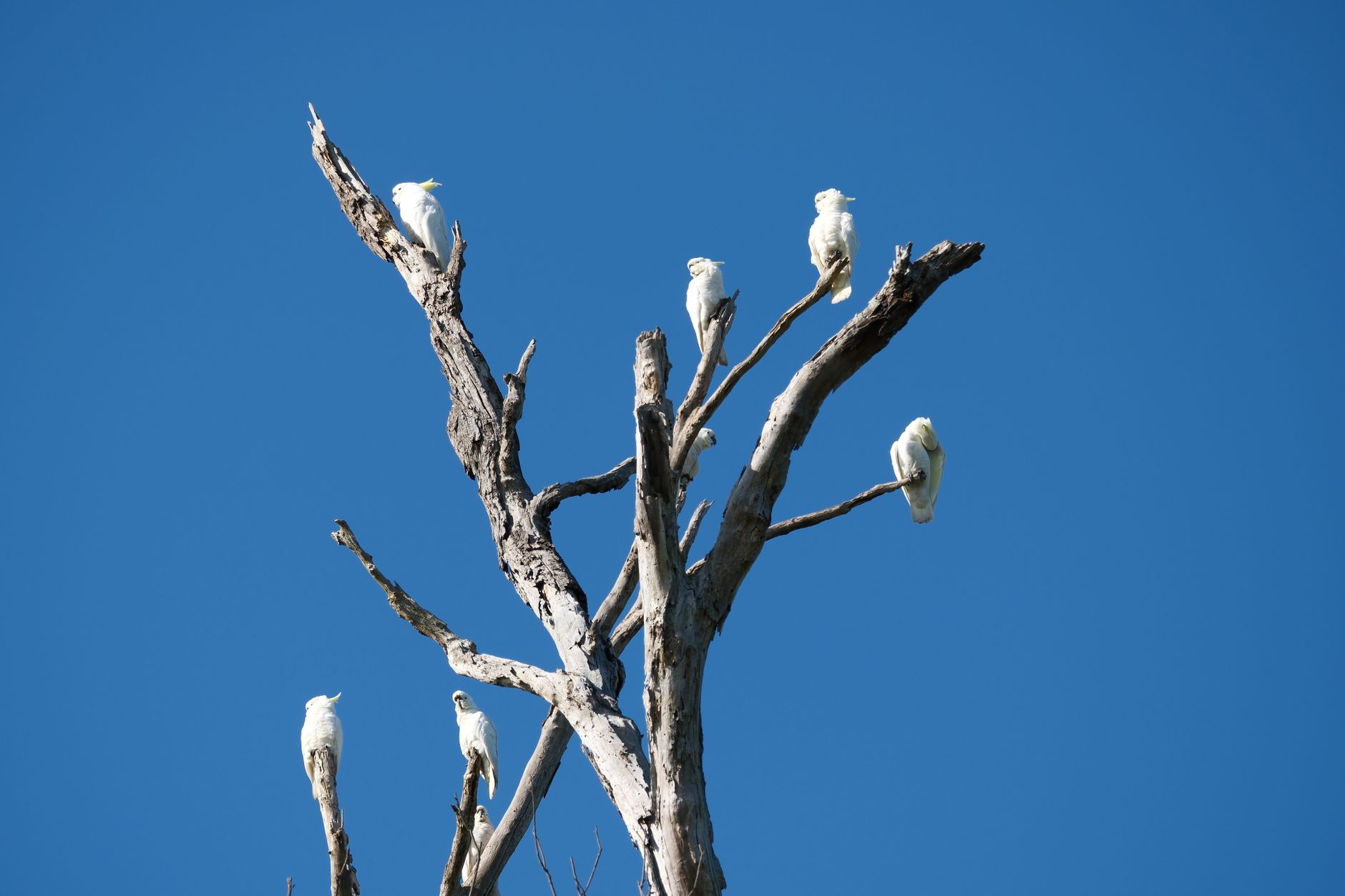
Where in Australia Has the Most Birds?
The richest birdlife in Australia is arguably found in the tropical north, with Queensland’s Wet Tropics and Kakadu National Park standing out as premier locations due to diverse habitats and abundant resources. These regions boast an astonishing concentration and variety of avian species.

A Symphony of Feathers: Understanding Australia’s Bird Diversity
Australia, a continent renowned for its unique biodiversity, hosts a staggering array of bird species. From the iconic kookaburra to the vibrantly plumaged rainbow lorikeet, Australian birds contribute significantly to the country’s ecological tapestry. Understanding where in Australia has the most birds requires appreciating the complex interplay of factors that shape bird distribution.

Can you get hognose snakes in Australia?
What is the GREY African clawed frog?
Is distilled water good for goldfish?
Can you put your finger in a trout's mouth?
The Critical Role of Habitat

Habitat diversity is a primary driver of bird diversity. Regions with a mosaic of ecosystems, such as rainforests, wetlands, savannas, and mangroves, provide a wider range of niches that different bird species can occupy. These diverse habitats offer varied food sources, nesting sites, and shelter from predators, supporting a greater abundance and variety of birds.
Identifying Bird Hotspots: Factors to Consider
Pinpointing where in Australia has the most birds involves more than just counting species. Key factors to consider include:
- Species Richness: The total number of different bird species present.
- Endemism: The proportion of species found nowhere else in the world.
- Abundance: The overall number of individual birds present.
- Habitat Quality: The health and integrity of the available habitats.
- Conservation Status: The degree to which bird populations are threatened.
Queensland’s Wet Tropics: A Birdwatcher’s Paradise
The Wet Tropics of Queensland, a UNESCO World Heritage area, consistently ranks among the top locations where in Australia has the most birds. The region’s lush rainforests, cascading waterfalls, and pristine rivers create an ideal environment for numerous avian species, including many endemic birds.
Kakadu National Park: Northern Territory’s Avian Gem
Kakadu National Park in the Northern Territory provides another compelling example of bird-rich habitat. Its vast floodplains, mangrove forests, and sandstone escarpments support a remarkable diversity of birds, particularly waterbirds and raptors. The seasonal fluctuations in water levels create a dynamic environment that attracts migratory birds and supports breeding populations.
Other Notable Regions for Bird Diversity
While the Wet Tropics and Kakadu National Park stand out, other regions contribute significantly to Australia’s bird diversity. These include:
- South-west Western Australia: Home to numerous endemic species adapted to the unique kwongan heathlands.
- Tasmania: Island isolation has led to the evolution of several unique bird species.
- The Top End (Northern Territory): A vast region with diverse habitats supporting a wide range of birds.
Threats to Bird Populations
Despite their remarkable diversity, Australian bird populations face a number of threats, including:
- Habitat Loss and Degradation: Clearing of land for agriculture, urbanization, and mining.
- Introduced Species: Predation by feral cats and foxes, competition from introduced birds.
- Climate Change: Altered rainfall patterns, increased frequency of extreme weather events.
- Fire Regimes: Intense and frequent bushfires can devastate bird habitats.
Conservation Efforts: Protecting Australia’s Avian Heritage
Numerous conservation efforts are underway to protect Australia’s bird populations, including:
- Habitat Restoration: Rehabilitating degraded habitats to provide suitable conditions for birds.
- Introduced Species Control: Managing feral cat and fox populations to reduce predation.
- Climate Change Mitigation: Reducing greenhouse gas emissions to address climate change impacts.
- Protected Area Management: Effectively managing national parks and other protected areas to conserve bird habitats.
- Community Engagement: Involving local communities in bird conservation efforts.
The Future of Bird Diversity in Australia
The future of bird diversity in Australia hinges on our ability to address the threats they face. By investing in habitat restoration, controlling introduced species, mitigating climate change, and promoting sustainable land management practices, we can ensure that future generations have the opportunity to enjoy the rich avian heritage of this remarkable continent. The question of where in Australia has the most birds might shift over time due to these pressures, making conservation crucial.
Frequently Asked Questions (FAQs)
What is the bird with the most recorded sightings in Australia?
The Australian magpie is likely the most frequently sighted bird across Australia, due to its adaptability to various environments, including urban areas. However, reporting bias can influence these records.
Does the type of ecosystem affect bird populations?
Absolutely. Different ecosystems support different types of birds due to specific food sources, nesting sites, and climate conditions. For instance, rainforests host birds adapted to dense canopies, while wetlands attract waterbirds.
Which Australian state has the most endemic bird species?
Queensland and Western Australia tend to have a high number of endemic bird species due to their unique geographic and climatic conditions, particularly in the Wet Tropics and south-west regions, respectively.
Are migratory birds considered when determining areas with the most birds?
Yes. Migratory birds contribute significantly to bird counts in certain regions at specific times of the year. Their presence increases the overall bird abundance and diversity, albeit seasonally.
How do scientists determine where birds are most abundant?
Scientists use a variety of methods including bird surveys, radar tracking, acoustic monitoring, and citizen science initiatives like eBird to collect data on bird populations and distribution.
What is the role of citizen science in documenting bird distribution?
Citizen science plays a crucial role in documenting bird distribution by engaging volunteers in data collection. Platforms like eBird allow birdwatchers to record their sightings, providing valuable information for scientific research and conservation efforts.
What specific features make the Wet Tropics of Queensland a bird haven?
The year-round rainfall, warm temperatures, and diverse habitats of the Wet Tropics support a high concentration of bird species, including many endemic rainforest birds.
How does climate change impact bird populations in Australia?
Climate change affects bird populations through altered rainfall patterns, increased temperatures, and more frequent extreme weather events. These changes can disrupt breeding cycles, food availability, and habitat suitability.
What are some of the rarest birds that can be found in Australia?
Some of Australia’s rarest birds include the orange-bellied parrot, regent honeyeater, and swift parrot. These species face significant threats from habitat loss and other factors.
How can I contribute to bird conservation in Australia?
You can contribute to bird conservation by supporting conservation organizations, participating in citizen science projects, reducing your carbon footprint, and advocating for policies that protect bird habitats.
What is the significance of islands in Australia regarding bird populations?
Islands often have unique bird populations due to isolation, leading to the evolution of endemic species. They also serve as important breeding sites for seabirds and migratory species.
Is the concept of “most birds” always static or does it fluctuate?
The concept of “most birds” is not static and can fluctuate due to seasonal migrations, habitat changes, conservation efforts, and other environmental factors. Ongoing monitoring is essential to track these changes.