
Do Puppies Cry After Getting Shots? Understanding Puppy Vaccination Reactions
Do puppies cry after getting shots? Yes, it’s common for puppies to cry after getting shots, but this reaction can range from a brief whimper to more prolonged distress. This response is typically short-lived and often due to the initial sting of the needle, rather than a serious medical issue.
Why Puppies Get Vaccinated
Vaccinations are crucial for protecting puppies from a range of potentially fatal diseases. They work by exposing the puppy’s immune system to a weakened or inactive form of a virus or bacteria, stimulating the body to produce antibodies that will fight off the real disease if ever encountered.

What colours are fish most attracted to?
Can you put your finger in a trout's mouth?
Is methylene blue anti bacterial?
Does aquarium salt raise pH in aquarium?
The Benefits of Puppy Vaccinations

The benefits of puppy vaccinations far outweigh the potential risks. Vaccinations can protect against serious and often fatal diseases such as:
- Parvovirus: A highly contagious and often deadly virus that attacks the gastrointestinal system.
- Distemper: A viral disease that affects the respiratory, gastrointestinal, and nervous systems.
- Adenovirus (Hepatitis): A viral infection that affects the liver.
- Parainfluenza: A respiratory virus that contributes to kennel cough.
- Rabies: A fatal viral disease that affects the central nervous system.
The Vaccination Process Explained
The vaccination process generally involves a series of shots administered over several weeks. This staggered approach helps to build a strong and lasting immunity. A typical vaccination schedule might look like this:
- 6-8 weeks: First set of core vaccines (often includes Distemper, Parvo, Adenovirus, Parainfluenza)
- 10-12 weeks: Second set of core vaccines, plus optional vaccines like Bordetella (kennel cough)
- 14-16 weeks: Third set of core vaccines, rabies vaccine
- Annual or triennial boosters: Depending on the vaccine and local regulations
Why Puppies Might Cry
Several factors can contribute to a puppy crying after receiving vaccinations:
- Needle Prick: The most immediate cause is the sting of the needle. While relatively small, it can still cause discomfort, especially in sensitive puppies.
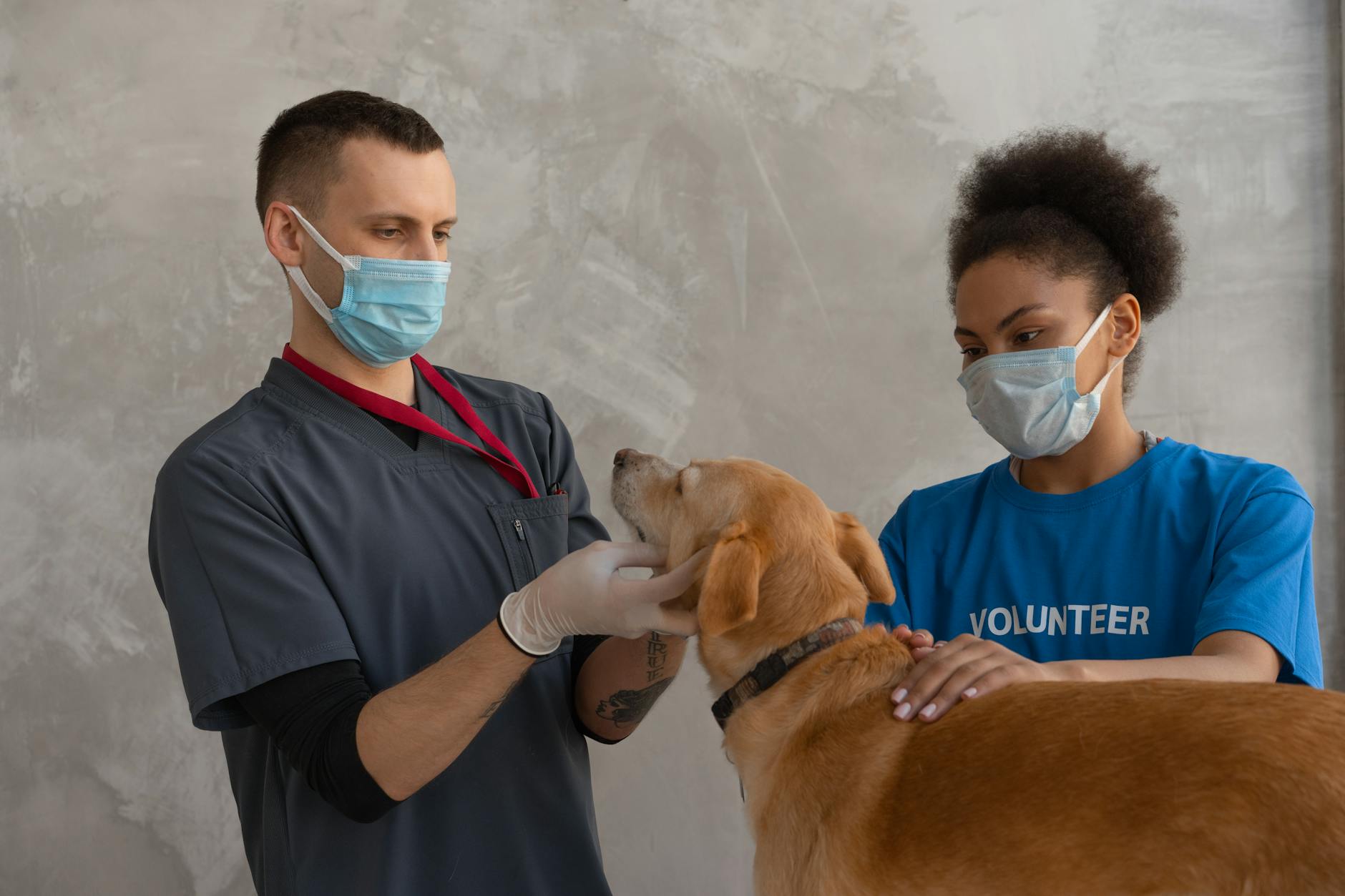
- Fear and Anxiety: The veterinary clinic environment can be overwhelming for puppies. The strange smells, sounds, and unfamiliar handling can trigger fear and anxiety, which can manifest as crying.
- Post-Vaccination Discomfort: Some puppies may experience mild post-vaccination side effects, such as soreness at the injection site, fatigue, or a slight fever. This discomfort can lead to crying.
- Individual Personality: Some puppies are simply more sensitive or vocal than others. Their reaction to the shot might be more pronounced.
Common Post-Vaccination Reactions
While crying is a common reaction, it’s important to be aware of other possible post-vaccination reactions:
| Reaction | Severity | Description | Action |
|---|---|---|---|
| Local Soreness | Mild | Tenderness or swelling at the injection site. | Gentle touch and monitoring. |
| Lethargy | Mild | Puppy seems tired or less energetic than usual. | Provide a quiet and comfortable resting place. |
| Loss of Appetite | Mild | Puppy shows a decreased interest in food. | Offer small, palatable meals. |
| Mild Fever | Mild | Puppy’s temperature is slightly elevated. | Monitor closely. Contact your vet if the fever persists or worsens. |
| Facial Swelling | Moderate | Swelling around the face, especially the muzzle or eyes. | Contact your vet immediately. |
| Hives | Moderate | Raised, itchy bumps on the skin. | Contact your vet immediately. |
| Difficulty Breathing | Severe | Labored breathing, wheezing, or coughing. | Seek immediate veterinary attention. This is a sign of a potential allergic reaction and requires immediate veterinary intervention. |
How to Comfort a Crying Puppy After Shots
There are several ways to comfort a crying puppy after they have received their shots:
- Offer Reassurance: Speak to your puppy in a calm, soothing voice and gently pet them.
- Provide Comfort: Hold your puppy close or let them rest in their favorite bed or blanket.
- Distract with a Toy: Offer a favorite toy or engage in a gentle play session to distract them from the discomfort.
- Offer a Treat: Give your puppy a small, palatable treat to reward them for being brave.
- Monitor Closely: Keep a close eye on your puppy for any signs of more serious side effects.
When to Contact Your Veterinarian
While most post-vaccination reactions are mild and temporary, it’s important to know when to seek veterinary attention. Contact your veterinarian immediately if your puppy exhibits any of the following symptoms:
- Severe swelling of the face or muzzle
- Difficulty breathing
- Hives or widespread rash
- Persistent vomiting or diarrhea
- Collapse or unresponsiveness
- Seizures
These symptoms could indicate a serious allergic reaction, which requires immediate veterinary intervention. It’s always better to err on the side of caution when it comes to your puppy’s health. Do puppies cry after getting shots? In most cases it is short lived, but these symptoms require immediate veterinarian attention.
Frequently Asked Questions (FAQs) About Puppy Vaccinations and Crying
Why is my puppy crying even though the shot was a few hours ago?
Sometimes, the crying isn’t just about the initial needle prick. Some puppies experience soreness or discomfort at the injection site for a few hours after the vaccination. This can lead to continued whimpering or crying. Providing a comfortable place to rest and gentle reassurance can help alleviate their discomfort.
Is it normal for my puppy to be extra sleepy after getting shots?
Yes, it is normal. Many puppies experience lethargy or increased sleepiness after receiving vaccinations. This is a sign that their immune system is working and responding to the vaccine. Allow your puppy to rest and avoid strenuous activities for the rest of the day.
My puppy seems scared to go back to the vet. What can I do?
To ease your puppy’s anxiety, make future vet visits positive experiences. Bring high-value treats and reward your puppy for good behavior. You can also practice “mock” vet visits at home, handling your puppy in a similar way the vet does (e.g., checking their ears, looking at their teeth) and rewarding them with treats.
Can I give my puppy pain medication after vaccinations?
Never give your puppy any medication, including over-the-counter pain relievers, without consulting your veterinarian first. Some medications can be toxic to dogs. Your vet can recommend a safe and effective pain reliever if needed.
What if my puppy doesn’t cry at all after getting shots?
Not all puppies will cry after getting shots. Some puppies are more stoic or less sensitive than others. The absence of crying doesn’t necessarily mean that the vaccine didn’t work or that there’s anything wrong.
Are some vaccines more painful than others for puppies?
The level of pain experienced can vary depending on the vaccine and the puppy’s individual sensitivity. Some vaccines may cause a slight stinging sensation, while others are relatively painless. The injection technique used by the veterinarian can also play a role.
How can I prepare my puppy for their vaccination appointment?
To prepare your puppy for their vaccination appointment, start by socializing them early. Expose them to different sights, sounds, and people to help them become more comfortable in unfamiliar environments. Bring their favorite toy or blanket to the vet’s office to provide comfort.
What is kennel cough and why is my vet recommending the vaccine?
Kennel cough is a highly contagious respiratory infection that is common in dogs, especially those who spend time in kennels, dog parks, or other social settings. The Bordetella vaccine helps protect against kennel cough and is often recommended for puppies who are frequently exposed to other dogs.
How long do post-vaccination side effects typically last?
Most post-vaccination side effects are mild and resolve within 24-48 hours. If your puppy experiences more severe or prolonged side effects, contact your veterinarian.
Can my puppy still get sick even after being vaccinated?
While vaccinations are highly effective, they are not 100% foolproof. Some puppies may still get sick, but the illness will typically be less severe than if they had not been vaccinated. Do puppies cry after getting shots? This may be an indication that they are experiencing something unexpected. Contact your veterinarian immediately for unexpected symptoms.
What are titer tests and should I get one instead of a booster shot?
Titer tests are blood tests that measure the levels of antibodies in your puppy’s blood. They can help determine if your puppy still has sufficient immunity from previous vaccinations. While titer tests can be helpful, they are not always a reliable substitute for booster shots. Discuss the pros and cons of titer testing with your veterinarian.
Is it possible for my puppy to have an allergic reaction to a vaccine?
Yes, it is possible, although rare. Allergic reactions to vaccines can range from mild (e.g., facial swelling, hives) to severe (e.g., difficulty breathing, collapse). If you notice any signs of an allergic reaction after your puppy’s vaccination, seek immediate veterinary attention. Do puppies cry after getting shots? A mild cry is expected, but other symptoms are not.