

Where Are Monkeys Most Populated?
Monkeys are most populated in the tropical rainforests of South America, Africa, and Asia, where abundant food sources and suitable habitats support diverse and thriving primate populations. These regions serve as vital strongholds for various monkey species, each adapted to specific ecological niches.
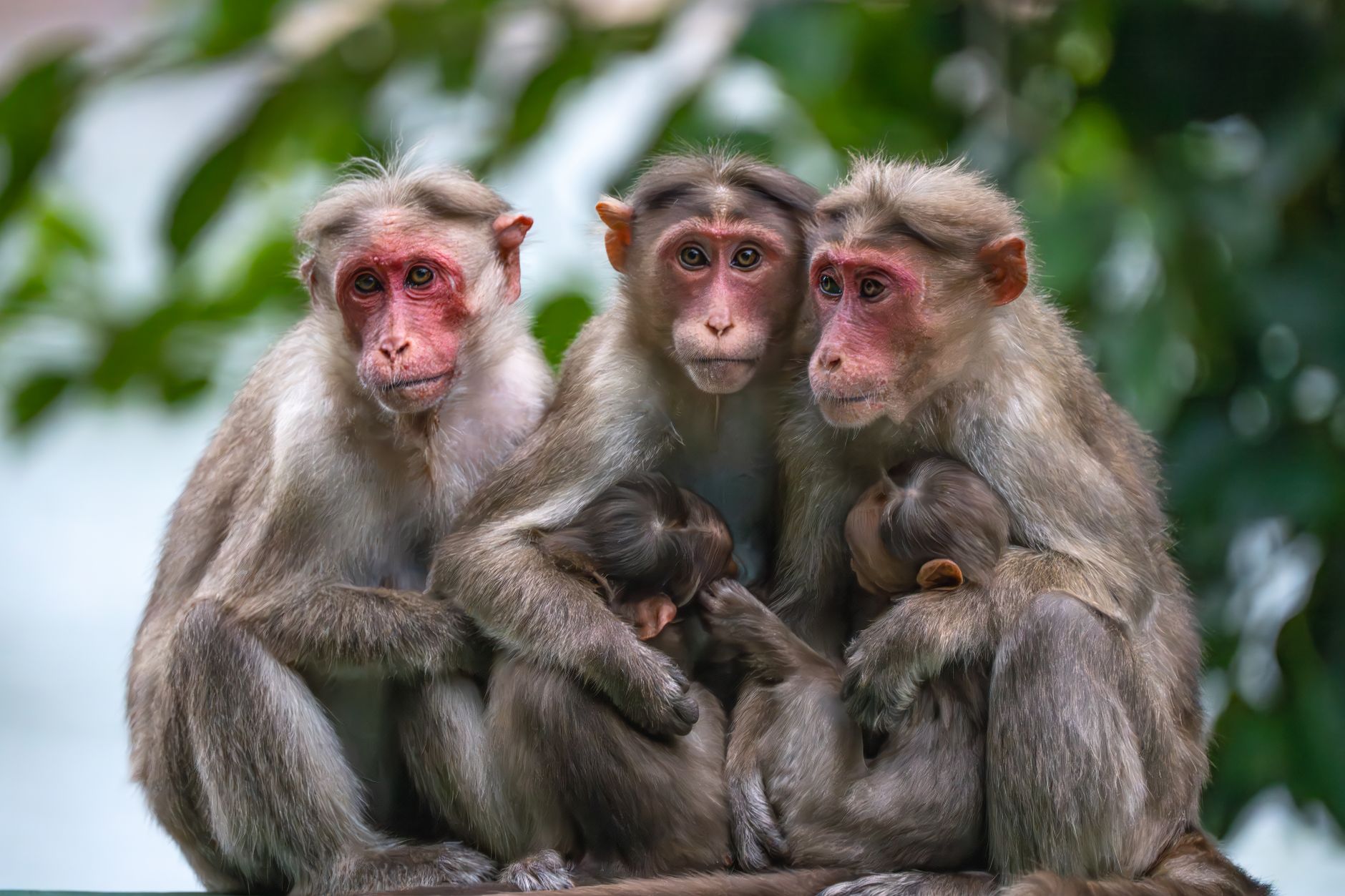
Introduction: A World of Primates
The world of primates is vast and varied, encompassing everything from the tiny pygmy marmoset to the imposing gorilla. Within this diverse group, monkeys hold a prominent place. Understanding their distribution is crucial for conservation efforts and appreciating the intricate web of life that connects all living beings. Where are monkeys most populated? This question unveils a story of adaptation, ecological interdependence, and the impact of human activity on primate habitats.

What is the GREY African clawed frog?
Is distilled water good for goldfish?
Can you put your finger in a trout's mouth?
Is methylene blue anti bacterial?
Primate Diversity and Classification

Monkeys are generally divided into two major groups: New World monkeys (platyrrhines) found in the Americas and Old World monkeys (catarrhines) found in Africa and Asia. These groups evolved independently, resulting in distinct physical and behavioral characteristics.
- New World Monkeys: Generally smaller, with prehensile tails (useful for grasping branches), and nostrils that point to the side. Examples include capuchins, squirrel monkeys, and howler monkeys.
- Old World Monkeys: Typically larger, lack prehensile tails, and have nostrils that point downwards. Examples include macaques, baboons, and colobus monkeys.
This geographic separation and resulting evolutionary divergence are key to understanding where are monkeys most populated and the unique challenges each group faces.
Key Regions of Monkey Abundance
Several regions stand out as primate hotspots, boasting high concentrations of monkey species.
- Amazon Rainforest (South America): This vast rainforest is home to a remarkable diversity of New World monkeys, including howler monkeys, spider monkeys, and uakaris. The abundance of fruit, insects, and other resources supports large populations.
- Congo Basin (Africa): This region is a critical habitat for numerous Old World monkeys, such as guenons, mangabeys, and colobus monkeys. The dense forest provides ample cover and food sources.
- Southeast Asia: From India to Indonesia, Southeast Asia hosts a wide array of macaques, langurs, and other Old World monkeys. The region’s diverse landscapes, ranging from rainforests to mountains, create a mosaic of habitats.
- Madagascar: While technically home to lemurs (a type of strepsirrhine primate, not a monkey), Madagascar is a valuable comparison. This island nation’s isolation has led to the evolution of unique primate species, highlighting the importance of geographic isolation in primate evolution.
- Specific Habitats: Not all regions are created equal. Certain forest types, elevation ranges, and areas with specific fruit trees or insect populations can be particularly attractive to certain monkey species.
Factors Influencing Monkey Distribution
Several factors influence where are monkeys most populated. These include:
- Food Availability: Monkeys are highly dependent on reliable food sources, primarily fruits, insects, leaves, and small animals.
- Habitat Availability: Dense forests provide cover from predators, nesting sites, and travel routes.
- Climate: Tropical and subtropical climates offer suitable temperatures and rainfall patterns for monkey survival.
- Human Activity: Deforestation, hunting, and habitat fragmentation can significantly impact monkey populations.
- Competition: In areas with multiple monkey species, competition for resources can influence distribution.
Conservation Challenges and Threats
The future of many monkey populations is uncertain due to various threats:
- Habitat Loss: Deforestation for agriculture, logging, and urbanization is a major driver of monkey decline.
- Hunting and Poaching: Monkeys are hunted for bushmeat, traditional medicine, and the pet trade.
- Climate Change: Altered rainfall patterns, increased temperatures, and extreme weather events can disrupt monkey habitats and food sources.
- Disease: Monkeys are susceptible to various diseases, including those transmitted from humans.
- Human-Wildlife Conflict: As human populations expand into monkey habitats, conflicts over resources can arise.
Conservation Strategies
Effective conservation strategies are crucial to protect monkey populations:
- Habitat Protection: Establishing and managing protected areas, such as national parks and reserves.
- Sustainable Land Use: Promoting sustainable agriculture and forestry practices that minimize habitat destruction.
- Anti-Poaching Measures: Enforcing laws against hunting and poaching and supporting local communities in conservation efforts.
- Community Engagement: Educating local communities about the importance of monkey conservation and providing alternative livelihoods.
- Research and Monitoring: Conducting research to understand monkey ecology and monitoring populations to assess conservation effectiveness.
Frequently Asked Questions About Monkey Populations
What is the difference between a monkey and an ape?
Monkeys and apes are both primates, but they have distinct characteristics. Apes lack tails, tend to be larger and more intelligent than monkeys, and have more complex social behaviors. Examples of apes include gorillas, chimpanzees, orangutans, and gibbons.
Which monkey species is the most widely distributed?
The rhesus macaque (Macaca mulatta) is arguably the most widely distributed monkey species. Its range extends across a wide variety of habitats in Asia, from Afghanistan to Japan. This adaptability is key to its success.
Are there monkeys in North America?
No, there are no native monkey species in North America. Fossil evidence suggests that monkeys once existed there, but they are now extinct. However, populations of introduced rhesus macaques exist in Florida.
Why are monkeys important to ecosystems?
Monkeys play crucial roles in ecosystems. They act as seed dispersers, helping to regenerate forests. They also control insect populations and serve as prey for larger animals. Their presence contributes to the overall health and biodiversity of ecosystems.
What is the social structure of monkey troops like?
Monkey troops exhibit diverse social structures, ranging from small family groups to large multi-male/multi-female groups. Many species are highly social, with complex dominance hierarchies, communication systems, and cooperative behaviors. The specific structure depends on the species and the availability of resources. Understanding these structures is key to effective conservation.
How does deforestation affect monkey populations?
Deforestation directly destroys monkey habitats, reducing food availability, increasing exposure to predators, and disrupting social structures. It can also lead to habitat fragmentation, isolating monkey populations and limiting genetic diversity. This is a major factor in determining where are monkeys most populated in the modern era.
What is the role of zoos in monkey conservation?
Zoos can play a valuable role in monkey conservation through breeding programs, research, and public education. They can help to maintain genetic diversity in captive populations and raise awareness about the threats facing wild monkeys. Responsible zoos also support in-situ conservation efforts.
What can I do to help protect monkey populations?
You can support conservation organizations working to protect monkey habitats, reduce your consumption of products that contribute to deforestation, and educate others about the importance of monkey conservation. Even small actions can make a big difference.
Are all monkey species threatened with extinction?
No, but many monkey species are threatened with extinction. The IUCN Red List assesses the conservation status of species, and many monkeys are listed as Vulnerable, Endangered, or Critically Endangered. The specific threats vary depending on the species and its location.
How do monkeys adapt to different environments?
Monkeys have evolved various adaptations to thrive in different environments. These include specialized diets, physical characteristics suited to specific habitats (e.g., prehensile tails for arboreal life), and behavioral adaptations to cope with climate and predators.
Where can I find reliable information about monkey conservation?
Reputable sources include the IUCN Red List, the websites of conservation organizations such as the Wildlife Conservation Society and the World Wildlife Fund, and scientific publications on primate ecology.
Is it ethical to keep monkeys as pets?
Keeping monkeys as pets is generally considered unethical and harmful to both the monkey and the owner. Monkeys have complex social and behavioral needs that are difficult to meet in a domestic environment. They can also be dangerous and transmit diseases to humans. The pet trade significantly impacts wild populations.